 drivequiz.com
 Question 1
You reach an intersection that is not controlled at the same time as a driver on your right, and both of you prepare to go straight. Who has the right-of-way?
A
You.
B
No one.
C
The other driver.
No explanation available.
Question 2
What do warning signs mean?
A
Danger ahead.
B
Drivers are approaching a location where there is a special rule.
C
All of the above.
No explanation available.
Question 3
 A pedestrian in the crosswalk when the 'DON’T WALK' signal begins flashing must:
A
stop immediately.
B
go back and wait the “WALK” light
C
finish crossing the street.
No explanation available.
Question 4
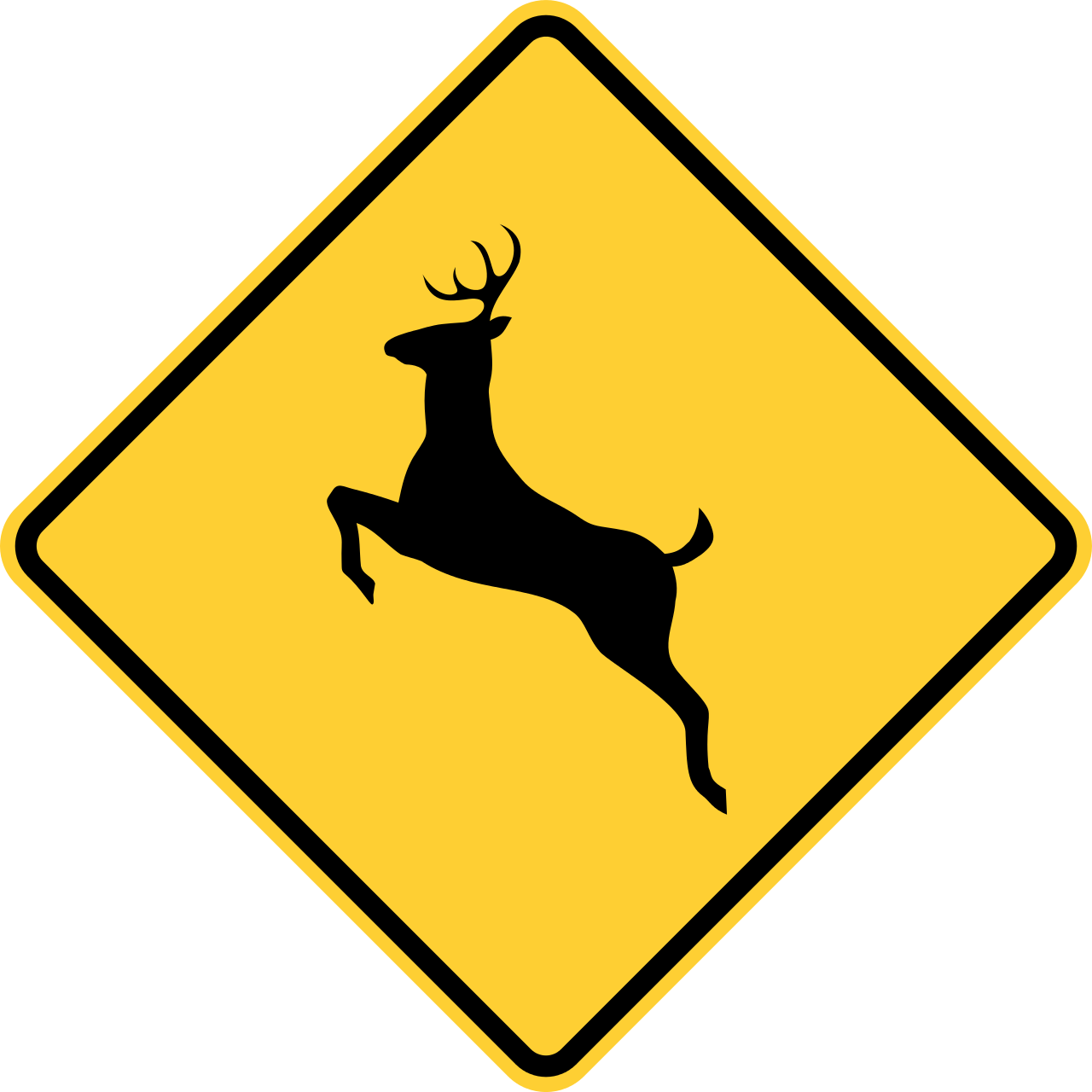 When they see this road sign, drivers should:
A
drive carefully because the animal pictured on the sign is extremely rare in the area.
B
watch for this species crossing the road.
C
park in the zoo area.
No explanation available.
Question 5
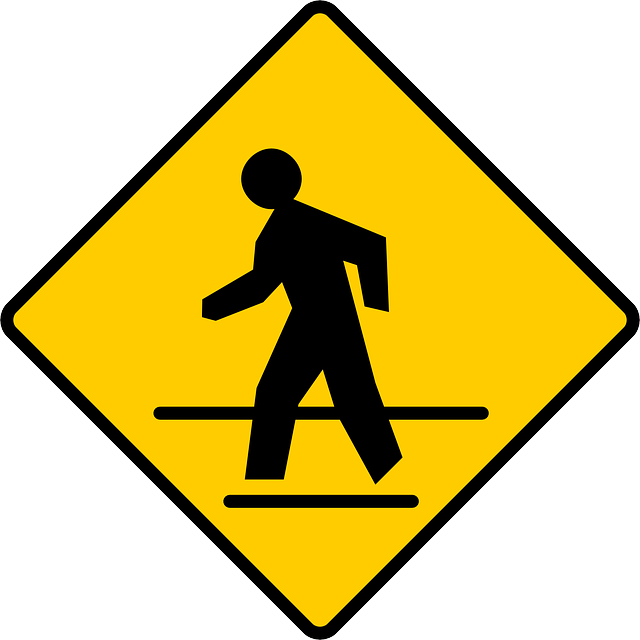 This road sign means:
A
Pedestrian crossing
B
School zone
C
School crossing
No explanation available.
Question 6
Alcohol:
A
makes you less aware of what is happening to your driving abilities.
B
makes it easier to make correct decisions.
C
improves your reaction time.
No explanation available.
Question 7
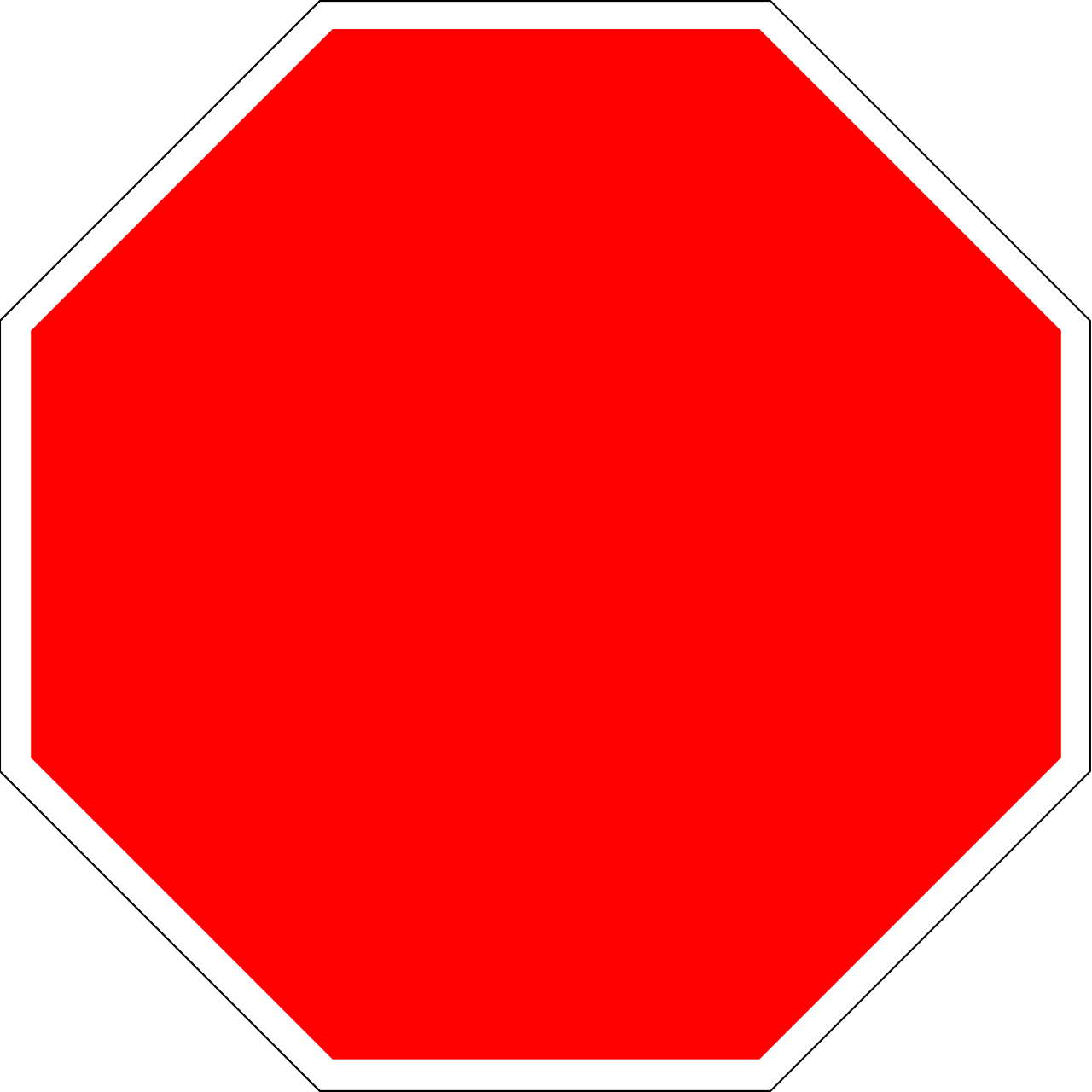 This road sign means:
A
Be prepared to stop if necessary
B
Slow down and be prepared to stop
C
Stop and yield to pedestrians and cross traffic
No explanation available.
Question 8
You face a green light, but traffic on the other side of the intersection does not allow you to travel all the way through the intersection. What must you do?
A
Enter the intersection and wait until traffic ahead clears.
B
Wait for the next green light.
C
Wait until traffic ahead clears, so you do not block the intersection.
No explanation available.
Question 9
You should signal your intentions to turn:
A
as soon as you decide to turn.
B
at least 50 feet before turning
C
at least 100 feet before turning.
No explanation available.
Question 10
 When you see this sign you should stop and:
A
check traffic in all direction before proceeding.
B
check for vehicles in the opposite direction, then proceed.
C
yield the right-of way to all vehicles coming from the left.
No explanation available.
Question 11
A traffic sign with a red circle around and a slash over a symbol means:
A
the maneuver shown by the symbol is not allowed.
B
Do not drive faster than the posted speed limit.
C
the maneuver shown on the sign should be executed with extreme caution.
No explanation available.
Question 12
An edge line that angles toward the center of the road indicates that:
A
the road is narrower ahead.
B
there’s a narrow bridge ahead.
C
you must turn right.
No explanation available.
Question 13
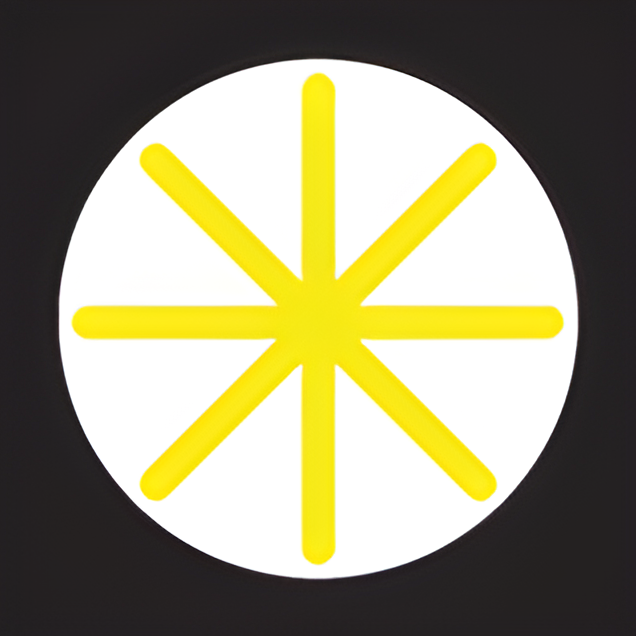 A flashing yellow light:
A
warns drivers to proceed with caution.
B
is used at dangerous intersections.
C
All of the above.
No explanation available.
Question 14
To drive defensively, you must:
A
anticipate errors by other drivers.
B
assume that a driver who approaches a STOP sign on a side road is actually going to stop.
C
not check behind you through your mirrors.
No explanation available.
Question 15
 This road sign warns drivers that:
A
the road surface ahead changes to a low-type surface or earth road.
B
vehicles must leave the pavement immediately.
C
the dirt on the side of the road is soft.
No explanation available.
Question 16
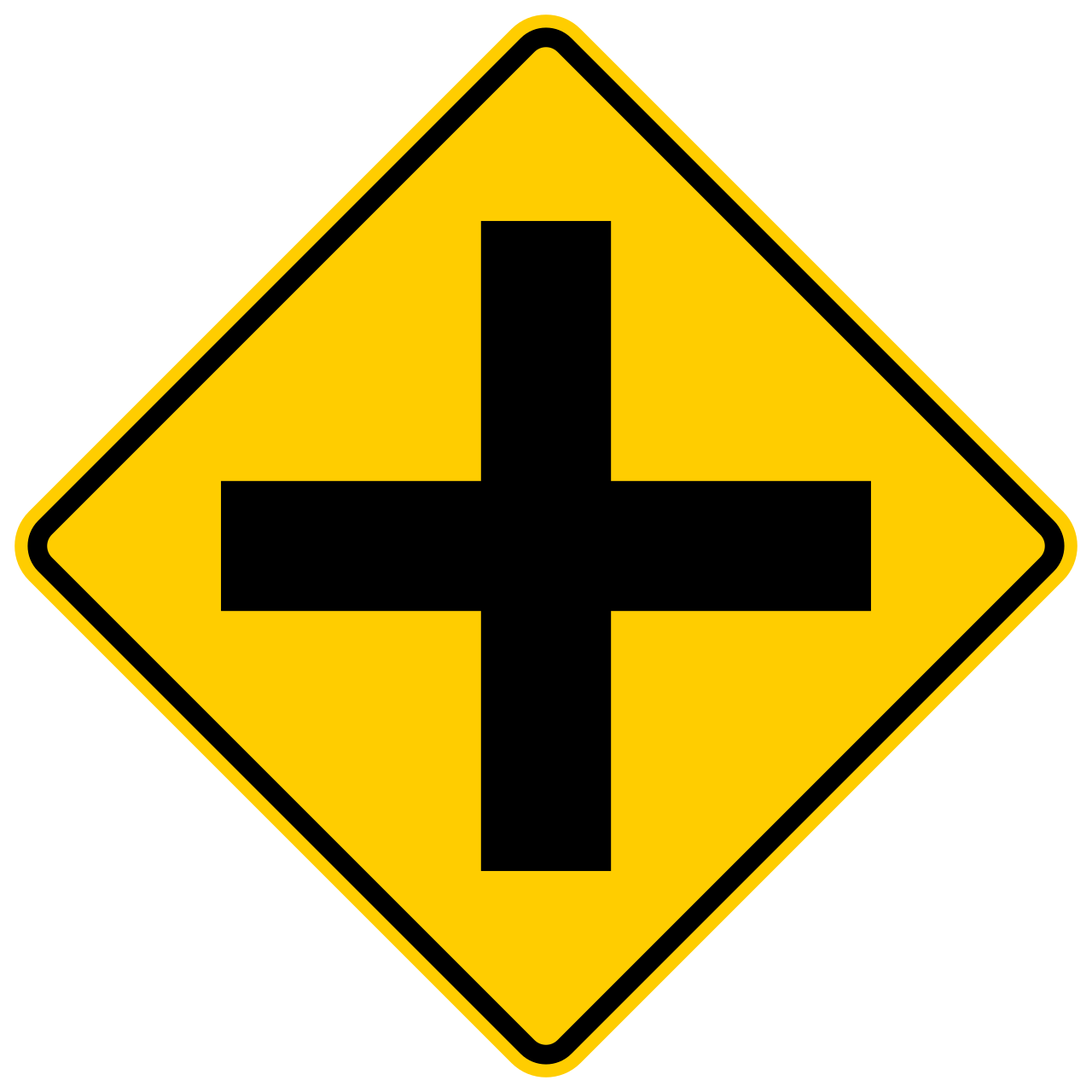 This road sign means:
A
Warning, crossroad ahead
B
All traffic must turn
C
Yield sign ahead
No explanation available.
Question 17
 A 4-way stop sign means:
A
The first vehicle to reach the intersection should move forward first.
B
Traffic from all four directions must stop.
C
There are four stop signs at the intersection.
D
All of the above.
No explanation available.
Question 18
 What should drivers do when they see this road sign?
A
come to a complete stop and wait for a train to cross.
B
slow down, look for a train, and be prepared to stop.
C
look for a human flagger.
No explanation available.
Question 19
Before crossing any railroad tracks, you must:
A
look and listen for trains.
B
make sure there is room for your vehicle on the other side.
C
All of the above.
No explanation available.
Question 20
A broken white line:
A
means passing or crossing is prohibited in that lane.
B
separates two lanes traveling in the same direction.
C
marks the right edge of the roadway.
No explanation available.
Question 21
When riding in a vehicle equipped with air bags is, children ages 12 and under are safer:
A
buckled up in the back seat.
B
in the bed of a pick-up truck.
C
buckled up in the front seat.
No explanation available.
Question 22
Two drivers reach an uncontrolled intersection at the same time. Who has the right of way?
A
The driver on the left.
B
No one.
C
The driver on the right.
No explanation available.
Question 23
When driving on the freeway behind large trucks, you should:
A
move to the right of the truck and pass it quickly.
B
drive closer behind the truck than for a passenger vehicle.
C
increase your following distance.
No explanation available.
Question 24
The road is the most slippery:
A
when it first starts to rain.
B
after it rains.
C
All of the above.
No explanation available.
Question 25
What does it mean If an oncoming driver flashes headlights at you during a period of low visibility?
A
Your headlights are too bright. You should turn them off.
B
Your vehicle was difficult to see. You should turn on your headlights.
C
Your headlights are too bright. You should use parking lights instead.
No explanation available.
Question 26
_________________ your mirrors when you prepare to change lanes.
A
Never depend on
B
Never use
C
Always rely on
No explanation available.
Question 27
Drivers should change lanes:
A
often.
B
as quickly as possible.
C
gradually and carefully.
No explanation available.
Question 28
If you plan to pass another vehicle, you should:
A
not assume the other driver will make space for you to return to your lane.
B
assume the other driver will let you pass if you use your turn signal.
C
assume the other driver will maintain a constant speed.
No explanation available.
Question 29
Your red traffic signal changes to green while a pedestrian is crossing in your traffic lane. The right of way should be given:
A
by the pedestrian, but only when vehicles are turning left.
B
by the pedestrian.
C
to the pedestrian.
No explanation available.
Question 30
What should you do if your rear wheels start to skid?
A
Steer left if your rear wheels slide right.
B
If the vehicle has ABS, pump the pedal carefully.
C
Turn the steering wheel in the direction the vehicle is trying to go.
No explanation available.
Question 31
On average, how long does it take your body to remove the alcohol contained in 5 ounces of wine?
A
one hour.
B
30 minutes.
C
3 hours.
No explanation available.
Question 32
When a pedestrian carrying a white cane is at the corner ready to cross the street in front of you, before making your right turn, you should:
A
use your horn to help the pedestrian cross the street.
B
turn off the ignition until the person crosses the street.
C
yield the right-of-way and wait until the pedestrian crosses the street.
No explanation available.
Question 33
Left turns on a red light are allowed:
A
from a one-way street into a one-way street.
B
Never.
C
at intersections, after stopping, if the way is clear.
No explanation available.
Question 34
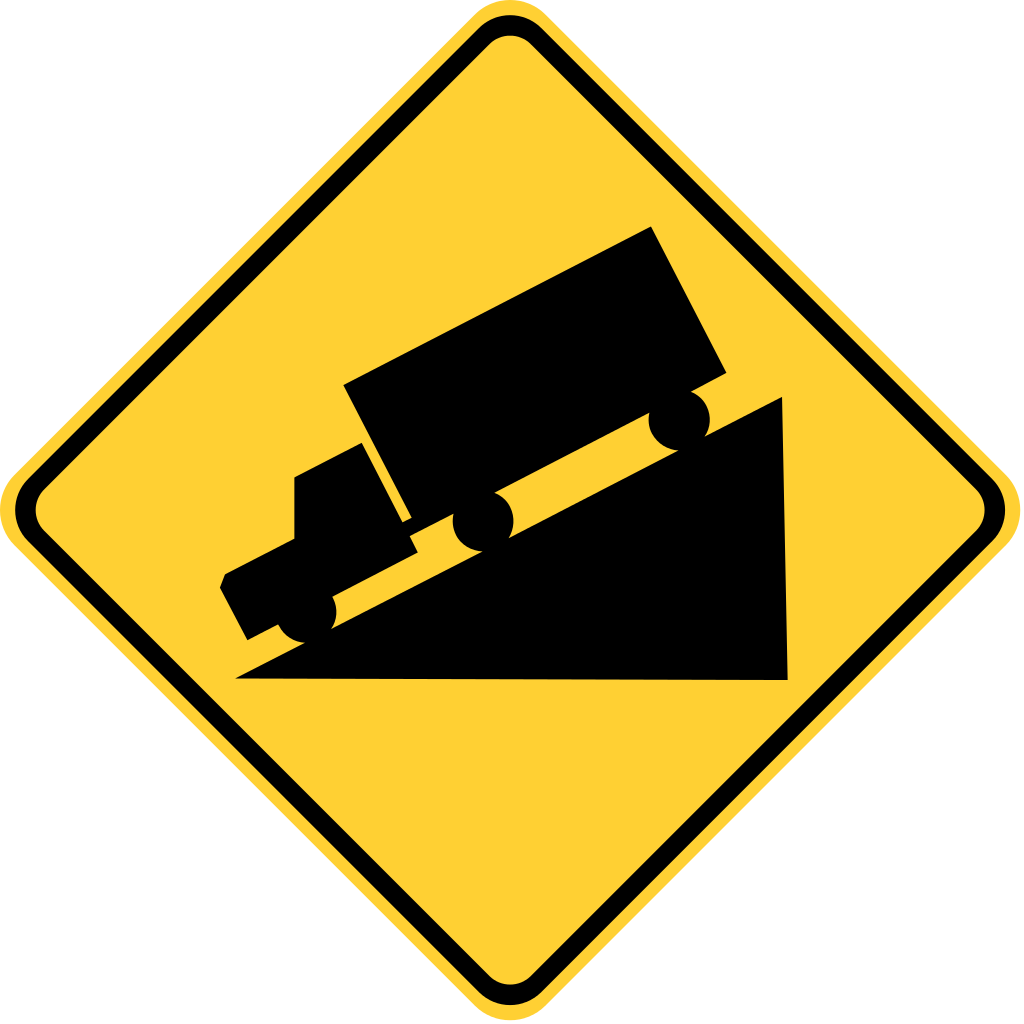 This road sign means:
A
Merging traffic
B
Steep grade ahead
C
Intersection ahead
No explanation available.
Question 35
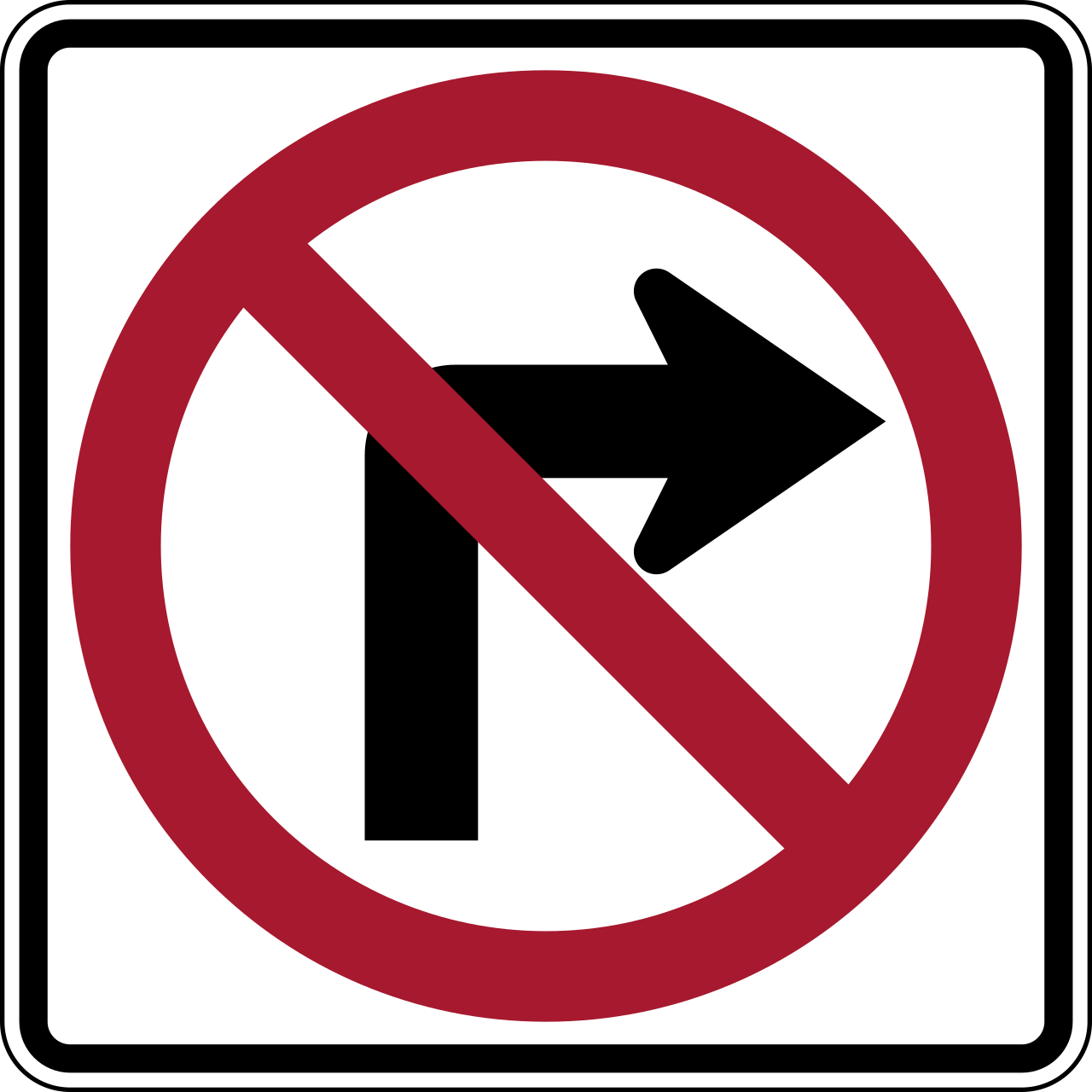 This road sign means:
A
No left turn
B
No right turn
C
No U-turns
No explanation available.
Question 36
When changing lanes, you should remember that:
A
vehicles with two outside mirrors have no blind spots.
B
You only need to turn and look over your right shoulder for lane changes to the right or left.
C
you should look over your left shoulder for a left lane change and your right shoulder for a right lane change.
No explanation available.
Question 37
It is illegal to park:
A
on public roadways.
B
within 50 feet of a railroad crossing.
C
within 15 feet of a fire hydrant.
No explanation available.
Question 38
 This is the shape and color of a ________ sign.
A
yield
B
stop
C
do not enter
No explanation available.
Question 39
Most signs used in street work areas are:
A
round.
B
diamond shaped.
C
rectangle shaped.
No explanation available.
Question 40
What type of pavement marking shows you which lane you must use for a turn?
A
Edge line
B
Diamond
C
Crosswalk Lines
D
Arrows
No explanation available.
Question 41
When in a motor vehicle on a highway, it is:
A
illegal to drink from, but permissible to transport, open containers of alcohol in the passenger compartment.
B
illegal to possess an open container of alcohol in the passenger compartment.
C
acceptable to drink alcoholic beverages if you are not driving.
D
permissible to drink a moderate amount of alcohol when driving with a passenger.
No explanation available.
Question 42
If cars approaching from opposite directions reach an intersection at the same time:
A
a car that moves straight must yield to cars that turn left.
B
a car that turns left must yield to cars that move straight or turn right.
C
a car that turns right must yield to cars that move straight or turn left.
No explanation available.
Question 43
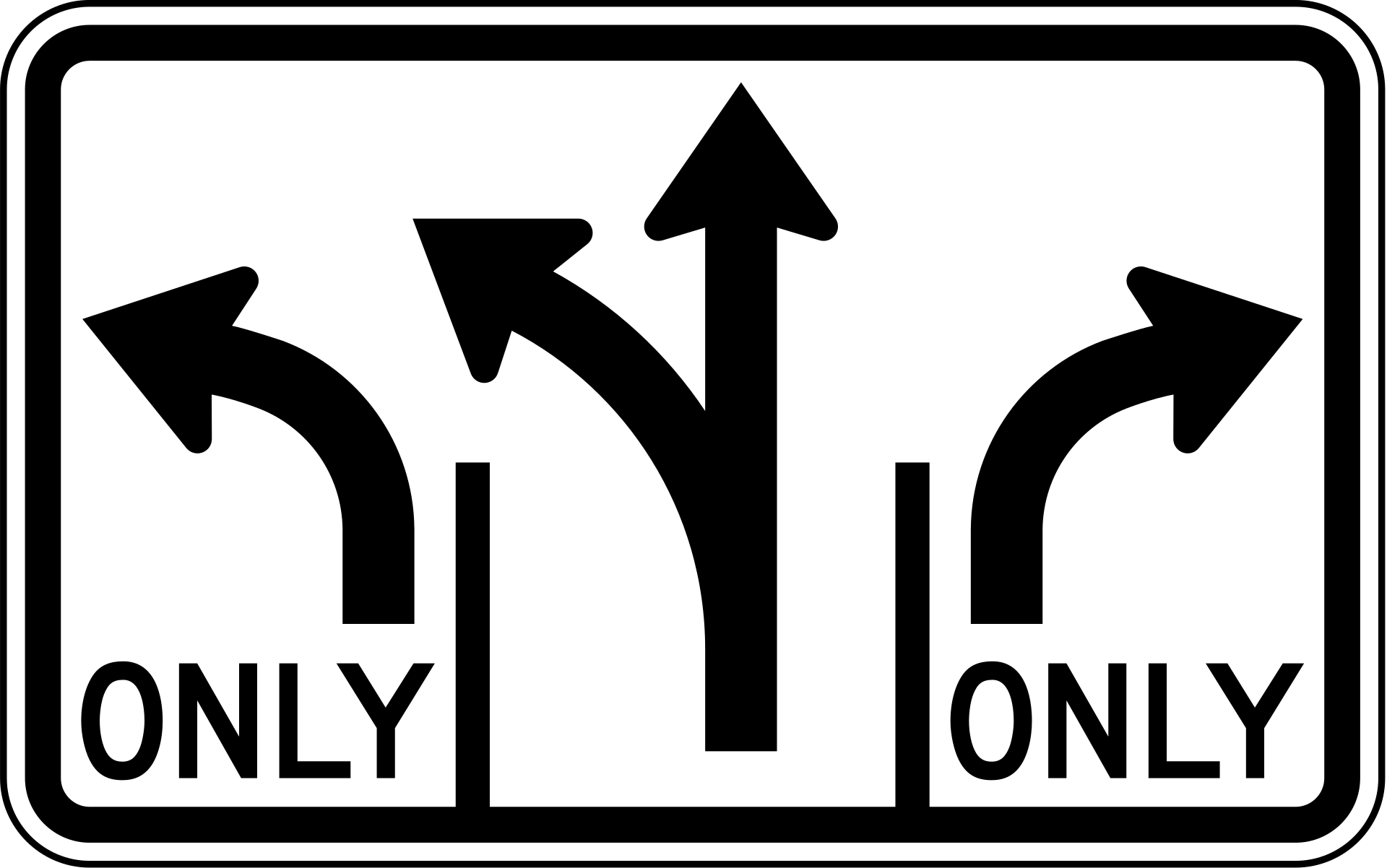 This regulatory sign tells drivers that:
A
traffic in the left lane must turn left at the intersection ahead.
B
all vehicles must turn left immediately.
C
traffic in the right lane must go straight.
No explanation available.
Question 44
 This sign means:
A
You may make a U-turn.
B
Hairpin corner ahead.
C
You must make a U-turn.
No explanation available.
Question 45
Which shape is a warning sign?
A
Diamond
B
Triangle
C
Pennant
No explanation available.
Question 46
Examples of proper glass maintenance include:
A
Replacing worn wiper blades.
B
Keeping your windows clean and clear.
C
All of the above.
No explanation available.
Question 47
The traffic light is green and you want to drive straight through an intersection. If a car is already in the intersection and is making a turn, you must:
A
enter the intersection and then stop.
B
drive through the intersection. You have the right-of-way.
C
let that car complete its turn before you enter the intersection.
No explanation available.
Question 48
What should drivers do when the red lights begin to flash?
A
Stop.
B
Yield.
C
Slow down.
No explanation available.
Question 49
 The octagonal shape is used:
A
for stop signs and railroad advance warning signs.
B
exclusively for stop signs.
C
to warn drivers of existing or possible hazards on roadways.
No explanation available.
Question 50
 Vertical rectangles tell drivers:
A
the law.
B
what is not allowed.
C
the direction they should travel.
No explanation available.