问题 1:
ABS 是
A
的缩写防刹车系统
B
平均光束系统
C
防抱死制动系统
正确的驾驶规则是:防抱死制动系统。遵循标准 DMV 道路规则并实行防御性驾驶可确保所有道路使用者的安全。
问题 2:
 此标志警告驾驶员:
A
减少车道。
B
路上的一个倾角。如果坑里充满了水,司机应该准备停车。
C
前面有一座桥,宽度足以容纳两条车道,但间隙很小。
该交通标志表示:前方有一座桥,宽度足以容纳两条车道,但间隙很小。观察并遵守所有道路标志可确保安全交通和合法驾驶。
问题 3:
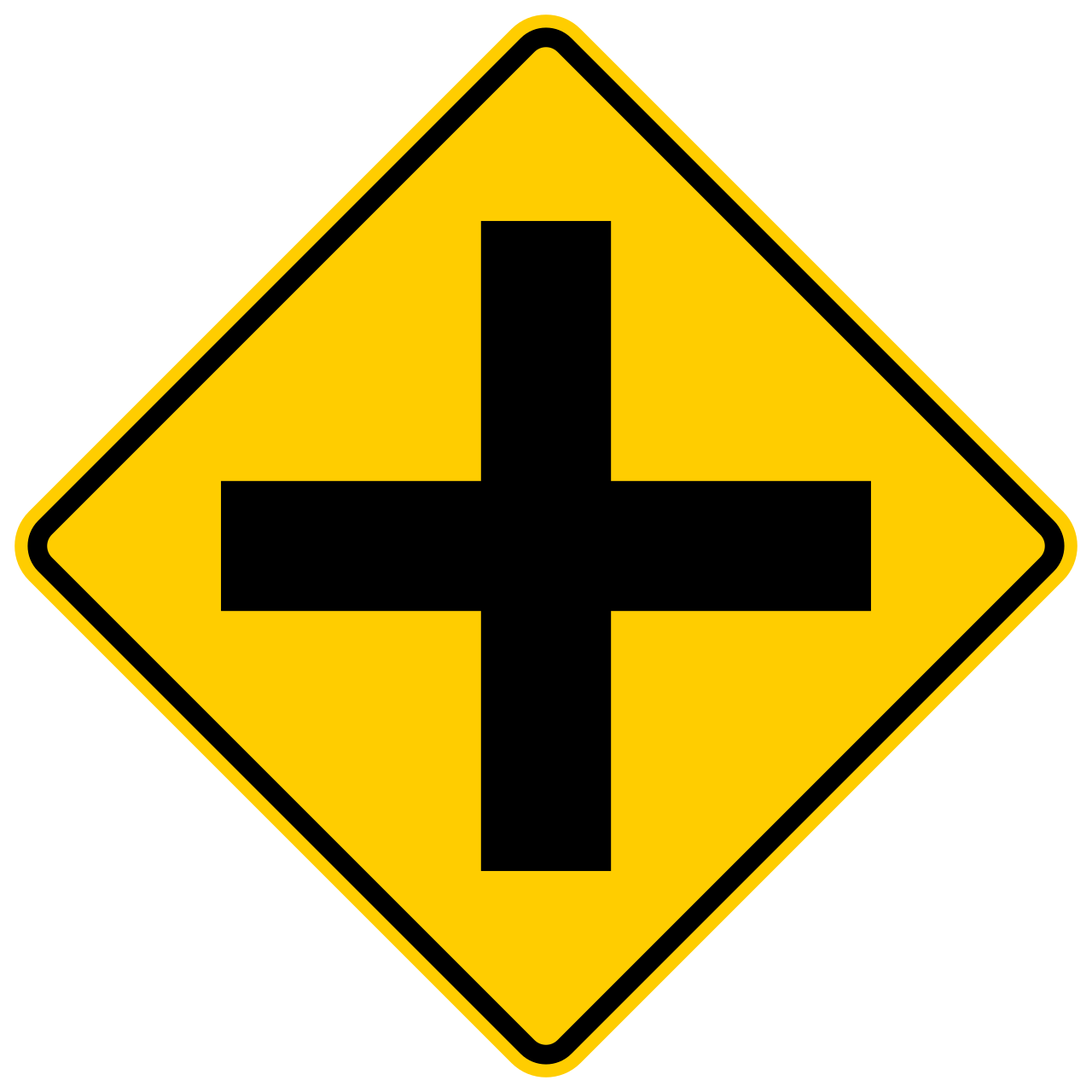 该标志表示:
A
一条小路。
B
一个十字路口。
C
前面是教堂区。
该交通标志表示:十字路口。观察并遵守所有道路标志可确保安全交通和合法驾驶。
问题 4:
 四向停车标志的意思是:
A
来自所有四个方向的交通都必须停止。
B
如果两辆车同时到达路口,左边的司机给右边的司机让路。
C
上述所有的。
该标志提醒驾驶员注意几项强制性要求:所有四个方向的交通都必须停止,如果两辆车同时到达路口,左边的司机给右边的司机让路。法律要求遵守所有张贴的交通管制指令。
问题 5:
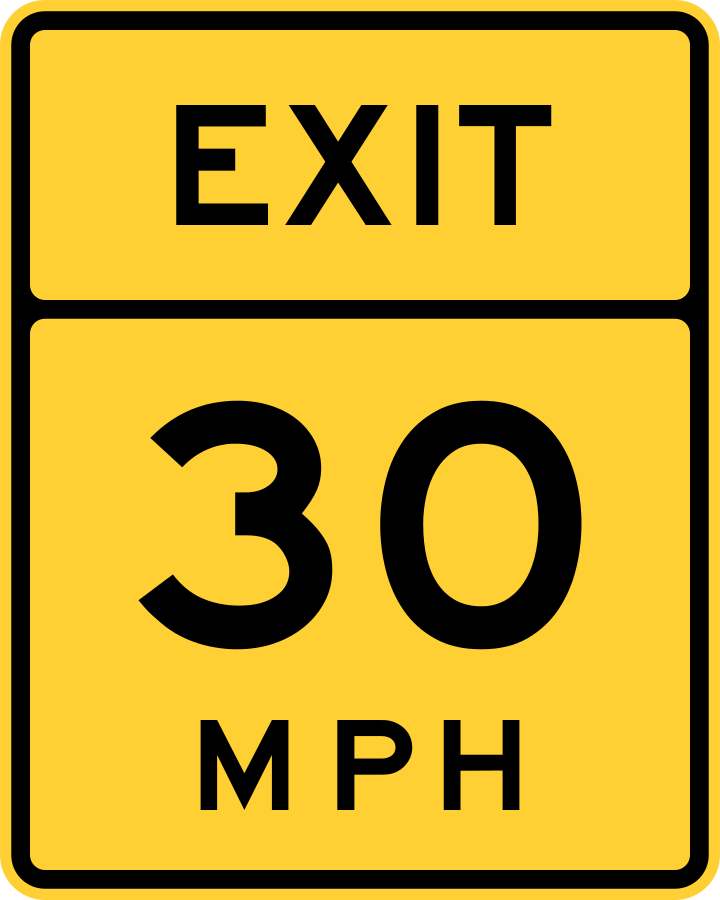 图中标志:
图中标志:
A
显示驾驶员在十字路口出口可以行驶的最高速度。
B
用于向驾车者建议高速公路出口处适当的坡道速度。
C
表示高速公路出口处的最小坡道速度。
正确的驾驶规则是: 用于建议驾车者在高速公路出口处适当的坡道速度。遵循标准 DMV 道路规则并实行防御性驾驶可确保所有道路使用者的安全。
问题 6:
夜间驾驶且前方没有其他车辆时,驾驶员应使用:
A
远光灯。
B
近光灯。
C
停车灯。
正确的驾驶规则是:远光灯。遵循标准 DMV 道路规则并实行防御性驾驶可确保所有道路使用者的安全。
问题 7:
哪些标志是白底黑字?
A
警告标志(菱形)
B
监管标志(垂直矩形)
C
引导标志(水平矩形)
正确的驾驶规则是:监管标志(垂直矩形)。遵循标准 DMV 道路规则并实行防御性驾驶可确保所有道路使用者的安全。
问题 8:
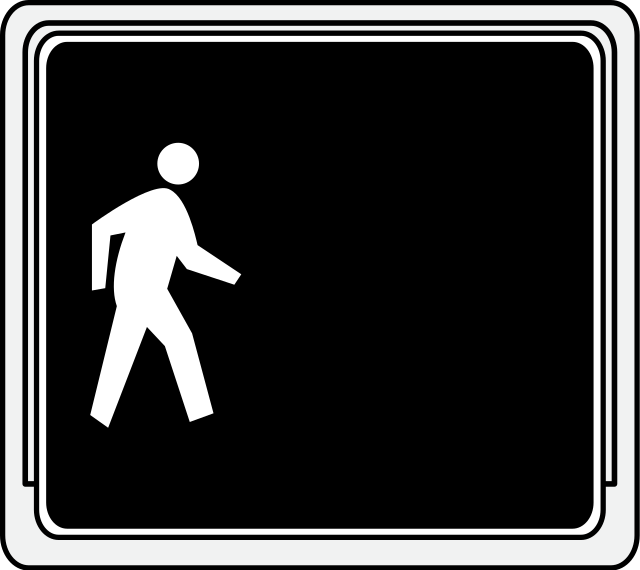 图中的信号表示什么?
A
行人可能开始过马路。
B
行人可以右转。
C
行人不得不开始过马路。
州法律要求表明您的意图:行人可能开始过马路。在转弯或变道之前至少 100 英尺发出信号。
问题 9:
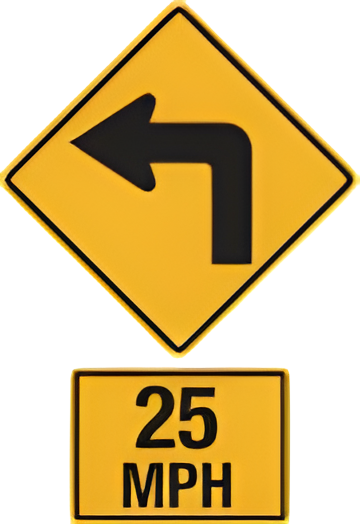 该标志表示:
A
驾驶员在前方弯道上行驶的最高安全速度是 25 英里/小时。
B
前方弯道周围的安全速度至少为 25 英里/小时。
C
如果以 25 英里/小时或以下的速度行驶,驾驶员可能无法右转。
该交通标志表示:驾驶员在前方弯道行驶的最高安全速度是 25 英里/小时。观察并遵守所有道路标志可确保安全交通和合法驾驶。
问题 10:
交通官员给出的指示 ___________ 标志、信号或人行道标记。
A
优先于
B
不如
C
重要必须遵守
正确的驾驶规则是:优先。遵循标准 DMV 道路规则并实行防御性驾驶可确保所有道路使用者的安全。
问题 11:
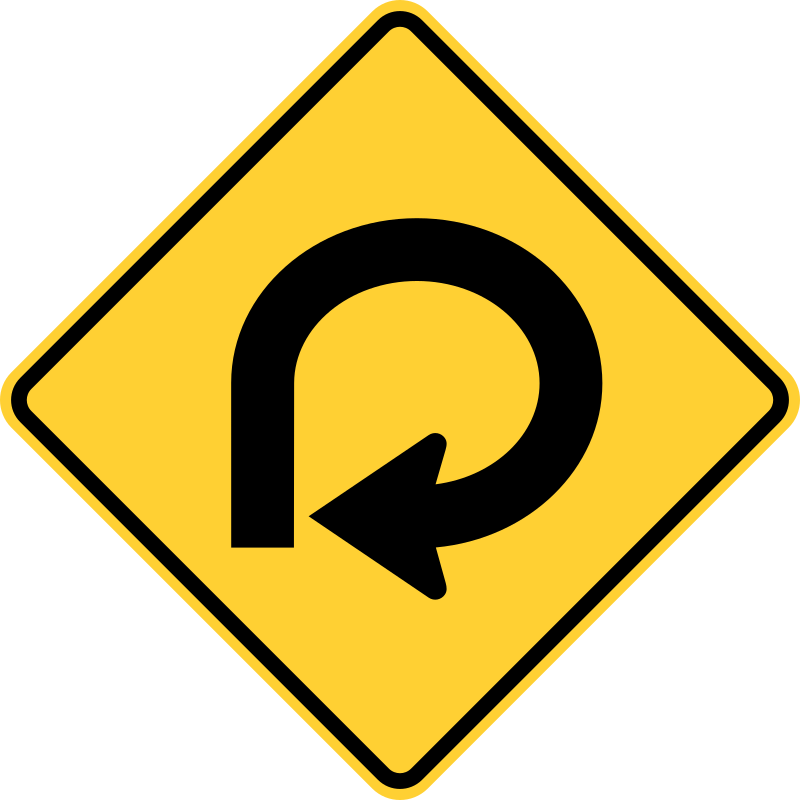 该标志的含义是:
A
前面有环岛。
B
向前270度转弯。
C
错误的方法;立即转身。
该交通标志表示:前方 270 度转弯。观察并遵守所有道路标志可确保安全交通和合法驾驶。
问题 12:
接近闪烁红色交通信号的驾驶员必须:
A
合并到左边。
B
在路口前停下来。
C
小心地驶过十字路口,不要停车。
D
在交通信号灯处减速。
该交通标志表示:在十字路口前停车。观察并遵守所有道路标志可确保安全交通和合法驾驶。
问题 13:
司机是否可以超速超越其他车辆?
A
可以,但速度只能达到 10 英里/小时或更少。
B
号
C
是的,但前提是他们要小心驾驶。
为了安全的速度和停车控制:不需要。调整速度以匹配能见度和道路牵引力可以防止失去转向抓地力。
问题 14:
两辆车从不同方向同时到达没有交通标志或信号的十字路口。哪辆车有路权?
A
左边的车辆。
B
两辆车可以共享路权。
C
最先进入路口的车辆。
D
右边的车辆。
根据标准的路权规定:车辆在右侧。适当让行可以防止交叉路口碰撞并维持安全的交通流量。
问题 15:
停车标志处没有停车线或人行横道。你必须停止:
A
在进入十字路口之前。
B
在下一个人行横道处。
C
进入交叉路口后,如果您能清楚地看到相交道路上的交通情况。
在进入十字路口之前,驾驶员必须始终为在十字路口和人行横道上过马路的行人让路。停车并让他们安全地通过车道。
问题 16:
当人行道标有双黄线时,驾驶员可以超越其他车辆:
A
其他答案都不正确。
B
仅当没有迎面而来的车辆时。
C
仅当前方车辆的行驶速度低于限速 10 英里/小时或以上时。
D
绝不。
正确的驾驶规则是:决不。遵循标准 DMV 道路规则并实行防御性驾驶可确保所有道路使用者的安全。
问题 17:
骑自行车的人必须:
A
在住宅区的人行道上骑行。
B
遵守交通标志、信号灯和其他交通法规,但本质上不能适用的除外。
C
在车道中央行驶。
D
上述所有的。
正确的驾驶规则是:遵守交通标志、信号和其他交通法规,但本质上不能适用的除外。遵循标准 DMV 道路规则并实行防御性驾驶可确保所有道路使用者的安全。
问题 18:
这个路标的意思是:
A
前方的十字路口
B
小路
C
右转或经过
D
领先者
该交通标志表示:前方有十字路口。观察并遵守所有道路标志可确保安全交通和合法驾驶。
问题 19:
您在夜间开车,另一辆车正在驶近。您的头灯:
A
应该在近光灯上。
B
应该在远光灯上。
C
可以在远光灯或近光灯上。
D
应该关闭,使用停车灯。
正确的驾驶规则是:应开近光灯。遵循标准 DMV 道路规则并实行防御性驾驶可确保所有道路使用者的安全。
问题 20:
 这个路标的意思是:
A
所有车辆必须右转
B
两条单向路在前方汇合
C
前面有一条小路
D
禁止右转
该交通标志表示:前方有一条小路。观察并遵守所有道路标志可确保安全交通和合法驾驶。
问题 21:
 让步符号的意思是:
A
潮湿天气小心驾驶。
B
你必须完全停下来。
C
减速并给横穿道路的车辆让路。
三角形让行标志要求驾驶员减速并给其他车辆让路:减速并给穿过您道路的车辆让路。仅当有安全开口时才继续进行。
问题 22:
 黄灯闪烁是什么意思?
A
与停车标志相同。
B
司机可谨慎前行。
C
上述所有的。
根据标准的通行权规定:驾驶员可以谨慎前进。适当让行可以防止交叉路口碰撞并维持安全的交通流量。
问题 23:
您与停放的车辆发生了轻微交通碰撞,但找不到车主。您必须:
A
留下来直到警察到来。
B
在车辆上留下一张纸条并立即报告事故。
C
等待主人回来。
D
在 14 天内致电您的保险公司。
正确的驾驶规则是:在车上留下纸条,发生事故立即报告。遵循标准 DMV 道路规则并实行防御性驾驶可确保所有道路使用者的安全。
问题 24:
药物可能会干扰一个人安全驾驶的能力:
A
除非是医生开的处方。
B
即使它们是医生开的处方。
C
仅在夜间驾驶时。
D
仅当与酒精混合时。
根据州酒后驾车和交通安全法:即使它们是由医生开的处方。酒精会降低判断力、减慢反应时间并扭曲深度知觉。
问题 25:
饮用酒精饮料:
A
给你一种虚假的自信感。
B
损害你的判断力。
C
减慢你的反应时间。
D
上述所有的。
所有列出的要点都是基本的驾驶要求: 给您一种虚假的自信感;损害您的判断力;减慢你的反应时间。练习每一项可确保遵守 DMV 安全法。
问题 26:
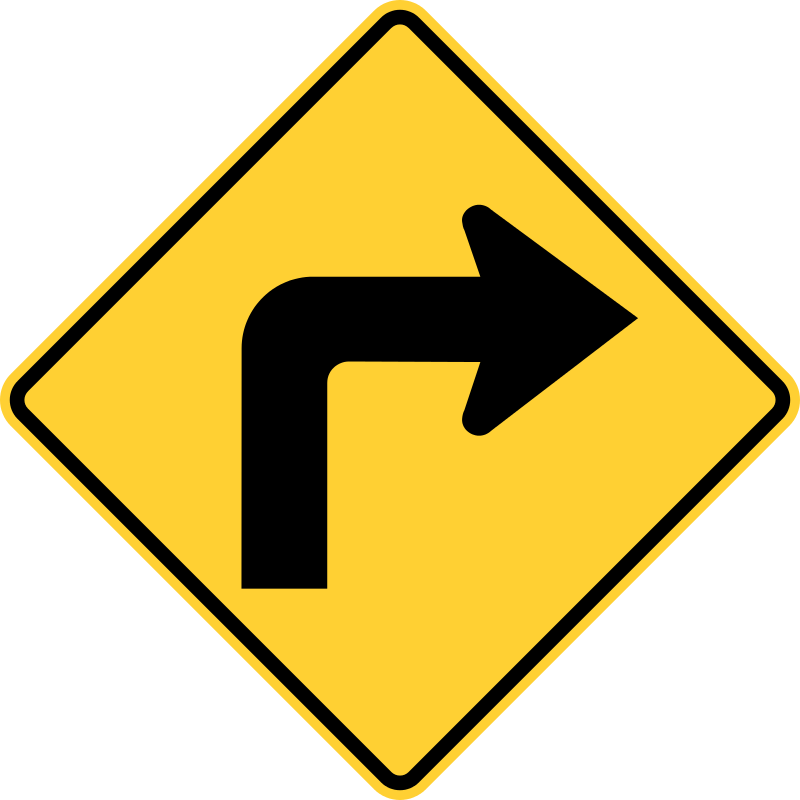 此标志警告驾驶员:
A
一条小路。
B
急转弯。
C
一个十字路口。
该交通标志表示:急转弯。观察并遵守所有道路标志可确保安全交通和合法驾驶。
问题 27:
红灯闪烁表示:
A
与 STOP 标志相同。
B
指示灯很快就会变为稳定的红色。
C
小心驾驶。
当紧急车辆闪灯或鸣笛驶近时,您必须安全地将车停到右侧路边并完全停车,直至其通过。
问题 28:
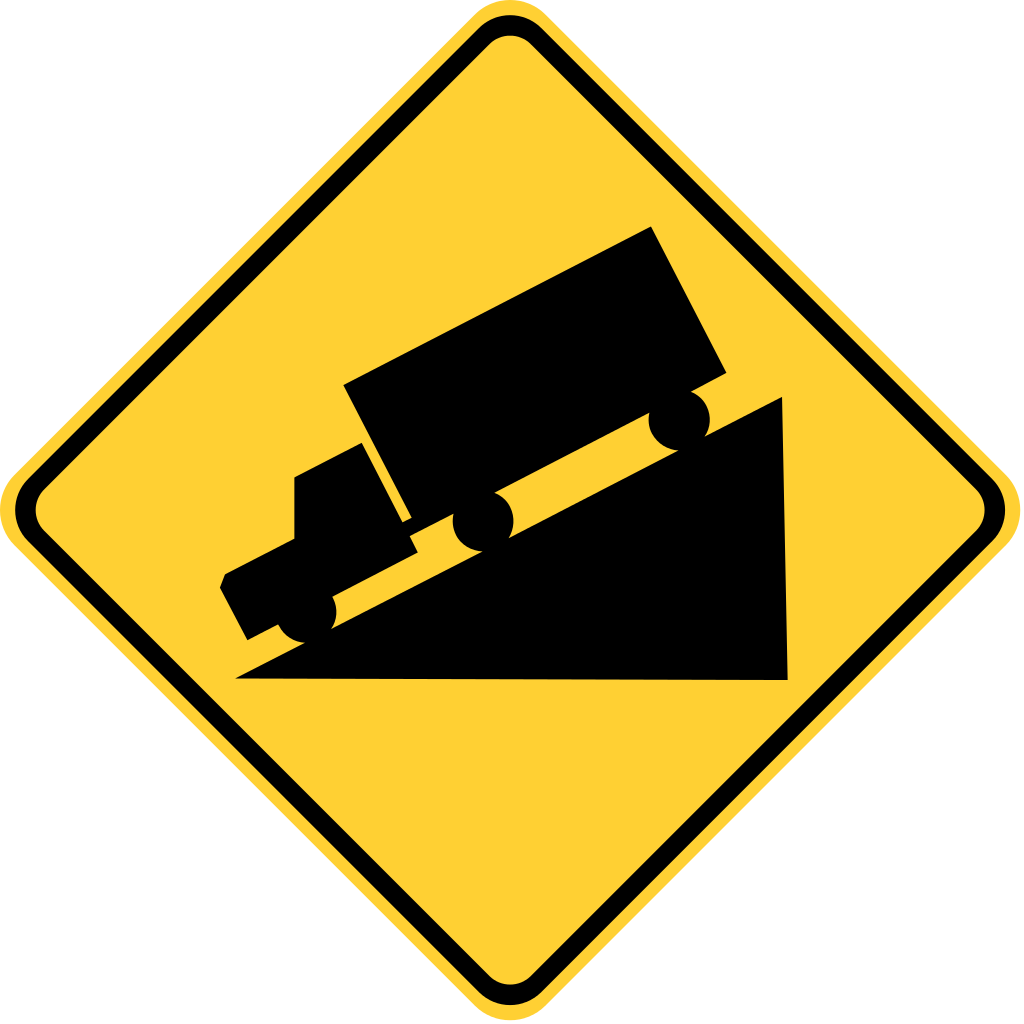 这个路标的意思是:
A
卡车停在前面
B
禁止卡车通行
C
上坡或下坡
该交通标志表示:前方上坡或下坡。观察并遵守所有道路标志可确保安全交通和合法驾驶。
问题 29:
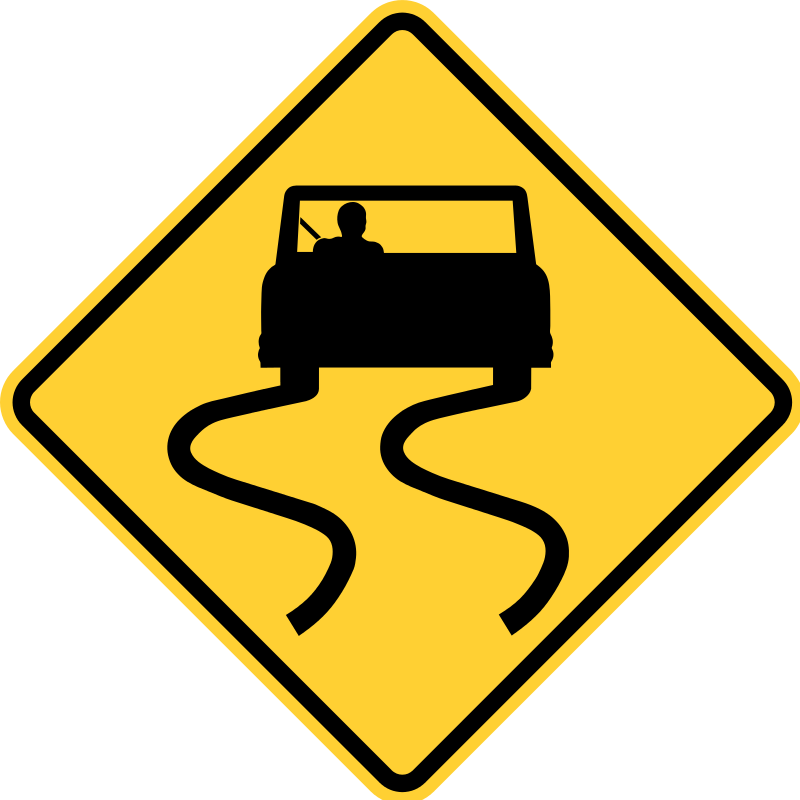 该标志表示:
A
警告:醉酒驾驶。
B
蜿蜒的道路。小心驾驶。
C
潮湿时道路可能会很滑。慢慢开车。
该交通标志表示:道路潮湿时可能会打滑。慢慢开车。观察并遵守所有道路标志可确保安全交通和合法驾驶。
问题 30:
如果您的车轮偏离人行道,您应该做的第一件事是什么?
A
将方向盘向后拉。
B
靠右停车并按喇叭警告其他司机。
C
将脚从油门踏板上松开并轻轻制动。
正确的驾驶规则是:将脚从油门踏板上松开,轻轻制动。遵循标准 DMV 道路规则并实行防御性驾驶可确保所有道路使用者的安全。