Question 1:
You can pass on the right:
A
when a vehicle ahead makes a right turn.
B
when a vehicle ahead makes a left turn.
C
when a vehicle that is approaching from the opposite direction is prepared to turn left.
Answer Explanation
The correct driving rule is: when a vehicle ahead makes a left turn. Following standard DMV road rules and practicing defensive driving ensures safety for all road users.
The correct driving rule is: when a vehicle ahead makes a left turn. Following standard DMV road rules and practicing defensive driving ensures safety for all road users.
Question 2:
A red traffic sign means?
A
Do not enter.
B
Stop.
C
All of the above.
Answer Explanation
This sign alerts drivers to several mandatory requirements: Do not enter, Stop. Obeying all posted traffic control instructions is required by law.
This sign alerts drivers to several mandatory requirements: Do not enter, Stop. Obeying all posted traffic control instructions is required by law.
Question 3:
Which of these is the proper way to change lanes:
A
Check your mirrors, look over your shoulder, then change lanes.
B
Signal, check your mirrors, and then change lanes.
C
Signal, check your mirrors, and look over your shoulder before you change lanes.
Answer Explanation
The correct driving rule is: Signal, check your mirrors, and look over your shoulder before you change lanes. Following standard DMV road rules and practicing defensive driving ensures safety for all road users.
The correct driving rule is: Signal, check your mirrors, and look over your shoulder before you change lanes. Following standard DMV road rules and practicing defensive driving ensures safety for all road users.
Question 4:
You enter a designated turn lane to make a left turn at an upcoming intersection. There is oncoming traffic. You should:
A
signal before you arrive at the intersection.
B
move to the left of the center lane.
C
turn your front wheels to the left to be prepared to turn.
Answer Explanation
When turning left across traffic lanes: signal before you arrive at the intersection. You must yield to all oncoming vehicles and crossing pedestrians before completing the turn.
When turning left across traffic lanes: signal before you arrive at the intersection. You must yield to all oncoming vehicles and crossing pedestrians before completing the turn.
Question 5:
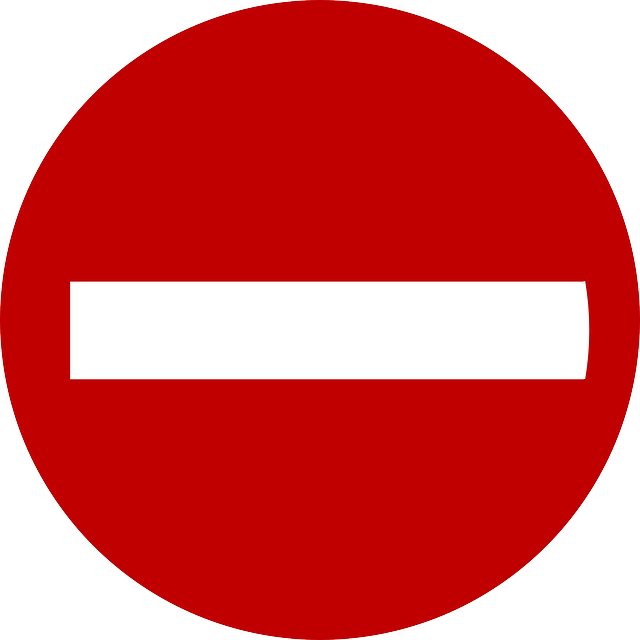 This red and white sign means:
A
drivers may not enter the road from their direction.
B
stop and proceed with caution.
C
the road ahead is closed to traffic in all directions.
Answer Explanation
This traffic sign indicates: drivers may not enter the road from their direction. Observing and obeying all roadway signs ensures safe traffic flow and legal driving.
This traffic sign indicates: drivers may not enter the road from their direction. Observing and obeying all roadway signs ensures safe traffic flow and legal driving.
Question 6:
If the entrance lane is too short to allow acceleration to freeway speed, you should:
A
stop and wait for a large space in traffic.
B
enter the freeway and accelerate quickly.
C
reduce your speed to 15 MPH or less and blend with traffic.
Answer Explanation
For safe speed and stopping control: stop and wait for a large space in traffic. Adjusting speed to match visibility and road traction prevents loss of steering grip.
For safe speed and stopping control: stop and wait for a large space in traffic. Adjusting speed to match visibility and road traction prevents loss of steering grip.
Question 7:
When parking your vehicle parallel to the curb on a level street:
A
One of your rear wheels must touch the curb.
B
Your wheels must be within 18 inches of the curb.
C
Your front wheels must be turned toward the street.
Answer Explanation
Under standard parking and curb regulations: Your wheels must be within 18 inches of the curb. Following parking distance clearances keeps roadways unobstructed and emergency lanes accessible.
Under standard parking and curb regulations: Your wheels must be within 18 inches of the curb. Following parking distance clearances keeps roadways unobstructed and emergency lanes accessible.
Question 8:
Cargo extending more than four feet from your rear bumper:
A
is illegal under all circumstances.
B
does not legally have to be marked, but it is a good idea.
C
must be marked with a red flag or lights.
Answer Explanation
The correct driving rule is: must be marked with a red flag or lights. Following standard DMV road rules and practicing defensive driving ensures safety for all road users.
The correct driving rule is: must be marked with a red flag or lights. Following standard DMV road rules and practicing defensive driving ensures safety for all road users.
Question 9:
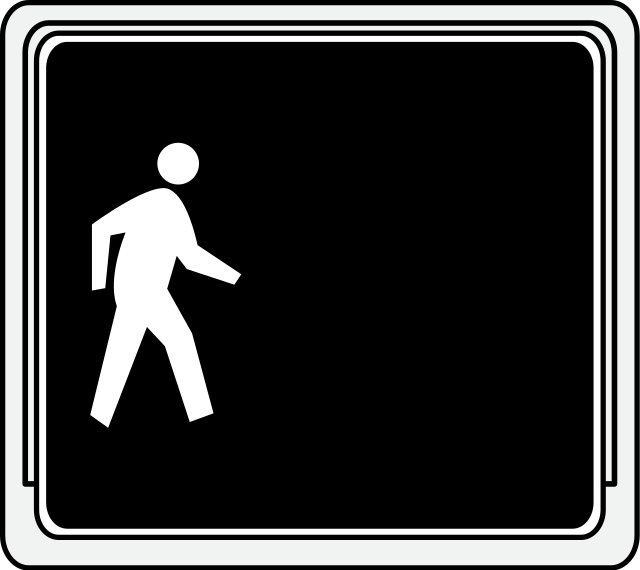 What does the pictured signal indicate?
A
A pedestrian may begin crossing the street.
B
Pedestrians may turn right.
C
A pedestrian may not not begin crossing the street.
Answer Explanation
State laws require signaling your intention: A pedestrian may begin crossing the street. Signal at least 100 feet before making a turn or changing lanes.
State laws require signaling your intention: A pedestrian may begin crossing the street. Signal at least 100 feet before making a turn or changing lanes.
Question 10:
Speed limit signs are:
A
service signs
B
regulation signs (regulatory signs)
C
warning signs
Answer Explanation
For safe speed and stopping control: regulation signs (regulatory signs). Adjusting speed to match visibility and road traction prevents loss of steering grip.
For safe speed and stopping control: regulation signs (regulatory signs). Adjusting speed to match visibility and road traction prevents loss of steering grip.
Question 11:
Pedestrians may be at risk walking near hybrid and electric vehicles because these vehicles:
A
are not subject to standard speed limits.
B
are generally faster than most other vehicles.
C
are virtually silent while operating.
Answer Explanation
The correct driving rule is: are virtually silent while operating. Following standard DMV road rules and practicing defensive driving ensures safety for all road users.
The correct driving rule is: are virtually silent while operating. Following standard DMV road rules and practicing defensive driving ensures safety for all road users.
Question 12:
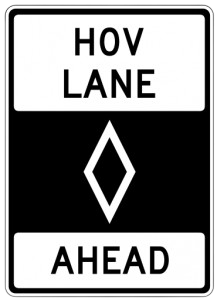 This road sign indicates that:
A
a lane is reserved for certain purposes or certain vehicles.
B
buses and car pools may not travel in the restricted lane.
C
vehicles cannot go straight ahead. Cars must turn either to the right or left.
Answer Explanation
This traffic sign indicates: a lane is reserved for certain purposes or certain vehicles. Observing and obeying all roadway signs ensures safe traffic flow and legal driving.
This traffic sign indicates: a lane is reserved for certain purposes or certain vehicles. Observing and obeying all roadway signs ensures safe traffic flow and legal driving.
Question 13:
Never make a U-turn:
A
in front of a fire station.
B
on a railroad crossing.
C
All of the above.
Answer Explanation
Safe navigation at intersections requires following all established rules: in front of a fire station; on a railroad crossing. Always yield right-of-way properly to prevent collisions.
Safe navigation at intersections requires following all established rules: in front of a fire station; on a railroad crossing. Always yield right-of-way properly to prevent collisions.
Question 14:
Which of the following is NOT true about ABS?
A
It improves the vehicle stability.
B
It helps increase your stopping distance.
C
It improves the steering ability.
Answer Explanation
The correct driving rule is: it helps increase your stopping distance. Following standard DMV road rules and practicing defensive driving ensures safety for all road users.
The correct driving rule is: it helps increase your stopping distance. Following standard DMV road rules and practicing defensive driving ensures safety for all road users.
Question 15:
Highways are typically most slippery:
A
after it has been raining for a long time.
B
during a heavy rainstorm in the middle of the summer.
C
when it first starts to rain after a dry spell.
Answer Explanation
For safe speed and stopping control: when it first starts to rain after a dry spell. Adjusting speed to match visibility and road traction prevents loss of steering grip.
For safe speed and stopping control: when it first starts to rain after a dry spell. Adjusting speed to match visibility and road traction prevents loss of steering grip.
Question 16:
Green and white signs:
A
give information about directions and distances.
B
are mainly used at intersections and driveways.
C
warn drivers of unexpected road conditions.
Answer Explanation
The correct driving rule is: give information about directions and distances. Following standard DMV road rules and practicing defensive driving ensures safety for all road users.
The correct driving rule is: give information about directions and distances. Following standard DMV road rules and practicing defensive driving ensures safety for all road users.
Question 17:
You must look for bicycle riders in the same lane used by motor vehicles because they:
A
illegally share lanes with motor vehicles.
B
must ride facing oncoming traffic.
C
are entitled to share the road with you.
Answer Explanation
State laws require motorists to provide a safe clearance buffer: are entitled to share the road with you. Allow at least 3 feet of space when overtaking a bicyclist.
State laws require motorists to provide a safe clearance buffer: are entitled to share the road with you. Allow at least 3 feet of space when overtaking a bicyclist.
Question 18:
A large truck is ahead of you and is turning right onto a street with two lanes in each direction. The truck:
A
May have to swing wide to complete the right turn.
B
May complete its turn in either of the two lanes.
C
Must stay in the right lane at all times while turning.
Answer Explanation
When sharing the road with other vehicles: May have to swing wide to complete the right turn. Giving large vehicles and vulnerable users adequate clearance prevents dangerous accidents.
When sharing the road with other vehicles: May have to swing wide to complete the right turn. Giving large vehicles and vulnerable users adequate clearance prevents dangerous accidents.
Question 19:
Slowing down just to look at collisions or anything else out of ordinary:
A
causes traffic congestion.
B
improves traffic flow.
C
helps prevent rear-end collisions.
Answer Explanation
The correct driving rule is: causes traffic congestion. Following standard DMV road rules and practicing defensive driving ensures safety for all road users.
The correct driving rule is: causes traffic congestion. Following standard DMV road rules and practicing defensive driving ensures safety for all road users.
Question 20:
What should you do if your vision through the windshield becomes blocked?
A
Pull your vehicle off the road and park it.
B
Turn on your emergency lights.
C
Open the side window so you can see.
D
All of the above.
Answer Explanation
All of the listed points are essential driving requirements: Pull your vehicle off the road and park it; Turn on your emergency lights; Open the side window so you can see. Practicing each ensures compliance with DMV safety laws.
All of the listed points are essential driving requirements: Pull your vehicle off the road and park it; Turn on your emergency lights; Open the side window so you can see. Practicing each ensures compliance with DMV safety laws.
Question 21:
If five or more vehicles are following you on a narrow two-lane road:
A
drive into the turnout areas or lanes to let them pass.
B
move to the right side of your lane and drive slowly.
C
continue driving because you have the right-of-way.
Answer Explanation
The correct driving rule is: drive into the turnout areas or lanes to let them pass. Following standard DMV road rules and practicing defensive driving ensures safety for all road users.
The correct driving rule is: drive into the turnout areas or lanes to let them pass. Following standard DMV road rules and practicing defensive driving ensures safety for all road users.
Question 22:
When approaching a highway-rail intersection, the first sign drivers see is usually:
A
an RXR round sign on a yellow background.
B
a stop sign.
C
a yield sign.
Answer Explanation
According to standard right-of-way regulations: an RXR round sign on a yellow background. Yielding appropriately prevents intersection collisions and maintains safe traffic flow.
According to standard right-of-way regulations: an RXR round sign on a yellow background. Yielding appropriately prevents intersection collisions and maintains safe traffic flow.
Question 23:
 This road sign is:
A
a speed reduction sign.
B
a warning sign.
C
a regulatory sign.
Answer Explanation
This traffic sign indicates: a regulatory sign. Observing and obeying all roadway signs ensures safe traffic flow and legal driving.
This traffic sign indicates: a regulatory sign. Observing and obeying all roadway signs ensures safe traffic flow and legal driving.
Question 24:
What is the slow moving vehicle symbol?
A
A reflective yellow diamond
B
A reflective white triangle
C
A reflective orange triangle
Answer Explanation
The correct driving rule is: A reflective orange triangle. Following standard DMV road rules and practicing defensive driving ensures safety for all road users.
The correct driving rule is: A reflective orange triangle. Following standard DMV road rules and practicing defensive driving ensures safety for all road users.
Question 25:
A green-painted curb means:
A
Park for a limited time.
B
Parking is permitted only for a disabled person.
C
Stop no longer than the time posted to load or unload passengers or freight.
Answer Explanation
Under standard parking and curb regulations: Park for a limited time. Following parking distance clearances keeps roadways unobstructed and emergency lanes accessible.
Under standard parking and curb regulations: Park for a limited time. Following parking distance clearances keeps roadways unobstructed and emergency lanes accessible.
Question 26:
Weaving in and out of freeway lanes during heavy traffic:
A
improves traffic flow by creating space for others to merge.
B
increases fuel efficiency.
C
causes further traffic congestion by slowing down other vehicles.
Answer Explanation
Defensive driving guidelines state that: causes further traffic congestion by slowing down other vehicles. Anticipating road hazards and communicating maneuvers keeps traffic predictable and safe.
Defensive driving guidelines state that: causes further traffic congestion by slowing down other vehicles. Anticipating road hazards and communicating maneuvers keeps traffic predictable and safe.
Question 27:
 This sign indicates:
A
Warning: drunk drivers.
B
Winding road. Drive with caution.
C
The road may be slippery when wet. Drive slowly.
Answer Explanation
This traffic sign indicates: The road may be slippery when wet. Drive slowly. Observing and obeying all roadway signs ensures safe traffic flow and legal driving.
This traffic sign indicates: The road may be slippery when wet. Drive slowly. Observing and obeying all roadway signs ensures safe traffic flow and legal driving.
Question 28:
It is a good habit to signal continuously during the last 100 feet before you turn at an intersection:
A
unless your turn is protected by a green arrow.
B
even if you do not see any other vehicles around.
C
unless you are in a designated turn lane.
Answer Explanation
According to standard right-of-way regulations: even if you do not see any other vehicles around. Yielding appropriately prevents intersection collisions and maintains safe traffic flow.
According to standard right-of-way regulations: even if you do not see any other vehicles around. Yielding appropriately prevents intersection collisions and maintains safe traffic flow.
Question 29:
One broken line indicates:
A
You can pass other vehicles and change lanes, if it is safe.
B
You can not pass other vehicles or go across the line.
C
You can change lanes, but only when traffic conditions or obstructions in the road make it necessary.
Answer Explanation
The correct driving rule is: you can pass other vehicles and change lanes, if it is safe. Following standard DMV road rules and practicing defensive driving ensures safety for all road users.
The correct driving rule is: you can pass other vehicles and change lanes, if it is safe. Following standard DMV road rules and practicing defensive driving ensures safety for all road users.
Question 30:
If there are no sidewalks, pedestrians should:
A
walk in the direction of traffic.
B
walk facing oncoming traffic.
C
stop walking.
Answer Explanation
The correct driving rule is: walk facing oncoming traffic. Following standard DMV road rules and practicing defensive driving ensures safety for all road users.
The correct driving rule is: walk facing oncoming traffic. Following standard DMV road rules and practicing defensive driving ensures safety for all road users.
Question 31:
You should use your horn when:
A
it may help prevent a collision.
B
another driver makes a mistake.
C
another vehicle is in your way.
Answer Explanation
The correct driving rule is: it may help prevent a collision. Following standard DMV road rules and practicing defensive driving ensures safety for all road users.
The correct driving rule is: it may help prevent a collision. Following standard DMV road rules and practicing defensive driving ensures safety for all road users.
Question 32:
It is illegal for a person under age 21 to drive with a blood alcohol concentration (BAC) that is _______ or higher.
A
0.8%
B
0.01%
C
0.08%
Answer Explanation
Under state DUI and traffic safety laws: 0.01%. Alcohol degrades judgment, slows reaction times, and distorts depth perception.
Under state DUI and traffic safety laws: 0.01%. Alcohol degrades judgment, slows reaction times, and distorts depth perception.
Question 33:
You are driving 55 MPH in the far left (fast) lane of a freeway posted for 65 MPH. You could be cited for driving too slowly:
A
Under no circumstances because it is always safer to drive slower than other traffic.
B
If you block the normal and reasonable flow of traffic.
C
If the road or weather conditions warrant driving this slowly.
Answer Explanation
Defensive driving guidelines state that: If you block the normal and reasonable flow of traffic. Anticipating road hazards and communicating maneuvers keeps traffic predictable and safe.
Defensive driving guidelines state that: If you block the normal and reasonable flow of traffic. Anticipating road hazards and communicating maneuvers keeps traffic predictable and safe.
Question 34:
When you are in a dedicated turn lane controlled by a green arrow, which of the following is true?
A
All oncoming vehicles and pedestrians are stopped by red lights.
B
All vehicles or pedestrians in the intersection must yield to you.
C
You may turn in the arrow’s direction without checking traffic.
Answer Explanation
The correct driving rule is: All oncoming vehicles and pedestrians are stopped by red lights. Following standard DMV road rules and practicing defensive driving ensures safety for all road users.
The correct driving rule is: All oncoming vehicles and pedestrians are stopped by red lights. Following standard DMV road rules and practicing defensive driving ensures safety for all road users.
Question 35:
You are being crowded by a tailgater. What should do?
A
Increase your speed to prevent being hit from behind by the tailgater!
B
Brake suddenly and merge into another lane.
C
Allow extra room ahead, do not brake suddenly.
Answer Explanation
The correct driving rule is: allow extra room ahead, do not brake suddenly. Following standard DMV road rules and practicing defensive driving ensures safety for all road users.
The correct driving rule is: allow extra room ahead, do not brake suddenly. Following standard DMV road rules and practicing defensive driving ensures safety for all road users.
Question 36:
 This sign means:
A
Divided highway ahead.
B
Divided highway ends.
C
Drivers will soon be on a roadway with two-way traffic.
Answer Explanation
This traffic sign indicates: Divided highway ahead. Observing and obeying all roadway signs ensures safe traffic flow and legal driving.
This traffic sign indicates: Divided highway ahead. Observing and obeying all roadway signs ensures safe traffic flow and legal driving.