DriveQuiz drivequiz.com

CA DMV PERMİT PRACTİCE TEST 14

California
Duration: 33 min
|
Questions: 36
Student Name:
Date:
Correct:      Incorrect:      Score:      
1.
You can pass on the right:
A) when a vehicle ahead makes a right turn.
B) when a vehicle ahead makes a left turn.
C) when a vehicle that is approaching from the opposite direction is prepared to turn left.
2.
A red traffic sign means?
A) Do not enter.
B) Stop.
C) All of the above.
3.
Which of these is the proper way to change lanes:
A) Check your mirrors, look over your shoulder, then change lanes.
B) Signal, check your mirrors, and then change lanes.
C) Signal, check your mirrors, and look over your shoulder before you change lanes.
4.
You enter a designated turn lane to make a left turn at an upcoming intersection. There is oncoming traffic. You should:
A) signal before you arrive at the intersection.
B) move to the left of the center lane.
C) turn your front wheels to the left to be prepared to turn.
5.
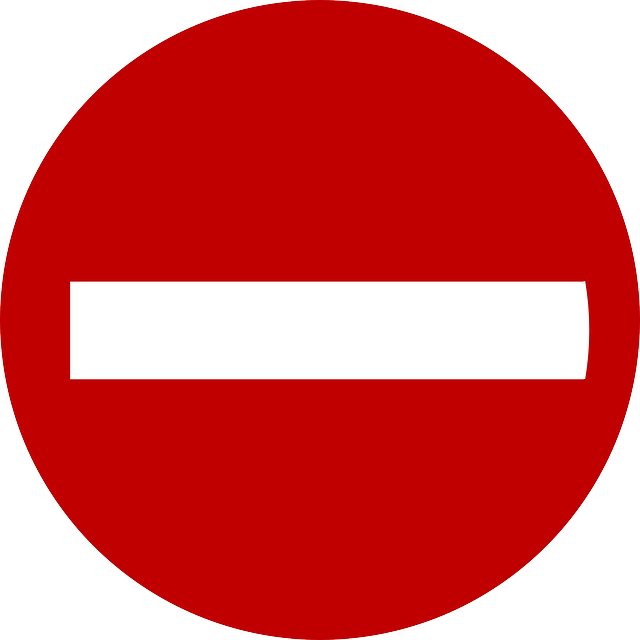
Indicates you have entered an exit ramp or one-way street in the incorrect direction. Stop immediately and safely turn around.
This red and white sign means:
A) drivers may not enter the road from their direction.
B) stop and proceed with caution.
C) the road ahead is closed to traffic in all directions.
6.
If the entrance lane is too short to allow acceleration to freeway speed, you should:
A) stop and wait for a large space in traffic.
B) enter the freeway and accelerate quickly.
C) reduce your speed to 15 MPH or less and blend with traffic.
7.
When parking your vehicle parallel to the curb on a level street:
A) One of your rear wheels must touch the curb.
B) Your wheels must be within 18 inches of the curb.
C) Your front wheels must be turned toward the street.
8.
Cargo extending more than four feet from your rear bumper:
A) is illegal under all circumstances.
B) does not legally have to be marked, but it is a good idea.
C) must be marked with a red flag or lights.
9.
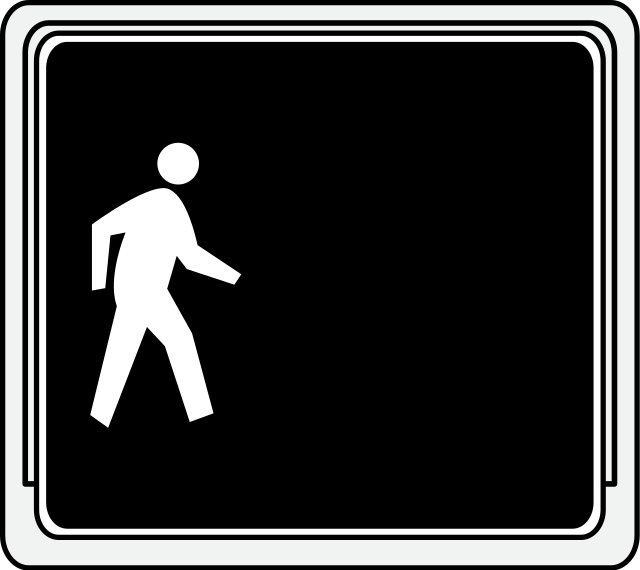
Illuminated white walking person indicates pedestrians have right-of-way to begin crossing the street in the designated crosswalk.
What does the pictured signal indicate?
A) A pedestrian may begin crossing the street.
B) Pedestrians may turn right.
C) A pedestrian may not not begin crossing the street.
10.
Speed limit signs are:
A) service signs
B) regulation signs (regulatory signs)
C) warning signs
11.
Pedestrians may be at risk walking near hybrid and electric vehicles because these vehicles:
A) are not subject to standard speed limits.
B) are generally faster than most other vehicles.
C) are virtually silent while operating.
12.
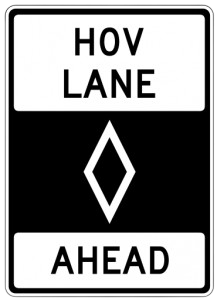
High-Occupancy Vehicle (HOV) diamond lane ahead. Only vehicles carrying the minimum required number of passengers (usually 2 or more) may use this lane.
This road sign indicates that:
A) a lane is reserved for certain purposes or certain vehicles.
B) buses and car pools may not travel in the restricted lane.
C) vehicles cannot go straight ahead. Cars must turn either to the right or left.
13.
Never make a U-turn:
A) in front of a fire station.
B) on a railroad crossing.
C) All of the above.
14.
Which of the following is NOT true about ABS?
A) It improves the vehicle stability.
B) It helps increase your stopping distance.
C) It improves the steering ability.
15.
Highways are typically most slippery:
A) after it has been raining for a long time.
B) during a heavy rainstorm in the middle of the summer.
C) when it first starts to rain after a dry spell.
16.
Green and white signs:
A) give information about directions and distances.
B) are mainly used at intersections and driveways.
C) warn drivers of unexpected road conditions.
17.
You must look for bicycle riders in the same lane used by motor vehicles because they:
A) illegally share lanes with motor vehicles.
B) must ride facing oncoming traffic.
C) are entitled to share the road with you.
18.
A large truck is ahead of you and is turning right onto a street with two lanes in each direction. The truck:
A) May have to swing wide to complete the right turn.
B) May complete its turn in either of the two lanes.
C) Must stay in the right lane at all times while turning.
19.
Slowing down just to look at collisions or anything else out of ordinary:
A) causes traffic congestion.
B) improves traffic flow.
C) helps prevent rear-end collisions.
20.
What should you do if your vision through the windshield becomes blocked?
A) Pull your vehicle off the road and park it.
B) Turn on your emergency lights.
C) Open the side window so you can see.
D) All of the above.
21.
If five or more vehicles are following you on a narrow two-lane road:
A) drive into the turnout areas or lanes to let them pass.
B) move to the right side of your lane and drive slowly.
C) continue driving because you have the right-of-way.
22.
When approaching a highway-rail intersection, the first sign drivers see is usually:
A) an RXR round sign on a yellow background.
B) a stop sign.
C) a yield sign.
23.
Slower-moving vehicles must stay in the right-hand lane to allow faster traffic to pass safely on multi-lane highways.
This road sign is:
A) a speed reduction sign.
B) a warning sign.
C) a regulatory sign.
24.
What is the slow moving vehicle symbol?
A) A reflective yellow diamond
B) A reflective white triangle
C) A reflective orange triangle
25.
A green-painted curb means:
A) Park for a limited time.
B) Parking is permitted only for a disabled person.
C) Stop no longer than the time posted to load or unload passengers or freight.
26.
Weaving in and out of freeway lanes during heavy traffic:
A) improves traffic flow by creating space for others to merge.
B) increases fuel efficiency.
C) causes further traffic congestion by slowing down other vehicles.
27.
The roadway becomes particularly slippery during wet or rainy conditions. Reduce your speed, increase following distance, and avoid abrupt braking or steering.
This sign indicates:
A) Warning: drunk drivers.
B) Winding road. Drive with caution.
C) The road may be slippery when wet. Drive slowly.
28.
It is a good habit to signal continuously during the last 100 feet before you turn at an intersection:
A) unless your turn is protected by a green arrow.
B) even if you do not see any other vehicles around.
C) unless you are in a designated turn lane.
29.
One broken line indicates:
A) You can pass other vehicles and change lanes, if it is safe.
B) You can not pass other vehicles or go across the line.
C) You can change lanes, but only when traffic conditions or obstructions in the road make it necessary.
30.
If there are no sidewalks, pedestrians should:
A) walk in the direction of traffic.
B) walk facing oncoming traffic.
C) stop walking.
31.
You should use your horn when:
A) it may help prevent a collision.
B) another driver makes a mistake.
C) another vehicle is in your way.
32.
It is illegal for a person under age 21 to drive with a blood alcohol concentration (BAC) that is _______ or higher.
A) 0.8%
B) 0.01%
C) 0.08%
33.
You are driving 55 MPH in the far left (fast) lane of a freeway posted for 65 MPH. You could be cited for driving too slowly:
A) Under no circumstances because it is always safer to drive slower than other traffic.
B) If you block the normal and reasonable flow of traffic.
C) If the road or weather conditions warrant driving this slowly.
34.
When you are in a dedicated turn lane controlled by a green arrow, which of the following is true?
A) All oncoming vehicles and pedestrians are stopped by red lights.
B) All vehicles or pedestrians in the intersection must yield to you.
C) You may turn in the arrow’s direction without checking traffic.
35.
You are being crowded by a tailgater. What should do?
A) Increase your speed to prevent being hit from behind by the tailgater!
B) Brake suddenly and merge into another lane.
C) Allow extra room ahead, do not brake suddenly.
36.
The road ahead is divided by a median strip or physical barrier into two separate one-way roadways. Keep to the right of the divider.
This sign means:
A) Divided highway ahead.
B) Divided highway ends.
C) Drivers will soon be on a roadway with two-way traffic.
ANSWER KEY Check answers after completing the test.
1 B
2 C
3 C
4 A
5 A
6 A
7 B
8 C
9 A
10 B
11 C
12 A
13 C
14 B
15 C
16 A
17 C
18 A
19 A
20 D
21 A
22 A
23 C
24 C
25 A
26 C
27 C
28 B
29 A
30 B
31 A
32 B
33 B
34 A
35 C
36 A