Question 1:
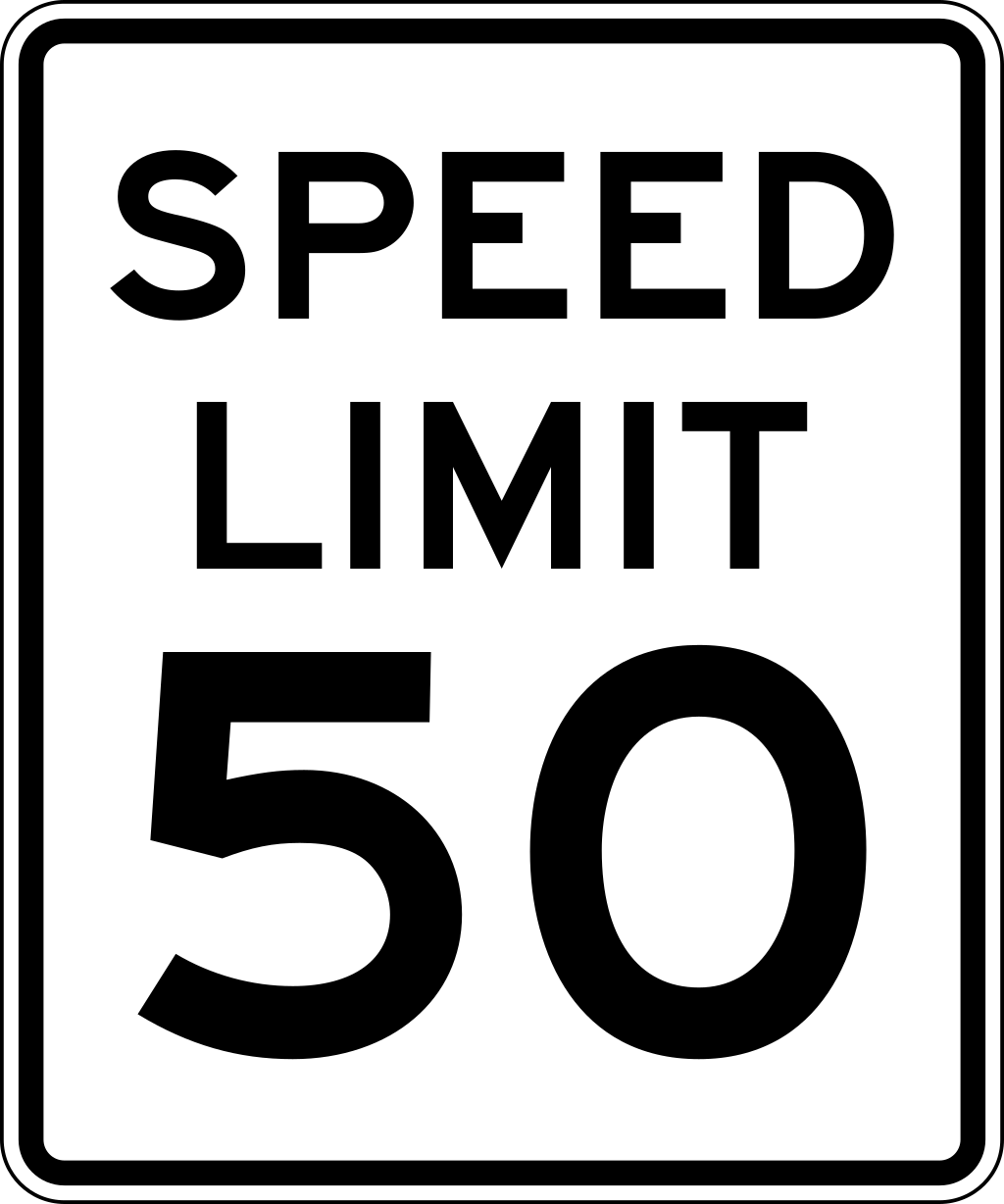 This sign indicates the _______________ vehicles can safely travel in this area.
A
suggested speed
B
maximum speed
C
minimum speed
Answer Explanation
This traffic sign indicates: maximum speed. Observing and obeying all roadway signs ensures safe traffic flow and legal driving.
This traffic sign indicates: maximum speed. Observing and obeying all roadway signs ensures safe traffic flow and legal driving.
Question 2:
A thumping sound can be a warning:
A
that a tire blowout is about to occur.
B
of a steering failure.
C
of a brake failure.
Answer Explanation
The correct driving rule is: that a tire blowout is about to occur. Following standard DMV road rules and practicing defensive driving ensures safety for all road users.
The correct driving rule is: that a tire blowout is about to occur. Following standard DMV road rules and practicing defensive driving ensures safety for all road users.
Question 3:
 This traffic sign warns you about:
A
merging traffic.
B
a hill or a downgrade up ahead on the road.
C
an intersection ahead.
D
a winding road.
Answer Explanation
This traffic sign indicates: a hill or a downgrade up ahead on the road. Observing and obeying all roadway signs ensures safe traffic flow and legal driving.
This traffic sign indicates: a hill or a downgrade up ahead on the road. Observing and obeying all roadway signs ensures safe traffic flow and legal driving.
Question 4:
When they see a crossbuck sign, drivers:
A
must slow down and wait for the red lights to flash.
B
must always come to a complete stop.
C
are legally required to yield the right of way to trains.
Answer Explanation
The correct driving rule is: are legally required to yield the right of way to trains. Following standard DMV road rules and practicing defensive driving ensures safety for all road users.
The correct driving rule is: are legally required to yield the right of way to trains. Following standard DMV road rules and practicing defensive driving ensures safety for all road users.
Question 5:
 This sign indicates:
A
the maximum width of a vehicle allowed on the highway.
B
the maximum legal height allowed in this State.
C
the overpass ahead has a low clearance.
D
a steep grade
Answer Explanation
This traffic sign indicates: the overpass ahead has a low clearance. Observing and obeying all roadway signs ensures safe traffic flow and legal driving.
This traffic sign indicates: the overpass ahead has a low clearance. Observing and obeying all roadway signs ensures safe traffic flow and legal driving.
Question 6:
When getting ready to change lanes, you should:
A
check your rearview mirror.
B
quickly turn your head to check for other vehicles.
C
check your side view mirror.
D
All of the above.
Answer Explanation
All of the listed points are essential driving requirements: check your rearview mirror; quickly turn your head to check for other vehicles; check your side view mirror. Practicing each ensures compliance with DMV safety laws.
All of the listed points are essential driving requirements: check your rearview mirror; quickly turn your head to check for other vehicles; check your side view mirror. Practicing each ensures compliance with DMV safety laws.
Question 7:
When approaching a curve, remember to:
A
accelerate slightly before entering the curve.
B
drive at the posted speed limit throughout the curve.
C
slow down before entering the curve.
D
drive at the posted speed limit as you enter the curve, then slow down gradually.
Answer Explanation
The correct driving rule is: slow down before entering the curve. Following standard DMV road rules and practicing defensive driving ensures safety for all road users.
The correct driving rule is: slow down before entering the curve. Following standard DMV road rules and practicing defensive driving ensures safety for all road users.
Question 8:
Which statement about drinking alcohol and driving is true?
A
Alcohol affects judgement and coordination, which are needed to drive safely.
B
After drinking, a cold shower will sober you up.
C
If you are under the legal BAC limit, your driving is not affected.
Answer Explanation
Under state DUI and traffic safety laws: Alcohol affects judgement and coordination, which are needed to drive safely. Alcohol degrades judgment, slows reaction times, and distorts depth perception.
Under state DUI and traffic safety laws: Alcohol affects judgement and coordination, which are needed to drive safely. Alcohol degrades judgment, slows reaction times, and distorts depth perception.
Question 9:
Who is most at risk?
A
Drivers who are fatigued.
B
Drivers who are driving on long, boring roads.
C
All of the above.
Answer Explanation
All of the listed points are essential driving requirements: Drivers who are fatigued; Drivers who are driving on long, boring roads. Practicing each ensures compliance with DMV safety laws.
All of the listed points are essential driving requirements: Drivers who are fatigued; Drivers who are driving on long, boring roads. Practicing each ensures compliance with DMV safety laws.
Question 10:
 This road sign warns drivers that:
A
they are coming to a point where another traffic lane joins the one they are on.
B
a divided highway is ahead.
C
the one-way street or roadway is about to change to two-way traffic.
Answer Explanation
This traffic sign indicates: the one-way street or roadway is about to change to two-way traffic. Observing and obeying all roadway signs ensures safe traffic flow and legal driving.
This traffic sign indicates: the one-way street or roadway is about to change to two-way traffic. Observing and obeying all roadway signs ensures safe traffic flow and legal driving.
Question 11:
The amount of alcohol in the blood is measured by:
A
blood alcohol concentration (BAC).
B
Number of Drinks (NOC).
C
Amount of Alcohol Drunk (AAD).
Answer Explanation
Under state DUI and traffic safety laws: blood alcohol concentration (BAC). Alcohol degrades judgment, slows reaction times, and distorts depth perception.
Under state DUI and traffic safety laws: blood alcohol concentration (BAC). Alcohol degrades judgment, slows reaction times, and distorts depth perception.
Question 12:
If you stop at a railroad crossing with more than one track:
A
proceed with caution until you see a train.
B
go through when one of the tracks is free.
C
go through as soon as the first train passes.
D
wait until you have a clear view of both tracks.
Answer Explanation
The correct driving rule is: wait until you have a clear view of both tracks. Following standard DMV road rules and practicing defensive driving ensures safety for all road users.
The correct driving rule is: wait until you have a clear view of both tracks. Following standard DMV road rules and practicing defensive driving ensures safety for all road users.
Question 13:
When driving in work zones you should:
A
gradually come to a complete stop and wait for a flagger to guide traffic safely through the work zone.
B
tailgate the vehicle ahead.
C
carefully watch for workers and moving equipment.
Answer Explanation
The correct driving rule is: carefully watch for workers and moving equipment. Following standard DMV road rules and practicing defensive driving ensures safety for all road users.
The correct driving rule is: carefully watch for workers and moving equipment. Following standard DMV road rules and practicing defensive driving ensures safety for all road users.
Question 14:
Your driving ability can be affected by:
A
just one drink.
B
three drinks or more.
C
at least two drinks.
Answer Explanation
The correct driving rule is: just one drink. Following standard DMV road rules and practicing defensive driving ensures safety for all road users.
The correct driving rule is: just one drink. Following standard DMV road rules and practicing defensive driving ensures safety for all road users.
Question 15:
 This sign indicates:
A
Warning: drunk drivers.
B
Winding road. Drive with caution.
C
The road may be slippery when wet. Drive slowly.
Answer Explanation
This traffic sign indicates: The road may be slippery when wet. Drive slowly. Observing and obeying all roadway signs ensures safe traffic flow and legal driving.
This traffic sign indicates: The road may be slippery when wet. Drive slowly. Observing and obeying all roadway signs ensures safe traffic flow and legal driving.
Question 16:
Roads are most slippery:
A
just before it rains.
B
when it stops raining.
C
when it first starts to rain.
Answer Explanation
For safe speed and stopping control: when it first starts to rain. Adjusting speed to match visibility and road traction prevents loss of steering grip.
For safe speed and stopping control: when it first starts to rain. Adjusting speed to match visibility and road traction prevents loss of steering grip.
Question 17:
 The picture shows:
A
a railroad advance warning sign.
B
a speeding fines doubled sign.
C
a reversible road sign.
Answer Explanation
The correct driving rule is: a railroad advance warning sign. Following standard DMV road rules and practicing defensive driving ensures safety for all road users.
The correct driving rule is: a railroad advance warning sign. Following standard DMV road rules and practicing defensive driving ensures safety for all road users.
Question 18:
This sign is a warning that you are approaching:
A
a railroad crossing.
B
a crosswalk.
C
a dead-end street.
Answer Explanation
Circular signs with an 'X' and 'RR' designate a Railroad Advance Warning: a railroad crossing. Drivers must slow down, look both ways, listen for trains, and be prepared to stop.
Circular signs with an 'X' and 'RR' designate a Railroad Advance Warning: a railroad crossing. Drivers must slow down, look both ways, listen for trains, and be prepared to stop.
Question 19:
What is the meaning of orange traffic signs?
A
Yield.
B
Warning of school, pedestrian, and bicycling activity.
C
Construction and maintenance warning.
Answer Explanation
The correct driving rule is: Construction and maintenance warning. Following standard DMV road rules and practicing defensive driving ensures safety for all road users.
The correct driving rule is: Construction and maintenance warning. Following standard DMV road rules and practicing defensive driving ensures safety for all road users.
Question 20:
 This road sign means:
A
Crossroad
B
Hospital parking ahead
C
Merge
Answer Explanation
This traffic sign indicates: Crossroad. Observing and obeying all roadway signs ensures safe traffic flow and legal driving.
This traffic sign indicates: Crossroad. Observing and obeying all roadway signs ensures safe traffic flow and legal driving.
Question 21:
 This sign warns drivers that:
A
the road will make a sharp turn to the right.
B
right turns are not allowed.
C
another road enters the highway from the direction shown.
Answer Explanation
This traffic sign indicates: the road will make a sharp turn to the right. Observing and obeying all roadway signs ensures safe traffic flow and legal driving.
This traffic sign indicates: the road will make a sharp turn to the right. Observing and obeying all roadway signs ensures safe traffic flow and legal driving.
Question 22:
 The yield sign means:
A
Go. The light will soon be red.
B
If the way is clear, you may move forward slowly without stopping.
C
Stop if you can.
Answer Explanation
A triangular Yield sign requires drivers to slow down and give right-of-way to other traffic: If the way is clear, you may move forward slowly without stopping. Proceed only when there is a safe opening.
A triangular Yield sign requires drivers to slow down and give right-of-way to other traffic: If the way is clear, you may move forward slowly without stopping. Proceed only when there is a safe opening.
Question 23:
 This road sign means:
A
Lane shifting
B
Merging traffic
C
Do not block intersection
Answer Explanation
This traffic sign indicates: Merging traffic. Observing and obeying all roadway signs ensures safe traffic flow and legal driving.
This traffic sign indicates: Merging traffic. Observing and obeying all roadway signs ensures safe traffic flow and legal driving.
Question 24:
Which of the following must you obey over the others?
A
A flashing red light.
B
A stop sign.
C
A steady red light.
D
A police officer.
Answer Explanation
The correct driving rule is: A police officer. Following standard DMV road rules and practicing defensive driving ensures safety for all road users.
The correct driving rule is: A police officer. Following standard DMV road rules and practicing defensive driving ensures safety for all road users.
Question 25:
When driving on gravel roads:
A
your tires do not have as much traction.
B
you should use cruise control to increase traction.
C
you should keep your eyes moving.
Answer Explanation
The correct driving rule is: your tires do not have as much traction. Following standard DMV road rules and practicing defensive driving ensures safety for all road users.
The correct driving rule is: your tires do not have as much traction. Following standard DMV road rules and practicing defensive driving ensures safety for all road users.
Question 26:
When following motorcycles, drivers should:
A
reduce the minimum following distance.
B
try to pass them as they have different braking capabilities than other motor vehicles.
C
keep more space in front of their vehicle.
Answer Explanation
The correct driving rule is: keep more space in front of their vehicle. Following standard DMV road rules and practicing defensive driving ensures safety for all road users.
The correct driving rule is: keep more space in front of their vehicle. Following standard DMV road rules and practicing defensive driving ensures safety for all road users.
Question 27:
Pentagonal signs are used to indicate:
A
possible hazards on roadways.
B
no passing zones.
C
school crossings.
Answer Explanation
The correct driving rule is: school crossings. Following standard DMV road rules and practicing defensive driving ensures safety for all road users.
The correct driving rule is: school crossings. Following standard DMV road rules and practicing defensive driving ensures safety for all road users.
Question 28:
What should drivers do when they see this road sign?
A
come to a complete stop and wait for a train to cross.
B
slow down, look for a train, and be prepared to stop.
C
look for a human flagger.
Answer Explanation
This traffic sign indicates: slow down, look for a train, and be prepared to stop. Observing and obeying all roadway signs ensures safe traffic flow and legal driving.
This traffic sign indicates: slow down, look for a train, and be prepared to stop. Observing and obeying all roadway signs ensures safe traffic flow and legal driving.
Question 29:
Which statement about blind spots is true?
A
Before changing lanes, you should check mirrors and look over your shoulder toward the rear.
B
Large trucks have smaller blind spots than most passenger vehicles.
C
If traffic conditions permit you should cruise in blind spot of the vehicle ahead.
Answer Explanation
The correct driving rule is: Before changing lanes, you should check mirrors and look over your shoulder toward the rear. Following standard DMV road rules and practicing defensive driving ensures safety for all road users.
The correct driving rule is: Before changing lanes, you should check mirrors and look over your shoulder toward the rear. Following standard DMV road rules and practicing defensive driving ensures safety for all road users.
Question 30:
 The driver is about to:
A
turn right.
B
turn left.
C
stop.
Answer Explanation
The correct driving rule is: turn left. Following standard DMV road rules and practicing defensive driving ensures safety for all road users.
The correct driving rule is: turn left. Following standard DMV road rules and practicing defensive driving ensures safety for all road users.
Question 31:
This sign means:
A
Railroad crossing
B
No Passing Zone
C
The road ends ahead
Answer Explanation
Circular signs with an 'X' and 'RR' designate a Railroad Advance Warning: Railroad crossing. Drivers must slow down, look both ways, listen for trains, and be prepared to stop.
Circular signs with an 'X' and 'RR' designate a Railroad Advance Warning: Railroad crossing. Drivers must slow down, look both ways, listen for trains, and be prepared to stop.
Question 32:
One broken line indicates:
A
You can pass other vehicles and change lanes, if it is safe.
B
You can not pass other vehicles or go across the line.
C
You can change lanes, but only when traffic conditions or obstructions in the road make it necessary.
Answer Explanation
The correct driving rule is: you can pass other vehicles and change lanes, if it is safe. Following standard DMV road rules and practicing defensive driving ensures safety for all road users.
The correct driving rule is: you can pass other vehicles and change lanes, if it is safe. Following standard DMV road rules and practicing defensive driving ensures safety for all road users.
Question 33:
When driving behind a motorcycle:
A
allow a following distance of at least 4 motorcycle lengths.
B
allow a following distance of at least 2 car lengths.
C
allow at least 2 seconds of following distance.
D
allow at least 4 seconds of following distance.
Answer Explanation
Motorcycles can stop rapidly and are easily hidden in vehicle blind spots: allow at least 4 seconds of following distance. Always allow an increased following distance of at least 3 to 4 seconds.
Motorcycles can stop rapidly and are easily hidden in vehicle blind spots: allow at least 4 seconds of following distance. Always allow an increased following distance of at least 3 to 4 seconds.
Question 34:
This sign indicates:
A
Winding road
B
Merging traffic
C
Divided highway ends
Answer Explanation
This traffic sign indicates: Merging traffic. Observing and obeying all roadway signs ensures safe traffic flow and legal driving.
This traffic sign indicates: Merging traffic. Observing and obeying all roadway signs ensures safe traffic flow and legal driving.
Question 35:
Blind spots are:
A
Dangerous intersection where the maximum speed limit is 15 MPH or less.
B
At night, the darkest areas of a road, where emergency flashers should be used.
C
Areas to the side or rear of a vehicle that the driver cannot see with use of mirrors.
Answer Explanation
The correct driving rule is: Areas to the side or rear of a vehicle that the driver cannot see with use of mirrors. Following standard DMV road rules and practicing defensive driving ensures safety for all road users.
The correct driving rule is: Areas to the side or rear of a vehicle that the driver cannot see with use of mirrors. Following standard DMV road rules and practicing defensive driving ensures safety for all road users.