Question 1:
 This road sign is:
A
a speed reduction sign.
B
a warning sign.
C
a regulatory sign.
This traffic sign indicates: a regulatory sign. Observing and obeying all roadway signs ensures safe traffic flow and legal driving.
Question 2:
 This road sign means:
A
All traffic must turn right
B
Two one-way roads merge ahead
C
A side road enters ahead
D
No right turn
This traffic sign indicates: A side road enters ahead. Observing and obeying all roadway signs ensures safe traffic flow and legal driving.
Question 3:
Never make a U-turn from:
A
the lane you’re in.
B
the right lane.
C
the left part of the lane nearest to the centerline of the roadway.
According to standard right-of-way regulations: the right lane. Yielding appropriately prevents intersection collisions and maintains safe traffic flow.
Question 4:
If you stop along the road at night:
A
turn on your emergency flashers and leave your low beams on.
B
turn off your emergency lights and leave your high beams on.
C
turn on your headlights only.
D
turn off all your lights.
The correct driving rule is: turn on your emergency flashers and leave your low beams on. Following standard DMV road rules and practicing defensive driving ensures safety for all road users.
Question 5:
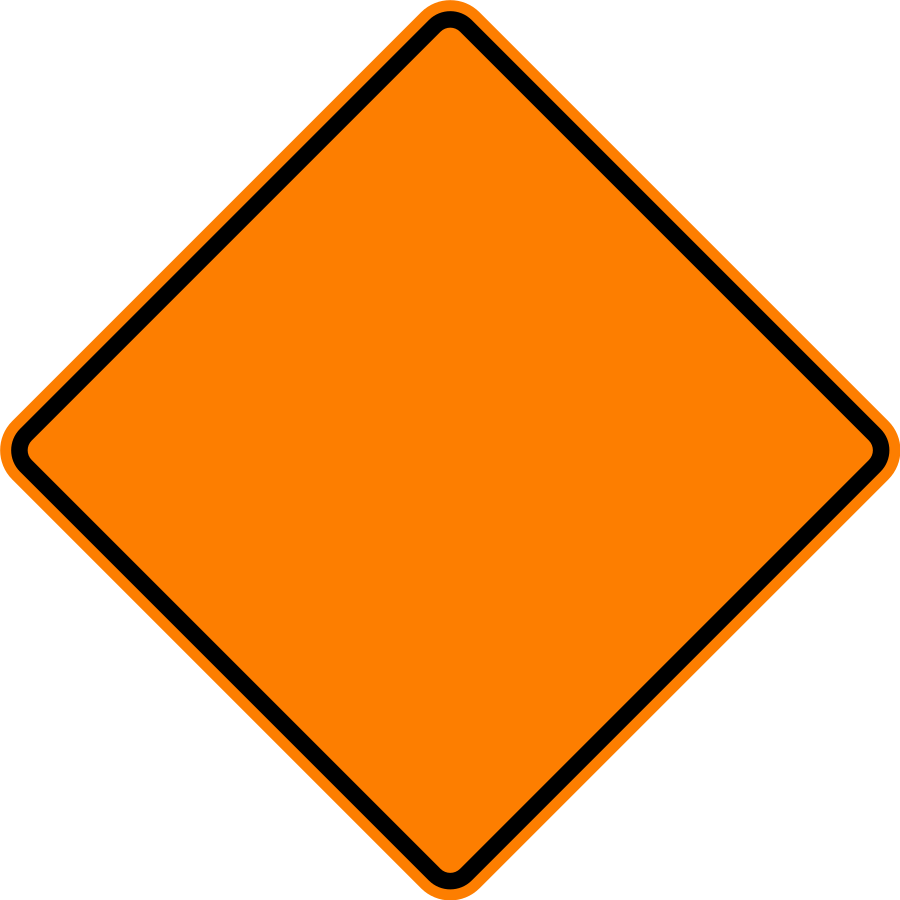 This road sign means:
A
Road construction ahead
B
Stop ahead
C
Do not enter
This traffic sign indicates: Road construction ahead. Observing and obeying all roadway signs ensures safe traffic flow and legal driving.
Question 6:
You should never depend on your mirrors when you prepare to change lanes. Why?
A
You should look over your shoulder instead.
B
Mirrors are useless.
C
Mirrors need to be adjusted.
D
Mirrors leave 'blind spots' behind both sides of vehicles.
The correct driving rule is: Mirrors leave 'blind spots' behind both sides of vehicles. Following standard DMV road rules and practicing defensive driving ensures safety for all road users.
Question 7:
What does it mean If an oncoming driver flashes headlights at you during a period of low visibility?
A
Your headlights are too bright. You should turn them off.
B
Your vehicle was difficult to see. You should turn on your headlights.
C
Your headlights are too bright. You should use parking lights instead.
The correct driving rule is: Your vehicle was difficult to see. You should turn on your headlights. Following standard DMV road rules and practicing defensive driving ensures safety for all road users.
Question 8:
 This road sign means:
A
No left turn
B
No U-turn
C
Detour ahead
This traffic sign indicates: No U-turn. Observing and obeying all roadway signs ensures safe traffic flow and legal driving.
Question 9:
Regulation signs normally are:
A
white triangles.
B
green rectangles.
C
white rectangles.
The correct driving rule is: white rectangles. Following standard DMV road rules and practicing defensive driving ensures safety for all road users.
Question 10:
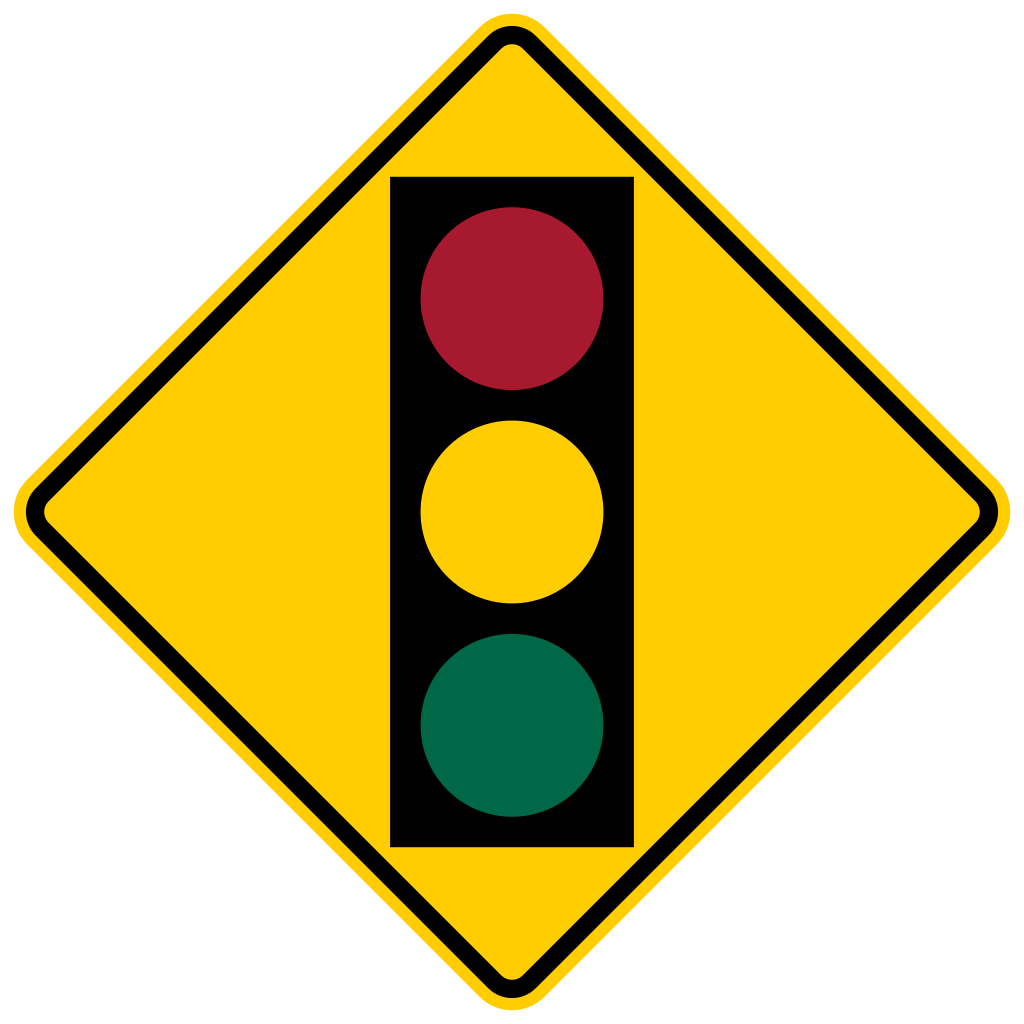 This sign means:
A
You must yield the right-of-way ahead
B
Traffic signals ahead
C
You must stop ahead
D
Speeding is not allowed
This traffic sign indicates: traffic signals ahead. Observing and obeying all roadway signs ensures safe traffic flow and legal driving.
Question 11:
 This road sign warns drivers that:
A
the road surface ahead changes to a low-type surface or earth road.
B
vehicles must leave the pavement immediately.
C
the dirt on the side of the road is soft.
This traffic sign indicates: the road surface ahead changes to a low-type surface or earth road. Observing and obeying all roadway signs ensures safe traffic flow and legal driving.
Question 12:
When changing lanes, drivers should never:
A
check to see if other drivers are moving into the same lane.
B
change lanes abruptly.
C
glance over their shoulder to check for blind spots.
The correct driving rule is: change lanes abruptly. Following standard DMV road rules and practicing defensive driving ensures safety for all road users.
Question 13:
Collisions can happen more often when:
A
one lane of traffic is traveling faster than the others.
B
one vehicle is traveling faster than the flow of traffic.
C
all vehicles are traveling at the posted speed limit.
The correct driving rule is: one vehicle is traveling faster than the flow of traffic. Following standard DMV road rules and practicing defensive driving ensures safety for all road users.
Question 14:
When you make a left turn from a one-way road into a two-way road, you must:
A
enter the two-way road to the left of its center line.
B
make a U-turn into the two-way road.
C
enter the two-way road to the right of its center line.
The correct driving rule is: enter the two-way road to the right of its center line. Following standard DMV road rules and practicing defensive driving ensures safety for all road users.
Question 15:
From top to bottom, traffic lights are:
A
green, red and yellow.
B
green, yellow and red.
C
red, yellow and green.
The correct driving rule is: red, yellow and green. Following standard DMV road rules and practicing defensive driving ensures safety for all road users.
Question 16:
 This sign is used to warn drivers about:
A
road construction.
B
changes in traffic lanes.
C
curves ahead.
D
drowsy driving.
This traffic sign indicates: curves ahead. Observing and obeying all roadway signs ensures safe traffic flow and legal driving.
Question 17:
The amount of space you need to cross traffic depends on the:
A
road and weather conditions and oncoming traffic.
B
number of cars behind you.
C
presence of a yield sign.
D
number of cars in front of you.
The correct driving rule is: road and weather conditions and oncoming traffic. Following standard DMV road rules and practicing defensive driving ensures safety for all road users.
Question 18:
A driver should be extra alert for motorcyclists, bicycles and pedestrians. Why?
A
They obey specific traffic laws.
B
They always have the right-of-way.
C
They are hard to see in traffic.
D
They don’t have rearview mirrors.
The correct driving rule is: they are hard to see in traffic. Following standard DMV road rules and practicing defensive driving ensures safety for all road users.
Question 19:
If a tire suddenly blows out while you are driving, you should:
A
apply the brakes firmly.
B
slow down gradually and brake lightly.
C
pump the brakes rapidly.
The correct driving rule is: slow down gradually and brake lightly. Following standard DMV road rules and practicing defensive driving ensures safety for all road users.
Question 20:
While inside the roundabout, you should:
A
remain in your lane until you are ready to exit.
B
change lanes before you check for vehicles behind you.
C
use your left turn signal if you are in position to exit now.
Vehicles entering a roundabout must yield right-of-way to circulating traffic already inside: remain in your lane until you are ready to exit. Wait for a safe gap before entering.
Question 21:
 This yellow sign means:
A
Lane ends ahead
B
Undivided highway ahead
C
Merging traffic ahead
This traffic sign indicates: Merging traffic ahead. Observing and obeying all roadway signs ensures safe traffic flow and legal driving.
Question 22:
Driver distractions include:
A
Avoiding unnecessary lane changes.
B
Slowing down to look at crash scene.
C
turning your headlights on when rain and fog make it hard to see.
The correct driving rule is: Slowing down to look at crash scene. Following standard DMV road rules and practicing defensive driving ensures safety for all road users.
Question 23:
If a traffic officer signals you to drive through a red light:
A
you must do it.
B
you must wait for the red light to turn green.
C
you must not obey the officer. Signs and signals take precedence over directions given by traffic officers.
According to standard right-of-way regulations: you must do it. Yielding appropriately prevents intersection collisions and maintains safe traffic flow.
Question 24:
 This road sign means:
A
No right turn
B
No left turn
C
Narrow Bridge
D
Steep downgrade
This traffic sign indicates: Steep downgrade. Observing and obeying all roadway signs ensures safe traffic flow and legal driving.
Question 25:
If your car becomes disabled on a highway, you should:
A
stop in the right lane.
B
park with all four wheels off the highway, if possible.
C
stop where you are.
Defensive driving guidelines state that: park with all four wheels off the highway, if possible. Anticipating road hazards and communicating maneuvers keeps traffic predictable and safe.
Question 26:
If you are pulled over by law enforcement, you should:
A
stay in the driver’s seat with both hands clearly in sight on the steering wheel.
B
unbuckle your seat belt and lower your window.
C
get out of your vehicle and walk toward the patrol car.
D
turn off on your interior light if stopped at night.
The correct driving rule is: stay in the driver’s seat with both hands clearly in sight on the steering wheel. Following standard DMV road rules and practicing defensive driving ensures safety for all road users.
Question 27:
Doing all you can to prevent crashes is called:
A
Anti-Collision Driving
B
Crash-Prevention Driving
C
Defensive Driving
D
ABS Driving
The correct driving rule is: Defensive Driving. Following standard DMV road rules and practicing defensive driving ensures safety for all road users.
Question 28:
A steady green light at intersections means:
A
You may drive through the intersection if the road is clear
B
You must increase your speed
C
You may not turn right
According to standard right-of-way regulations: you may drive through the intersection if the road is clear. Yielding appropriately prevents intersection collisions and maintains safe traffic flow.
Question 29:
When changing lanes, you should:
A
check your mirrors, signal and change lanes.
B
signal, change lanes and check your mirrors.
C
signal, check your mirrors and blind spot in the direction you plan to move, then change lanes.
D
signal and change lanes.
The correct driving rule is: signal, check your mirrors and blind spot in the direction you plan to move, then change lanes. Following standard DMV road rules and practicing defensive driving ensures safety for all road users.
Question 30:
Drivers should check their rearview mirrors:
A
often to see how traffic is moving behind them.
B
only when slowing down.
C
to see if a truck is in their blind spot.
The correct driving rule is: often to see how traffic is moving behind them. Following standard DMV road rules and practicing defensive driving ensures safety for all road users.
Question 31:
To drive defensively you should:
A
always put one car length between you and the car ahead.
B
keep your eyes moving to look for possible hazards.
C
look only at the car in front of you while driving.
The correct driving rule is: keep your eyes moving to look for possible hazards. Following standard DMV road rules and practicing defensive driving ensures safety for all road users.
Question 32:
How can you prevent fatigue on a long trip?
A
Plan to drive long trips with a companion.
B
Get enough sleep.
C
All of the above.
Alcohol and impairing substances degrade all critical driving functions: Plan to drive long trips with a companion; Get enough sleep. Driving while impaired carries severe criminal and safety penalties.
Question 33:
 This road sign means:
A
Yield the right-of-way to oncoming vehicles
B
Stop if necessary
C
You must make a complete stop
D
Slow down or stop
An octagonal Stop sign requires a full and complete stop before the stop line or crosswalk: you must make a complete stop. Proceed only after yielding to all cross traffic and pedestrians.
Question 34:
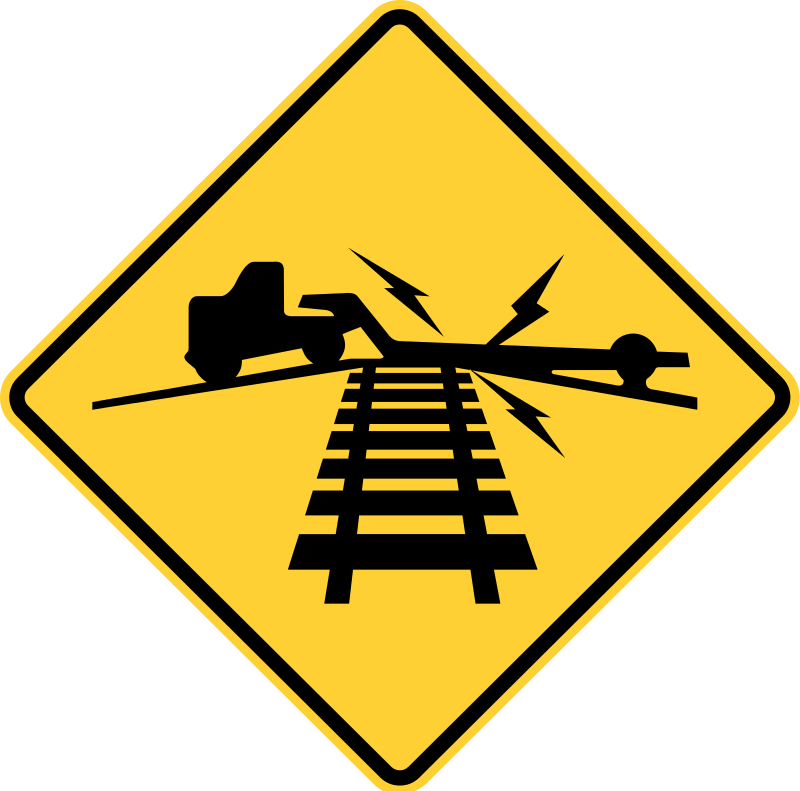 This road sign means:
A
Winding road ahead
B
Pedestrian crossing
C
Low ground railroad crossing
D
No-passing zone
Circular signs with an 'X' and 'RR' designate a Railroad Advance Warning: Low ground railroad crossing. Drivers must slow down, look both ways, listen for trains, and be prepared to stop.
Question 35:
There are two traffic lanes in your direction. You are driving in the left lane and many vehicles are passing you on the right, and the driver behind you wishes to drive faster. You should:
A
stay in your lane and maintain your current speed.
B
drive onto the left shoulder to let the other driver pass.
C
move over into the right lane when safe to do so.
Defensive driving guidelines state that: move over into the right lane when safe to do so. Anticipating road hazards and communicating maneuvers keeps traffic predictable and safe.