Question 1:
Distractions that take your attention away from driving can be caused by ______ while driving.
A
changing the radio
B
eating or drinking
C
using your cell phone
D
All of the above.
Answer Explanation
All of the listed points are essential driving requirements: changing the radio; eating or drinking; using your cell phone. Practicing each ensures compliance with DMV safety laws.
All of the listed points are essential driving requirements: changing the radio; eating or drinking; using your cell phone. Practicing each ensures compliance with DMV safety laws.
Question 2:
________ is the only effective way to reduce your Blood Alcohol Content (BAC).
A
Time
B
Drinking coffee
C
Taking a cold shower
D
Eating food
Answer Explanation
Under state DUI and traffic safety laws: Time. Alcohol degrades judgment, slows reaction times, and distorts depth perception.
Under state DUI and traffic safety laws: Time. Alcohol degrades judgment, slows reaction times, and distorts depth perception.
Question 3:
Two drivers reach an uncontrolled intersection at the same time. Who has the right of way?
A
The driver on the left.
B
No one.
C
The driver on the right.
Answer Explanation
At an uncontrolled intersection or 4-way stop where vehicles arrive at the same time: The driver on the right. The driver on the left must always yield to the driver on the right.
At an uncontrolled intersection or 4-way stop where vehicles arrive at the same time: The driver on the right. The driver on the left must always yield to the driver on the right.
Question 4:
The effects of alcohol on driving include:
A
None of the above.
B
Improved coordination
C
Better reflexes
D
Improved judgement
Answer Explanation
Under state DUI and traffic safety laws: None of the above. Alcohol degrades judgment, slows reaction times, and distorts depth perception.
Under state DUI and traffic safety laws: None of the above. Alcohol degrades judgment, slows reaction times, and distorts depth perception.
Question 5:
 This road sign means:
A
Keep left
B
Divided highway begins
C
Lane ends
Answer Explanation
This traffic sign indicates: Divided highway begins. Observing and obeying all roadway signs ensures safe traffic flow and legal driving.
This traffic sign indicates: Divided highway begins. Observing and obeying all roadway signs ensures safe traffic flow and legal driving.
Question 6:
 This sign indicates:
A
A slow-moving vehicle
B
A no-passing zone
C
Yield
Answer Explanation
This traffic sign indicates: A slow-moving vehicle. Observing and obeying all roadway signs ensures safe traffic flow and legal driving.
This traffic sign indicates: A slow-moving vehicle. Observing and obeying all roadway signs ensures safe traffic flow and legal driving.
Question 7:
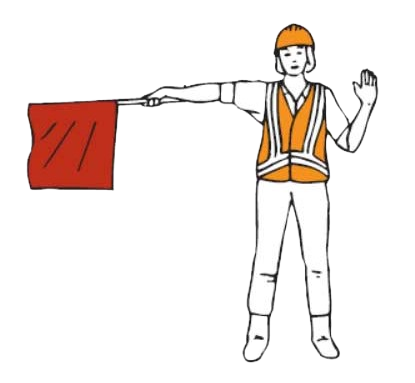 This signal means:
A
Stop
B
Move to the left
C
Slow down
D
Proceed
Answer Explanation
State laws require signaling your intention: stop. Signal at least 100 feet before making a turn or changing lanes.
State laws require signaling your intention: stop. Signal at least 100 feet before making a turn or changing lanes.
Question 8:
 This road sign means:
A
Do not pass trucks
B
Truck must back up
C
Steep downgrade ahead
Answer Explanation
This traffic sign indicates: Steep downgrade ahead. Observing and obeying all roadway signs ensures safe traffic flow and legal driving.
This traffic sign indicates: Steep downgrade ahead. Observing and obeying all roadway signs ensures safe traffic flow and legal driving.
Question 9:
When driving in travel lanes on the roadway:
A
you may make a U-turn if you get on the wrong entrance ramp of the freeway.
B
you may stop to let out passengers.
C
do not stop for any reason, keep moving until you can safely pull off the road.
D
you may make back up quickly if there are no vehicles behind.
Answer Explanation
The correct driving rule is: do not stop for any reason, keep moving until you can safely pull off the road. Following standard DMV road rules and practicing defensive driving ensures safety for all road users.
The correct driving rule is: do not stop for any reason, keep moving until you can safely pull off the road. Following standard DMV road rules and practicing defensive driving ensures safety for all road users.
Question 10:
 This sign tells drivers that:
A
left and right turns are not allowed.
B
a divided highway is ahead.
C
they cannot go straight ahead.
Answer Explanation
This traffic sign indicates: they cannot go straight ahead. Observing and obeying all roadway signs ensures safe traffic flow and legal driving.
This traffic sign indicates: they cannot go straight ahead. Observing and obeying all roadway signs ensures safe traffic flow and legal driving.
Question 11:
A red traffic sign means?
A
Do not enter.
B
Stop.
C
All of the above.
Answer Explanation
This sign alerts drivers to several mandatory requirements: Do not enter, Stop. Obeying all posted traffic control instructions is required by law.
This sign alerts drivers to several mandatory requirements: Do not enter, Stop. Obeying all posted traffic control instructions is required by law.
Question 12:
When a driver has their left arm and hand extended upward, the driver plans to:
A
go straight ahead.
B
turn right.
C
turn left.
D
come to a stop.
Answer Explanation
The correct driving rule is: turn right. Following standard DMV road rules and practicing defensive driving ensures safety for all road users.
The correct driving rule is: turn right. Following standard DMV road rules and practicing defensive driving ensures safety for all road users.
Question 13:
If traffic on the other side of an intersection is backed up and you cannot get completely through, you must:
A
enter the intersection and try to avoid blocking it.
B
enter the intersection and proceed with caution.
C
wait until traffic ahead is clear.
Answer Explanation
According to standard right-of-way regulations: wait until traffic ahead is clear. Yielding appropriately prevents intersection collisions and maintains safe traffic flow.
According to standard right-of-way regulations: wait until traffic ahead is clear. Yielding appropriately prevents intersection collisions and maintains safe traffic flow.
Question 14:
When driving in heavy rain, drivers should use:
A
parking lights.
B
low beam headlights.
C
high beam headlights.
Answer Explanation
For safe speed and stopping control: low beam headlights. Adjusting speed to match visibility and road traction prevents loss of steering grip.
For safe speed and stopping control: low beam headlights. Adjusting speed to match visibility and road traction prevents loss of steering grip.
Question 15:
Where are yield signs usually placed?
A
At intersections, if there is no marked stop line.
B
Where auxiliary roads lead into major roads.
C
Where major roads lead into auxiliary roads.
Answer Explanation
The correct driving rule is: Where auxiliary roads lead into major roads. Following standard DMV road rules and practicing defensive driving ensures safety for all road users.
The correct driving rule is: Where auxiliary roads lead into major roads. Following standard DMV road rules and practicing defensive driving ensures safety for all road users.
Question 16:
 This is the shape and color of a ________ sign.
A
yield
B
stop
C
do not enter
Answer Explanation
The correct driving rule is: yield. Following standard DMV road rules and practicing defensive driving ensures safety for all road users.
The correct driving rule is: yield. Following standard DMV road rules and practicing defensive driving ensures safety for all road users.
Question 17:
 This sign warns drivers that:
A
the road will make a sharp turn to the right.
B
right turns are not allowed.
C
another road enters the highway from the direction shown.
Answer Explanation
This traffic sign indicates: the road will make a sharp turn to the right. Observing and obeying all roadway signs ensures safe traffic flow and legal driving.
This traffic sign indicates: the road will make a sharp turn to the right. Observing and obeying all roadway signs ensures safe traffic flow and legal driving.
Question 18:
What should you do if your brakes fail?
A
Hook your shoe under the pedal and see if you can free it.
B
Turn on your cruise control.
C
Try pumping the brake pedal to increase pressure.
Answer Explanation
The correct driving rule is: Try pumping the brake pedal to increase pressure. Following standard DMV road rules and practicing defensive driving ensures safety for all road users.
The correct driving rule is: Try pumping the brake pedal to increase pressure. Following standard DMV road rules and practicing defensive driving ensures safety for all road users.
Question 19:
 This road sign means:
A
The left lane ends soon
B
one-way street ahead.
C
The right lane ends soon
D
Highway entrance ramp ahead
Answer Explanation
This traffic sign indicates: The right lane ends soon. Observing and obeying all roadway signs ensures safe traffic flow and legal driving.
This traffic sign indicates: The right lane ends soon. Observing and obeying all roadway signs ensures safe traffic flow and legal driving.
Question 20:
If you are angry, you should ________ before driving.
A
take a few minutes to cool off
B
listen to heavy-metal music
C
drink coffee
Answer Explanation
The correct driving rule is: take a few minutes to cool off. Following standard DMV road rules and practicing defensive driving ensures safety for all road users.
The correct driving rule is: take a few minutes to cool off. Following standard DMV road rules and practicing defensive driving ensures safety for all road users.
Question 21:
In a heavy rain, tires can ride on a thin film of water, without touching the road. This is called:
A
hydroplaning.
B
high-planing.
C
rainplaning.
D
waterplaning.
Answer Explanation
When hydroplaning on water: hydroplaning. Gently ease off the accelerator and hold the steering wheel straight without sudden braking.
When hydroplaning on water: hydroplaning. Gently ease off the accelerator and hold the steering wheel straight without sudden braking.
Question 22:
 A flashing yellow light:
A
warns drivers to proceed with caution.
B
is used at dangerous intersections.
C
All of the above.
Answer Explanation
Safe navigation at intersections requires following all established rules: warns drivers to proceed with caution; is used at dangerous intersections. Always yield right-of-way properly to prevent collisions.
Safe navigation at intersections requires following all established rules: warns drivers to proceed with caution; is used at dangerous intersections. Always yield right-of-way properly to prevent collisions.
Question 23:
Which shape is a railroad advance warning sign?
A
Crossbuck
B
Round
C
Pentagon
Answer Explanation
Circular signs with an 'X' and 'RR' designate a Railroad Advance Warning: Round. Drivers must slow down, look both ways, listen for trains, and be prepared to stop.
Circular signs with an 'X' and 'RR' designate a Railroad Advance Warning: Round. Drivers must slow down, look both ways, listen for trains, and be prepared to stop.
Question 24:
How can you prevent fatigue on a long trip?
A
Plan to drive long trips with a companion.
B
Get enough sleep.
C
All of the above.
Answer Explanation
Alcohol and impairing substances degrade all critical driving functions: Plan to drive long trips with a companion; Get enough sleep. Driving while impaired carries severe criminal and safety penalties.
Alcohol and impairing substances degrade all critical driving functions: Plan to drive long trips with a companion; Get enough sleep. Driving while impaired carries severe criminal and safety penalties.
Question 25:
If the entrance lane is too short to allow acceleration to highway speed, you should:
A
go to the next entrance ramp.
B
stop and wait for a large gap in traffic, then enter the highway and accelerate quickly.
C
merge into highway traffic as soon as possible.
Answer Explanation
For safe speed and stopping control: stop and wait for a large gap in traffic, then enter the highway and accelerate quickly. Adjusting speed to match visibility and road traction prevents loss of steering grip.
For safe speed and stopping control: stop and wait for a large gap in traffic, then enter the highway and accelerate quickly. Adjusting speed to match visibility and road traction prevents loss of steering grip.
Question 26:
When you change your residence address you must notify the county examiner of drivers:
A
in writing, within 10 days.
B
by phone, within 30 days.
C
in writing, within 30 days.
D
in person, within 15 days.
Answer Explanation
The correct driving rule is: in writing, within 30 days. Following standard DMV road rules and practicing defensive driving ensures safety for all road users.
The correct driving rule is: in writing, within 30 days. Following standard DMV road rules and practicing defensive driving ensures safety for all road users.
Question 27:
___________ are the most frequent fatality in work zone crashes.
A
Motorcyclists
B
Construction workers
C
Drivers and their passengers
D
Bicyclists
Answer Explanation
The correct driving rule is: drivers and their passengers. Following standard DMV road rules and practicing defensive driving ensures safety for all road users.
The correct driving rule is: drivers and their passengers. Following standard DMV road rules and practicing defensive driving ensures safety for all road users.
Question 28:
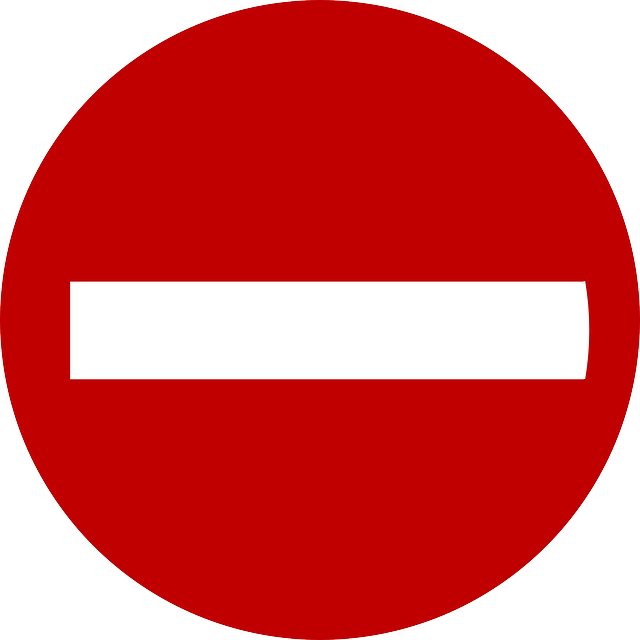 This road sign means:
A
No left turn
B
Lane ends
C
Do not enter
Answer Explanation
This traffic sign indicates: Do not enter. Observing and obeying all roadway signs ensures safe traffic flow and legal driving.
This traffic sign indicates: Do not enter. Observing and obeying all roadway signs ensures safe traffic flow and legal driving.
Question 29:
A yellow arrow used to control turns from a specific traffic lane:
A
is never used as a traffic signal.
B
is warning the traffic a green arrow is about to be shown.
C
means the same as a circular yellow light for the lane of traffic indicated by the arrow.
D
means that you may go in the direction indicated by the arrow.
Answer Explanation
The correct driving rule is: means the same as a circular yellow light for the lane of traffic indicated by the arrow. Following standard DMV road rules and practicing defensive driving ensures safety for all road users.
The correct driving rule is: means the same as a circular yellow light for the lane of traffic indicated by the arrow. Following standard DMV road rules and practicing defensive driving ensures safety for all road users.
Question 30:
What do flashing red lights on a school bus indicate?
A
The bus is stopped to load or discharge passengers.
B
Traffic that approaches from either direction may proceed.
C
The bus is about to stop.
Answer Explanation
When a school bus displays flashing red lights and extended stop sign: The bus is stopped to load or discharge passengers. Traffic in both directions must come to a full stop on undivided roads until children are clear.
When a school bus displays flashing red lights and extended stop sign: The bus is stopped to load or discharge passengers. Traffic in both directions must come to a full stop on undivided roads until children are clear.