Question 1:
If you meet a stopped school bus with the lights flashing and the signal arm extended, you should:
A
proceed at 15 MPH or less, if no children are present.
B
stop.
C
watch for children and proceed at normal speed.
When a school bus displays flashing red lights and extended stop sign: stop. Traffic in both directions must come to a full stop on undivided roads until children are clear.
Question 2:
Which of the following drugs could affect your ability to drive?
A
A cold remedy.
B
Marijuana.
C
All of the above.
Alcohol and impairing substances degrade all critical driving functions: A cold remedy; Marijuana. Driving while impaired carries severe criminal and safety penalties.
Question 3:
To drive defensively, you must:
A
avoid scanning the road ahead.
B
keep one hand on the steering wheel.
C
keep your eyes moving.
The correct driving rule is: keep your eyes moving. Following standard DMV road rules and practicing defensive driving ensures safety for all road users.
Question 4:
If you get on a wrong expressway exit, you must:
A
get off at the next exit and look for signs that tell you how to return to the expressway.
B
use the the exit ramp to accelerate to expressway speed and blend with traffic.
C
drive in reverse to return to the expressway.
Defensive driving guidelines state that: get off at the next exit and look for signs that tell you how to return to the expressway. Anticipating road hazards and communicating maneuvers keeps traffic predictable and safe.
Question 5:
Left turns on a red light are allowed:
A
from a one-way street into a one-way street.
B
Never.
C
at intersections, after stopping, if the way is clear.
When turning left across traffic lanes: from a one-way street into a one-way street. You must yield to all oncoming vehicles and crossing pedestrians before completing the turn.
Question 6:
If your car becomes disabled on a highway, you should:
A
stop in the right lane.
B
park with all four wheels off the highway, if possible.
C
stop where you are.
Defensive driving guidelines state that: park with all four wheels off the highway, if possible. Anticipating road hazards and communicating maneuvers keeps traffic predictable and safe.
Question 7:
Drivers should always be looking:
A
at the left lane.
B
beside, ahead and to the rear of the vehicle.
C
directly in front of the car.
The correct driving rule is: beside, ahead and to the rear of the vehicle. Following standard DMV road rules and practicing defensive driving ensures safety for all road users.
Question 8:
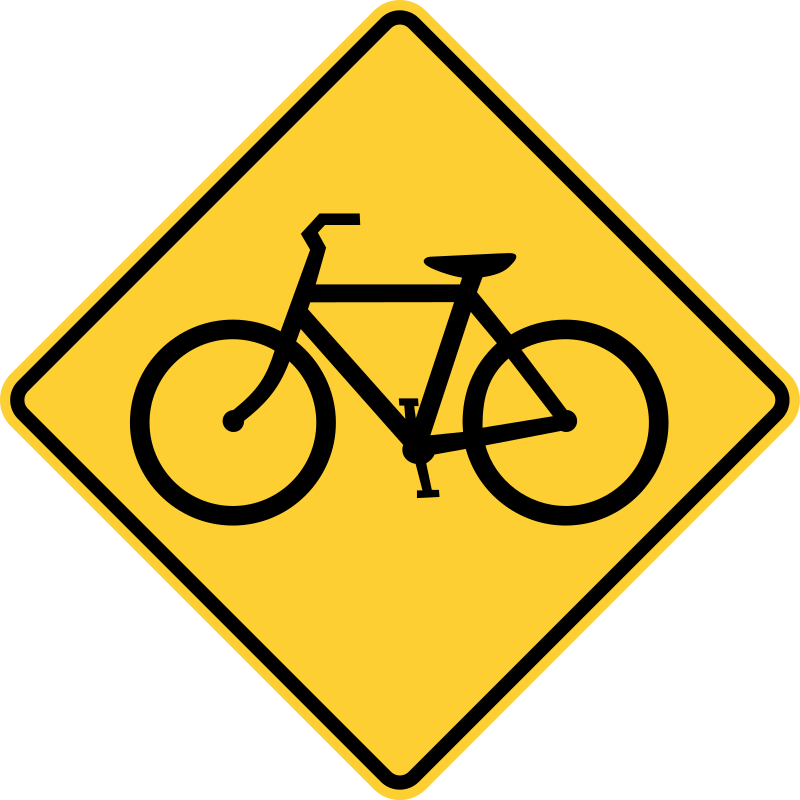 This road sign means:
A
Watch for bicycles
B
Bicycle parking ahead
C
Bicycles are not allowed in this area
This traffic sign indicates: watch for bicycles. Observing and obeying all roadway signs ensures safe traffic flow and legal driving.
Question 9:
Which sign has white letters on a red background?
A
Stop
B
School zone
C
Yield
The correct driving rule is: stop. Following standard DMV road rules and practicing defensive driving ensures safety for all road users.
Question 10:
The traffic light is green and you want to drive straight through an intersection. If a car is already in the intersection and is making a turn, you must:
A
enter the intersection and then stop.
B
drive through the intersection. You have the right-of-way.
C
let that car complete its turn before you enter the intersection.
According to standard right-of-way regulations: let that car complete its turn before you enter the intersection. Yielding appropriately prevents intersection collisions and maintains safe traffic flow.
Question 11:
Blind spots are:
A
Dangerous intersection where the maximum speed limit is 15 MPH or less.
B
At night, the darkest areas of a road, where emergency flashers should be used.
C
Areas to the side or rear of a vehicle that the driver cannot see with use of mirrors.
The correct driving rule is: Areas to the side or rear of a vehicle that the driver cannot see with use of mirrors. Following standard DMV road rules and practicing defensive driving ensures safety for all road users.
Question 12:
In work zones, barriers such as drums, panels and cones are used to:
A
reduce the flow of traffic.
B
keep traffic out of hazardous work zones.
C
keep workers out of the work zone.
The correct driving rule is: keep traffic out of hazardous work zones. Following standard DMV road rules and practicing defensive driving ensures safety for all road users.
Question 13:
Stopping distances:
A
are not affected by vehicle speed.
B
decrease as vehicle speed increases.
C
increase as vehicle speed increases.
The correct driving rule is: increase as vehicle speed increases. Following standard DMV road rules and practicing defensive driving ensures safety for all road users.
Question 14:
A curb painted red means:
A
No parking or stopping
B
Parking is for disabled persons with a special placard or plate.
C
Reserved for passengers pick up or drop off
Under standard parking and curb regulations: No parking or stopping. Following parking distance clearances keeps roadways unobstructed and emergency lanes accessible.
Question 15:
What is the meaning of orange traffic signs?
A
Yield.
B
Warning of school, pedestrian, and bicycling activity.
C
Construction and maintenance warning.
The correct driving rule is: Construction and maintenance warning. Following standard DMV road rules and practicing defensive driving ensures safety for all road users.
Question 16:
After passing a vehicle, it is safe to return to your lane:
A
when you can no longer see the vehicle over your right shoulder.
B
after about five seconds.
C
when you see the front bumper of the other vehicle in your mirror.
Defensive driving guidelines state that: when you see the front bumper of the other vehicle in your mirror. Anticipating road hazards and communicating maneuvers keeps traffic predictable and safe.
Question 17:
When driving at night, drivers should:
A
always use their high beams.
B
increase their following distance.
C
look directly into the oncoming headlights of approaching vehicles.
The correct driving rule is: increase their following distance. Following standard DMV road rules and practicing defensive driving ensures safety for all road users.
Question 18:
A steady green light at intersections means:
A
You may drive through the intersection if the road is clear
B
You must increase your speed
C
You may not turn right
According to standard right-of-way regulations: you may drive through the intersection if the road is clear. Yielding appropriately prevents intersection collisions and maintains safe traffic flow.
Question 19:
 The driver is about to:
A
turn right.
B
turn left.
C
stop.
The correct driving rule is: turn left. Following standard DMV road rules and practicing defensive driving ensures safety for all road users.
Question 20:
When changing lanes, you should remember that:
A
vehicles with two outside mirrors have no blind spots.
B
You only need to turn and look over your right shoulder for lane changes to the right or left.
C
you should look over your left shoulder for a left lane change and your right shoulder for a right lane change.
The correct driving rule is: you should look over your left shoulder for a left lane change and your right shoulder for a right lane change. Following standard DMV road rules and practicing defensive driving ensures safety for all road users.
Question 21:
Warning signs normally are:
A
rectangles.
B
triangles.
C
diamond-shaped.
The correct driving rule is: diamond-shaped. Following standard DMV road rules and practicing defensive driving ensures safety for all road users.
Question 22:
Driving at night is more dangerous because:
A
the road is more slippery.
B
your reaction time is slower.
C
you cannot see as far ahead at night.
The correct driving rule is: you cannot see as far ahead at night. Following standard DMV road rules and practicing defensive driving ensures safety for all road users.
Question 23:
You ________ traffic headed toward you when you turn left.
A
must not yield to
B
must interrupt
C
must yield to
According to standard right-of-way regulations: must yield to. Yielding appropriately prevents intersection collisions and maintains safe traffic flow.
Question 24:
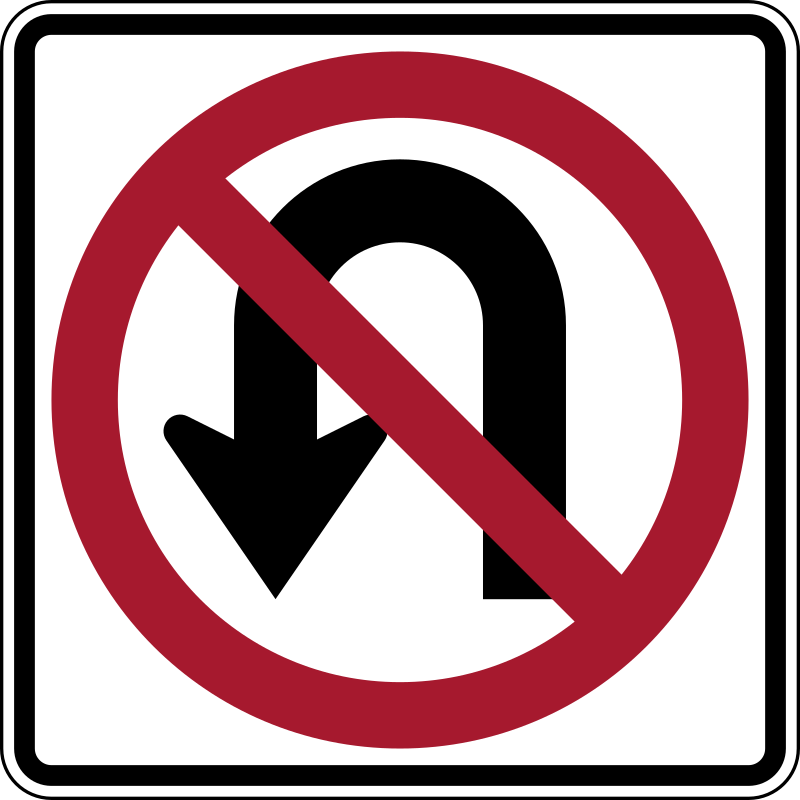 This road sign means:
A
No left turn
B
No U-turn
C
Detour ahead
This traffic sign indicates: No U-turn. Observing and obeying all roadway signs ensures safe traffic flow and legal driving.
Question 25:
If a vehicle is coming towards you at night with its high beams on, making it hard to see the road ahead, you should:
A
look straight ahead towards the middle of the lane.
B
look ahead towards the left edge of your lane.
C
look ahead towards the right edge of your lane.
The correct driving rule is: look ahead towards the right edge of your lane. Following standard DMV road rules and practicing defensive driving ensures safety for all road users.
Question 26:
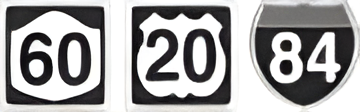 These are:
A
route signs.
B
miles-left signs.
C
speed limit signs.
The correct driving rule is: route signs. Following standard DMV road rules and practicing defensive driving ensures safety for all road users.
Question 27:
Aggressive driving includes:
A
quick lane changes without a signal.
B
chasing or challenging other drivers.
C
All of the above.
All of the listed points are essential driving requirements: quick lane changes without a signal; chasing or challenging other drivers. Practicing each ensures compliance with DMV safety laws.
Question 28:
A vehicle that enters a road from a driveway:
A
has the right-of-way.
B
must yield to traffic approaching from the right, while it has the right-of-way over vehicles approaching from the left.
C
must stop and yield the right-of-way to traffic on the roadway and to pedestrians.
The correct driving rule is: must stop and yield the right-of-way to traffic on the roadway and to pedestrians. Following standard DMV road rules and practicing defensive driving ensures safety for all road users.
Question 29:
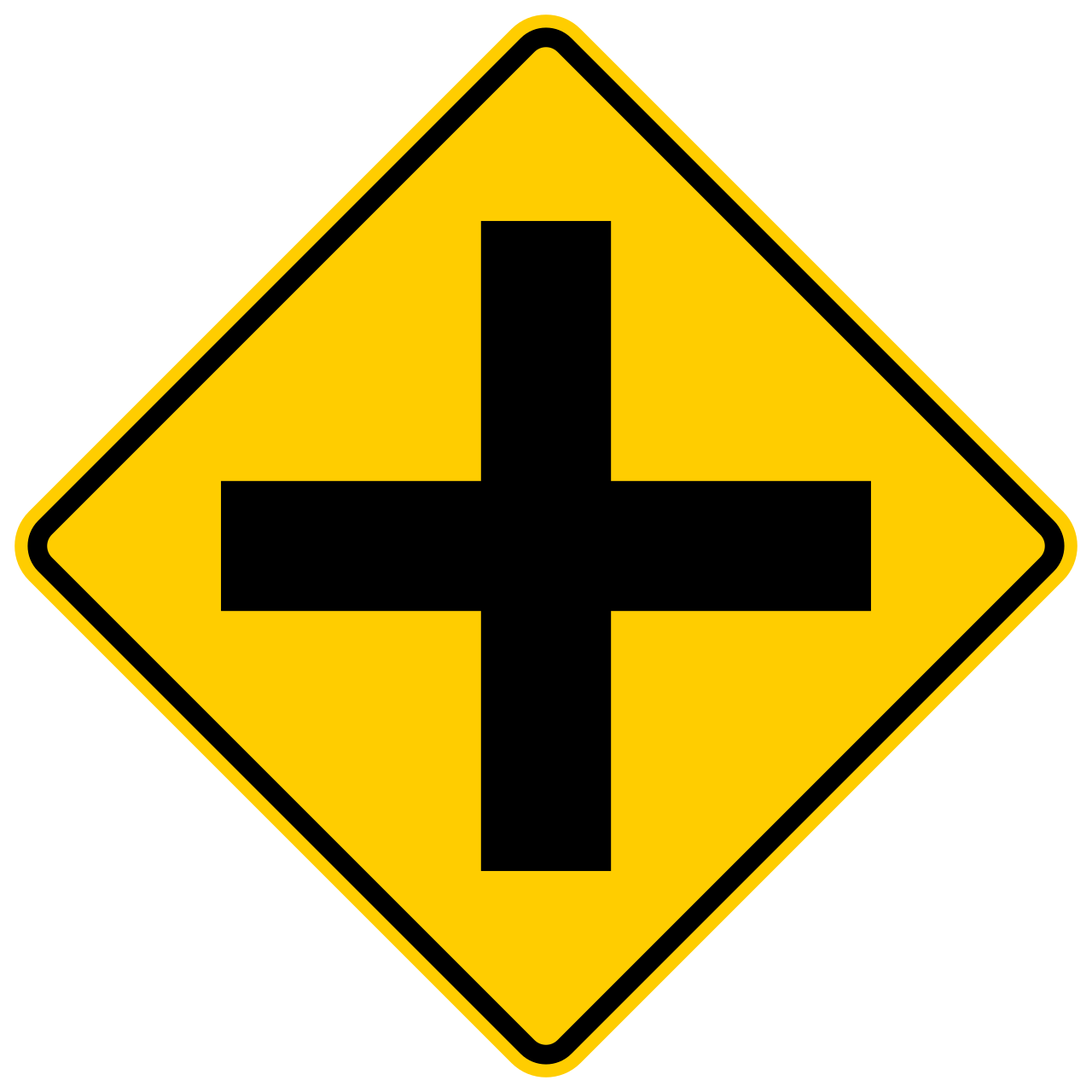 This road sign means:
A
A four-way intersection is ahead
B
Do not pass
C
A steep grade is ahead
This traffic sign indicates: A four-way intersection is ahead. Observing and obeying all roadway signs ensures safe traffic flow and legal driving.
Question 30:
If traffic on the other side of an intersection is backed up and you cannot get completely through, you must:
A
enter the intersection and try to avoid blocking it.
B
enter the intersection and proceed with caution.
C
wait until traffic ahead is clear.
According to standard right-of-way regulations: wait until traffic ahead is clear. Yielding appropriately prevents intersection collisions and maintains safe traffic flow.
Question 31:
When the road is slippery you should:
A
decrease the following distance.
B
slow and pro-ceed with caution.
C
check your brakes.
For safe speed and stopping control: slow and pro-ceed with caution. Adjusting speed to match visibility and road traction prevents loss of steering grip.
Question 32:
Some roadway surfaces are more slippery during certain times or at certain places. Which of the following is more likely to be slippery on cold, wet days?
A
Roundabouts and traffic circles.
B
Roads in shady areas.
C
Asphalt rather than concrete roads.
For safe speed and stopping control: Roads in shady areas. Adjusting speed to match visibility and road traction prevents loss of steering grip.
Question 33:
The road is the most slippery:
A
when it first starts to rain.
B
after it rains.
C
All of the above.
For safe speed and stopping control: when it first starts to rain. Adjusting speed to match visibility and road traction prevents loss of steering grip.
Question 34:
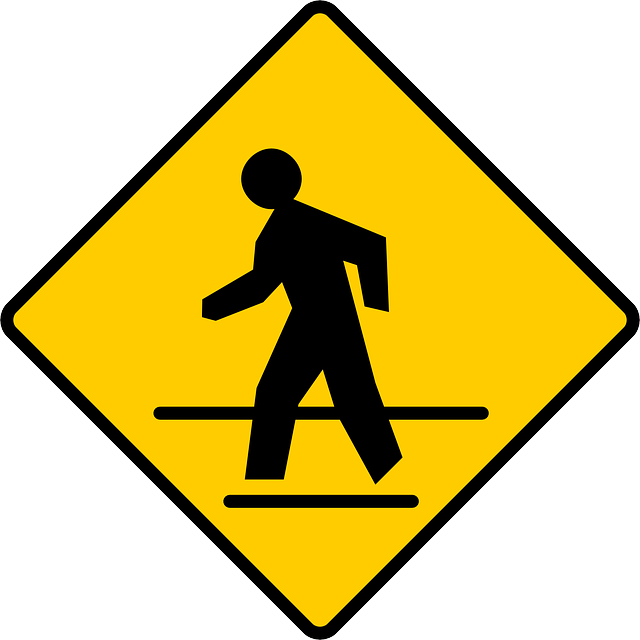 This road sign means:
A
School zone ahead
B
Pedestrians must not cross here
C
Pedestrian crossing ahead
This traffic sign indicates: Pedestrian crossing ahead. Observing and obeying all roadway signs ensures safe traffic flow and legal driving.
Question 35:
 This road sign means:
A
Right lane ends
B
Highway entrance ramp ahead
C
Left lane widens
This traffic sign indicates: Right lane ends. Observing and obeying all roadway signs ensures safe traffic flow and legal driving.
Question 36:
When you change lanes:
A
look over your shoulder in the direction you plan to move.
B
look into the rearview mirror.
C
look in the left side mirror.
The correct driving rule is: look over your shoulder in the direction you plan to move. Following standard DMV road rules and practicing defensive driving ensures safety for all road users.
Question 37:
Drivers should not sound their horn when:
A
near blind pedestrians.
B
visibility ahead is limited.
C
they may hit another vehicle.
The correct driving rule is: near blind pedestrians. Following standard DMV road rules and practicing defensive driving ensures safety for all road users.
Question 38:
In case of skidding, drivers should NOT:
A
take their foot off the gas pedal.
B
pump the brakes gently if they are about to hit something.
C
tap the gas pedal with their foot.
The correct driving rule is: tap the gas pedal with their foot. Following standard DMV road rules and practicing defensive driving ensures safety for all road users.
Question 39:
Who is most at risk?
A
Drivers who have overslept.
B
Drivers who are driving long distances without rest breaks.
C
Experienced drivers.
The correct driving rule is: drivers who are driving long distances without rest breaks. Following standard DMV road rules and practicing defensive driving ensures safety for all road users.
Question 40:
Which shape is a yield sign?
A
Vertical rectangle
B
Upside-down triangle
C
Diamond
The correct driving rule is: Upside-down triangle. Following standard DMV road rules and practicing defensive driving ensures safety for all road users.