 drivequiz.com
 Question 1
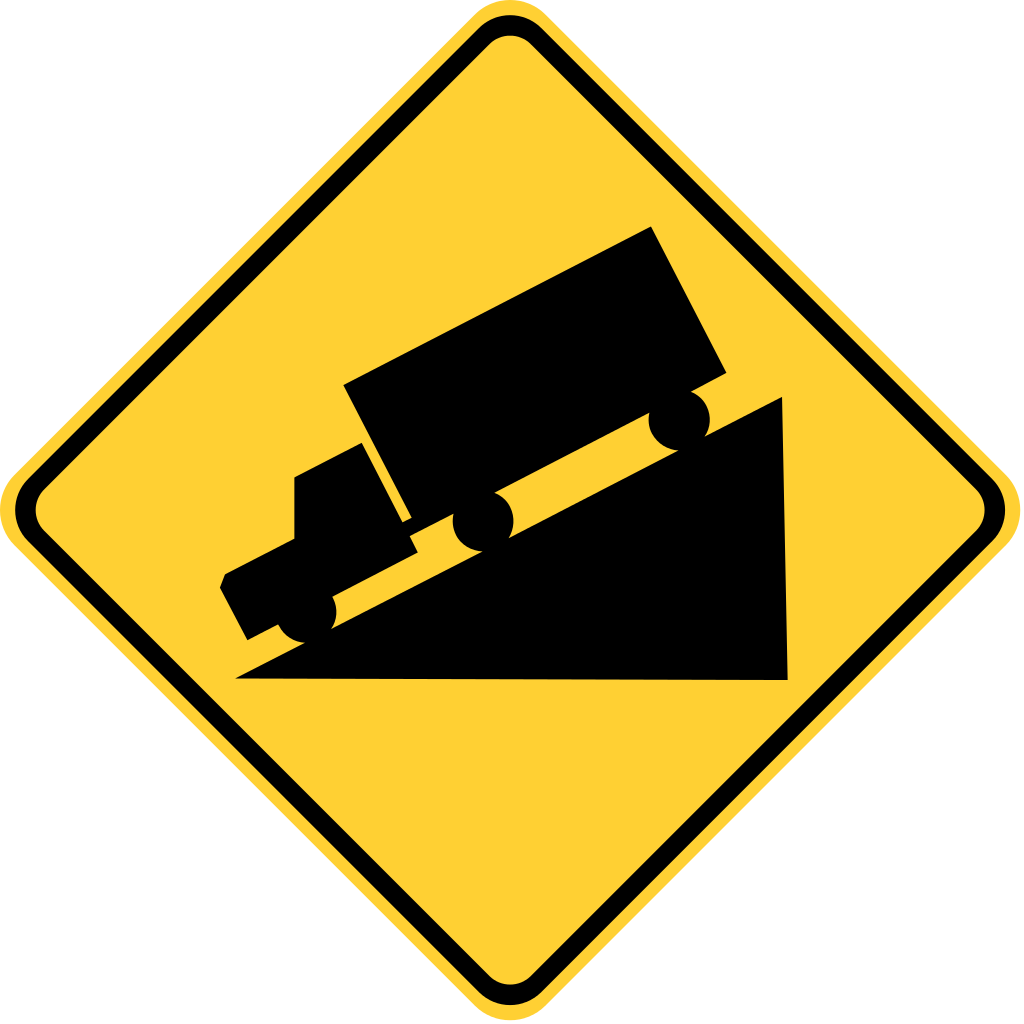 This road sign means:
A
Truck stop ahead
B
No trucks allowed
C
Hill or downgrade up ahead
No explanation available.
Question 2
As the percentage of alcohol in your blood (BAC) increases, you become:
A
more reactive.
B
more intoxicated.
C
more sober.
No explanation available.
Question 3
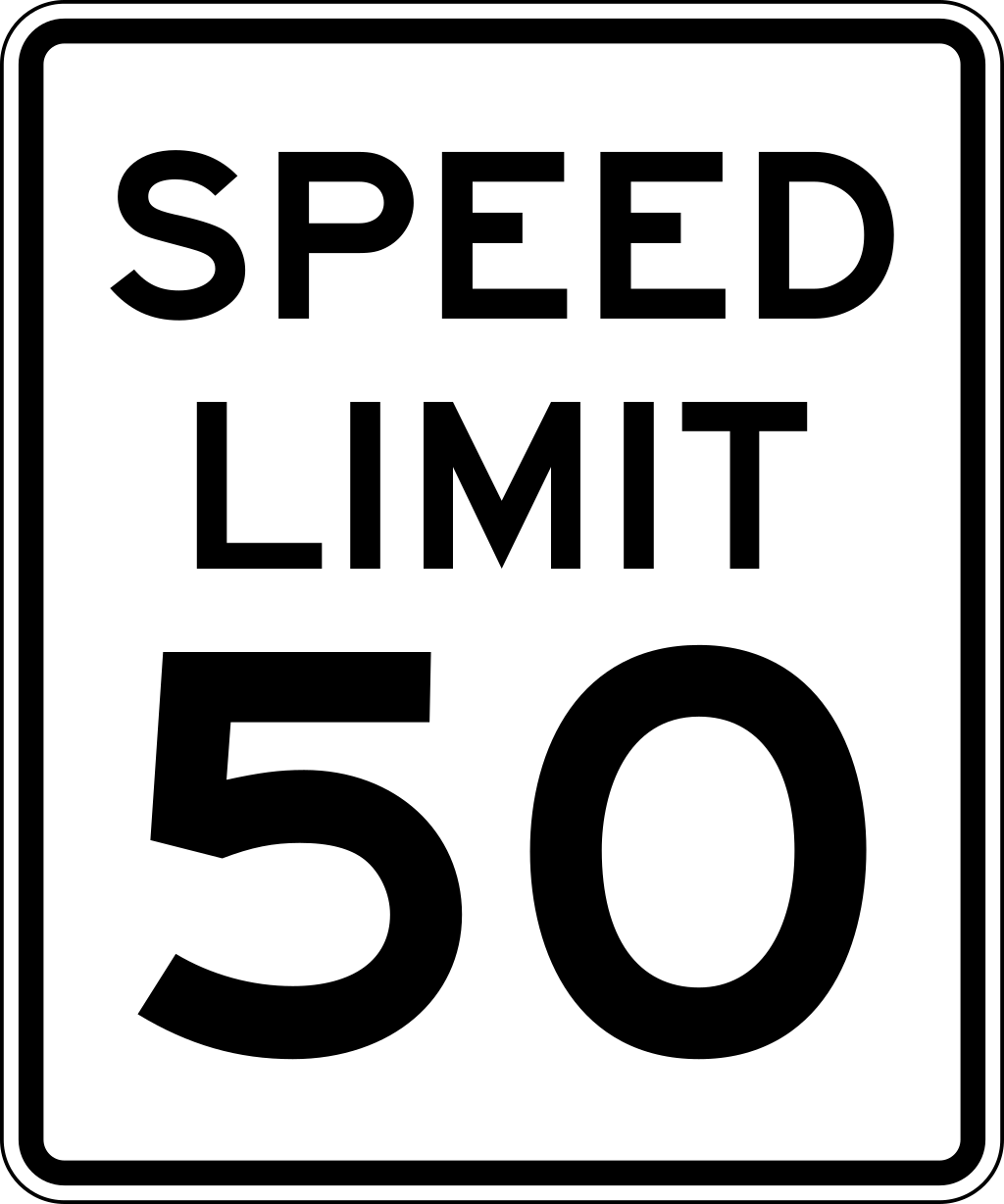 This road sign means:
A
You must travel at the speed indicated
B
The maximum speed limit under ideal conditions
C
None of the above
No explanation available.
Question 4
To avoid the risk of being involved in an alcohol-related crash, you should:
A
decide before you start drinking that you are not going to drive.
B
say 'No, thanks' if someone offers you alcohol.
C
call a taxi if you've been drinking.
D
All of the above.
No explanation available.
Question 5
Vertical panels, barricades, drums and cones are the most commonly used devices to guide drivers safely through work zones.
A
True
B
False
No explanation available.
Question 6
 This road sign means:
A
Curves ahead
B
Divided highway ahead
C
Divided highway ends
No explanation available.
Question 7
You must yield to other drivers:
A
when it helps to prevent collisions.
B
when they are driving a truck.
C
when the other drivers are on your left and you have reached an unmarked intersection at the same time.
D
when your traffic signal is a green.
No explanation available.
Question 8
Although there may be enough room in the traffic lane for an automobile and a motorcyclist, a vehicle driver should not share the lane with motorcyclists.
A
False
B
True
No explanation available.
Question 9
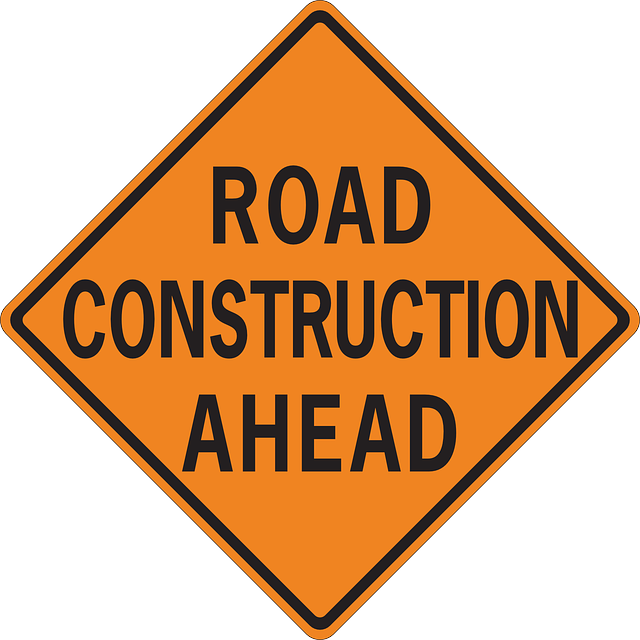 This road sign means:
A
No parking
B
Detour ahead
C
Road construction ahead
D
Stop
No explanation available.
Question 10
When you prepare to make a left turn from a one-way road into a two-way road, you must:
A
enter the two-way road to the left of its center line.
B
approach the turn in the right lane or from the right side of a single lane.
C
approach the turn in the left lane or from the left side of a single lane.
No explanation available.
Question 11
If your front wheels start to skid, the first thing you should do is:
A
Take your foot off the gas pedal and shift to neutral.
B
Immediately turn in the direction you want to go.
C
Speed up, pump your brakes and steer in the direction the vehicle is trying to go.
No explanation available.
Question 12
Night driving can be more difficult because:
A
the ratio of motorcyles to cars is much higher at night.
B
vehicle operators tend to drive faster at night.
C
speed limits do not apply at night.
D
visibility is reduced.
No explanation available.
Question 13
When passing a motorcycle, you must:
A
have your vehicle entirely into the left lane before and during the pass.
B
honk your horn to alert the motorcyclist.
C
speed up above the speed limit and use your emergency lights to alert the motorcyle that you are about to pass.
No explanation available.
Question 14
 When they see a yellow X signal, drivers should:
A
come to a complete stop at the marked stop line.
B
turn off the ignition.
C
prepare to leave the lane safely.
No explanation available.
Question 15
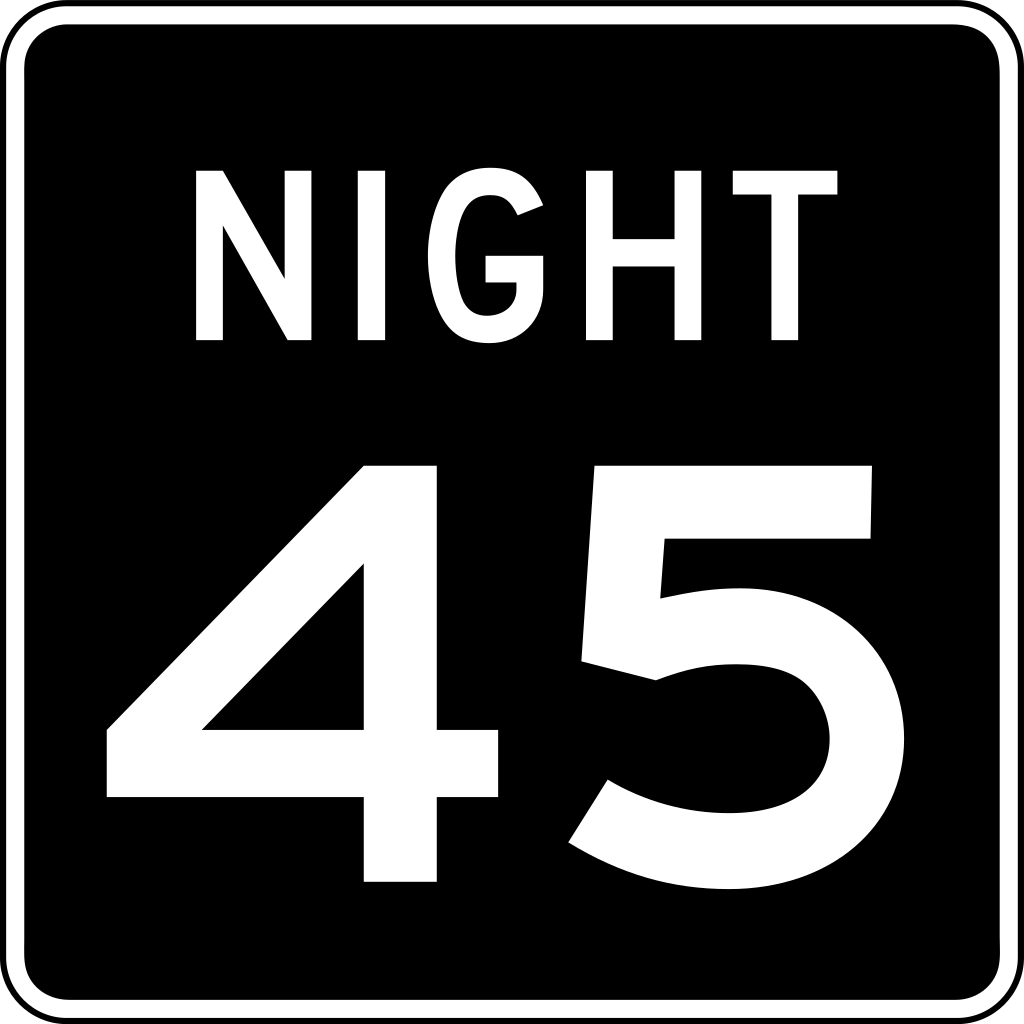 This sign means:
A
Take route 45 if you are driving at night.
B
The night-time speed limit is 45 MPH.
C
The minimum speed limit is 45 MPH.
No explanation available.
Question 16
A broken yellow line on your side of the roadway only means:
A
Passing is permitted on both sides.
B
Passing is permitted on your side of the roadway.
C
Passing is not permitted on either side.
No explanation available.
Question 17
The extra space in front of a large truck is needed for:
A
other drivers when merging onto a freeway.
B
the truck driver to stop the vehicle.
C
other drivers when they want to pass the truck.
No explanation available.
Question 18
If you have to wait for a space to enter a freeway, you should:
A
slow down on the ramp and search ahead for a gap in traffic on the freeway.
B
stop at the end of the ramp to wait for a gap in traffic.
C
maintain speed and signal other drivers to make a gap.
No explanation available.
Question 19
When driving on a roadway with a single broken white line:
A
you may cross the broken white line to change lanes.
B
you may change lanes only if you are in the right lane.
C
you may not cross the broken white line.
No explanation available.
Question 20
While inside a roundabout, you should stay in your lane until you are ready to exit.
A
True
B
False
No explanation available.
Question 21
When driving in bad weather, drivers should:
A
decrease the following distance.
B
increase their speed to get to their destination more quickly.
C
increase the following distance.
D
None of the above.
No explanation available.
Question 22
Arrows on the roadway:
A
show which lanes you must use.
B
indicate reserved lanes.
C
indicate HOV lanes.
No explanation available.
Question 23
 This sign warns drivers that:
A
they cannot go straight ahead.
B
they will soon be facing oncoming traffic.
C
a shared lane starts ahead.
No explanation available.
Question 24
No Zones are areas around trucks where cars:
A
disappear into blind spots or are so close to the truck that the driver's ability to stop or maneuver safely is restricted.
B
can turn safely because several car lengths have been left between the truck and car.
C
can travel behind trucks at constant speed and have no risks of being involved in a collision.
No explanation available.
Question 25
If driving in foggy weather, drivers should turn on their high-beams to increase the field of vision.
A
True
B
False
No explanation available.
Question 26
In case of skidding, drivers should NOT:
A
take their foot off the gas pedal.
B
pump the brakes gently if they are about to hit something.
C
tap the gas pedal with their foot.
No explanation available.
Question 27
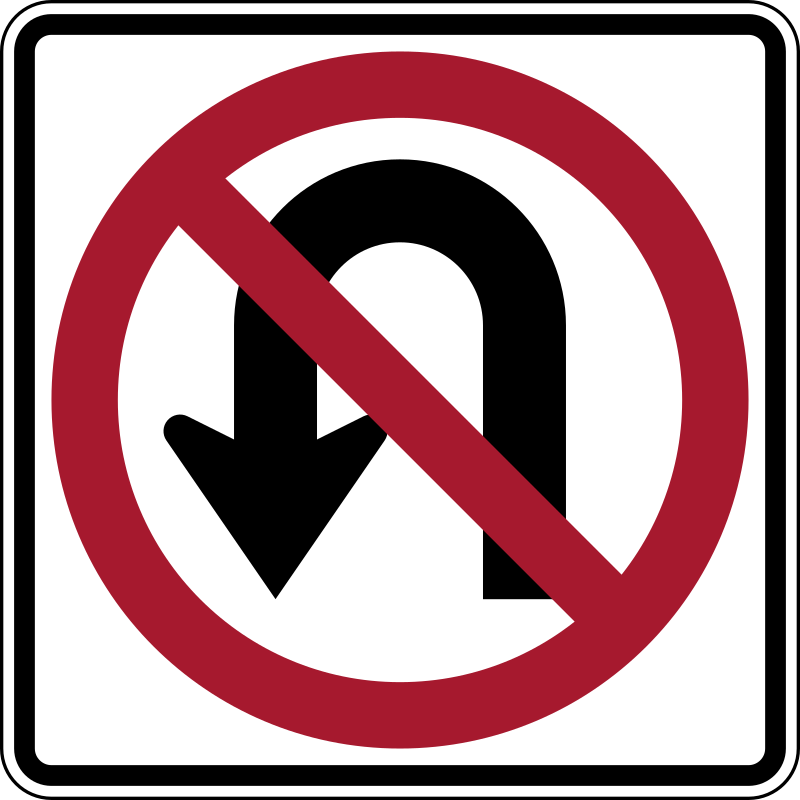 The picture shows a _________ sign.
A
no U-turn
B
no left turn
C
sharp turn
No explanation available.
Question 28
Speed limit signs are:
A
service signs
B
regulation signs (regulatory signs)
C
warning signs
No explanation available.
Question 29
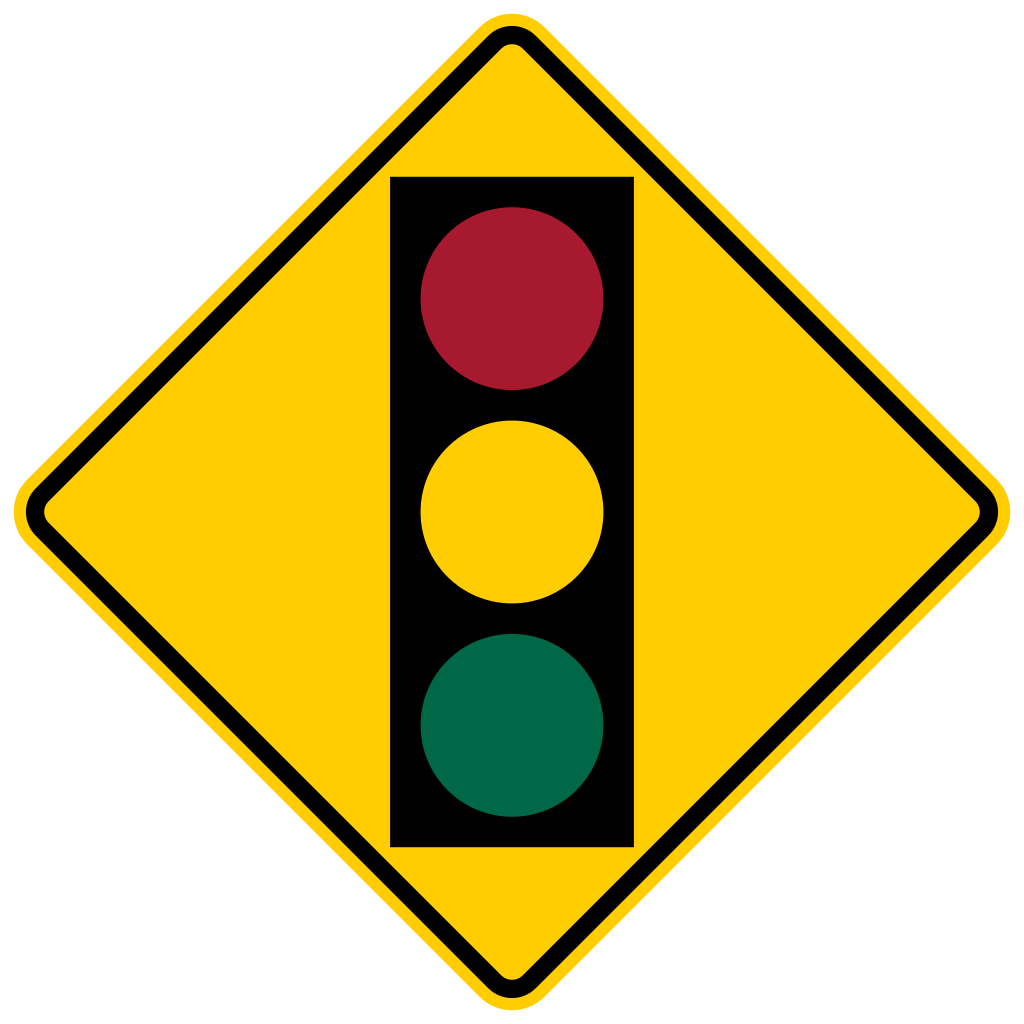 This road sign means:
A
Stop before turning right
B
4-way stop ahead
C
Lane closed for traffic
D
There is a traffic signal ahead
No explanation available.
Question 30
A good rule for passing is:
A
always remember to flash your lights and sound your horn to alert the other drivers that you are about to pass.
B
drive with the flow of traffic and pass only as needed.
C
pass on the right whenever possible.
D
try to get to the front of any line of slow moving traffic as soon as possible.
No explanation available.
Question 31
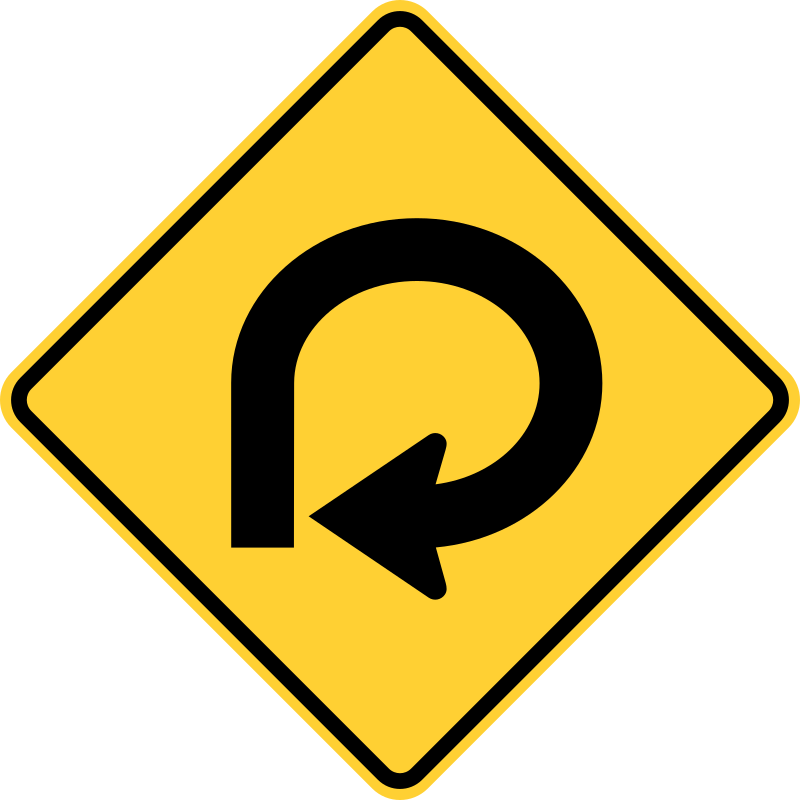 This sign means:
A
Roundabout ahead.
B
270 degree turn ahead.
C
Wrong way; Turn around immediately.
No explanation available.
Question 32
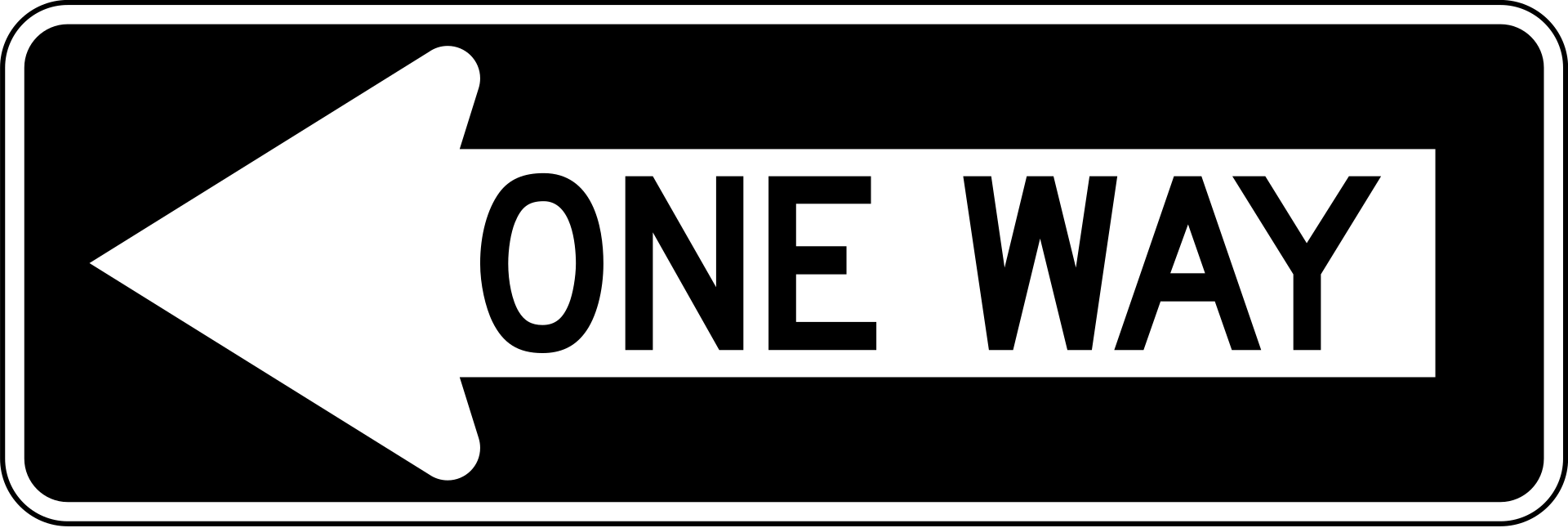 This road sign means:
A
Traffic flows only in the direction of the arrow
B
Turn right or left
C
No right turn
D
Sharp curve ahead
No explanation available.
Question 33
 This road sign means:
A
A road joins from the right
B
All traffic must go straight ahead
C
All traffic must turn right
No explanation available.
Question 34
If you miss your exit from an interstate expressway, you should:
A
go to the next exit and come back to the exit you missed.
B
use the right turn signal, check your mirrors and move to the right.
C
pull over to the right and back up with caution until you reach the exit ramp.
D
make a quick U-turn from your lane of travel.
No explanation available.
Question 35
Highway hypnosis is a driving condition that can result from:
A
heavy traffic.
B
staring at the roadway for long periods of time.
C
travelling on HOV lanes.
D
frequent rest stops.
No explanation available.
Question 36
 This sign warns that:
A
traffic must merge left.
B
the bridge ahead is wide enough for only one vehicle at a time.
C
traffic must merge right.
No explanation available.
Question 37
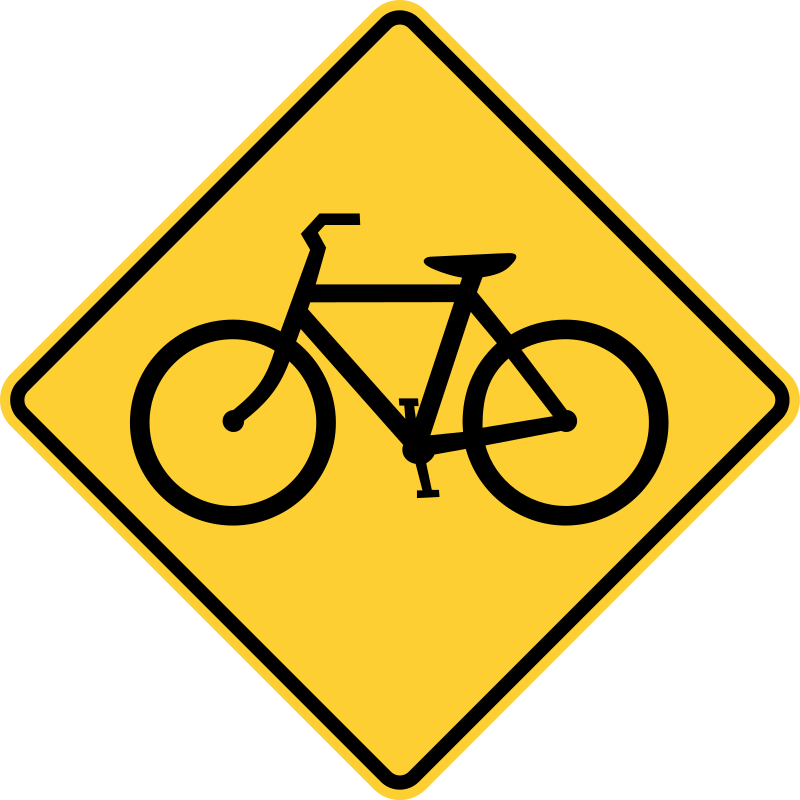 This sign means:
A
Bicycles should yield to vehicles ahead.
B
Warning: a bikeway crosses the roadway ahead.
C
The lane ahead is reserved for bicycles.
No explanation available.
Question 38
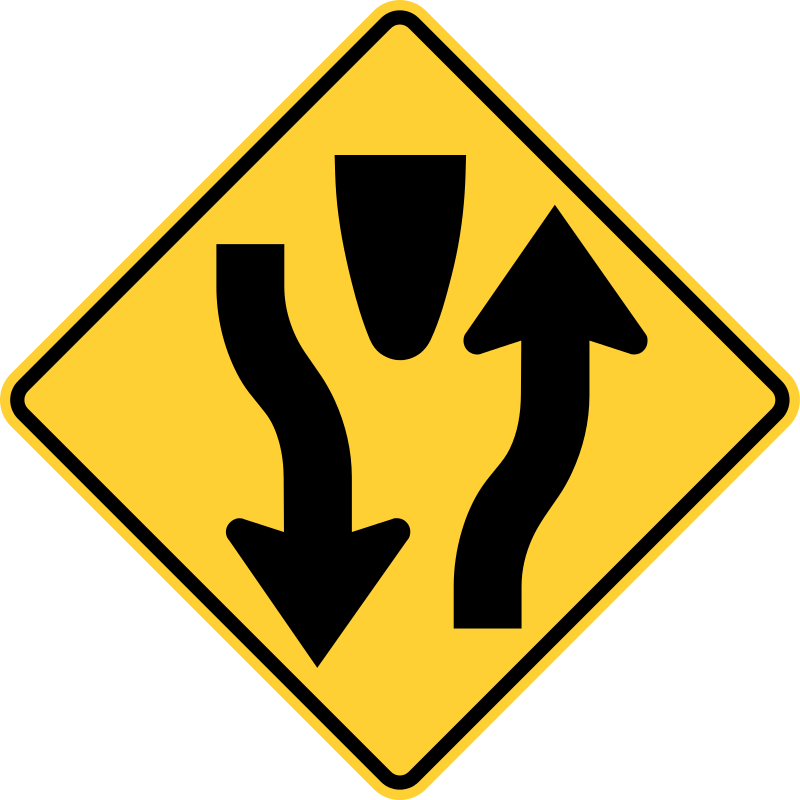 This road sign means:
A
Keep left
B
Divided highway begins
C
Lane ends
No explanation available.
Question 39
If two vehicles arrive at a four-way stop at the same time:
A
both vehicles must stop.
B
the vehicle on the left must yield to the vehicle on the right.
C
the driver on the left must signal the driver on the right to go.
D
the vehicle on the right must yield to the vehicle on the left.
No explanation available.
Question 40
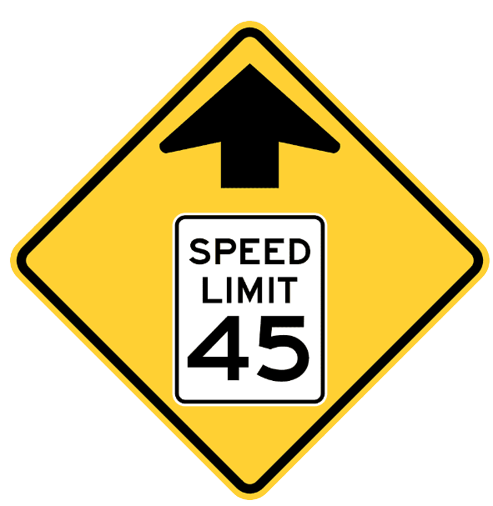 This warning sign:
A
provides advance notice to upcoming speed limit change.
B
shows the current speed limit that all vehicles traveling in the direction of the arrow must not exceed.
C
indicates the suggested highest safe speed.
No explanation available.
Question 41
Most signs used in street work areas are:
A
round.
B
diamond shaped.
C
rectangle shaped.
No explanation available.
Question 42
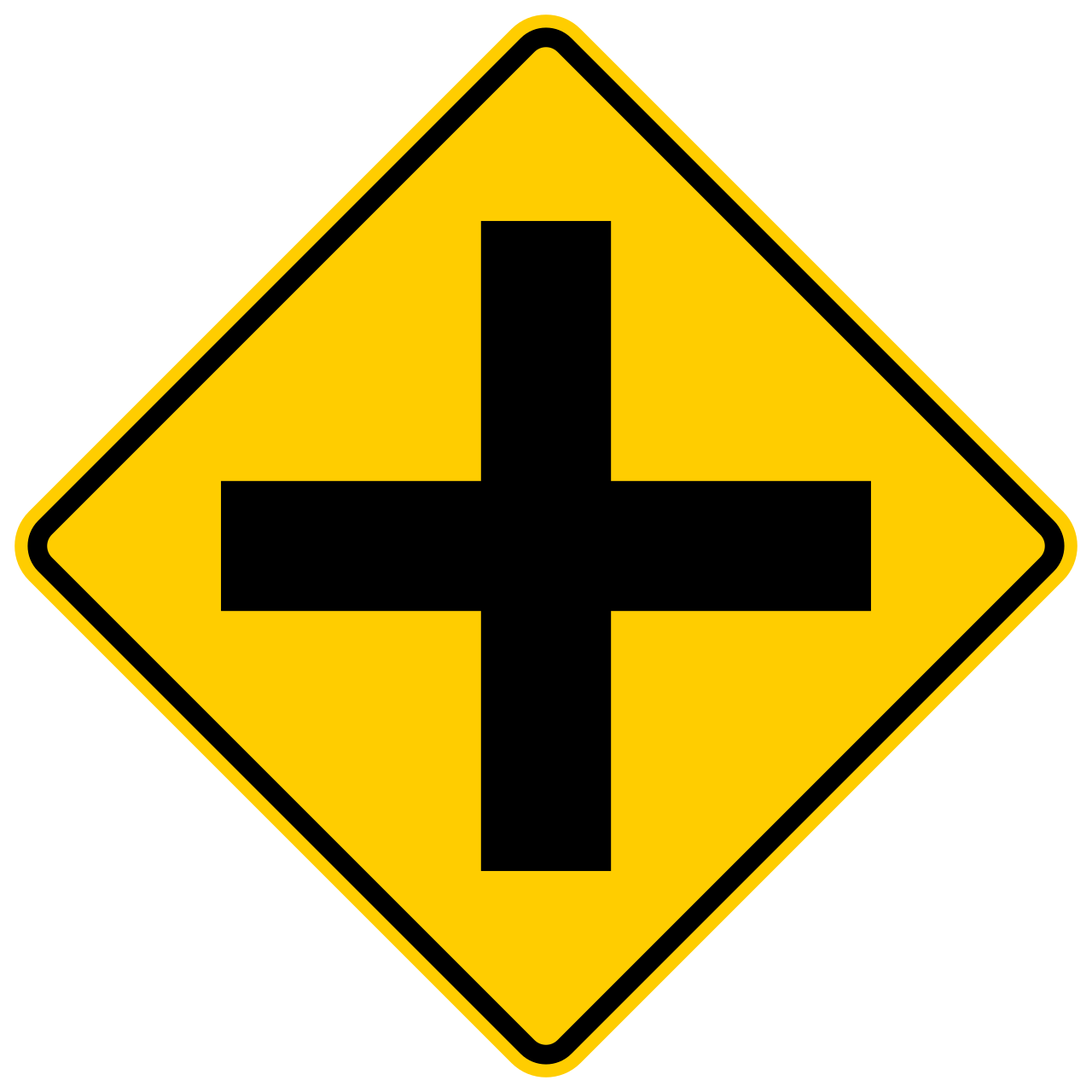 This road sign means:
A
Railroad Crossing
B
Side Road
C
Intersection
D
No Passing Zone
No explanation available.
Question 43
This sign means:
A
Reversible lane ahead.
B
The divided highway ends ahead.
C
Drivers are coming to a point where another traffic lane joins the one they are on.
No explanation available.
Question 44
What is the meaning of red traffic signs?
A
High emphasis warning.
B
Stop, do not enter or wrong way.
C
Regulatory.
No explanation available.
Question 45
 This sign indicates:
A
the maximum width of a vehicle allowed on the highway.
B
the maximum legal height allowed in this State.
C
the overpass ahead has a low clearance.
D
a steep grade
No explanation available.
Question 46
This road sign means:
A
Divided highway ahead
B
Two-way traffic ahead
C
Four-lane traffic ahead
No explanation available.
Question 47
If the entrance lane is too short to allow acceleration to highway speed, you should:
A
go to the next entrance ramp.
B
stop and wait for a large gap in traffic, then enter the highway and accelerate quickly.
C
merge into highway traffic as soon as possible.
No explanation available.
Question 48
On two-lane, two-way streets or highways, you should start left turns close to the center line.
A
True
B
False
No explanation available.
Question 49
This sign warns ____________ ahead.
A
of two-way traffic
B
of a reduction of lanes
C
that a divided highway ends
No explanation available.
Question 50
When you are in a line of traffic that is crossing a railroad track that has no signals or gates:
A
you may pass slower drivers crossing the track.
B
before you start to cross, you need to make sure there is space to get all the way across the tracks without stopping.
C
you have the right of way and do not need to check for trains.
D
All of the above.
No explanation available.