Question 1:
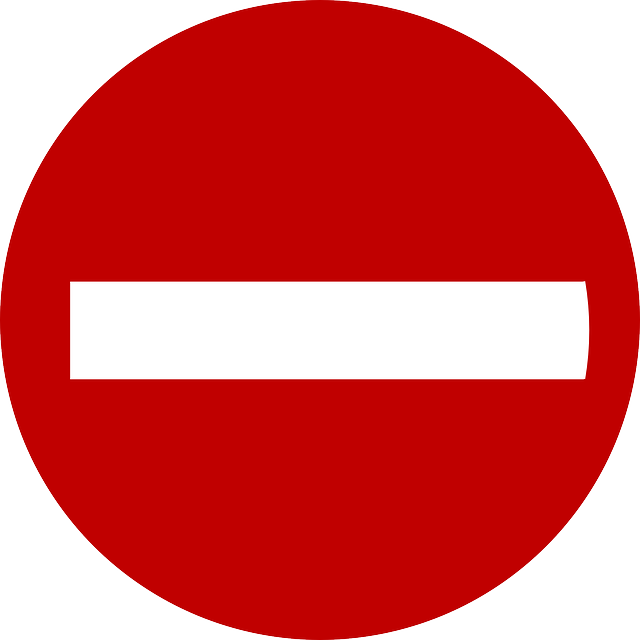 This road sign means:
A
No left turn
B
Lane ends
C
Do not enter
This traffic sign indicates: Do not enter. Observing and obeying all roadway signs ensures safe traffic flow and legal driving.
Question 2:
 This road sign means:
A
You must come to a complete stop
B
Do not enter
C
Slow down, stop if necessary and yield the right-of-way
D
Merging traffic
A triangular Yield sign requires drivers to slow down and give right-of-way to other traffic: slow down, stop if necessary and yield the right-of-way. Proceed only when there is a safe opening.
Question 3:
What should you do if your vision through the windshield becomes blocked?
A
Pull your vehicle off the road and park it.
B
Turn on your emergency lights.
C
Open the side window so you can see.
D
All of the above.
All of the listed points are essential driving requirements: Pull your vehicle off the road and park it; Turn on your emergency lights; Open the side window so you can see. Practicing each ensures compliance with DMV safety laws.
Question 4:
When you come to an intersection with a flashing red light, you must:
A
stop at the intersection, then proceed when safe and observe the right-of-way rules.
B
slow down and drive carefully through the intersection.
C
stop at the intersection and wait for a flashing green light.
D
stop only if cars are approaching the intersection.
When an emergency vehicle approaches with flashing lights or sirens, you must safely pull over to the right curb and stop completely until it passes.
Question 5:
Never make a U-turn from:
A
the lane you’re in.
B
the right lane.
C
the left part of the lane nearest to the centerline of the roadway.
According to standard right-of-way regulations: the right lane. Yielding appropriately prevents intersection collisions and maintains safe traffic flow.
Question 6:
Doing all you can to prevent crashes is called:
A
Anti-Collision Driving
B
Crash-Prevention Driving
C
Defensive Driving
D
ABS Driving
The correct driving rule is: Defensive Driving. Following standard DMV road rules and practicing defensive driving ensures safety for all road users.
Question 7:
You are driving in the far right lane of a four lane freeway and notice broken white lines on the left side of your lane. You are driving:
A
on the entrance ramp.
B
in a special lane for slow moving vehicles.
C
in an exit lane.
Defensive driving guidelines state that: in an exit lane. Anticipating road hazards and communicating maneuvers keeps traffic predictable and safe.
Question 8:
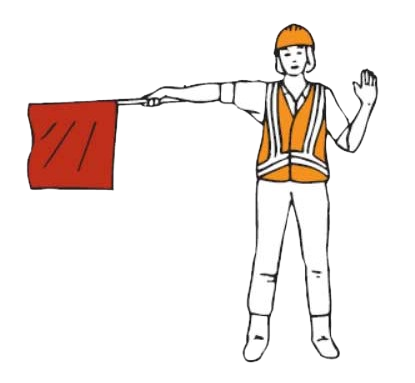 This signal means:
A
Stop
B
Move to the left
C
Slow down
D
Proceed
State laws require signaling your intention: stop. Signal at least 100 feet before making a turn or changing lanes.
Question 9:
 This sign warns drivers of:
A
a reduction of lanes.
B
a dip in the road. Drivers should be ready to stop if the dip is filled with water.
C
a bridge ahead, wide enough to accommodate two lanes of traffic, but with very little clearance.
This traffic sign indicates: a bridge ahead, wide enough to accommodate two lanes of traffic, but with very little clearance. Observing and obeying all roadway signs ensures safe traffic flow and legal driving.
Question 10:
Drivers should use high beam headlights when:
A
following another vehicle.
B
when they come within 50 feet of an oncoming vehicle.
C
there are no oncoming vehicles approaching.
The correct driving rule is: there are no oncoming vehicles approaching. Following standard DMV road rules and practicing defensive driving ensures safety for all road users.
Question 11:
At intersections where two or more drivers stop at STOP signs at the same time and they are at right angles:
A
the driver on the left must yield to the driver on the right.
B
the driver who is late for work has the right-of-way.
C
the driver on the right must yield to the driver on the left.
The correct driving rule is: the driver on the left must yield to the driver on the right. Following standard DMV road rules and practicing defensive driving ensures safety for all road users.
Question 12:
If you arrive at an uncontrolled intersection at the same time as another vehicle:
A
the car on the left has the right-of-way.
B
the car on the right should yield to the car on the left.
C
the car on the left should yield to the car on the right.
D
any vehicle already in the intersection should yield to the car on the right.
At an uncontrolled intersection or 4-way stop where vehicles arrive at the same time: the car on the left should yield to the car on the right. The driver on the left must always yield to the driver on the right.
Question 13:
Which signs have black letters on a yellow or orange background?
A
Warning signs (diamond)
B
Regulatory signs (vertical rectangle)
C
Railroad advance warning signs (round)
The correct driving rule is: Warning signs (diamond). Following standard DMV road rules and practicing defensive driving ensures safety for all road users.
Question 14:
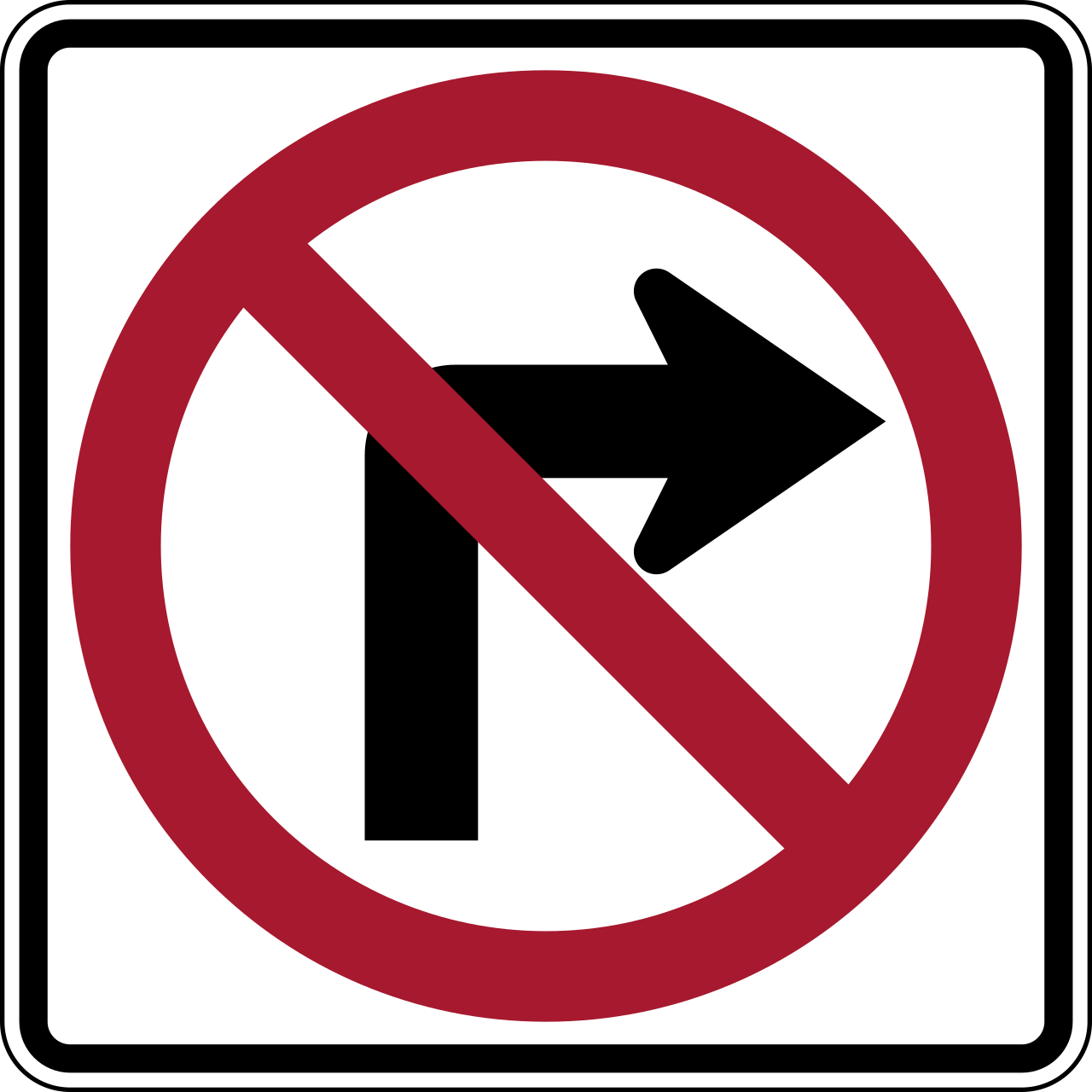 This road sign means:
A
No left turn
B
No right turn
C
No U-turns
This traffic sign indicates: No right turn. Observing and obeying all roadway signs ensures safe traffic flow and legal driving.
Question 15:
When you are in a line of traffic that is crossing a railroad track that has no signals or gates:
A
you may pass slower drivers crossing the track.
B
before you start to cross, you need to make sure there is space to get all the way across the tracks without stopping.
C
you have the right of way and do not need to check for trains.
D
All of the above.
The correct driving rule is: before you start to cross, you need to make sure there is space to get all the way across the tracks without stopping. Following standard DMV road rules and practicing defensive driving ensures safety for all road users.
Question 16:
You arrive at the same time as another vehicle at an intersection has no traffic signs or signals. You should:
A
slow down and yield to the vehicle on the right.
B
speed up and get through the intersection.
C
sound your horn and drive through the intersection with extreme caution.
D
drive through the intersection and make the other vehicle stop.
According to standard right-of-way regulations: slow down and yield to the vehicle on the right. Yielding appropriately prevents intersection collisions and maintains safe traffic flow.
Question 17:
Traffic signs and pavement markings must be:
A
followed only when a police officer is present.
B
followed only when other vehicles are present.
C
used as a guide only.
D
always obeyed.
The correct driving rule is: always obeyed. Following standard DMV road rules and practicing defensive driving ensures safety for all road users.
Question 18:
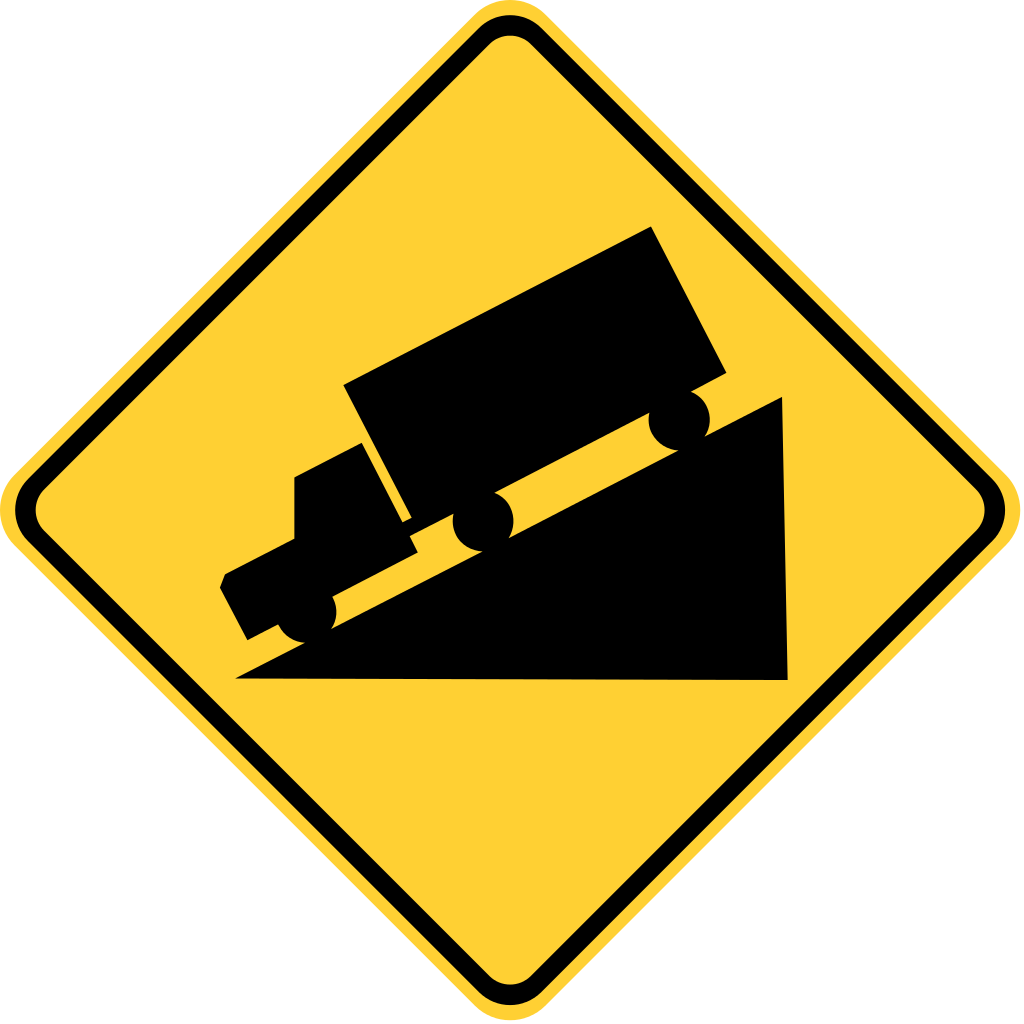 This road sign means:
A
Do not pass trucks
B
Truck must back up
C
Steep downgrade ahead
This traffic sign indicates: Steep downgrade ahead. Observing and obeying all roadway signs ensures safe traffic flow and legal driving.
Question 19:
You are stopped at a stop sign and you are going to go straight through the intersection. A car on the cross road has stopped at a stop sign on your right and is going to go straight. Who has the right-of-way?
A
Whoever enters the intersection first.
B
You.
C
The car on your right.
According to standard right-of-way regulations: The car on your right. Yielding appropriately prevents intersection collisions and maintains safe traffic flow.
Question 20:
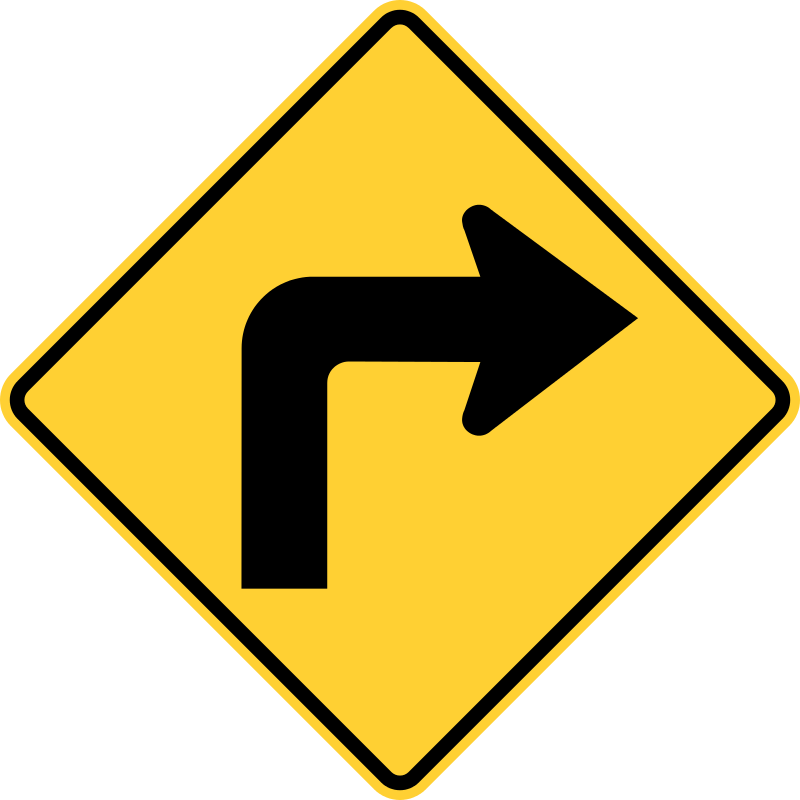 This sign warns drivers of:
A
a side road.
B
a sharp turn.
C
a cross road.
This traffic sign indicates: a sharp turn. Observing and obeying all roadway signs ensures safe traffic flow and legal driving.
Question 21:
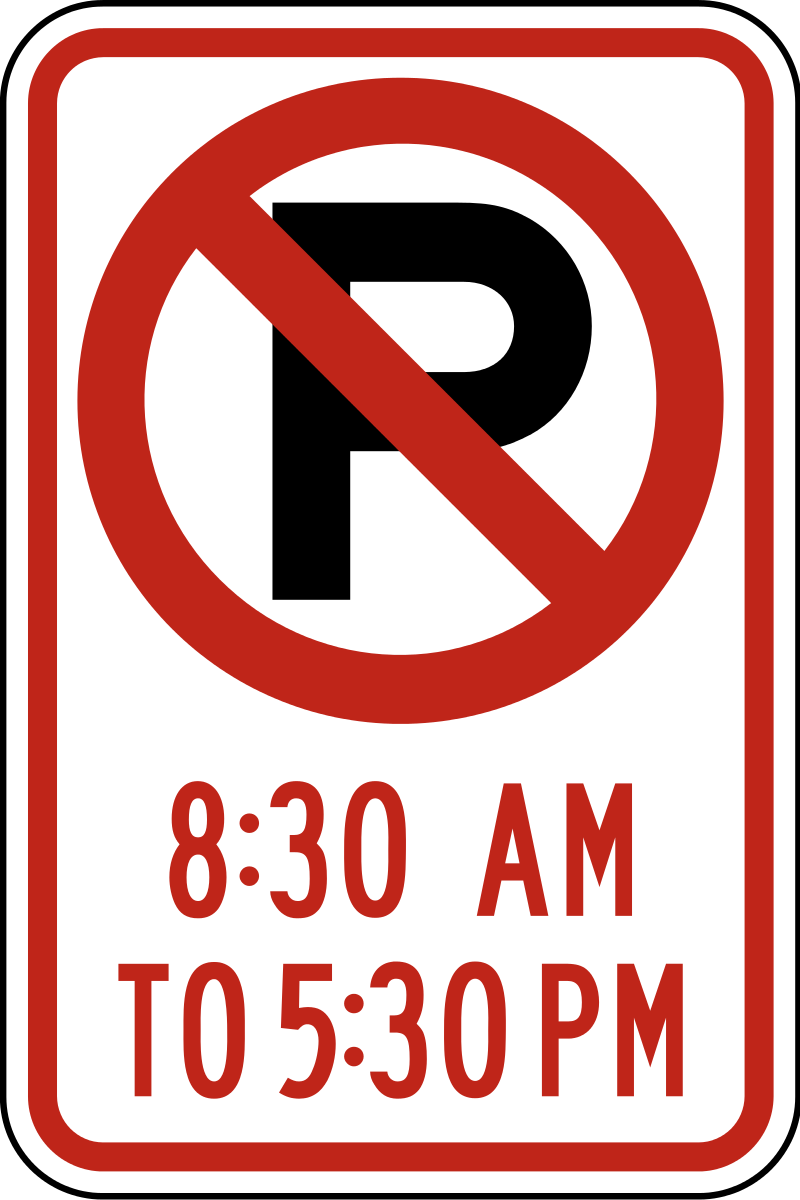 It's 10 AM. This sign tells you that:
A
you are allowed to park until 5:30 PM.
B
you must display a special permit in order to park here.
C
you are not allowed to park here.
This traffic sign indicates: you are not allowed to park here. Observing and obeying all roadway signs ensures safe traffic flow and legal driving.
Question 22:
What can you do to prevent skids on snow and ice?
A
Allow the wheels to keep turning.
B
Brake early and gently.
C
All of the above.
Hazardous road and weather conditions require extra caution: Allow the wheels to keep turning; Brake early and gently. Reducing speed and expanding following distance preserves control.
Question 23:
What should you do when an aggressive driver confronts you?
A
Avoid eye contact with the aggressive driver.
B
Make eye contact.
C
Challenge the aggressive driver with increased speed.
The correct driving rule is: avoid eye contact with the aggressive driver. Following standard DMV road rules and practicing defensive driving ensures safety for all road users.
Question 24:
 This road sign means:
A
Road construction ahead
B
The road ahead curves right, then left
C
Steep grade ahead
This traffic sign indicates: The road ahead curves right, then left. Observing and obeying all roadway signs ensures safe traffic flow and legal driving.
Question 25:
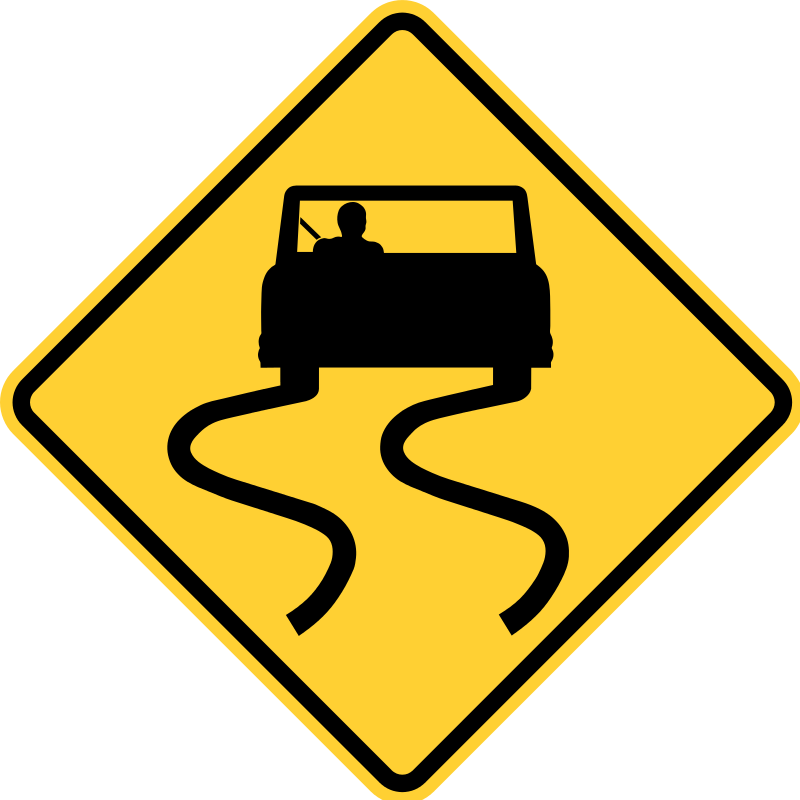 When they see this sign, drivers:
A
should be prepared to make sharp turns at a high speed.
B
need to be prepared to turn right and then left quickly.
C
should not speed up or brake quickly.
This traffic sign indicates: should not speed up or brake quickly. Observing and obeying all roadway signs ensures safe traffic flow and legal driving.