Question 1:
The effects of alcohol on driving include:
A
None of the above.
B
Improved coordination
C
Better reflexes
D
Improved judgement
Answer Explanation
Under state DUI and traffic safety laws: None of the above. Alcohol degrades judgment, slows reaction times, and distorts depth perception.
Under state DUI and traffic safety laws: None of the above. Alcohol degrades judgment, slows reaction times, and distorts depth perception.
Question 2:
A work zone:
A
is marked with black and white signs.
B
might involve vehicles and moving workers.
C
does not require that the driver slow down and pay extra attention.
D
All of the above.
Answer Explanation
The correct driving rule is: might involve vehicles and moving workers. Following standard DMV road rules and practicing defensive driving ensures safety for all road users.
The correct driving rule is: might involve vehicles and moving workers. Following standard DMV road rules and practicing defensive driving ensures safety for all road users.
Question 3:
When you see an emergency vehicle with flashing lights behind you, you must:
A
slow down and keep moving.
B
drive to the right edge of the road and slow down.
C
pull over to the right and stop.
D
stop as quickly as you can.
Answer Explanation
When sharing the road with other vehicles: pull over to the right and stop. Giving large vehicles and vulnerable users adequate clearance prevents dangerous accidents.
When sharing the road with other vehicles: pull over to the right and stop. Giving large vehicles and vulnerable users adequate clearance prevents dangerous accidents.
Question 4:
What is the purpose of minimum speed limits?
A
To keep a smooth traffic flow.
B
To halt the traffic flow.
C
To allow emergency vehicles with red flashing lights to safely pass other vehicles.
Answer Explanation
For safe speed and stopping control: To keep a smooth traffic flow. Adjusting speed to match visibility and road traction prevents loss of steering grip.
For safe speed and stopping control: To keep a smooth traffic flow. Adjusting speed to match visibility and road traction prevents loss of steering grip.
Question 5:
You want to turn left at an intersection ahead. A car reaches the intersection from the opposite direction and moves straight ahead. You:
A
can turn left. You have the right of way.
B
must wait for the car to go through before you turn.
C
may not enter the intersection to prepare for your left turn if the light is green.
Answer Explanation
According to standard right-of-way regulations: must wait for the car to go through before you turn. Yielding appropriately prevents intersection collisions and maintains safe traffic flow.
According to standard right-of-way regulations: must wait for the car to go through before you turn. Yielding appropriately prevents intersection collisions and maintains safe traffic flow.
Question 6:
 This sign means:
A
Bicycles should yield to vehicles ahead.
B
Warning: a bikeway crosses the roadway ahead.
C
The lane ahead is reserved for bicycles.
Answer Explanation
This traffic sign indicates: Warning: a bikeway crosses the roadway ahead. Observing and obeying all roadway signs ensures safe traffic flow and legal driving.
This traffic sign indicates: Warning: a bikeway crosses the roadway ahead. Observing and obeying all roadway signs ensures safe traffic flow and legal driving.
Question 7:
 This road sign means:
A
Railroad Crossing
B
Side Road
C
Intersection
D
No Passing Zone
Answer Explanation
This traffic sign indicates: Intersection. Observing and obeying all roadway signs ensures safe traffic flow and legal driving.
This traffic sign indicates: Intersection. Observing and obeying all roadway signs ensures safe traffic flow and legal driving.
Question 8:
If a traffic officer signals you to drive through a red light:
A
you must do it.
B
you must wait for the red light to turn green.
C
you must not obey the officer. Signs and signals take precedence over directions given by traffic officers.
Answer Explanation
According to standard right-of-way regulations: you must do it. Yielding appropriately prevents intersection collisions and maintains safe traffic flow.
According to standard right-of-way regulations: you must do it. Yielding appropriately prevents intersection collisions and maintains safe traffic flow.
Question 9:
When driving on slick roads, drivers should:
A
accelerate quickly.
B
take turns more slowly.
C
use alternate routes.
D
drive as they would on dry roads.
Answer Explanation
The correct driving rule is: take turns more slowly. Following standard DMV road rules and practicing defensive driving ensures safety for all road users.
The correct driving rule is: take turns more slowly. Following standard DMV road rules and practicing defensive driving ensures safety for all road users.
Question 10:
 This road sign means:
A
Pedestrian crossing
B
School zone
C
School crossing
Answer Explanation
This traffic sign indicates: Pedestrian crossing. Observing and obeying all roadway signs ensures safe traffic flow and legal driving.
This traffic sign indicates: Pedestrian crossing. Observing and obeying all roadway signs ensures safe traffic flow and legal driving.
Question 11:
This road sign means:
A
Crossroad
B
Hospital parking ahead
C
Merge
Answer Explanation
This traffic sign indicates: Crossroad. Observing and obeying all roadway signs ensures safe traffic flow and legal driving.
This traffic sign indicates: Crossroad. Observing and obeying all roadway signs ensures safe traffic flow and legal driving.
Question 12:
When a traffic signal light turns green, you should:
A
back up slowly.
B
yield the right-of-way to pedestrians.
C
yield the right-of-way to larger vehicles.
D
wait 5 seconds before proceeding.
Answer Explanation
A triangular Yield sign requires drivers to slow down and give right-of-way to other traffic: yield the right-of-way to pedestrians. Proceed only when there is a safe opening.
A triangular Yield sign requires drivers to slow down and give right-of-way to other traffic: yield the right-of-way to pedestrians. Proceed only when there is a safe opening.
Question 13:
When driving behind a motorcycle, drivers must:
A
remembers that motorcyclists have the right to use a complete traffic lane.
B
pass the motorcycle in the same lane.
C
drive on the shoulder beside the motorcycle.
D
share the lane with the motorcycle.
Answer Explanation
Motorcycles can stop rapidly and are easily hidden in vehicle blind spots: remembers that motorcyclists have the right to use a complete traffic lane. Always allow an increased following distance of at least 3 to 4 seconds.
Motorcycles can stop rapidly and are easily hidden in vehicle blind spots: remembers that motorcyclists have the right to use a complete traffic lane. Always allow an increased following distance of at least 3 to 4 seconds.
Question 14:
 This sign warns drivers of:
A
a reduction of lanes.
B
a dip in the road. Drivers should be ready to stop if the dip is filled with water.
C
a bridge ahead, wide enough to accommodate two lanes of traffic, but with very little clearance.
Answer Explanation
This traffic sign indicates: a bridge ahead, wide enough to accommodate two lanes of traffic, but with very little clearance. Observing and obeying all roadway signs ensures safe traffic flow and legal driving.
This traffic sign indicates: a bridge ahead, wide enough to accommodate two lanes of traffic, but with very little clearance. Observing and obeying all roadway signs ensures safe traffic flow and legal driving.
Question 15:
 This road sign warns drivers that:
A
left turns are not allowed at the intersection.
B
the road will make a sharp turn to the right.
C
another road enters the highway from the direction shown.
Answer Explanation
This traffic sign indicates: another road enters the highway from the direction shown. Observing and obeying all roadway signs ensures safe traffic flow and legal driving.
This traffic sign indicates: another road enters the highway from the direction shown. Observing and obeying all roadway signs ensures safe traffic flow and legal driving.
Question 16:
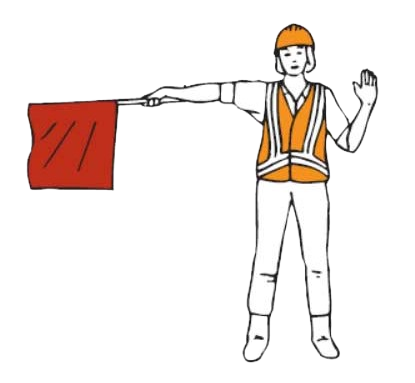 This signal means:
A
Stop
B
Move to the left
C
Slow down
D
Proceed
Answer Explanation
State laws require signaling your intention: stop. Signal at least 100 feet before making a turn or changing lanes.
State laws require signaling your intention: stop. Signal at least 100 feet before making a turn or changing lanes.
Question 17:
 This sign indicates:
A
Winding road
B
Merging traffic
C
Divided highway ends
Answer Explanation
This traffic sign indicates: Merging traffic. Observing and obeying all roadway signs ensures safe traffic flow and legal driving.
This traffic sign indicates: Merging traffic. Observing and obeying all roadway signs ensures safe traffic flow and legal driving.
Question 18:
 This road sign means:
A
No Passing Zone
B
Railroad Warning
C
One-way street ahead
D
Two way left turn
Answer Explanation
Circular signs with an 'X' and 'RR' designate a Railroad Advance Warning: Railroad Warning. Drivers must slow down, look both ways, listen for trains, and be prepared to stop.
Circular signs with an 'X' and 'RR' designate a Railroad Advance Warning: Railroad Warning. Drivers must slow down, look both ways, listen for trains, and be prepared to stop.
Question 19:
 This sign means:
A
The highway ahead is divided into two one-way roadways.
B
Roundabout ahead. Slow down.
C
The divided highway on which drivers are traveling ends ahead.
Answer Explanation
This traffic sign indicates: The highway ahead is divided into two one-way roadways. Observing and obeying all roadway signs ensures safe traffic flow and legal driving.
This traffic sign indicates: The highway ahead is divided into two one-way roadways. Observing and obeying all roadway signs ensures safe traffic flow and legal driving.
Question 20:
 This road sign means:
A
No left turn
B
No right turn
C
No U-turns
Answer Explanation
This traffic sign indicates: No right turn. Observing and obeying all roadway signs ensures safe traffic flow and legal driving.
This traffic sign indicates: No right turn. Observing and obeying all roadway signs ensures safe traffic flow and legal driving.
Question 21:
Drivers can proceed through an intersection with a stop sign, but no stop line or crosswalk:
A
after slowing down to at least 15 MPH before proceeding.
B
after coming to a complete stop, when it is safe to proceed.
C
after stopping at least 50 feet prior to the intersection.
D
after slowing down to ensure there is no cross-traffic.
Answer Explanation
Drivers must always yield the right-of-way to pedestrians crossing at intersections and crosswalks: after coming to a complete stop, when it is safe to proceed. Stop and allow them to clear the lane safely.
Drivers must always yield the right-of-way to pedestrians crossing at intersections and crosswalks: after coming to a complete stop, when it is safe to proceed. Stop and allow them to clear the lane safely.
Question 22:
When parallel parking between two cars, you should first:
A
back slowly.
B
pull up even with the front car.
C
turn your wheels to the right.
D
turn your wheels to the left.
Answer Explanation
Under standard parking and curb regulations: pull up even with the front car. Following parking distance clearances keeps roadways unobstructed and emergency lanes accessible.
Under standard parking and curb regulations: pull up even with the front car. Following parking distance clearances keeps roadways unobstructed and emergency lanes accessible.
Question 23:
When passing you should NOT:
A
leave less than 4 feet of space between your vehicle and the vehicle you are passing.
B
signal left to let others know that you will be pulling out.
C
look in your rearview mirrors and glance over your shoulder before pulling out to pass.
D
go far enough past the vehicle you are passing so that you can see the vehicle in your inside rearview mirror.
Answer Explanation
Defensive driving guidelines state that: leave less than 4 feet of space between your vehicle and the vehicle you are passing. Anticipating road hazards and communicating maneuvers keeps traffic predictable and safe.
Defensive driving guidelines state that: leave less than 4 feet of space between your vehicle and the vehicle you are passing. Anticipating road hazards and communicating maneuvers keeps traffic predictable and safe.
Question 24:
Select the most effective safety restraint(s) in a traffic crash.
A
Lap and shoulder belt only
B
Air bag only
C
Pumping brakes.
D
A combination of lap/shoulder belt and air bag.
Answer Explanation
The correct driving rule is: A combination of lap/shoulder belt and air bag. Following standard DMV road rules and practicing defensive driving ensures safety for all road users.
The correct driving rule is: A combination of lap/shoulder belt and air bag. Following standard DMV road rules and practicing defensive driving ensures safety for all road users.
Question 25:
You may not park:
A
on a hill.
B
on a crosswalk or marked bicycle lane.
C
in a parking lot.
D
within 200 feet of an elementary school.
Answer Explanation
Under standard parking and curb regulations: on a crosswalk or marked bicycle lane. Following parking distance clearances keeps roadways unobstructed and emergency lanes accessible.
Under standard parking and curb regulations: on a crosswalk or marked bicycle lane. Following parking distance clearances keeps roadways unobstructed and emergency lanes accessible.
Question 26:
To enter a freeway:
A
signal, yield, and enter at the same speed that traffic is moving.
B
drive slowly so you can check traffic.
C
signal and enter the freeway. You have the right-of-way.
D
make a complete stop before entering the freeway.
Answer Explanation
Defensive driving guidelines state that: signal, yield, and enter at the same speed that traffic is moving. Anticipating road hazards and communicating maneuvers keeps traffic predictable and safe.
Defensive driving guidelines state that: signal, yield, and enter at the same speed that traffic is moving. Anticipating road hazards and communicating maneuvers keeps traffic predictable and safe.
Question 27:
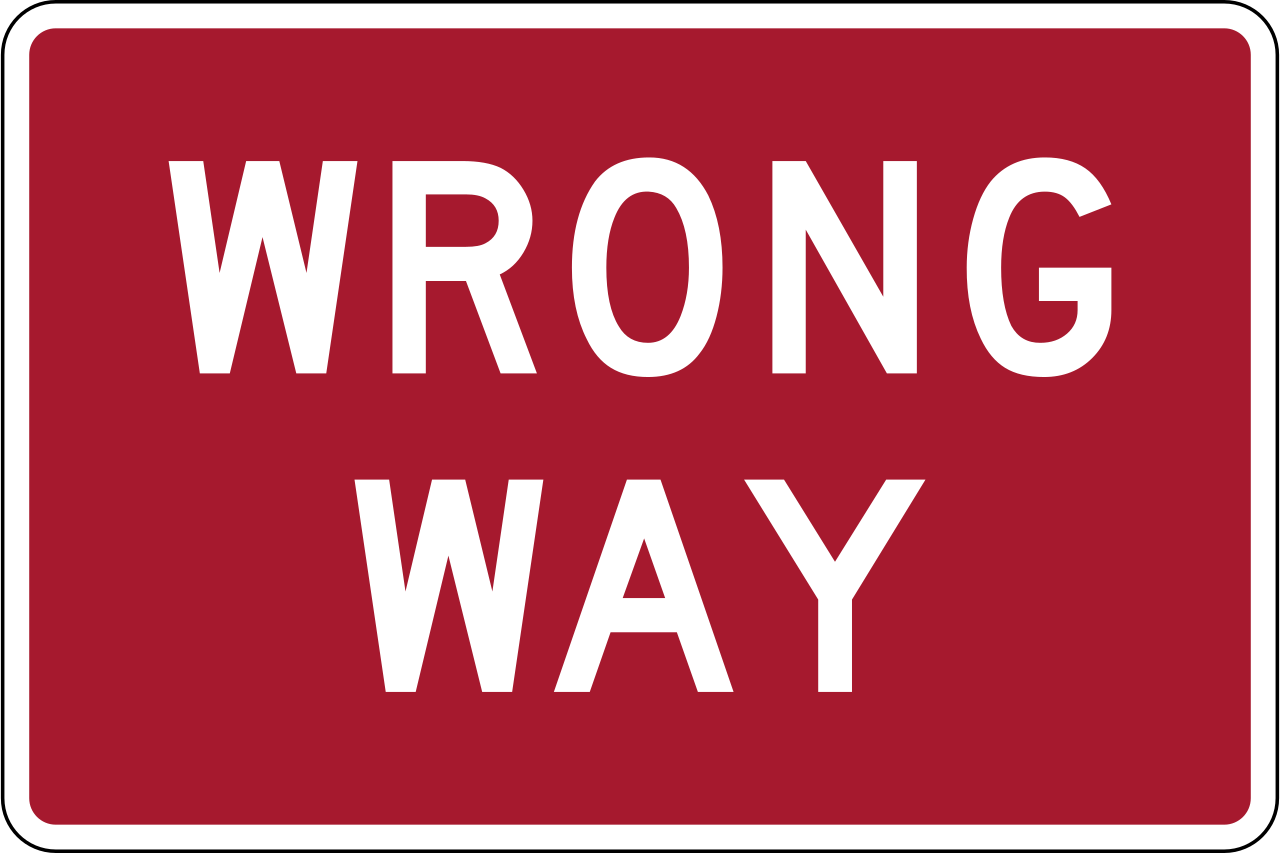 When drivers see this road sign:
A
they must come to a complete stop and call the police.
B
they must not drive past this sign.
C
they must turn around immediately.
Answer Explanation
This traffic sign indicates: they must turn around immediately. Observing and obeying all roadway signs ensures safe traffic flow and legal driving.
This traffic sign indicates: they must turn around immediately. Observing and obeying all roadway signs ensures safe traffic flow and legal driving.
Question 28:
Which of the following drugs could affect your ability to drive?
A
A cold remedy.
B
Marijuana.
C
All of the above.
Answer Explanation
Alcohol and impairing substances degrade all critical driving functions: A cold remedy; Marijuana. Driving while impaired carries severe criminal and safety penalties.
Alcohol and impairing substances degrade all critical driving functions: A cold remedy; Marijuana. Driving while impaired carries severe criminal and safety penalties.
Question 29:
 This road sign tells drivers that:
A
they must change lane immediately.
B
they must turn either to the right or left.
C
the one-way street or roadway ahead ends.
D
None of the above.
Answer Explanation
This traffic sign indicates: they must turn either to the right or left. Observing and obeying all roadway signs ensures safe traffic flow and legal driving.
This traffic sign indicates: they must turn either to the right or left. Observing and obeying all roadway signs ensures safe traffic flow and legal driving.
Question 30:
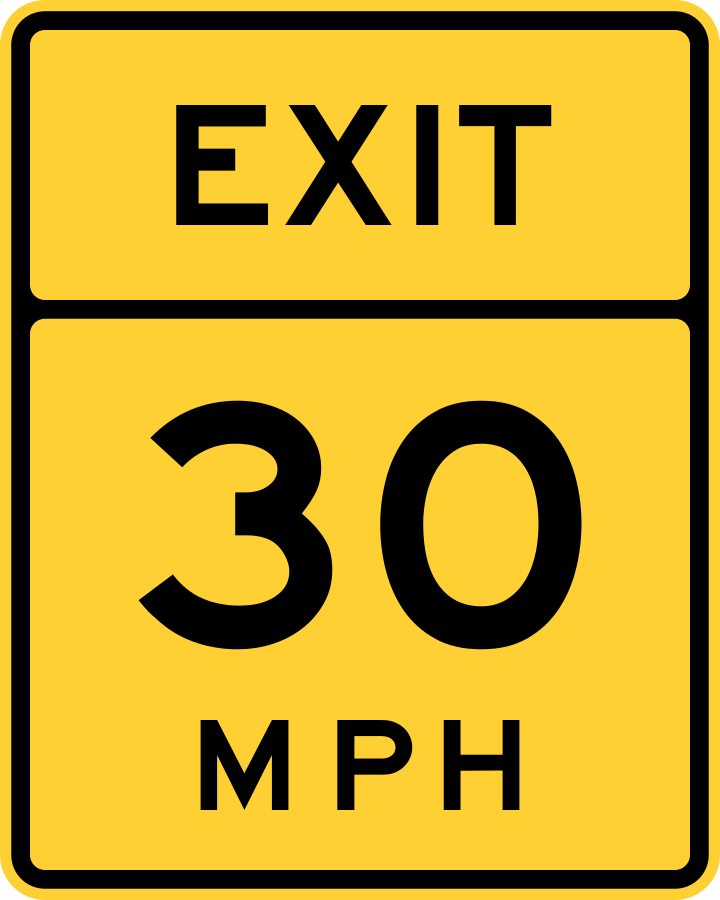 The sign in the picture:
A
shows the highest speed drivers can travel at the exit of the intersection.
B
is used to advise motorists of the appropriate ramp speed at the highway exit point.
C
indicates the minimum ramp speed at the highway exit point.
Answer Explanation
The correct driving rule is: is used to advise motorists of the appropriate ramp speed at the highway exit point. Following standard DMV road rules and practicing defensive driving ensures safety for all road users.
The correct driving rule is: is used to advise motorists of the appropriate ramp speed at the highway exit point. Following standard DMV road rules and practicing defensive driving ensures safety for all road users.
Question 31:
In the following situations, drivers should increase their following interval:
A
When following vehicles that are required to come to a stop at railroad crossings.
B
When it is hard to see ahead because of bad weather.
C
All of the above.
Answer Explanation
All of the listed points are essential driving requirements: When following vehicles that are required to come to a stop at railroad crossings; When it is hard to see ahead because of bad weather. Practicing each ensures compliance with DMV safety laws.
All of the listed points are essential driving requirements: When following vehicles that are required to come to a stop at railroad crossings; When it is hard to see ahead because of bad weather. Practicing each ensures compliance with DMV safety laws.
Question 32:
Drivers may continue carefully through a yellow light if:
A
there are no pedestrians crossing.
B
they are turning right.
C
they already are within the intersection.
D
an emergency vehicle is crossing your lane.
Answer Explanation
According to standard right-of-way regulations: they already are within the intersection. Yielding appropriately prevents intersection collisions and maintains safe traffic flow.
According to standard right-of-way regulations: they already are within the intersection. Yielding appropriately prevents intersection collisions and maintains safe traffic flow.
Question 33:
Bicyclists must:
A
ride in a bicycle lane, if available.
B
remain to the right when they prepare for a left turn.
C
remain near the left edge of the road.
Answer Explanation
The correct driving rule is: ride in a bicycle lane, if available. Following standard DMV road rules and practicing defensive driving ensures safety for all road users.
The correct driving rule is: ride in a bicycle lane, if available. Following standard DMV road rules and practicing defensive driving ensures safety for all road users.