Question 1:
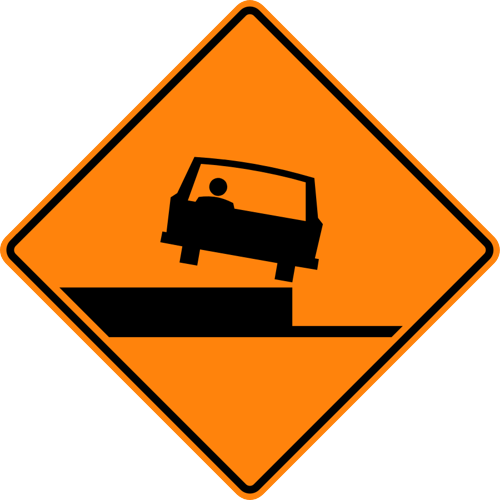 This road sign means:
A
Low shoulder
B
Stop ahead
C
Tow away zone
D
Buggy warning
This traffic sign indicates: Low shoulder. Observing and obeying all roadway signs ensures safe traffic flow and legal driving.
Question 2:
What is the meaning of orange traffic signs?
A
Yield.
B
Warning of school, pedestrian, and bicycling activity.
C
Construction and maintenance warning.
The correct driving rule is: Construction and maintenance warning. Following standard DMV road rules and practicing defensive driving ensures safety for all road users.
Question 3:
Which of the following may result in an arrest for driving under the influence of intoxicants (DUII)?
A
A controlled substance, such as prescription medicines or illegal drugs.
B
An inhalant, such as glue or paint.
C
Alcohol
D
All of the above.
All of the listed points are essential driving requirements: A controlled substance, such as prescription medicines or illegal drugs; An inhalant, such as glue or paint; Alcohol. Practicing each ensures compliance with DMV safety laws.
Question 4:
Braking distance is affected by:
A
the condition of your brakes and tires.
B
pavement conditions.
C
the speed your vehicle is traveling.
D
All of the above.
Hazardous road and weather conditions require extra caution: the condition of your brakes and tires; pavement conditions; the speed your vehicle is traveling. Reducing speed and expanding following distance preserves control.
Question 5:
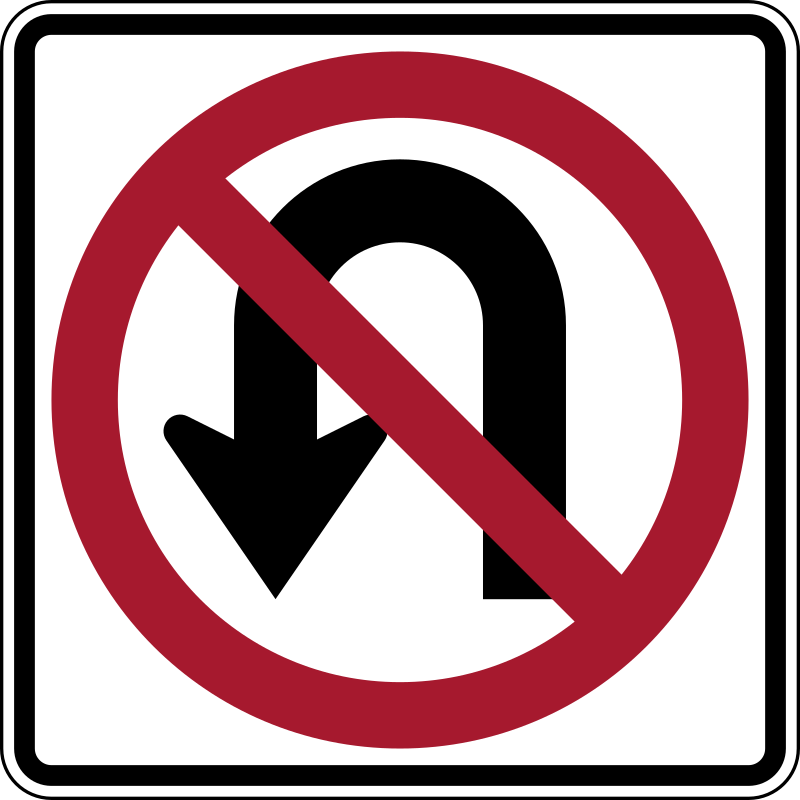 This road sign means:
A
No left turn
B
No U-turn
C
Detour ahead
This traffic sign indicates: No U-turn. Observing and obeying all roadway signs ensures safe traffic flow and legal driving.
Question 6:
Two solid yellow lines on the pavement mean:
A
passing is not allowed.
B
passing is allowed during daylight only.
C
passing is allowed for both drivers.
D
passing is allowed if you are at the top of a hill.
The correct driving rule is: passing is not allowed. Following standard DMV road rules and practicing defensive driving ensures safety for all road users.
Question 7:
When you are driving, turning your head and looking before changing lanes is:
A
a good driving habit.
B
unnecessary, you should use your rearview mirror instead.
C
a bad driving habit.
D
prohibited.
The correct driving rule is: a good driving habit. Following standard DMV road rules and practicing defensive driving ensures safety for all road users.
Question 8:
 This sign warns drivers that:
A
they must turn either to the right or left.
B
there is a double curve ahead.
C
there is a winding road ahead.
This traffic sign indicates: there is a winding road ahead. Observing and obeying all roadway signs ensures safe traffic flow and legal driving.
Question 9:
 A 4-way stop sign means:
A
The first vehicle to reach the intersection should move forward first.
B
Traffic from all four directions must stop.
C
There are four stop signs at the intersection.
D
All of the above.
This sign alerts drivers to several mandatory requirements: The first vehicle to reach the intersection should move forward first, Traffic from all four directions must stop, There are four stop signs at the intersection. Obeying all posted traffic control instructions is required by law.
Question 10:
At intersections marked with stop lines, drivers must:
A
come to a complete stop.
B
slow down and enter the intersection.
C
signal other vehicles to stop.
The correct driving rule is: come to a complete stop. Following standard DMV road rules and practicing defensive driving ensures safety for all road users.
Question 11:
A few drinks after work before driving home:
A
should be avoided because they impair your judgement.
B
should be avoided unless you really need them.
C
are acceptable as far as they are part of your daily routine.
D
have no effect on your driving ability.
The correct driving rule is: should be avoided because they impair your judgement. Following standard DMV road rules and practicing defensive driving ensures safety for all road users.
Question 12:
Two motorcyclists are allowed to:
A
ride side-by-side in a single lane.
B
share the lane with another vehicle.
C
race on empty roads.
The correct driving rule is: ride side-by-side in a single lane. Following standard DMV road rules and practicing defensive driving ensures safety for all road users.
Question 13:
 This road sign means:
A
You must come to a complete stop
B
Do not enter
C
Slow down, stop if necessary and yield the right-of-way
D
Merging traffic
A triangular Yield sign requires drivers to slow down and give right-of-way to other traffic: slow down, stop if necessary and yield the right-of-way. Proceed only when there is a safe opening.
Question 14:
When passing other vehicles, drivers should:
A
make sure the passing lane is clear of traffic, and check behind and to the left to make sure another vehicle is not attempting to pass.
B
pass the vehicle as slowly as possible.
C
apply the brake and slow down.
D
All of the above.
Defensive driving guidelines state that: make sure the passing lane is clear of traffic, and check behind and to the left to make sure another vehicle is not attempting to pass. Anticipating road hazards and communicating maneuvers keeps traffic predictable and safe.
Question 15:
When changing lanes on an interstate, drivers should:
A
use cruise control to increase traction whenever possible.
B
signal and check mirrors and blind spots.
C
change lanes often.
D
stop in the breakdown lane if they are tired.
The correct driving rule is: signal and check mirrors and blind spots. Following standard DMV road rules and practicing defensive driving ensures safety for all road users.
Question 16:
Drivers must yield the right-of-way to pedestrians when:
A
pedestrians are crossing the road in marked crosswalks.
B
All of the above.
C
the driver is turning a corner and pedestrians are crossing with the light.
Safe navigation at intersections requires following all established rules: pedestrians are crossing the road in marked crosswalks; the driver is turning a corner and pedestrians are crossing with the light. Always yield right-of-way properly to prevent collisions.
Question 17:
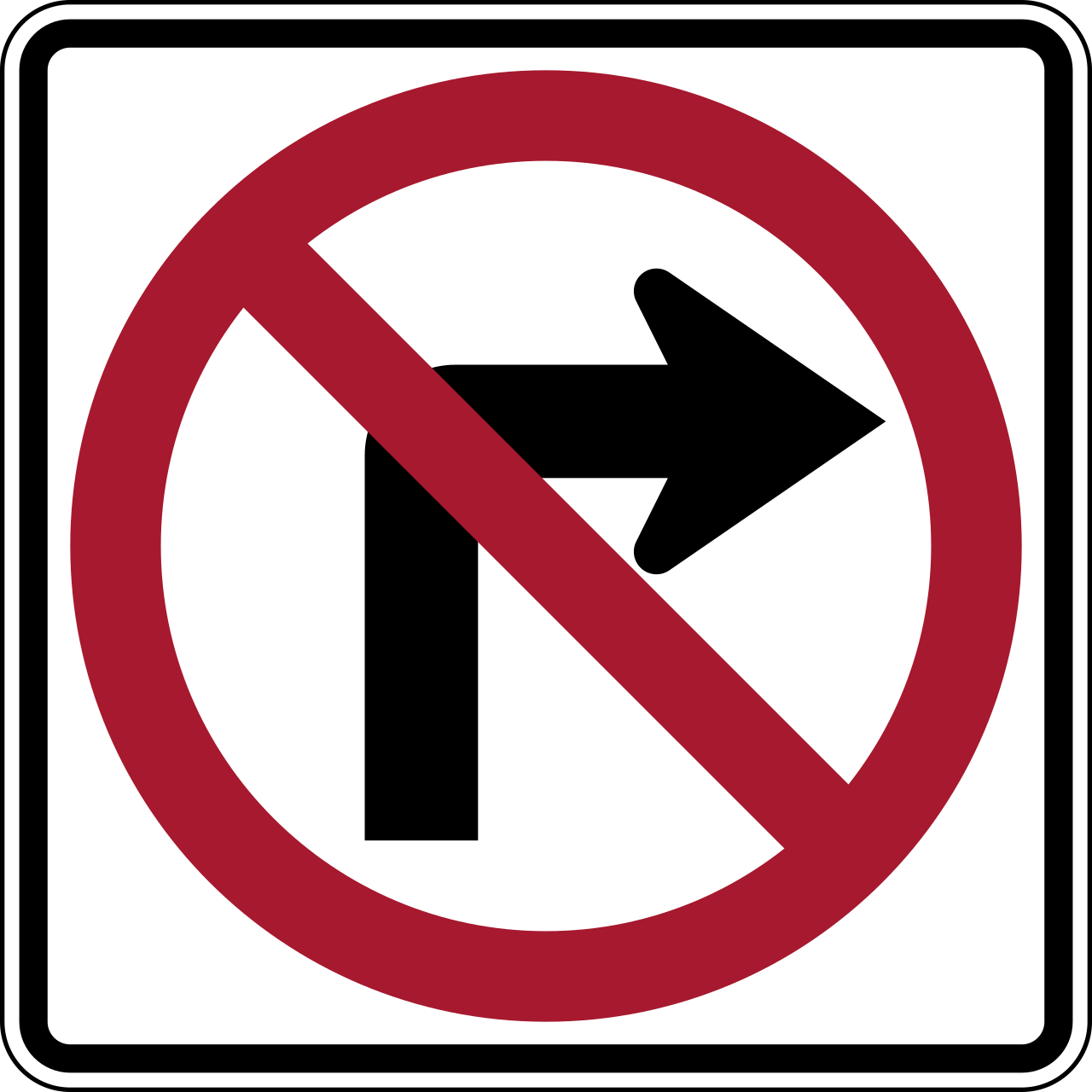 This road sign means:
A
No left turn
B
No right turn
C
No U-turns
This traffic sign indicates: No right turn. Observing and obeying all roadway signs ensures safe traffic flow and legal driving.
Question 18:
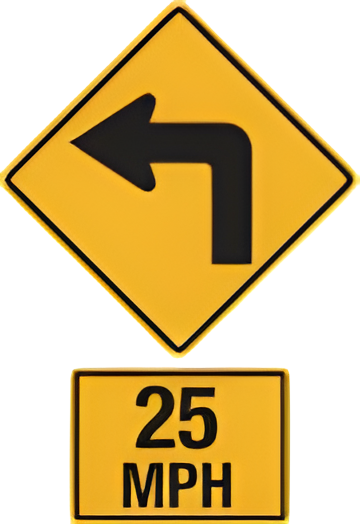 This road sign means:
A
Merge, then slow down to the safe speed indicated
B
The road ahead curves right; slow down to indicated speed
C
Winding road ahead; slow down to the indicated speed
D
Divided highway begins. Slow down to the safe speed indicated
This traffic sign indicates: The road ahead curves right; slow down to indicated speed. Observing and obeying all roadway signs ensures safe traffic flow and legal driving.
Question 19:
__________________ give you right-of-way to make a left turn.
A
A green arrow pointing left
B
A flashing red light
C
A flashing yellow light
D
A solid green light
When turning left across traffic lanes: A green arrow pointing left. You must yield to all oncoming vehicles and crossing pedestrians before completing the turn.
Question 20:
When you see an emergency vehicle with flashing lights, you must:
A
stop exactly where you are.
B
pull to the curb and stop.
C
speed up and take the nearest exit.
D
slow down and keep moving in your lane.
When sharing the road with other vehicles: pull to the curb and stop. Giving large vehicles and vulnerable users adequate clearance prevents dangerous accidents.
Question 21:
When you drive near parks and playgrounds, you should expect children:
A
not to cross unless they are with an adult.
B
to know when it is safe to cross.
C
to stop at the curb before crossing the street.
D
to suddenly run into the street.
The correct driving rule is: to suddenly run into the street. Following standard DMV road rules and practicing defensive driving ensures safety for all road users.
Question 22:
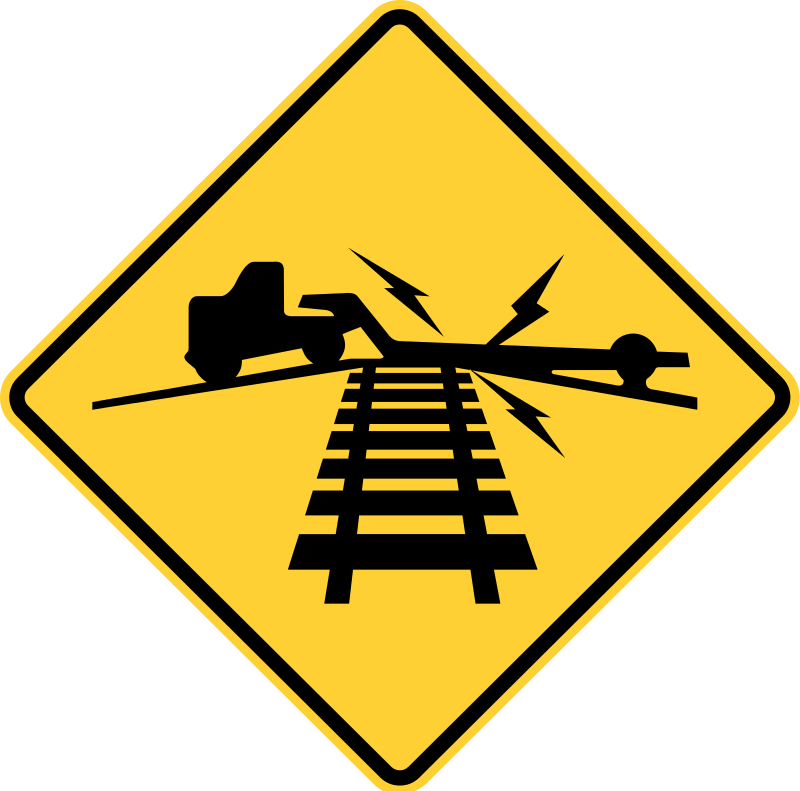 This road sign means:
A
Winding road ahead
B
Pedestrian crossing
C
Low ground railroad crossing
D
No-passing zone
Circular signs with an 'X' and 'RR' designate a Railroad Advance Warning: Low ground railroad crossing. Drivers must slow down, look both ways, listen for trains, and be prepared to stop.
Question 23:
Warning signs are normally:
A
blue.
B
yellow.
C
red.
D
green.
The correct driving rule is: yellow. Following standard DMV road rules and practicing defensive driving ensures safety for all road users.
Question 24:
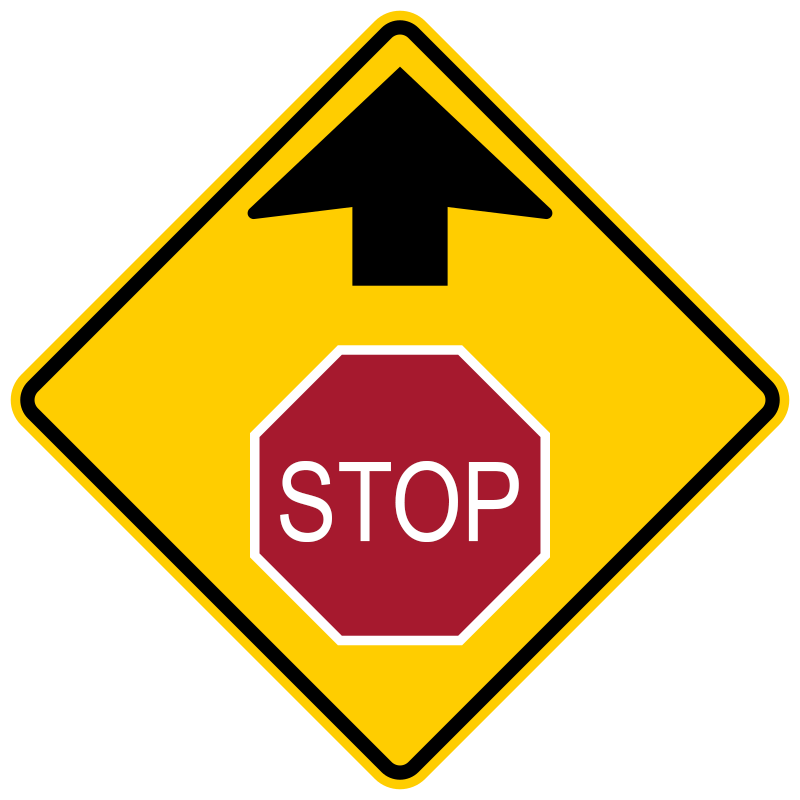 This road sign means:
A
Railroad Warning
B
Stop Sign Ahead
C
Lane ends
D
Stop if necessary
This traffic sign indicates: stop Sign Ahead. Observing and obeying all roadway signs ensures safe traffic flow and legal driving.
Question 25:
If your car breaks down on the highway, you should:
A
use your four-way flashers to warn other drivers.
B
sound your horn to warn passing vehicles.
C
flash your headlights at oncoming traffic.
D
stop in the right lane.
Defensive driving guidelines state that: use your four-way flashers to warn other drivers. Anticipating road hazards and communicating maneuvers keeps traffic predictable and safe.
Question 26:
If you drive much slower than the posted speed limit you:
A
are a defensive driver.
B
might cause a crash.
C
always have the right of way.
D
are driving safely and can avoid tailgaters.
For safe speed and stopping control: might cause a crash. Adjusting speed to match visibility and road traction prevents loss of steering grip.
Question 27:
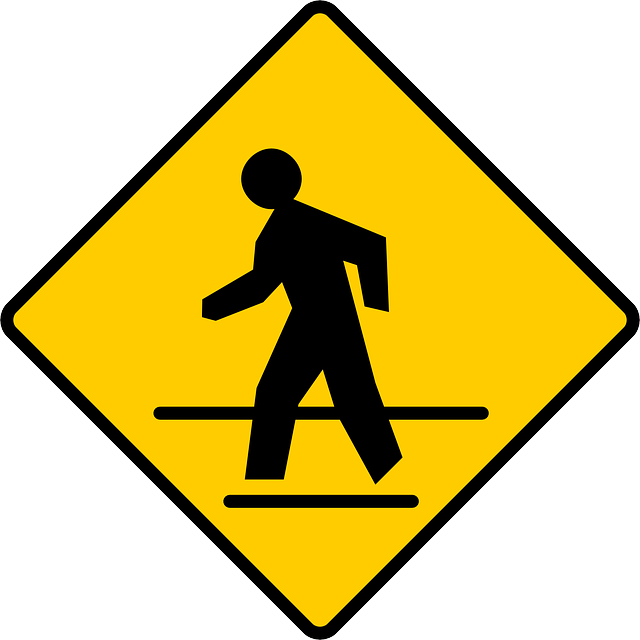 This road sign means:
A
Pedestrian crossing
B
School zone
C
School crossing
This traffic sign indicates: Pedestrian crossing. Observing and obeying all roadway signs ensures safe traffic flow and legal driving.
Question 28:
 The sign in the picture:
A
is a Construction and Maintenance Traffic Control sign.
B
is found at most intersections and indicates that drivers must yield to other vehicles.
C
is displayed on the rear of slow moving vehicles.
The correct driving rule is: is displayed on the rear of slow moving vehicles. Following standard DMV road rules and practicing defensive driving ensures safety for all road users.
Question 29:
An aggressive driver:
A
competes with other traffic.
B
weaves in and out of traffic.
C
shows little or no respect for traffic laws.
D
All of the above.
All of the listed points are essential driving requirements: competes with other traffic; weaves in and out of traffic; shows little or no respect for traffic laws. Practicing each ensures compliance with DMV safety laws.
Question 30:
What is the first thing to do when you make a three-point turn?
A
Signal with your left turn signal, then check carefully for traffic coming toward you.
B
Signal with your right turn signal, then pull over to the right and stop.
C
Turn left, go across the road so you come to a stop while you face the edge of the road.
The correct driving rule is: signal with your right turn signal, then pull over to the right and stop. Following standard DMV road rules and practicing defensive driving ensures safety for all road users.
Question 31:
This road sign means:
A
Slow down and be prepared to stop if necessary
B
You must come to a complete stop
C
You may proceed at regular speed through the intersection
D
Wrong Way
This traffic sign indicates: slow down and be prepared to stop if necessary. Observing and obeying all roadway signs ensures safe traffic flow and legal driving.
Question 32:
When are you allowed to drink alcoholic beverages in a vehicle on a public highway?
A
As long as you don’t drive.
B
Only if you ride in the back seat.
C
Only if you ride in the back of a pick-up truck.
D
Never.
Defensive driving guidelines state that: Never. Anticipating road hazards and communicating maneuvers keeps traffic predictable and safe.
Question 33:
To avoid crashes with vehicles in your blind spots, you should:
A
sound your horn right before turning or changing lanes.
B
adjust your rear-view mirrors every few minutes.
C
quickly turn your head to see if your blind spot is clear, before changing lanes.
D
None of the above.
The correct driving rule is: quickly turn your head to see if your blind spot is clear, before changing lanes. Following standard DMV road rules and practicing defensive driving ensures safety for all road users.