Question 1:
What type of pavement marking shows you which lane you must use for a turn?
A
Edge line
B
Diamond
C
Crosswalk Lines
D
Arrows
Answer Explanation
This traffic sign indicates: Arrows. Observing and obeying all roadway signs ensures safe traffic flow and legal driving.
This traffic sign indicates: Arrows. Observing and obeying all roadway signs ensures safe traffic flow and legal driving.
Question 2:
 This road sign means:
A
No left turn
B
No right turn
C
No U-turns
Answer Explanation
This traffic sign indicates: No right turn. Observing and obeying all roadway signs ensures safe traffic flow and legal driving.
This traffic sign indicates: No right turn. Observing and obeying all roadway signs ensures safe traffic flow and legal driving.
Question 3:
 This road sign means:
A
Traffic signal ahead
B
Stop
C
Yield the right-of-way
Answer Explanation
This traffic sign indicates: traffic signal ahead. Observing and obeying all roadway signs ensures safe traffic flow and legal driving.
This traffic sign indicates: traffic signal ahead. Observing and obeying all roadway signs ensures safe traffic flow and legal driving.
Question 4:
 This sign indicates:
A
a side road.
B
a cross road.
C
a church zone ahead.
Answer Explanation
This traffic sign indicates: a cross road. Observing and obeying all roadway signs ensures safe traffic flow and legal driving.
This traffic sign indicates: a cross road. Observing and obeying all roadway signs ensures safe traffic flow and legal driving.
Question 5:
If the entrance lane is too short to allow acceleration to highway speed, you should:
A
go to the next entrance ramp.
B
stop and wait for a large gap in traffic, then enter the highway and accelerate quickly.
C
merge into highway traffic as soon as possible.
Answer Explanation
For safe speed and stopping control: stop and wait for a large gap in traffic, then enter the highway and accelerate quickly. Adjusting speed to match visibility and road traction prevents loss of steering grip.
For safe speed and stopping control: stop and wait for a large gap in traffic, then enter the highway and accelerate quickly. Adjusting speed to match visibility and road traction prevents loss of steering grip.
Question 6:
Parking is not allowed:
A
in an intersection, unless permitted by signs.
B
within 300 feet of a pedestrian safety area.
C
on public roads
Answer Explanation
Under standard parking and curb regulations: in an intersection, unless permitted by signs. Following parking distance clearances keeps roadways unobstructed and emergency lanes accessible.
Under standard parking and curb regulations: in an intersection, unless permitted by signs. Following parking distance clearances keeps roadways unobstructed and emergency lanes accessible.
Question 7:
You are driving in the far right lane of a four lane freeway and notice broken white lines on the left side of your lane. You are driving:
A
on the entrance ramp.
B
in a special lane for slow moving vehicles.
C
in an exit lane.
Answer Explanation
Defensive driving guidelines state that: in an exit lane. Anticipating road hazards and communicating maneuvers keeps traffic predictable and safe.
Defensive driving guidelines state that: in an exit lane. Anticipating road hazards and communicating maneuvers keeps traffic predictable and safe.
Question 8:
Blind spots are:
A
Dangerous intersection where the maximum speed limit is 15 MPH or less.
B
At night, the darkest areas of a road, where emergency flashers should be used.
C
Areas to the side or rear of a vehicle that the driver cannot see with use of mirrors.
Answer Explanation
The correct driving rule is: Areas to the side or rear of a vehicle that the driver cannot see with use of mirrors. Following standard DMV road rules and practicing defensive driving ensures safety for all road users.
The correct driving rule is: Areas to the side or rear of a vehicle that the driver cannot see with use of mirrors. Following standard DMV road rules and practicing defensive driving ensures safety for all road users.
Question 9:
A person walking with a white cane or guide dog is likely to be:
A
a deaf person.
B
a traffic enforcement officer.
C
a blind person.
Answer Explanation
The correct driving rule is: a blind person. Following standard DMV road rules and practicing defensive driving ensures safety for all road users.
The correct driving rule is: a blind person. Following standard DMV road rules and practicing defensive driving ensures safety for all road users.
Question 10:
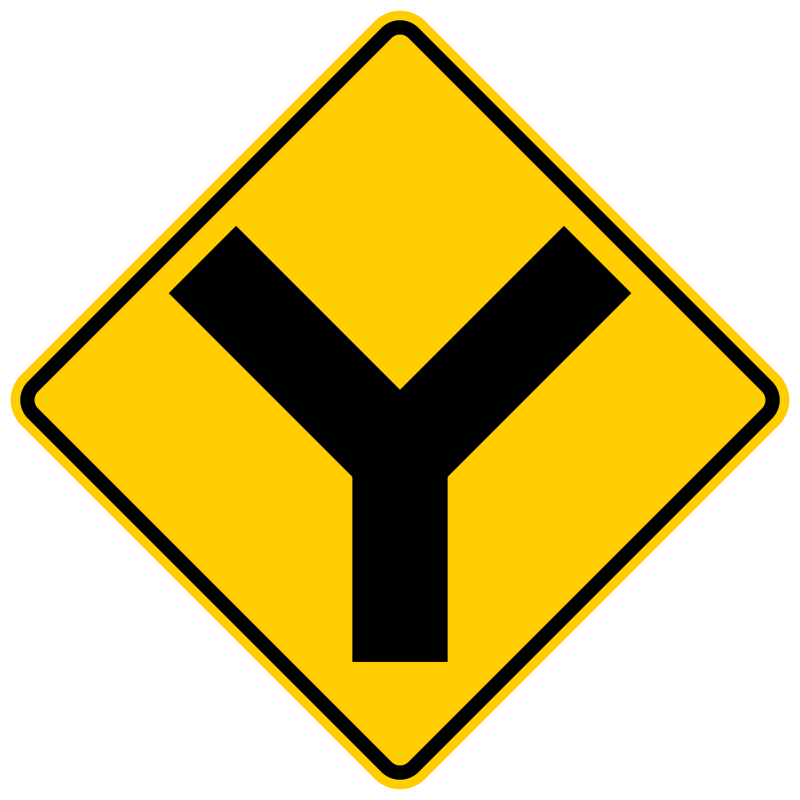 This road sign means:
A
A road joins from the left
B
You must bear either right or left
C
A 3-way intersection is ahead
Answer Explanation
This traffic sign indicates: you must bear either right or left. Observing and obeying all roadway signs ensures safe traffic flow and legal driving.
This traffic sign indicates: you must bear either right or left. Observing and obeying all roadway signs ensures safe traffic flow and legal driving.
Question 11:
In bad weather conditions, when visibility is low, drivers should:
A
drive in the lane closest to oncoming traffic.
B
speed up to get off the road quickly.
C
increase their following distance.
Answer Explanation
The correct driving rule is: increase their following distance. Following standard DMV road rules and practicing defensive driving ensures safety for all road users.
The correct driving rule is: increase their following distance. Following standard DMV road rules and practicing defensive driving ensures safety for all road users.
Question 12:
To be able to turn quickly, your hands should be:
A
placed outside of the steering wheel on opposite sides
B
next to each other on the top of the steering wheel.
C
on the steering wheel, so they are at the 6 and 12 o'clock positions.
Answer Explanation
The correct driving rule is: placed outside of the steering wheel on opposite sides. Following standard DMV road rules and practicing defensive driving ensures safety for all road users.
The correct driving rule is: placed outside of the steering wheel on opposite sides. Following standard DMV road rules and practicing defensive driving ensures safety for all road users.
Question 13:
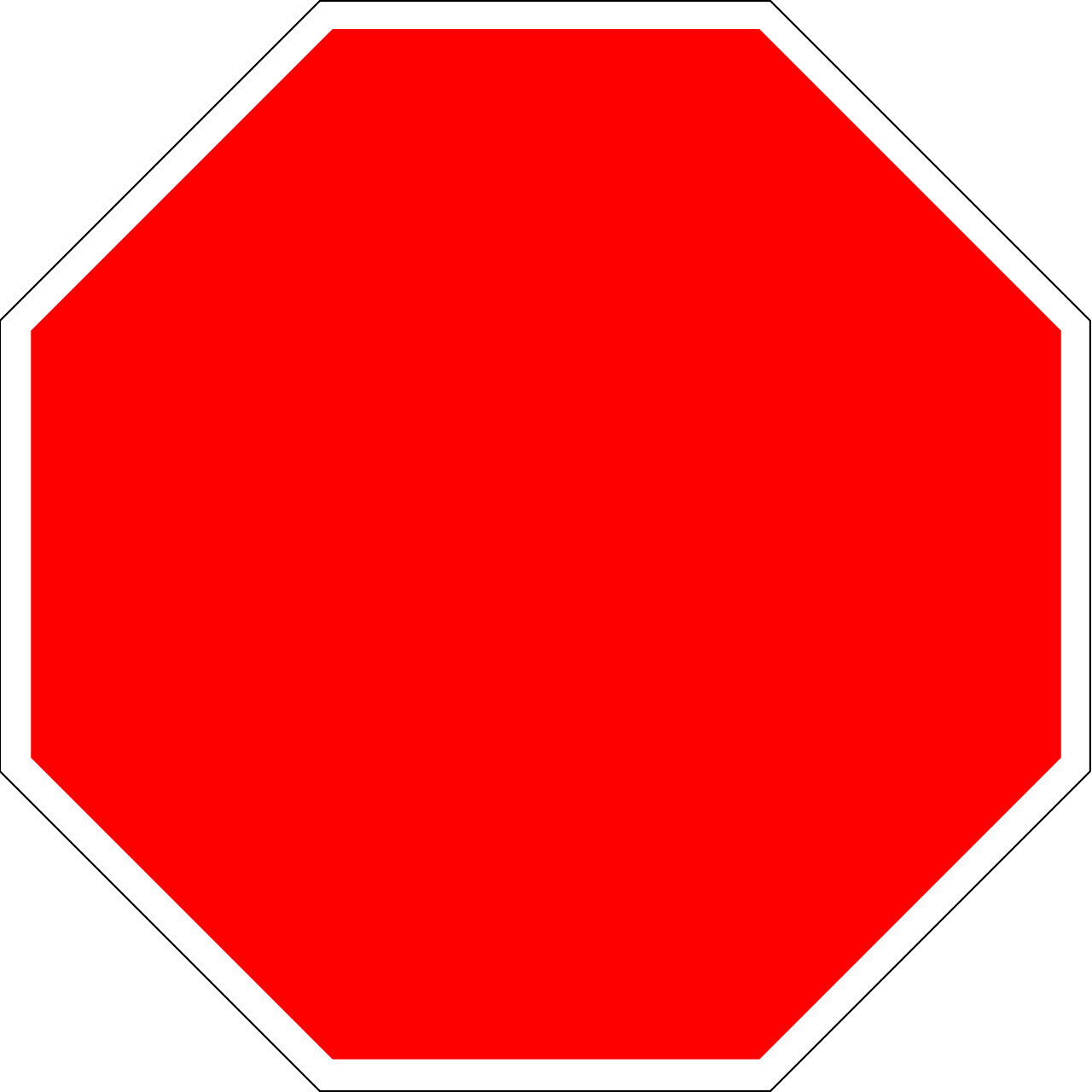 This road sign means:
A
Be prepared to stop if necessary
B
Slow down and be prepared to stop
C
Stop and yield to pedestrians and cross traffic
Answer Explanation
A triangular Yield sign requires drivers to slow down and give right-of-way to other traffic: stop and yield to pedestrians and cross traffic. Proceed only when there is a safe opening.
A triangular Yield sign requires drivers to slow down and give right-of-way to other traffic: stop and yield to pedestrians and cross traffic. Proceed only when there is a safe opening.
Question 14:
Two drivers reach an uncontrolled intersection at the same time. Who has the right of way?
A
The driver on the left.
B
No one.
C
The driver on the right.
Answer Explanation
At an uncontrolled intersection or 4-way stop where vehicles arrive at the same time: The driver on the right. The driver on the left must always yield to the driver on the right.
At an uncontrolled intersection or 4-way stop where vehicles arrive at the same time: The driver on the right. The driver on the left must always yield to the driver on the right.
Question 15:
 This road sign means:
A
Slow down or stop
B
Stop
C
Road narrows ahead
Answer Explanation
This traffic sign indicates: stop. Observing and obeying all roadway signs ensures safe traffic flow and legal driving.
This traffic sign indicates: stop. Observing and obeying all roadway signs ensures safe traffic flow and legal driving.
Question 16:
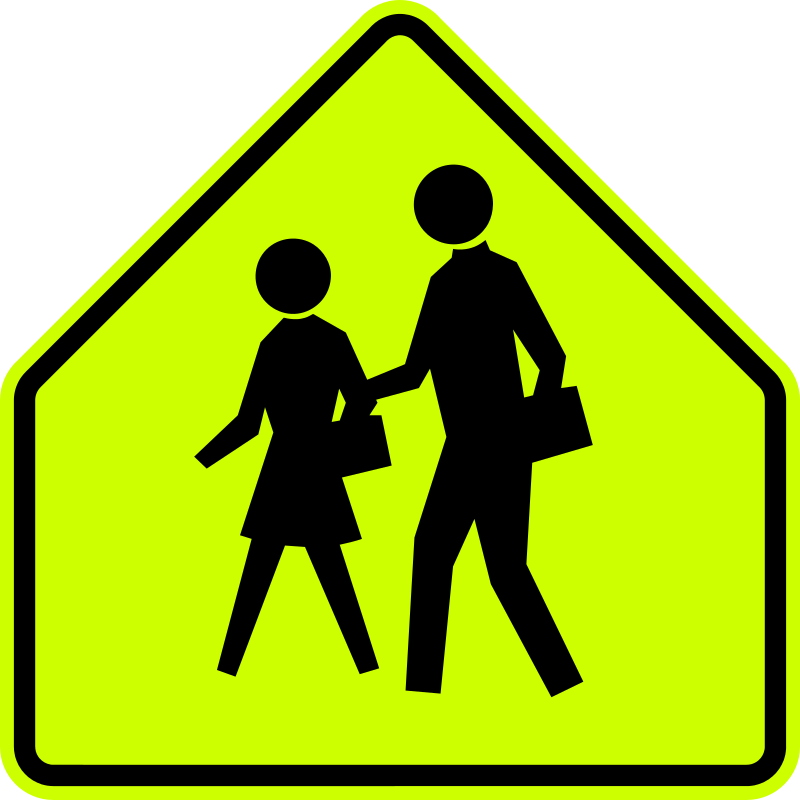 This road sign means:
A
School crossing
B
Playground ahead
C
Pedestrian crossing
Answer Explanation
Pentagonal (5-sided) signs are exclusively reserved for school zones and school crossings: School crossing. Drivers must reduce speed and yield right-of-way to all crossing children.
Pentagonal (5-sided) signs are exclusively reserved for school zones and school crossings: School crossing. Drivers must reduce speed and yield right-of-way to all crossing children.
Question 17:
If you park facing uphill where there is NO curb, you should set the parking brake and:
A
turn the wheels toward the curb.
B
leave the wheels straight.
C
turn the wheels toward the edge of the road.
Answer Explanation
When parking uphill with a curb: turn the wheels toward the edge of the road. Turn wheels away from the curb (left) so the back of the front tire catches the curb if brakes slip.
When parking uphill with a curb: turn the wheels toward the edge of the road. Turn wheels away from the curb (left) so the back of the front tire catches the curb if brakes slip.
Question 18:
You reach an intersection that is not controlled at the same time as a driver on your right, and both of you prepare to go straight. Who has the right-of-way?
A
You.
B
No one.
C
The other driver.
Answer Explanation
According to standard right-of-way regulations: The other driver. Yielding appropriately prevents intersection collisions and maintains safe traffic flow.
According to standard right-of-way regulations: The other driver. Yielding appropriately prevents intersection collisions and maintains safe traffic flow.
Question 19:
At intersections marked with stop lines, drivers must:
A
come to a complete stop.
B
slow down and enter the intersection.
C
signal other vehicles to stop.
Answer Explanation
The correct driving rule is: come to a complete stop. Following standard DMV road rules and practicing defensive driving ensures safety for all road users.
The correct driving rule is: come to a complete stop. Following standard DMV road rules and practicing defensive driving ensures safety for all road users.
Question 20:
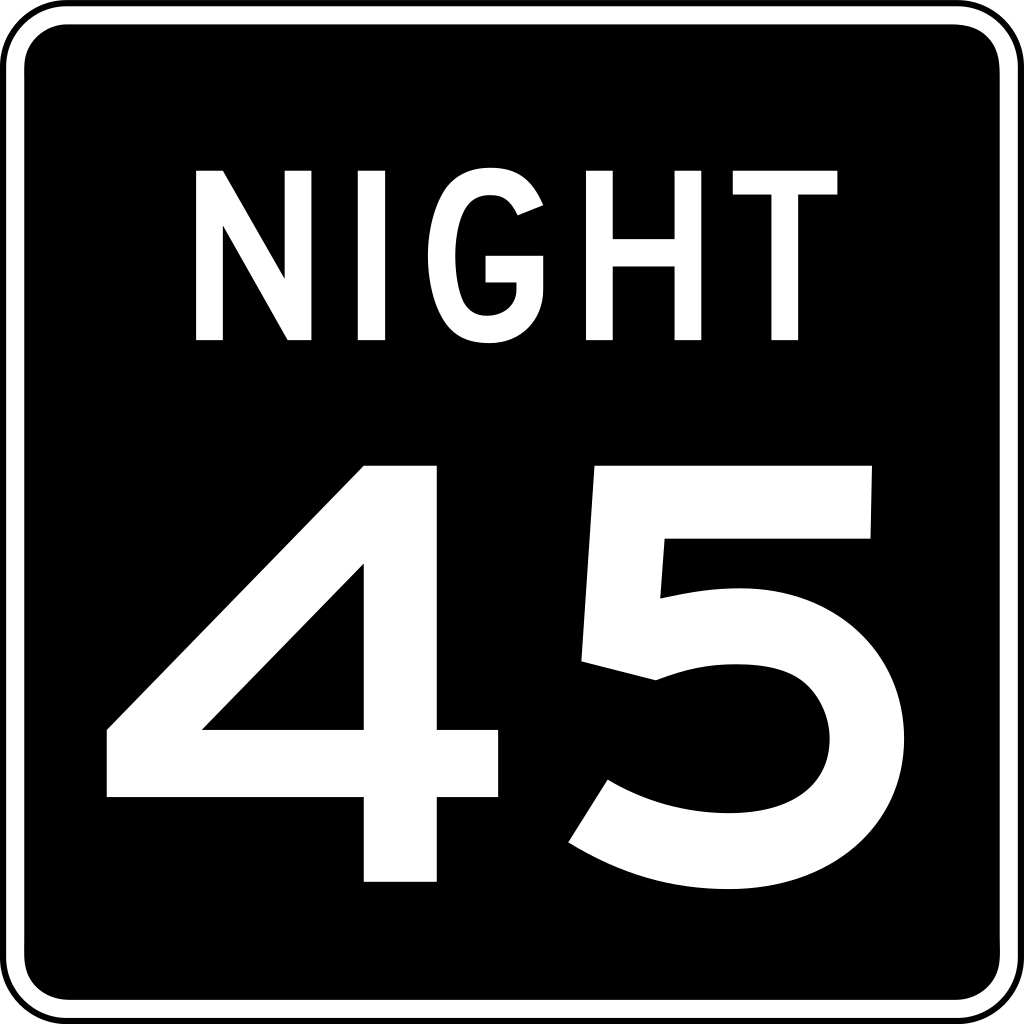 This sign means:
A
Take route 45 if you are driving at night.
B
The night-time speed limit is 45 MPH.
C
The minimum speed limit is 45 MPH.
Answer Explanation
This traffic sign indicates: The night-time speed limit is 45 MPH. Observing and obeying all roadway signs ensures safe traffic flow and legal driving.
This traffic sign indicates: The night-time speed limit is 45 MPH. Observing and obeying all roadway signs ensures safe traffic flow and legal driving.
Question 21:
When you prepare to make a left turn from a one-way road into a one-way road, you must:
A
move into the right lane, or to the left side of a single lane.
B
move into the right lane, or to the right side of a single lane.
C
move into the left lane, or to the left side of a single lane.
Answer Explanation
The correct driving rule is: move into the left lane, or to the left side of a single lane. Following standard DMV road rules and practicing defensive driving ensures safety for all road users.
The correct driving rule is: move into the left lane, or to the left side of a single lane. Following standard DMV road rules and practicing defensive driving ensures safety for all road users.
Question 22:
Large trucks:
A
have high-tech air brakes which allow them to stop quickly.
B
take longer to stop than passenger vehicles.
C
are more maneuverable than passenger vehicles.
Answer Explanation
The correct driving rule is: take longer to stop than passenger vehicles. Following standard DMV road rules and practicing defensive driving ensures safety for all road users.
The correct driving rule is: take longer to stop than passenger vehicles. Following standard DMV road rules and practicing defensive driving ensures safety for all road users.
Question 23:
What is the main reason night driving is more difficult than daytime driving?
A
The use of headlight is required by law.
B
Reduced visibility.
C
Driving within the range.
Answer Explanation
The correct driving rule is: Reduced visibility. Following standard DMV road rules and practicing defensive driving ensures safety for all road users.
The correct driving rule is: Reduced visibility. Following standard DMV road rules and practicing defensive driving ensures safety for all road users.
Question 24:
 This sign means:
A
Not enter
B
Detour to the right
C
The road to the right is for one-way traffic only
Answer Explanation
This traffic sign indicates: Detour to the right. Observing and obeying all roadway signs ensures safe traffic flow and legal driving.
This traffic sign indicates: Detour to the right. Observing and obeying all roadway signs ensures safe traffic flow and legal driving.
Question 25:
 This sign indicates the _______________ vehicles can safely travel in this area.
A
suggested speed
B
maximum speed
C
minimum speed
Answer Explanation
This traffic sign indicates: maximum speed. Observing and obeying all roadway signs ensures safe traffic flow and legal driving.
This traffic sign indicates: maximum speed. Observing and obeying all roadway signs ensures safe traffic flow and legal driving.
Question 26:
Some roadway surfaces are more slippery during certain times or at certain places. Which of the following is more likely to be slippery on cold, wet days?
A
Roundabouts and traffic circles.
B
Roads in shady areas.
C
Asphalt rather than concrete roads.
Answer Explanation
For safe speed and stopping control: Roads in shady areas. Adjusting speed to match visibility and road traction prevents loss of steering grip.
For safe speed and stopping control: Roads in shady areas. Adjusting speed to match visibility and road traction prevents loss of steering grip.
Question 27:
You are stopped at a stop sign and you are going to go straight through the intersection. A car on the cross road has stopped at a stop sign on your right and is going to go straight. Who has the right-of-way?
A
Whoever enters the intersection first.
B
You.
C
The car on your right.
Answer Explanation
According to standard right-of-way regulations: The car on your right. Yielding appropriately prevents intersection collisions and maintains safe traffic flow.
According to standard right-of-way regulations: The car on your right. Yielding appropriately prevents intersection collisions and maintains safe traffic flow.
Question 28:
When driving behind a motorcycle, drivers should:
A
slow down.
B
be ready to sound the horn.
C
increase the following distance.
Answer Explanation
Motorcycles can stop rapidly and are easily hidden in vehicle blind spots: increase the following distance. Always allow an increased following distance of at least 3 to 4 seconds.
Motorcycles can stop rapidly and are easily hidden in vehicle blind spots: increase the following distance. Always allow an increased following distance of at least 3 to 4 seconds.
Question 29:
At crossings with more than one track, you should cross:
A
only when the train is out of sight.
B
as soon as the train has passed.
C
only when the train is well down the track.
Answer Explanation
The correct driving rule is: only when the train is well down the track. Following standard DMV road rules and practicing defensive driving ensures safety for all road users.
The correct driving rule is: only when the train is well down the track. Following standard DMV road rules and practicing defensive driving ensures safety for all road users.
Question 30:
Aggressive driving behaviors can include:
A
excessive following distance.
B
erratic lane changes.
C
a tendency to drive slow.
Answer Explanation
The correct driving rule is: erratic lane changes. Following standard DMV road rules and practicing defensive driving ensures safety for all road users.
The correct driving rule is: erratic lane changes. Following standard DMV road rules and practicing defensive driving ensures safety for all road users.