Question 1:
Drivers should check their rearview mirrors:
A
often to see how traffic is moving behind them.
B
only when slowing down.
C
to see if a truck is in their blind spot.
Answer Explanation
The correct driving rule is: often to see how traffic is moving behind them. Following standard DMV road rules and practicing defensive driving ensures safety for all road users.
The correct driving rule is: often to see how traffic is moving behind them. Following standard DMV road rules and practicing defensive driving ensures safety for all road users.
Question 2:
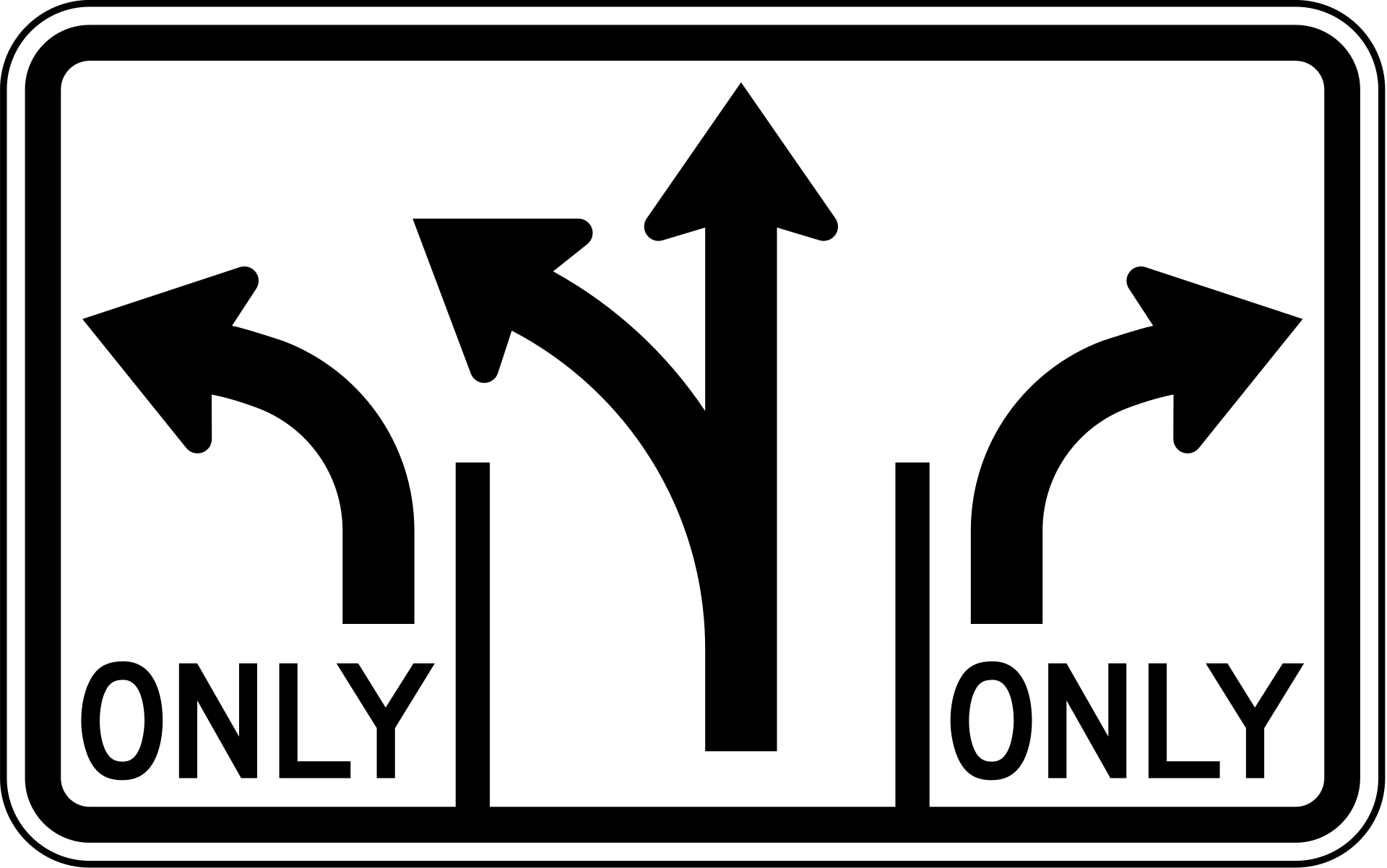 This regulatory sign tells drivers that:
A
traffic in the left lane must turn left at the intersection ahead.
B
all vehicles must turn left immediately.
C
traffic in the right lane must go straight.
Answer Explanation
This traffic sign indicates: traffic in the left lane must turn left at the intersection ahead. Observing and obeying all roadway signs ensures safe traffic flow and legal driving.
This traffic sign indicates: traffic in the left lane must turn left at the intersection ahead. Observing and obeying all roadway signs ensures safe traffic flow and legal driving.
Question 3:
After parking, are you allowed to open a door on the road side of your vehicle?
A
Yes, always.
B
Yes, but only if it does not interfere with bicyclists and other traffic.
C
No, never.
Answer Explanation
Under standard parking and curb regulations: Yes, but only if it does not interfere with bicyclists and other traffic. Following parking distance clearances keeps roadways unobstructed and emergency lanes accessible.
Under standard parking and curb regulations: Yes, but only if it does not interfere with bicyclists and other traffic. Following parking distance clearances keeps roadways unobstructed and emergency lanes accessible.
Question 4:
If the roadway is wet, you should:
A
increase your speed.
B
reduce your speed.
C
maintain the same speed.
Answer Explanation
The correct driving rule is: reduce your speed. Following standard DMV road rules and practicing defensive driving ensures safety for all road users.
The correct driving rule is: reduce your speed. Following standard DMV road rules and practicing defensive driving ensures safety for all road users.
Question 5:
When entering an interstate highway, drivers should:
A
check for cars and slow down to 25 MPH before merging with the flow of traffic.
B
wait for an opening in traffic on the entrance ramp.
C
adjust speed to meet a traffic gap, then merge at a safe speed.
Answer Explanation
Defensive driving guidelines state that: adjust speed to meet a traffic gap, then merge at a safe speed. Anticipating road hazards and communicating maneuvers keeps traffic predictable and safe.
Defensive driving guidelines state that: adjust speed to meet a traffic gap, then merge at a safe speed. Anticipating road hazards and communicating maneuvers keeps traffic predictable and safe.
Question 6:
There is no crosswalk and a pedestrian is crossing your lane ahead. You should:
A
stop and let the pedestrian finish crossing the street.
B
slow down as you pass the pedestrian.
C
make eye contact and then pass the pedestrian.
Answer Explanation
Drivers must always yield the right-of-way to pedestrians crossing at intersections and crosswalks: stop and let the pedestrian finish crossing the street. Stop and allow them to clear the lane safely.
Drivers must always yield the right-of-way to pedestrians crossing at intersections and crosswalks: stop and let the pedestrian finish crossing the street. Stop and allow them to clear the lane safely.
Question 7:
At a stop sign there is no stop line or crosswalk. You must stop:
A
before you enter the intersection.
B
at the next crosswalk.
C
after you enter the intersection, if you have a clear view of traffic on the intersecting roadway.
Answer Explanation
Drivers must always yield the right-of-way to pedestrians crossing at intersections and crosswalks: before you enter the intersection. Stop and allow them to clear the lane safely.
Drivers must always yield the right-of-way to pedestrians crossing at intersections and crosswalks: before you enter the intersection. Stop and allow them to clear the lane safely.
Question 8:
What should drivers do when the red lights begin to flash?
A
Stop.
B
Yield.
C
Slow down.
Answer Explanation
The correct driving rule is: stop. Following standard DMV road rules and practicing defensive driving ensures safety for all road users.
The correct driving rule is: stop. Following standard DMV road rules and practicing defensive driving ensures safety for all road users.
Question 9:
When you see pedestrians near the road, you should:
A
speed up to clear the area quickly.
B
sound your horn and maintain your current speed.
C
slow down and pass with caution.
Answer Explanation
The correct driving rule is: slow down and pass with caution. Following standard DMV road rules and practicing defensive driving ensures safety for all road users.
The correct driving rule is: slow down and pass with caution. Following standard DMV road rules and practicing defensive driving ensures safety for all road users.
Question 10:
What is the meaning of orange traffic signs?
A
Yield.
B
Warning of school, pedestrian, and bicycling activity.
C
Construction and maintenance warning.
Answer Explanation
The correct driving rule is: Construction and maintenance warning. Following standard DMV road rules and practicing defensive driving ensures safety for all road users.
The correct driving rule is: Construction and maintenance warning. Following standard DMV road rules and practicing defensive driving ensures safety for all road users.
Question 11:
 This sign means:
A
Bicycles should yield to vehicles ahead.
B
Warning: a bikeway crosses the roadway ahead.
C
The lane ahead is reserved for bicycles.
Answer Explanation
This traffic sign indicates: Warning: a bikeway crosses the roadway ahead. Observing and obeying all roadway signs ensures safe traffic flow and legal driving.
This traffic sign indicates: Warning: a bikeway crosses the roadway ahead. Observing and obeying all roadway signs ensures safe traffic flow and legal driving.
Question 12:
 This road sign means:
A
Keep left
B
Divided highway begins
C
Lane ends
Answer Explanation
This traffic sign indicates: Divided highway begins. Observing and obeying all roadway signs ensures safe traffic flow and legal driving.
This traffic sign indicates: Divided highway begins. Observing and obeying all roadway signs ensures safe traffic flow and legal driving.
Question 13:
Night driving can be more difficult because:
A
vehicle speed and distance are harder to judge.
B
there are more cars on the roads at night.
C
the speed limit is increased at night.
Answer Explanation
The correct driving rule is: vehicle speed and distance are harder to judge. Following standard DMV road rules and practicing defensive driving ensures safety for all road users.
The correct driving rule is: vehicle speed and distance are harder to judge. Following standard DMV road rules and practicing defensive driving ensures safety for all road users.
Question 14:
 This road sign means:
A
Right turn is not permitted
B
Left turns are permitted
C
You may turn right after yielding the right-of-way to oncoming traffic
Answer Explanation
This traffic sign indicates: Right turn is not permitted. Observing and obeying all roadway signs ensures safe traffic flow and legal driving.
This traffic sign indicates: Right turn is not permitted. Observing and obeying all roadway signs ensures safe traffic flow and legal driving.
Question 15:
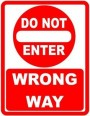 This road sign means:
A
Drivers may proceed if the way is clear
B
Drivers are about to enter a one way street the wrong way
C
U-turns are prohibited
Answer Explanation
This traffic sign indicates: drivers are about to enter a one way street the wrong way. Observing and obeying all roadway signs ensures safe traffic flow and legal driving.
This traffic sign indicates: drivers are about to enter a one way street the wrong way. Observing and obeying all roadway signs ensures safe traffic flow and legal driving.
Question 16:
Which statement about taking medications and driving is true?
A
Cold medications can make a person drowsy.
B
Prescribed drugs are safe to take at any time.
C
Over the counter drugs do not affect driving ability.
Answer Explanation
The correct driving rule is: Cold medications can make a person drowsy. Following standard DMV road rules and practicing defensive driving ensures safety for all road users.
The correct driving rule is: Cold medications can make a person drowsy. Following standard DMV road rules and practicing defensive driving ensures safety for all road users.
Question 17:
If you approach a flashing red traffic light, you should treat the intersection the same as:
A
a yield sign.
B
a stop sign.
C
a warning sign.
Answer Explanation
When an emergency vehicle approaches with flashing lights or sirens, you must safely pull over to the right curb and stop completely until it passes.
When an emergency vehicle approaches with flashing lights or sirens, you must safely pull over to the right curb and stop completely until it passes.
Question 18:
 When you see a 'merging traffic' sign on the freeway, you should:
A
slow down to allow traffic to enter.
B
move to another lane to let traffic enter, if safe.
C
speed up to avoid congesting traffic.
Answer Explanation
Defensive driving guidelines state that: move to another lane to let traffic enter, if safe. Anticipating road hazards and communicating maneuvers keeps traffic predictable and safe.
Defensive driving guidelines state that: move to another lane to let traffic enter, if safe. Anticipating road hazards and communicating maneuvers keeps traffic predictable and safe.
Question 19:
Always driving slower than other traffic:
A
is a good defensive driving technique.
B
is always safer than driving faster than other traffic.
C
can block traffic.
Answer Explanation
The correct driving rule is: can block traffic. Following standard DMV road rules and practicing defensive driving ensures safety for all road users.
The correct driving rule is: can block traffic. Following standard DMV road rules and practicing defensive driving ensures safety for all road users.
Question 20:
If you encounter an aggressive driver you should:
A
show them how to drive defensively.
B
speed up.
C
get out of their way.
Answer Explanation
The correct driving rule is: get out of their way. Following standard DMV road rules and practicing defensive driving ensures safety for all road users.
The correct driving rule is: get out of their way. Following standard DMV road rules and practicing defensive driving ensures safety for all road users.
Question 21:
Stopping distances:
A
are not affected by vehicle speed.
B
decrease as vehicle speed increases.
C
increase as vehicle speed increases.
Answer Explanation
The correct driving rule is: increase as vehicle speed increases. Following standard DMV road rules and practicing defensive driving ensures safety for all road users.
The correct driving rule is: increase as vehicle speed increases. Following standard DMV road rules and practicing defensive driving ensures safety for all road users.
Question 22:
When turning left at an intersection:
A
you should never yield to oncoming traffic and pedestrians.
B
oncoming traffic and pedestrians should yield to you.
C
you should always yield to oncoming traffic and pedestrians.
Answer Explanation
According to standard right-of-way regulations: you should always yield to oncoming traffic and pedestrians. Yielding appropriately prevents intersection collisions and maintains safe traffic flow.
According to standard right-of-way regulations: you should always yield to oncoming traffic and pedestrians. Yielding appropriately prevents intersection collisions and maintains safe traffic flow.
Question 23:
On roadways, bicyclists are considered:
A
a distraction.
B
defensive drivers.
C
vehicles.
Answer Explanation
The correct driving rule is: vehicles. Following standard DMV road rules and practicing defensive driving ensures safety for all road users.
The correct driving rule is: vehicles. Following standard DMV road rules and practicing defensive driving ensures safety for all road users.
Question 24:
On average, how long does it take your body to remove the alcohol contained in 5 ounces of wine?
A
one hour.
B
30 minutes.
C
3 hours.
Answer Explanation
Under state DUI and traffic safety laws: one hour. Alcohol degrades judgment, slows reaction times, and distorts depth perception.
Under state DUI and traffic safety laws: one hour. Alcohol degrades judgment, slows reaction times, and distorts depth perception.
Question 25:
Who has a greater risk of being involved in a traffic crash?
A
Drivers who are driving alone.
B
Young people.
C
All of the above.
Answer Explanation
All of the listed points are essential driving requirements: Drivers who are driving alone; Young people. Practicing each ensures compliance with DMV safety laws.
All of the listed points are essential driving requirements: Drivers who are driving alone; Young people. Practicing each ensures compliance with DMV safety laws.