DriveQuiz drivequiz.com

CT DMV PERMİT PRACTİCE TEST 2

Connecticut
Duration: 23 min
|
Questions: 25
Student Name:
Date:
Correct:      Incorrect:      Score:      
1.
Drivers should check their rearview mirrors:
A) often to see how traffic is moving behind them.
B) only when slowing down.
C) to see if a truck is in their blind spot.
2.
Warns of a traffic signal ahead that may not yet be visible due to a curve or hill. Be prepared to slow down and stop if the light changes.
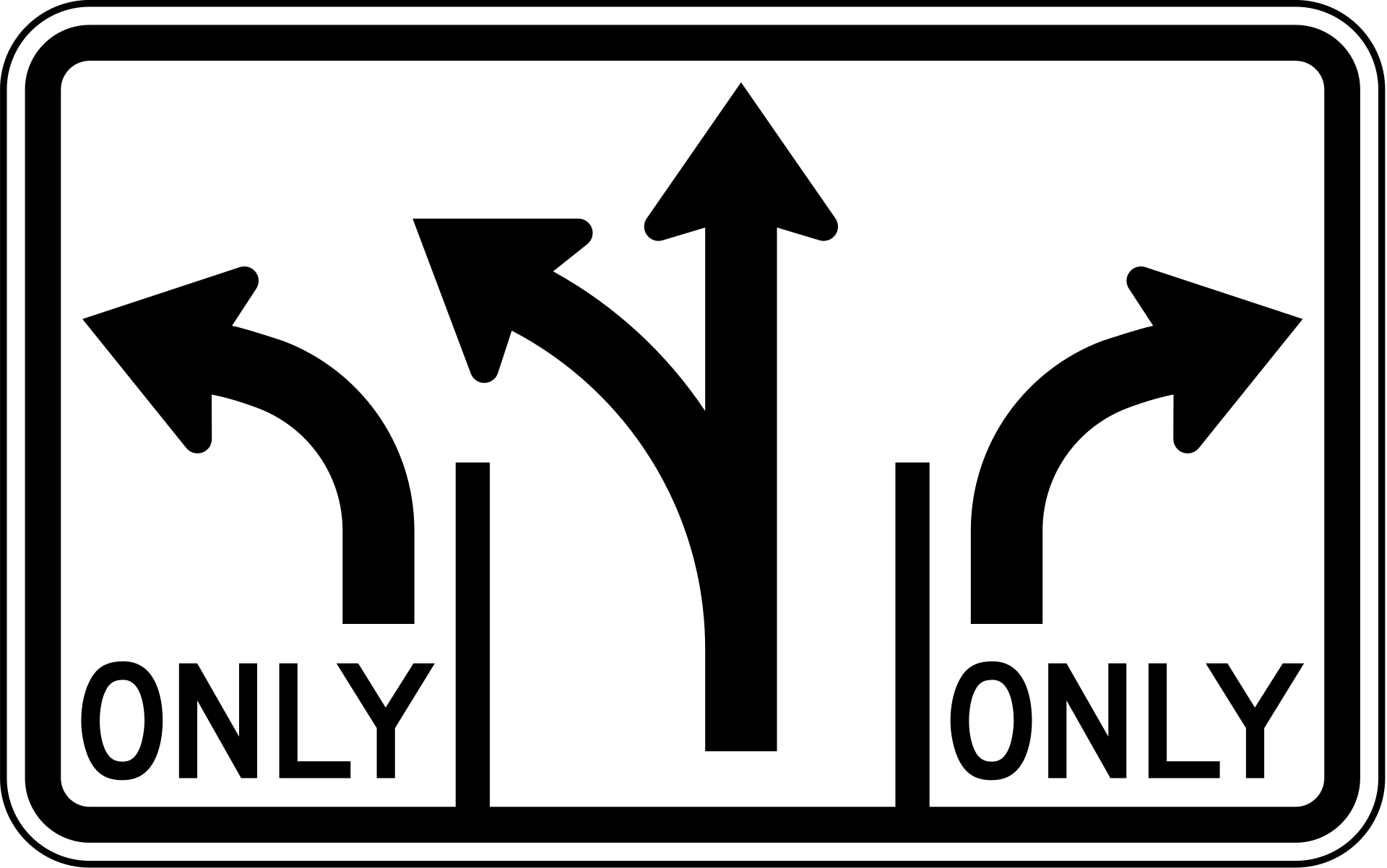
This regulatory sign tells drivers that:
A) traffic in the left lane must turn left at the intersection ahead.
B) all vehicles must turn left immediately.
C) traffic in the right lane must go straight.
3.
After parking, are you allowed to open a door on the road side of your vehicle?
A) Yes, always.
B) Yes, but only if it does not interfere with bicyclists and other traffic.
C) No, never.
4.
If the roadway is wet, you should:
A) increase your speed.
B) reduce your speed.
C) maintain the same speed.
5.
When entering an interstate highway, drivers should:
A) check for cars and slow down to 25 MPH before merging with the flow of traffic.
B) wait for an opening in traffic on the entrance ramp.
C) adjust speed to meet a traffic gap, then merge at a safe speed.
6.
There is no crosswalk and a pedestrian is crossing your lane ahead. You should:
A) stop and let the pedestrian finish crossing the street.
B) slow down as you pass the pedestrian.
C) make eye contact and then pass the pedestrian.
7.
At a stop sign there is no stop line or crosswalk. You must stop:
A) before you enter the intersection.
B) at the next crosswalk.
C) after you enter the intersection, if you have a clear view of traffic on the intersecting roadway.
8.
What should drivers do when the red lights begin to flash?
A) Stop.
B) Yield.
C) Slow down.
9.
When you see pedestrians near the road, you should:
A) speed up to clear the area quickly.
B) sound your horn and maintain your current speed.
C) slow down and pass with caution.
10.
What is the meaning of orange traffic signs?
A) Yield.
B) Warning of school, pedestrian, and bicycling activity.
C) Construction and maintenance warning.
11.
Indicates an upcoming bicycle crossing or shared road zone. Always leave at least 3 feet of clearance when passing cyclists.
This sign means:
A) Bicycles should yield to vehicles ahead.
B) Warning: a bikeway crosses the roadway ahead.
C) The lane ahead is reserved for bicycles.
12.
The road ahead is divided by a median strip or physical barrier into two separate one-way roadways. Keep to the right of the divider.
This road sign means:
A) Keep left
B) Divided highway begins
C) Lane ends
13.
Night driving can be more difficult because:
A) vehicle speed and distance are harder to judge.
B) there are more cars on the roads at night.
C) the speed limit is increased at night.
14.
Right turns are strictly prohibited at this intersection under all circumstances.
This road sign means:
A) Right turn is not permitted
B) Left turns are permitted
C) You may turn right after yielding the right-of-way to oncoming traffic
15.
Alerts drivers to a major crossroads intersection ahead. Watch for vehicles entering or crossing the roadway.
This road sign means:
A) Drivers may proceed if the way is clear
B) Drivers are about to enter a one way street the wrong way
C) U-turns are prohibited
16.
Which statement about taking medications and driving is true?
A) Cold medications can make a person drowsy.
B) Prescribed drugs are safe to take at any time.
C) Over the counter drugs do not affect driving ability.
17.
If you approach a flashing red traffic light, you should treat the intersection the same as:
A) a yield sign.
B) a stop sign.
C) a warning sign.
18.
Warns drivers that two separate lanes moving in the same direction are merging into one. Drivers in the right lane must adjust speed and merge smoothly with existing traffic.
When you see a 'merging traffic' sign on the freeway, you should:
A) slow down to allow traffic to enter.
B) move to another lane to let traffic enter, if safe.
C) speed up to avoid congesting traffic.
19.
Always driving slower than other traffic:
A) is a good defensive driving technique.
B) is always safer than driving faster than other traffic.
C) can block traffic.
20.
If you encounter an aggressive driver you should:
A) show them how to drive defensively.
B) speed up.
C) get out of their way.
21.
Stopping distances:
A) are not affected by vehicle speed.
B) decrease as vehicle speed increases.
C) increase as vehicle speed increases.
22.
When turning left at an intersection:
A) you should never yield to oncoming traffic and pedestrians.
B) oncoming traffic and pedestrians should yield to you.
C) you should always yield to oncoming traffic and pedestrians.
23.
On roadways, bicyclists are considered:
A) a distraction.
B) defensive drivers.
C) vehicles.
24.
On average, how long does it take your body to remove the alcohol contained in 5 ounces of wine?
A) one hour.
B) 30 minutes.
C) 3 hours.
25.
Who has a greater risk of being involved in a traffic crash?
A) Drivers who are driving alone.
B) Young people.
C) All of the above.
ANSWER KEY Check answers after completing the test.
1 A
2 A
3 B
4 B
5 C
6 A
7 A
8 A
9 C
10 C
11 B
12 B
13 A
14 A
15 B
16 A
17 B
18 B
19 C
20 C
21 C
22 C
23 C
24 A
25 C