Question 1:
If you remain in the back blind spot of a large vehicle:
A
you increase the chance of a crash.
B
the large vehicle will take much longer to stop.
C
you can reduce fuel consumption.
Large commercial trucks have extensive blind spots on all four sides called the 'No-Zone': you increase the chance of a crash. If you cannot see the truck driver in their side mirrors, they cannot see you.
Question 2:
If you see a “lane closed ahead” sign you should:
A
make a U-turn. You are on the wrong side of the road.
B
merge into the correct lane when it is safe.
C
speed to the end of the closed lane and try to get into the other lane.
The correct driving rule is: merge into the correct lane when it is safe. Following standard DMV road rules and practicing defensive driving ensures safety for all road users.
Question 3:
You should increase your following distance:
A
at night or if it is raining.
B
when the roads are slippery.
C
All of the above.
Defensive driving best practices include: at night or if it is raining; when the roads are slippery. Staying alert and maintaining spacing prevents unexpected hazards.
Question 4:
When passing a pedestrian who is walking on the road and an oncoming vehicle is approaching, you should:
A
keep driving, you have the right-of-way.
B
honk your horn to warn the pedestrian.
C
slow down and let the vehicle pass first.
Drivers must always yield the right-of-way to pedestrians crossing at intersections and crosswalks: slow down and let the vehicle pass first. Stop and allow them to clear the lane safely.
Question 5:
The best way to deal with tailgaters is to:
A
let them pass if it's safe to do so.
B
flash your brake lights.
C
always keep your eyes focused ahead of your car.
The correct driving rule is: let them pass if it's safe to do so. Following standard DMV road rules and practicing defensive driving ensures safety for all road users.
Question 6:
If you continually pass the other vehicles on a road with one lane in each direction, you will:
A
help prevent the chances of a crash occurring due to traffic congestion.
B
get to your destination much faster.
C
increase your chances of being involved in an accident.
The correct driving rule is: increase your chances of being involved in an accident. Following standard DMV road rules and practicing defensive driving ensures safety for all road users.
Question 7:
 This road sign means:
A
Railroad Crossing
B
One Way
C
Limited parking
Circular signs with an 'X' and 'RR' designate a Railroad Advance Warning: Railroad Crossing. Drivers must slow down, look both ways, listen for trains, and be prepared to stop.
Question 8:
Alcohol:
A
makes you less aware of what is happening to your driving abilities.
B
makes it easier to make correct decisions.
C
improves your reaction time.
Under state DUI and traffic safety laws: makes you less aware of what is happening to your driving abilities. Alcohol degrades judgment, slows reaction times, and distorts depth perception.
Question 9:
What do flashing red lights on a school bus indicate?
A
The bus is stopped to load or discharge passengers.
B
Traffic that approaches from either direction may proceed.
C
The bus is about to stop.
When a school bus displays flashing red lights and extended stop sign: The bus is stopped to load or discharge passengers. Traffic in both directions must come to a full stop on undivided roads until children are clear.
Question 10:
Roads are the most slippery:
A
the first rain after a dry spell.
B
after it has been raining for an hour or more.
C
for the first 2 hours of a rain storm.
For safe speed and stopping control: the first rain after a dry spell. Adjusting speed to match visibility and road traction prevents loss of steering grip.
Question 11:
Two drivers reach an uncontrolled intersection at the same time. Who has the right of way?
A
The driver on the left.
B
No one.
C
The driver on the right.
At an uncontrolled intersection or 4-way stop where vehicles arrive at the same time: The driver on the right. The driver on the left must always yield to the driver on the right.
Question 12:
Before stopping your vehicle on the roadway, drivers should:
A
check their mirrors for traffic.
B
place their foot on the accelerator.
C
pump the brakes to check if they work properly.
The correct driving rule is: check their mirrors for traffic. Following standard DMV road rules and practicing defensive driving ensures safety for all road users.
Question 13:
 This road sign means:
A
Winding Road Ahead
B
Persons with Disabilities Parking
C
Merge
This traffic sign indicates: merge. Observing and obeying all roadway signs ensures safe traffic flow and legal driving.
Question 14:
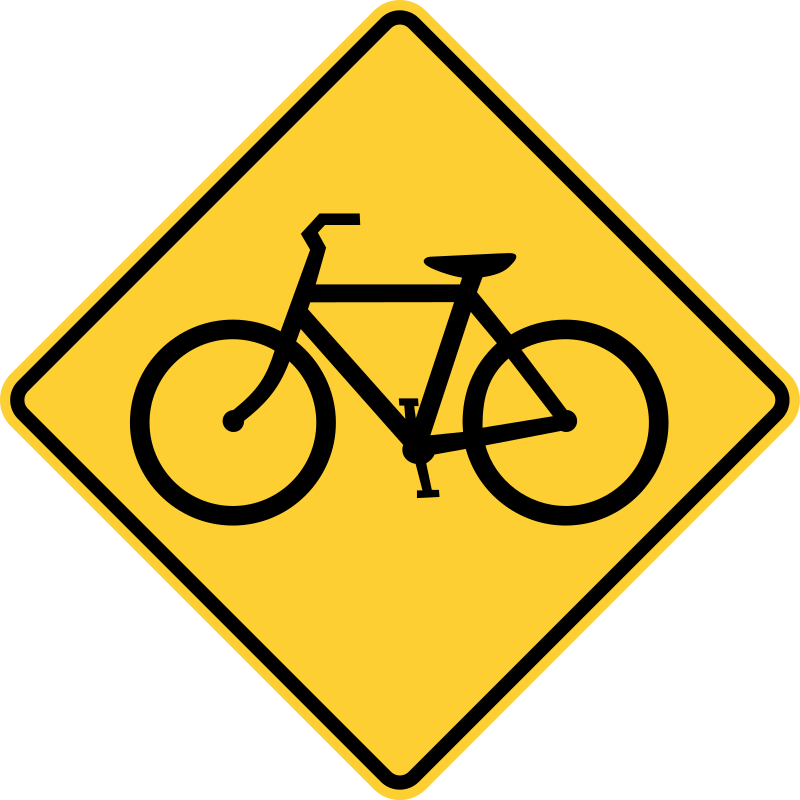 This road sign means:
A
Bicycle crossing
B
Bicycles have the right-of-way
C
This lane is reserved for bicyclists
This traffic sign indicates: Bicycle crossing. Observing and obeying all roadway signs ensures safe traffic flow and legal driving.
Question 15:
Where are yield signs usually placed?
A
At intersections, if there is no marked stop line.
B
Where auxiliary roads lead into major roads.
C
Where major roads lead into auxiliary roads.
The correct driving rule is: Where auxiliary roads lead into major roads. Following standard DMV road rules and practicing defensive driving ensures safety for all road users.
Question 16:
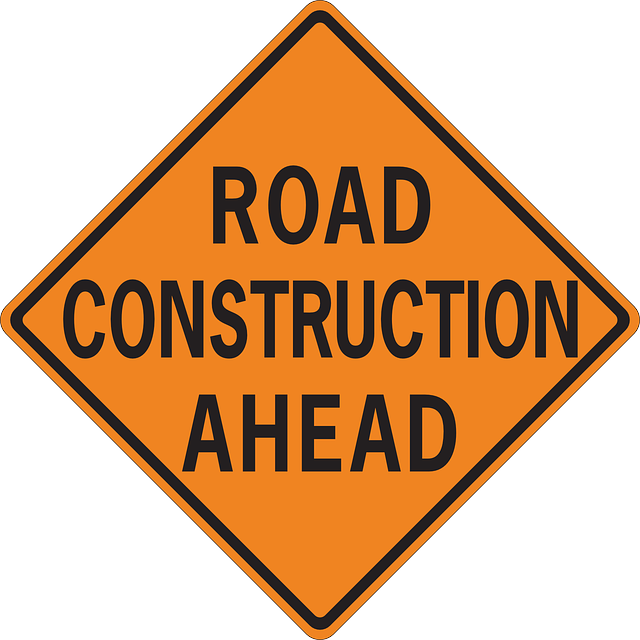 This road sign means:
A
There is a detour ahead
B
The highway ahead is being repaired
C
Crossroads ahead
This traffic sign indicates: The highway ahead is being repaired. Observing and obeying all roadway signs ensures safe traffic flow and legal driving.
Question 17:
When approaching an intersection with a traffic control signal that is not working, drivers should:
A
stop as you would if there were stop signs in all directions, yield the right-of-way, then enter the intersection.
B
speed up and proceed through the intersection.
C
try not to stop if the intersection is clear.
According to standard right-of-way regulations: stop as you would if there were stop signs in all directions, yield the right-of-way, then enter the intersection. Yielding appropriately prevents intersection collisions and maintains safe traffic flow.
Question 18:
Give the right-of-way to any pedestrian:
A
on the opposite side of the street.
B
if you have the green light.
C
in a marked crosswalk.
Drivers must always yield the right-of-way to pedestrians crossing at intersections and crosswalks: in a marked crosswalk. Stop and allow them to clear the lane safely.
Question 19:
When driving on a roadway with a single broken white line:
A
you may cross the broken white line to change lanes.
B
you may change lanes only if you are in the right lane.
C
you may not cross the broken white line.
The correct driving rule is: you may cross the broken white line to change lanes. Following standard DMV road rules and practicing defensive driving ensures safety for all road users.
Question 20:
Drivers often fail to see a motorcycle headed toward them. Why?
A
It is difficult to judge a motorcycle's speed.
B
Motorcycles are hard to see.
C
All of the above.
Sharing the road safely requires mutual awareness and respect: It is difficult to judge a motorcycle's speed; Motorcycles are hard to see. Maintaining safe space cushions protects all roadway users.
Question 21:
 This road sign means:
A
Drive with caution and be ready to stop
B
Slow down or stop
C
You must come to a complete stop
An octagonal Stop sign requires a full and complete stop before the stop line or crosswalk: you must come to a complete stop. Proceed only after yielding to all cross traffic and pedestrians.
Question 22:
What happens if two vehicles reach at the same time an intersection with four-way stop signs?
A
The driver on the right yields to the driver on the left.
B
The driver on the left yields to the driver on the right.
C
The first vehicle to reach the intersection must yield.
At an uncontrolled intersection or 4-way stop where vehicles arrive at the same time: The driver on the left yields to the driver on the right. The driver on the left must always yield to the driver on the right.
Question 23:
Roads with double solid yellow lines in the center indicate that passing is:
A
not allowed in either direction.
B
allowed only in your direction of travel.
C
allowed in both directions.
Defensive driving guidelines state that: not allowed in either direction. Anticipating road hazards and communicating maneuvers keeps traffic predictable and safe.
Question 24:
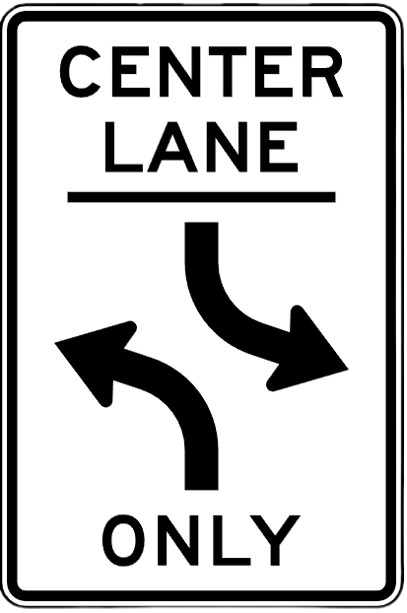 This road sign means:
A
Vehicles may only travel in the center lane.
B
The center lane is shared for left turns in both directions of travel.
C
The center lane in both directions of travel will soon turn left.
This traffic sign indicates: The center lane is shared for left turns in both directions of travel. Observing and obeying all roadway signs ensures safe traffic flow and legal driving.
Question 25:
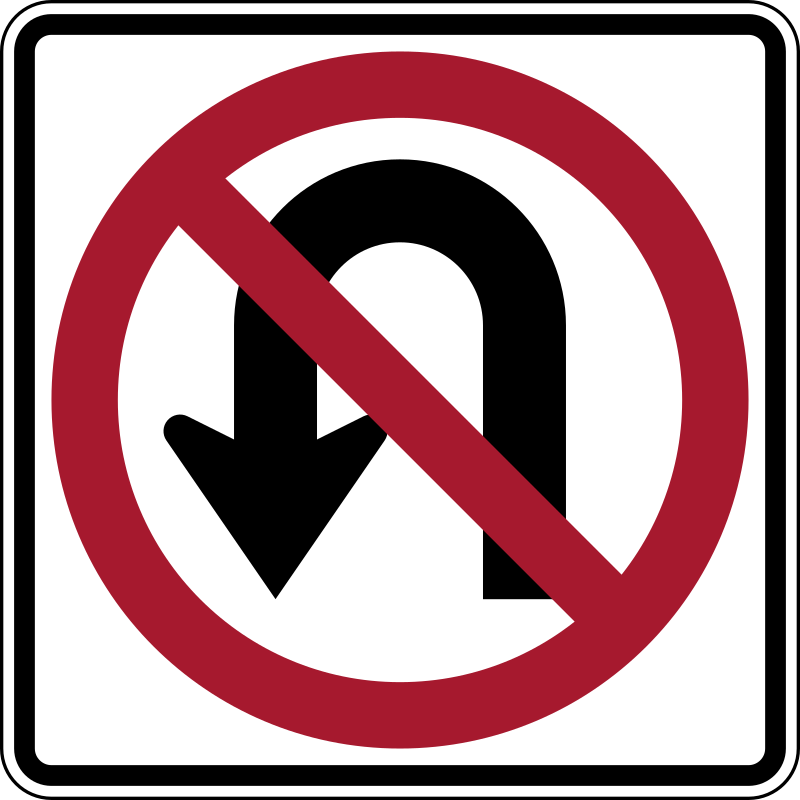 This road sign means:
A
No left turn
B
No U-turn
C
Detour ahead
This traffic sign indicates: No U-turn. Observing and obeying all roadway signs ensures safe traffic flow and legal driving.
Question 26:
Before crossing any railroad tracks, you must:
A
look and listen for trains.
B
make sure there is room for your vehicle on the other side.
C
All of the above.
All of the listed points are essential driving requirements: look and listen for trains; make sure there is room for your vehicle on the other side. Practicing each ensures compliance with DMV safety laws.
Question 27:
 This sign warns ____________ ahead.
A
of two-way traffic
B
of a reduction of lanes
C
that a divided highway ends
This traffic sign indicates: of two-way traffic. Observing and obeying all roadway signs ensures safe traffic flow and legal driving.
Question 28:
The use of alcohol and/or drugs affects:
A
concentration and reaction time.
B
alertness and judgement.
C
All of the above.
Alcohol and impairing substances degrade all critical driving functions: concentration and reaction time; alertness and judgement. Driving while impaired carries severe criminal and safety penalties.
Question 29:
 What does this road sign indicate?
A
Hospital service
B
Area reserved for people with disabilities
C
Interstate highway
This traffic sign indicates: Hospital service. Observing and obeying all roadway signs ensures safe traffic flow and legal driving.
Question 30:
Most signs used in street work areas are:
A
round.
B
diamond shaped.
C
rectangle shaped.
The correct driving rule is: diamond shaped. Following standard DMV road rules and practicing defensive driving ensures safety for all road users.
Question 31:
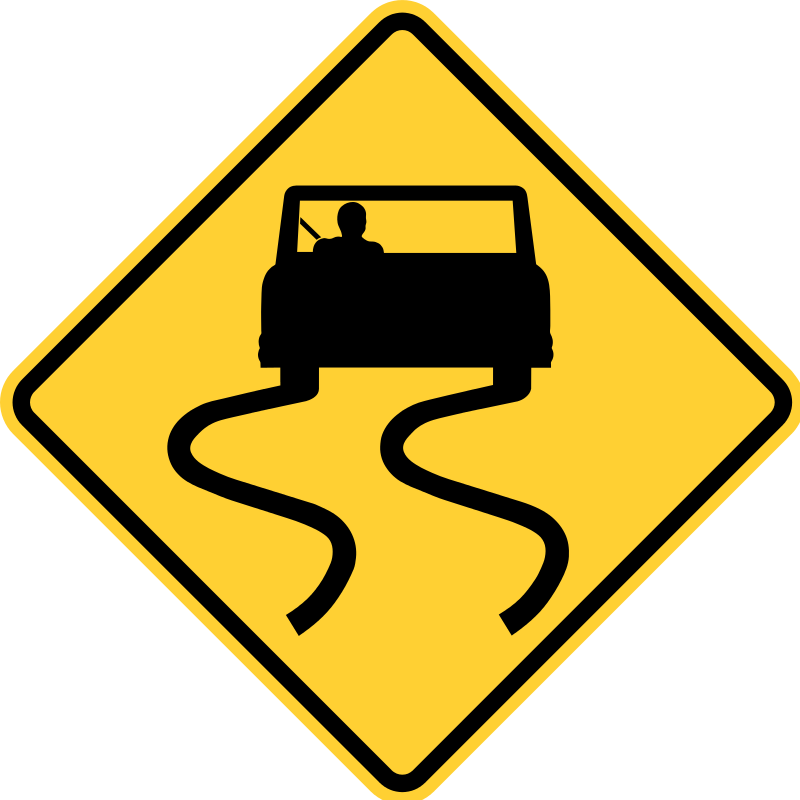 This road sign means:
A
Winding road
B
Side road ahead
C
Slippery when wet
This traffic sign indicates: Slippery when wet. Observing and obeying all roadway signs ensures safe traffic flow and legal driving.
Question 32:
Drivers can not pass a vehicle on the left if:
A
they approach the top of a hill on a two-way road and can not see over it.
B
they can not safely return to the right lane before they reach a solid yellow center line for the right lane.
C
All of the above.
All of the listed points are essential driving requirements: they approach the top of a hill on a two-way road and can not see over it; they can not safely return to the right lane before they reach a solid yellow center line for the right lane. Practicing each ensures compliance with DMV safety laws.
Question 33:
When the road is slippery, drivers should _________ their following distance.
A
increase
B
maintain
C
decrease
For safe speed and stopping control: increase. Adjusting speed to match visibility and road traction prevents loss of steering grip.
Question 34:
Traffic lights are normally ____________ from the top to bottom or left to right.
A
red, green and yellow
B
green, yellow and red
C
red, yellow and green
The correct driving rule is: red, yellow and green. Following standard DMV road rules and practicing defensive driving ensures safety for all road users.
Question 35:
When taking medication while driving, you should:
A
follow other vehicles closely.
B
consult your physicians and/or pharmacist regarding any prescription medication and its possible effects on driving.
C
drive 20 MPH below the posted speed limit.
Under state DUI and traffic safety laws: consult your physicians and/or pharmacist regarding any prescription medication and its possible effects on driving. Alcohol degrades judgment, slows reaction times, and distorts depth perception.
Question 36:
This sign means:
A
The center lane is shared for left turns.
B
Left turns in both directions of travel are not permitted.
C
Vehicles may only turn left.
This traffic sign indicates: The center lane is shared for left turns. Observing and obeying all roadway signs ensures safe traffic flow and legal driving.
Question 37:
When you see this sign you should:
A
turn right.
B
merge left.
C
watch for traffic to the right.
This traffic sign indicates: watch for traffic to the right. Observing and obeying all roadway signs ensures safe traffic flow and legal driving.
Question 38:
Air bags are meant to _________ seat belts.
A
work with
B
fix
C
replace
The correct driving rule is: work with. Following standard DMV road rules and practicing defensive driving ensures safety for all road users.
Question 39:
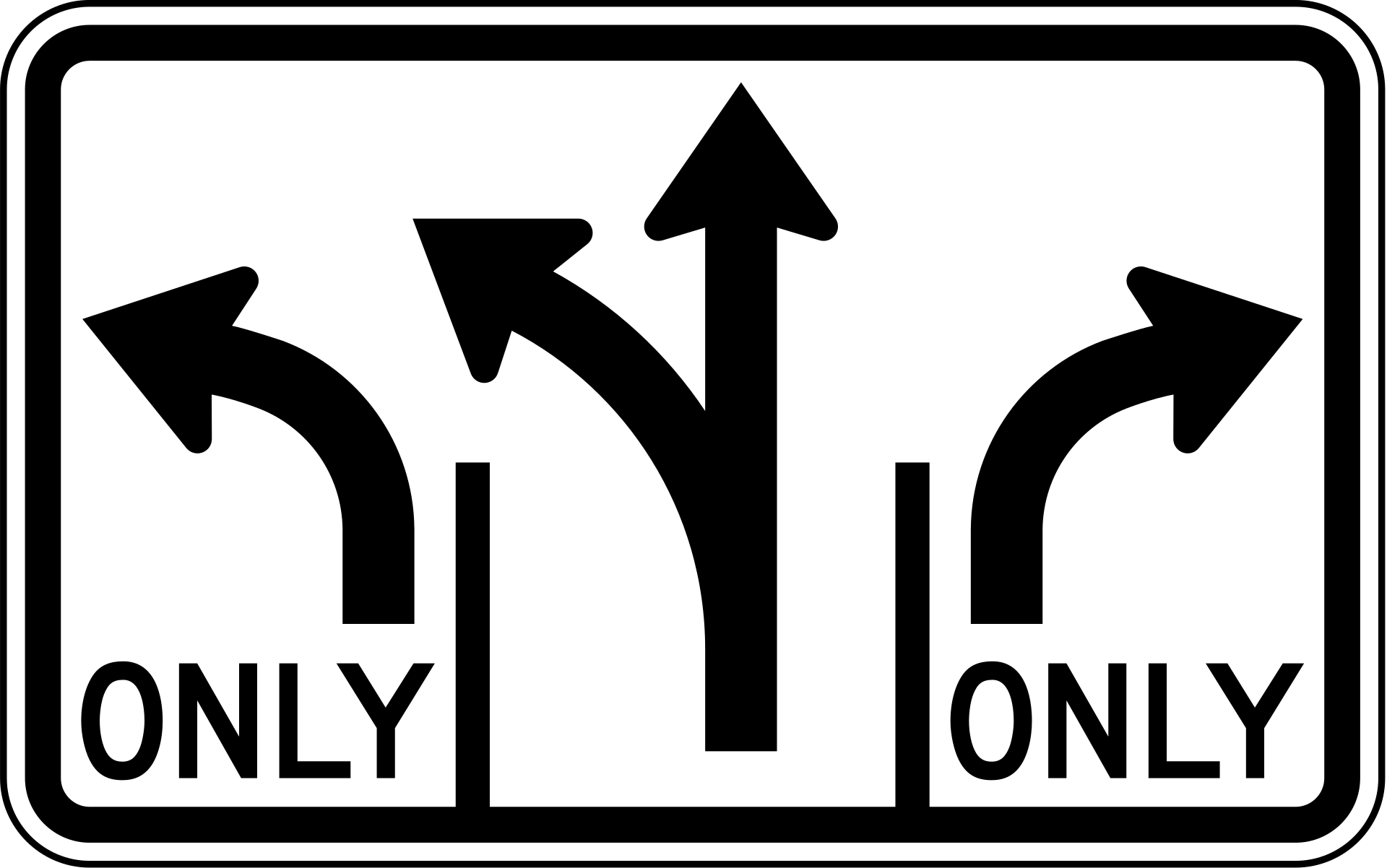 This regulatory sign tells drivers that:
A
traffic in the left lane must turn left at the intersection ahead.
B
all vehicles must turn left immediately.
C
traffic in the right lane must go straight.
This traffic sign indicates: traffic in the left lane must turn left at the intersection ahead. Observing and obeying all roadway signs ensures safe traffic flow and legal driving.
Question 40:
 This sign warns drivers that:
A
they must turn either to the right or left.
B
there is a double curve ahead.
C
there is a winding road ahead.
This traffic sign indicates: there is a winding road ahead. Observing and obeying all roadway signs ensures safe traffic flow and legal driving.