Question 1:
Which shape is a stop sign?
A
Diamond
B
Octagon
C
Upside-down triangle
The correct driving rule is: Octagon. Following standard DMV road rules and practicing defensive driving ensures safety for all road users.
Question 2:
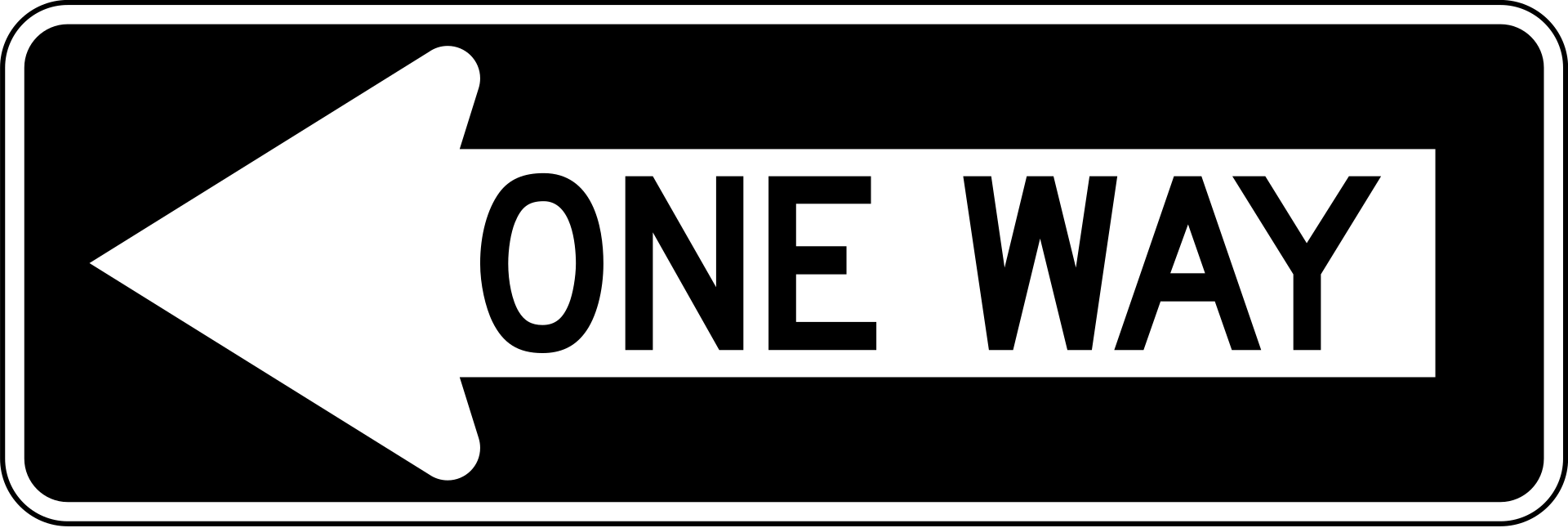 The ‘One Way’ sign means that:
A
only vehicles turning left may travel in the direction of the arrow.
B
there is only one road that turns left at the intersection.
C
drivers may travel only in the direction of the arrow.
This traffic sign indicates: drivers may travel only in the direction of the arrow. Observing and obeying all roadway signs ensures safe traffic flow and legal driving.
Question 3:
The minimum jail time you will get in a first conviction for DUI is:
A
10 days.
B
20 days.
C
3 days.
D
96 hours.
Only time allows the liver to metabolize and remove alcohol from the bloodstream (roughly one standard drink per hour). Coffee, cold showers, and fresh air cannot lower BAC.
Question 4:
 This road sign means:
A
Lane shifting
B
Traffic is entering from another road, drive with caution
C
Stop for other traffic
D
Yield right-of-way
This traffic sign indicates: traffic is entering from another road, drive with caution. Observing and obeying all roadway signs ensures safe traffic flow and legal driving.
Question 5:
 The yield sign means:
A
Go. The light will soon be red.
B
If the way is clear, you may move forward slowly without stopping.
C
Stop if you can.
A triangular Yield sign requires drivers to slow down and give right-of-way to other traffic: If the way is clear, you may move forward slowly without stopping. Proceed only when there is a safe opening.
Question 6:
What is the meaning of red traffic signs?
A
High emphasis warning.
B
Stop, do not enter or wrong way.
C
Regulatory.
The correct driving rule is: Stop, do not enter or wrong way. Following standard DMV road rules and practicing defensive driving ensures safety for all road users.
Question 7:
If your wheels drop off the pavement onto the shoulder of the road, you should:
A
maintain your current speed and turn onto the pavement.
B
slow down and carefully turn back onto the pavement.
C
stop your car on the side of the road.
D
immediately come to a complete stop, then quickly turn back onto the pavement.
The correct driving rule is: slow down and carefully turn back onto the pavement. Following standard DMV road rules and practicing defensive driving ensures safety for all road users.
Question 8:
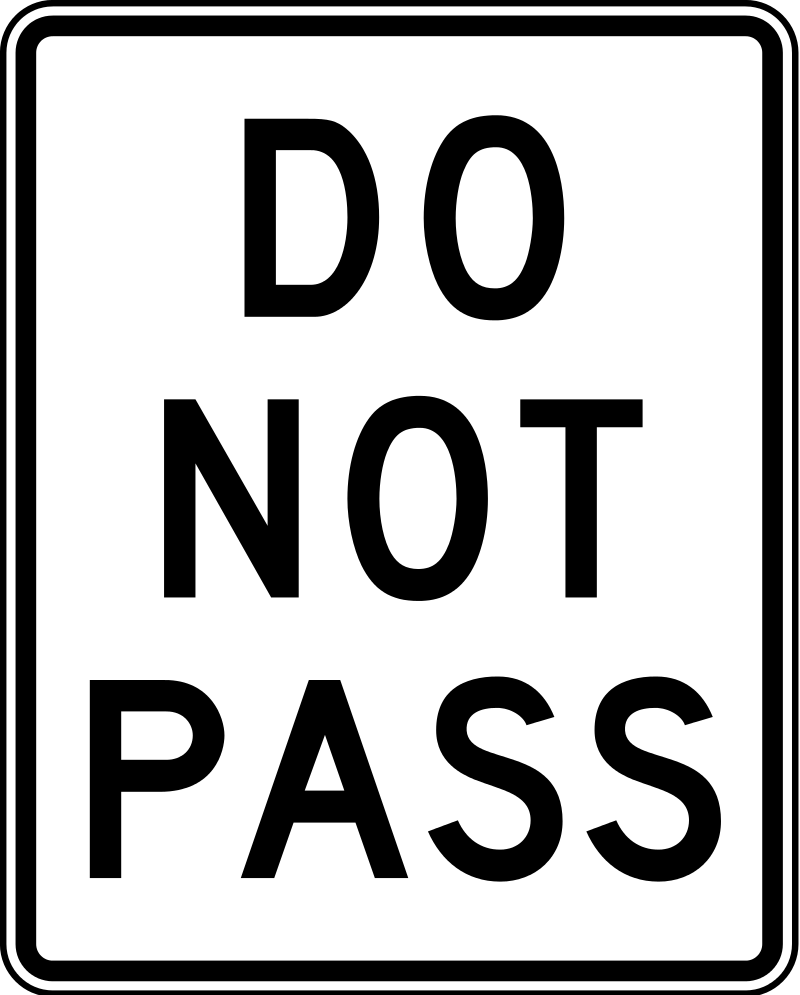 This sign means drivers must not pass other vehicles:
A
unless it is safe to do so.
B
within 250 feet of this sign.
C
when it's dark.
D
for any reason.
This traffic sign indicates: for any reason. Observing and obeying all roadway signs ensures safe traffic flow and legal driving.
Question 9:
 This sign warns drivers of:
A
low clearance.
B
a narrow bridge ahead.
C
a low place in the road.
This traffic sign indicates: a narrow bridge ahead. Observing and obeying all roadway signs ensures safe traffic flow and legal driving.
Question 10:
What should you do if one of your tires blows out?
A
Hold the steering wheel tight and brake immediately to avoid the risk of skidding.
B
Leave the road immediately.
C
Hold the steering wheel tight and slowly take your foot off the gas pedal.
The correct driving rule is: Hold the steering wheel tight and slowly take your foot off the gas pedal. Following standard DMV road rules and practicing defensive driving ensures safety for all road users.
Question 11:
A conviction of reckless driving will result in:
A
a warning for the first conviction, and a $50 fine for the second.
B
revocation of your driving license.
C
suspension of your driving privileges.
D
a $125 fine and 4 points on your record.
The correct driving rule is: revocation of your driving license. Following standard DMV road rules and practicing defensive driving ensures safety for all road users.
Question 12:
When you are driving, turning your head and looking before changing lanes is:
A
a good driving habit.
B
unnecessary, you should use your rearview mirror instead.
C
a bad driving habit.
D
prohibited.
The correct driving rule is: a good driving habit. Following standard DMV road rules and practicing defensive driving ensures safety for all road users.
Question 13:
On slippery roads, drivers should:
A
leave more space in front of their vehicle.
B
increase their speed to avoid hydroplaning.
C
come to a complete stop.
For safe speed and stopping control: leave more space in front of their vehicle. Adjusting speed to match visibility and road traction prevents loss of steering grip.
Question 14:
In the following situations, drivers should increase their following interval:
A
When following vehicles that are required to come to a stop at railroad crossings.
B
When it is hard to see ahead because of bad weather.
C
All of the above.
All of the listed points are essential driving requirements: When following vehicles that are required to come to a stop at railroad crossings; When it is hard to see ahead because of bad weather. Practicing each ensures compliance with DMV safety laws.
Question 15:
An arrow painted on the roadway means:
A
Drivers must come to a complete stop, and then make the movement indicated by the arrow
B
Drivers may make the movement indicated by the arrow
C
Drivers must only make the movement indicated by the arrow when traffic signals are not working
D
Drivers must make the movement indicated by the arrow
The correct driving rule is: drivers must make the movement indicated by the arrow. Following standard DMV road rules and practicing defensive driving ensures safety for all road users.
Question 16:
BAC is expressed in:
A
percentage of alcohol to blood.
B
percentage of blood to alcohol.
C
ounces of alcohol in your blood.
Under state DUI and traffic safety laws: percentage of alcohol to blood. Alcohol degrades judgment, slows reaction times, and distorts depth perception.
Question 17:
You should use turn signals to indicate your intention with sufficient time to allow other drivers to see the signal:
A
if it’s raining.
B
AFTER you move.
C
BEFORE you move.
State laws require signaling your intention: BEFORE you move. Signal at least 100 feet before making a turn or changing lanes.
Question 18:
Your BAC depends on:
A
how fit you are.
B
the type of beverage you drink.
C
the amount of alcohol you drink.
Under state DUI and traffic safety laws: the amount of alcohol you drink. Alcohol degrades judgment, slows reaction times, and distorts depth perception.
Question 19:
Under Alaskan law, seat belts are required:
A
only for children under the age of 16.
B
only for passengers under the age of 21.
C
for everyone in the vehicle at all times.
D
only for the driver.
The correct driving rule is: for everyone in the vehicle at all times. Following standard DMV road rules and practicing defensive driving ensures safety for all road users.
Question 20:
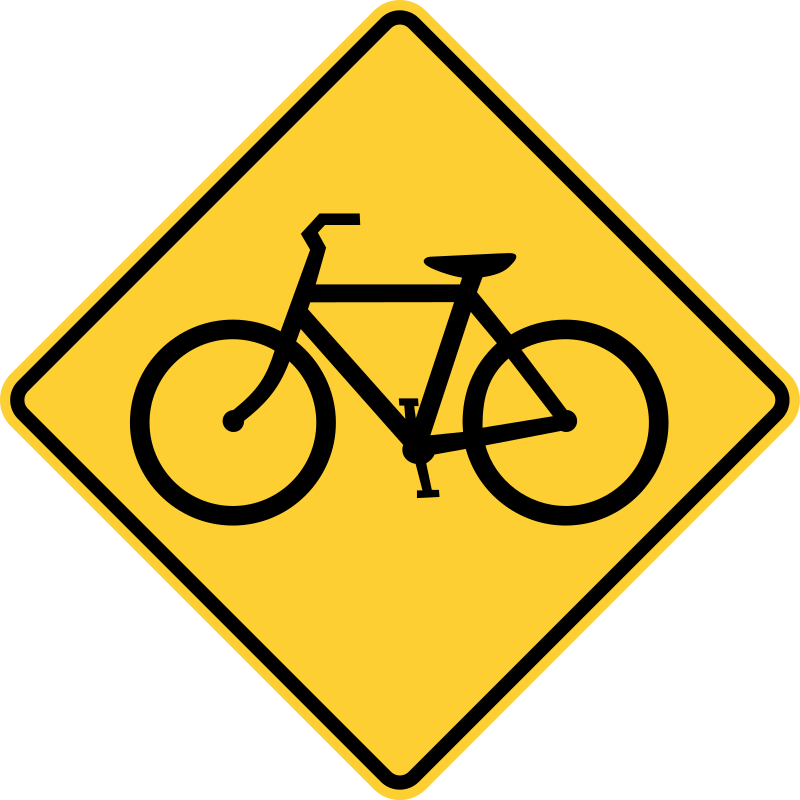 This sign means:
A
Bicycles should yield to vehicles ahead.
B
Warning: a bikeway crosses the roadway ahead.
C
The lane ahead is reserved for bicycles.
This traffic sign indicates: Warning: a bikeway crosses the roadway ahead. Observing and obeying all roadway signs ensures safe traffic flow and legal driving.