Question 1:
Warning signs normally are:
A
rectangles.
B
triangles.
C
diamond-shaped.
The correct driving rule is: diamond-shaped. Following standard DMV road rules and practicing defensive driving ensures safety for all road users.
Question 2:
 This road sign means:
A
Merging traffic
B
Steep grade ahead
C
Intersection ahead
This traffic sign indicates: Steep grade ahead. Observing and obeying all roadway signs ensures safe traffic flow and legal driving.
Question 3:
Drivers should use the horn:
A
if a driver is moving slowly, and you want them to drive faster.
B
only when necessary, to avoid collisions.
C
when feeling angry or upset.
D
to alert other drivers that they made a mistake.
The correct driving rule is: only when necessary, to avoid collisions. Following standard DMV road rules and practicing defensive driving ensures safety for all road users.
Question 4:
Taking drugs and alcohol together:
A
helps you get rid of the effects of alcohol in your body.
B
has no effect on your general driving ability.
C
increase the risk of causing a crash.
D
is no more dangerous than alcohol by itself.
Under state DUI and traffic safety laws: increase the risk of causing a crash. Alcohol degrades judgment, slows reaction times, and distorts depth perception.
Question 5:
What are some telltale signs of a drunk driver?
A
Sudden stops.
B
Weaving between lanes.
C
Driving slower than the normal flow of traffic.
D
All of the above.
Alcohol and impairing substances degrade all critical driving functions: Sudden stops; Weaving between lanes; Driving slower than the normal flow of traffic. Driving while impaired carries severe criminal and safety penalties.
Question 6:
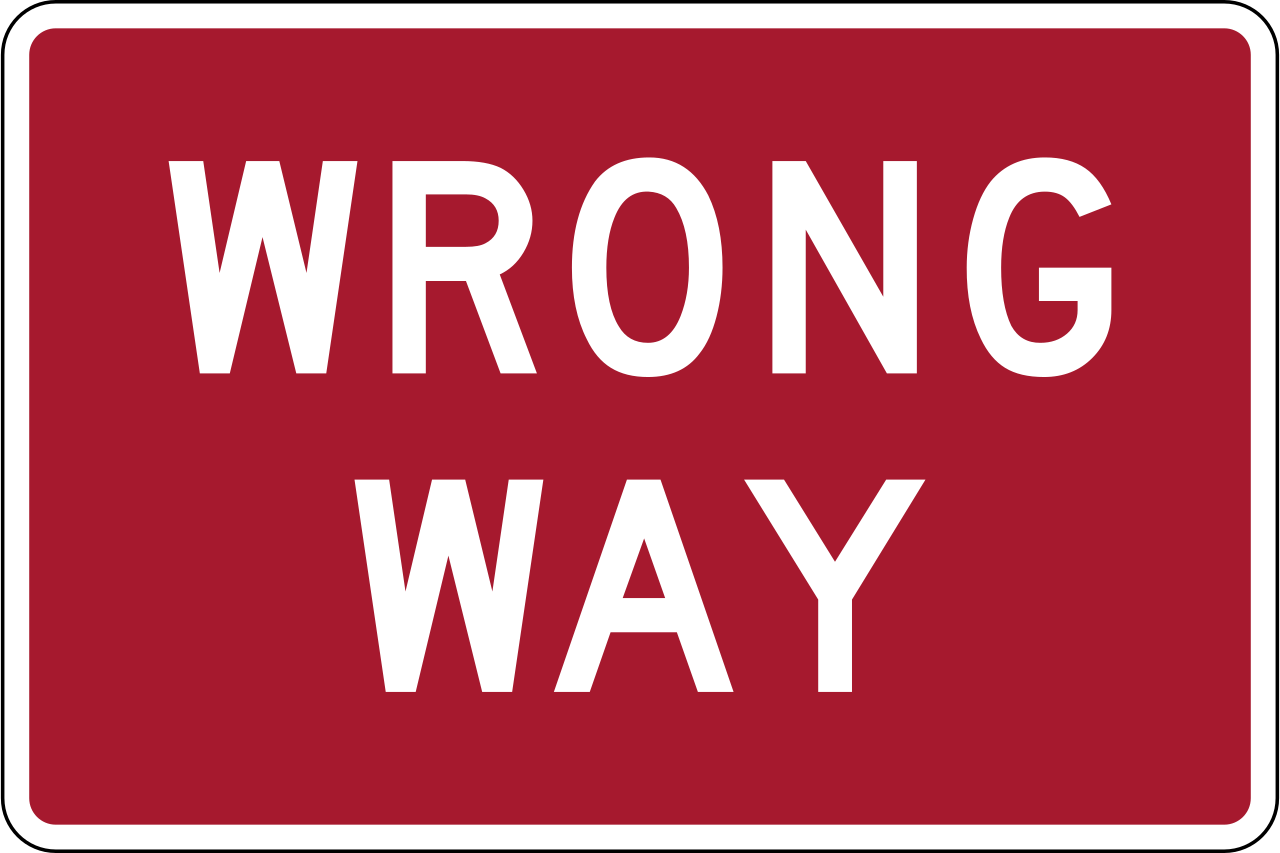 When drivers see this road sign:
A
they must come to a complete stop and call the police.
B
they must not drive past this sign.
C
they must turn around immediately.
This traffic sign indicates: they must turn around immediately. Observing and obeying all roadway signs ensures safe traffic flow and legal driving.
Question 7:
After drinking, which of the following can help you sober up?
A
Waiting some time. Only time eliminates the effects of alcohol.
B
Drinking black coffee. The caffeine will eliminate the effects of alcohol.
C
Taking a cold shower.
D
None of the above.
The correct driving rule is: Waiting some time. Only time eliminates the effects of alcohol. Following standard DMV road rules and practicing defensive driving ensures safety for all road users.
Question 8:
Which of the following must you obey over the others?
A
Red light
B
Stop sign
C
Police officer
The correct driving rule is: Police officer. Following standard DMV road rules and practicing defensive driving ensures safety for all road users.
Question 9:
When approaching a curve, remember to:
A
accelerate slightly before entering the curve.
B
drive at the posted speed limit throughout the curve.
C
slow down before entering the curve.
D
drive at the posted speed limit as you enter the curve, then slow down gradually.
The correct driving rule is: slow down before entering the curve. Following standard DMV road rules and practicing defensive driving ensures safety for all road users.
Question 10:
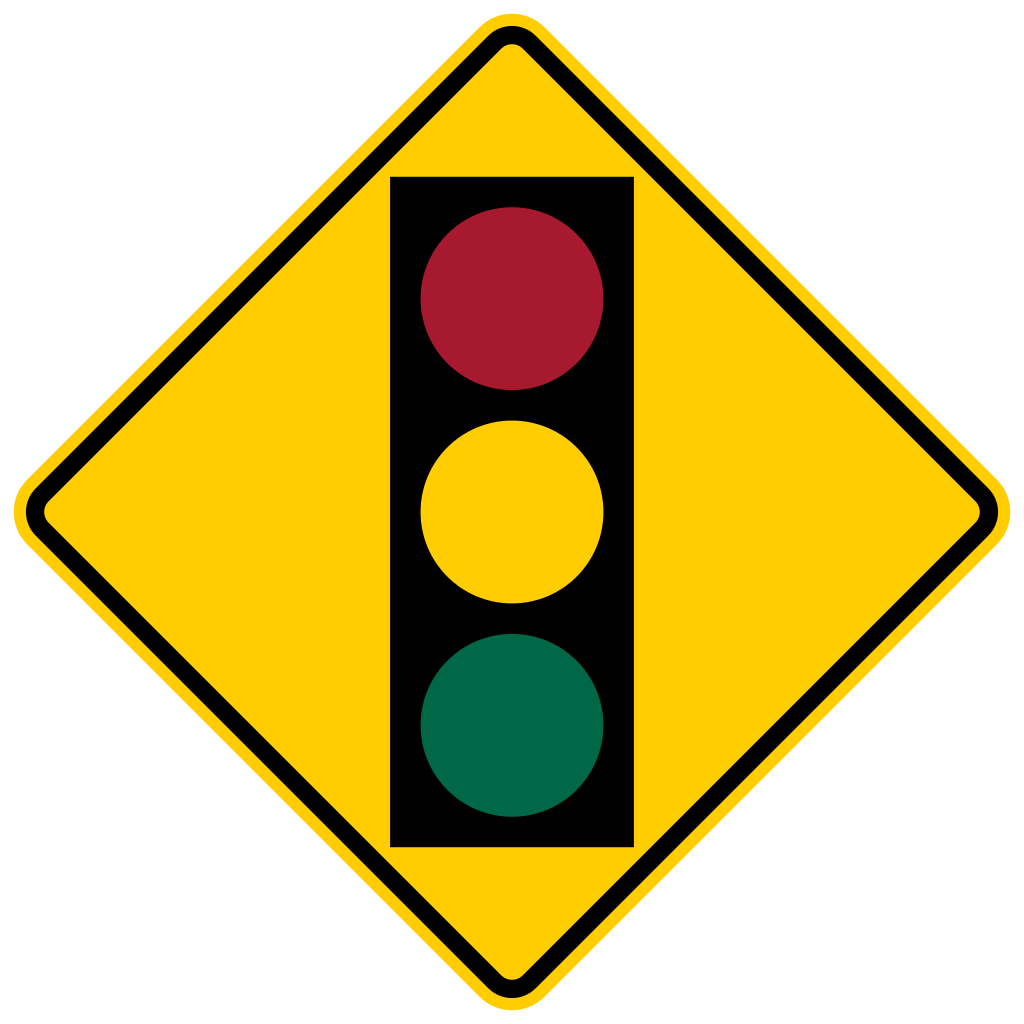 This sign means:
A
You must yield the right-of-way ahead
B
Traffic signals ahead
C
You must stop ahead
D
Speeding is not allowed
This traffic sign indicates: traffic signals ahead. Observing and obeying all roadway signs ensures safe traffic flow and legal driving.
Question 11:
When you make a left turn from a two-way road into a four-lane highway, you must:
A
enter the left lane, to the right of the center line.
B
enter the right lane, to the left of the center line.
C
go straight through the intersection, and then make the turn.
Defensive driving guidelines state that: enter the left lane, to the right of the center line. Anticipating road hazards and communicating maneuvers keeps traffic predictable and safe.
Question 12:
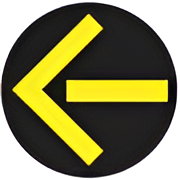 What does a yellow arrow signal mean?
A
The same as the yellow light, but applies only to movement in the direction of the arrow.
B
The same as a green light.
C
Vehicles moving in all directions must stop if they can. The light will soon be red.
State laws require signaling your intention: The same as the yellow light, but applies only to movement in the direction of the arrow. Signal at least 100 feet before making a turn or changing lanes.
Question 13:
The effect that alcohol has on your judgment and reflexes:
A
is less if you were only drinking beer.
B
is greater if you were drinking whiskey or hard liquor.
C
depends on the amount of alcohol in your blood stream.
D
is less if you were only drinking wine.
Under state DUI and traffic safety laws: depends on the amount of alcohol in your blood stream. Alcohol degrades judgment, slows reaction times, and distorts depth perception.
Question 14:
 This sign means:
A
Reversible lane ahead.
B
The divided highway ends ahead.
C
Drivers are coming to a point where another traffic lane joins the one they are on.
This traffic sign indicates: The divided highway ends ahead. Observing and obeying all roadway signs ensures safe traffic flow and legal driving.
Question 15:
When a driver has their left arm and hand extended upward, the driver plans to:
A
go straight ahead.
B
turn right.
C
turn left.
D
come to a stop.
The correct driving rule is: turn right. Following standard DMV road rules and practicing defensive driving ensures safety for all road users.
Question 16:
When getting ready to pass, you should:
A
honk your horn to signal your intention to pass.
B
stay well back from vehicle ahead for better sight distance.
C
pull up close to the vehicle in front of you as safely as possible.
D
swing out across the center line to better see the road ahead.
The correct driving rule is: stay well back from vehicle ahead for better sight distance. Following standard DMV road rules and practicing defensive driving ensures safety for all road users.
Question 17:
At night, it is hardest to see:
A
street lights.
B
pedestrians.
C
other motorists.
D
road signs.
The correct driving rule is: pedestrians. Following standard DMV road rules and practicing defensive driving ensures safety for all road users.
Question 18:
A flashing yellow light means:
A
Merging traffic ahead
B
Pedestrian crossing
C
Come to a full stop
D
Proceed with caution
According to standard right-of-way regulations: proceed with caution. Yielding appropriately prevents intersection collisions and maintains safe traffic flow.
Question 19:
What can you do to prevent skids on snow and ice?
A
Allow the wheels to keep turning.
B
Brake early and gently.
C
All of the above.
Hazardous road and weather conditions require extra caution: Allow the wheels to keep turning; Brake early and gently. Reducing speed and expanding following distance preserves control.
Question 20:
When they see a crossbuck sign, drivers:
A
must slow down and wait for the red lights to flash.
B
must always come to a complete stop.
C
are legally required to yield the right of way to trains.
The correct driving rule is: are legally required to yield the right of way to trains. Following standard DMV road rules and practicing defensive driving ensures safety for all road users.