Question 1:
What should drivers do when the red lights begin to flash?
A
Stop.
B
Yield.
C
Slow down.
The correct driving rule is: stop. Following standard DMV road rules and practicing defensive driving ensures safety for all road users.
Question 2:
 This road sign is:
A
a speed reduction sign.
B
a warning sign.
C
a regulatory sign.
This traffic sign indicates: a regulatory sign. Observing and obeying all roadway signs ensures safe traffic flow and legal driving.
Question 3:
When approaching a highway-rail intersection, the first sign drivers see is usually:
A
an RXR round sign on a yellow background.
B
a stop sign.
C
a yield sign.
According to standard right-of-way regulations: an RXR round sign on a yellow background. Yielding appropriately prevents intersection collisions and maintains safe traffic flow.
Question 4:
The following symptoms are associated with drowsy driving:
A
You continue to yawn.
B
You don’t remember driving the last few miles.
C
All of the above.
Alcohol and impairing substances degrade all critical driving functions: You continue to yawn; You don’t remember driving the last few miles. Driving while impaired carries severe criminal and safety penalties.
Question 5:
Alcohol:
A
makes you less aware of what is happening to your driving abilities.
B
makes it easier to make correct decisions.
C
improves your reaction time.
Under state DUI and traffic safety laws: makes you less aware of what is happening to your driving abilities. Alcohol degrades judgment, slows reaction times, and distorts depth perception.
Question 6:
 This sign means:
A
divided highway ahead.
B
narrow bridge ahead.
C
road construction.
D
lane ends, merge left.
This traffic sign indicates: lane ends, merge left. Observing and obeying all roadway signs ensures safe traffic flow and legal driving.
Question 7:
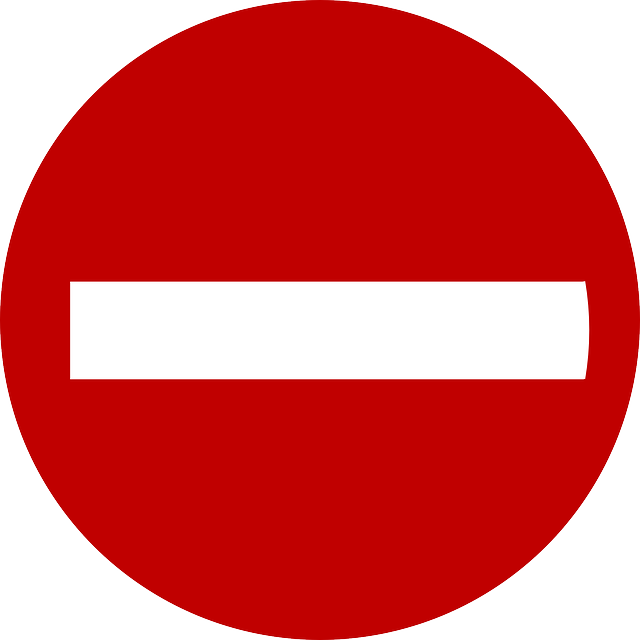 This road sign means:
A
No left turn
B
Lane ends
C
Do not enter
This traffic sign indicates: Do not enter. Observing and obeying all roadway signs ensures safe traffic flow and legal driving.
Question 8:
Two drivers reach an uncontrolled intersection at the same time. Who has the right of way?
A
The driver on the left.
B
No one.
C
The driver on the right.
At an uncontrolled intersection or 4-way stop where vehicles arrive at the same time: The driver on the right. The driver on the left must always yield to the driver on the right.
Question 9:
Parking is not allowed:
A
on the road side of a parked vehicle.
B
in a tunnel.
C
All of the above.
Under standard parking and curb regulations: All of the above. Following parking distance clearances keeps roadways unobstructed and emergency lanes accessible.
Question 10:
A speed limit is the __________ speed at which a vehicle may legally travel on the road under ideal conditions.
A
maximum
B
minimum
C
suggested
D
None of the above.
For safe speed and stopping control: maximum. Adjusting speed to match visibility and road traction prevents loss of steering grip.
Question 11:
In case of skidding, drivers should NOT:
A
take their foot off the gas pedal.
B
pump the brakes gently if they are about to hit something.
C
tap the gas pedal with their foot.
The correct driving rule is: tap the gas pedal with their foot. Following standard DMV road rules and practicing defensive driving ensures safety for all road users.
Question 12:
 This road sign warns drivers that:
A
they are coming to a point where another traffic lane joins the one they are on.
B
a divided highway is ahead.
C
the one-way street or roadway is about to change to two-way traffic.
This traffic sign indicates: the one-way street or roadway is about to change to two-way traffic. Observing and obeying all roadway signs ensures safe traffic flow and legal driving.
Question 13:
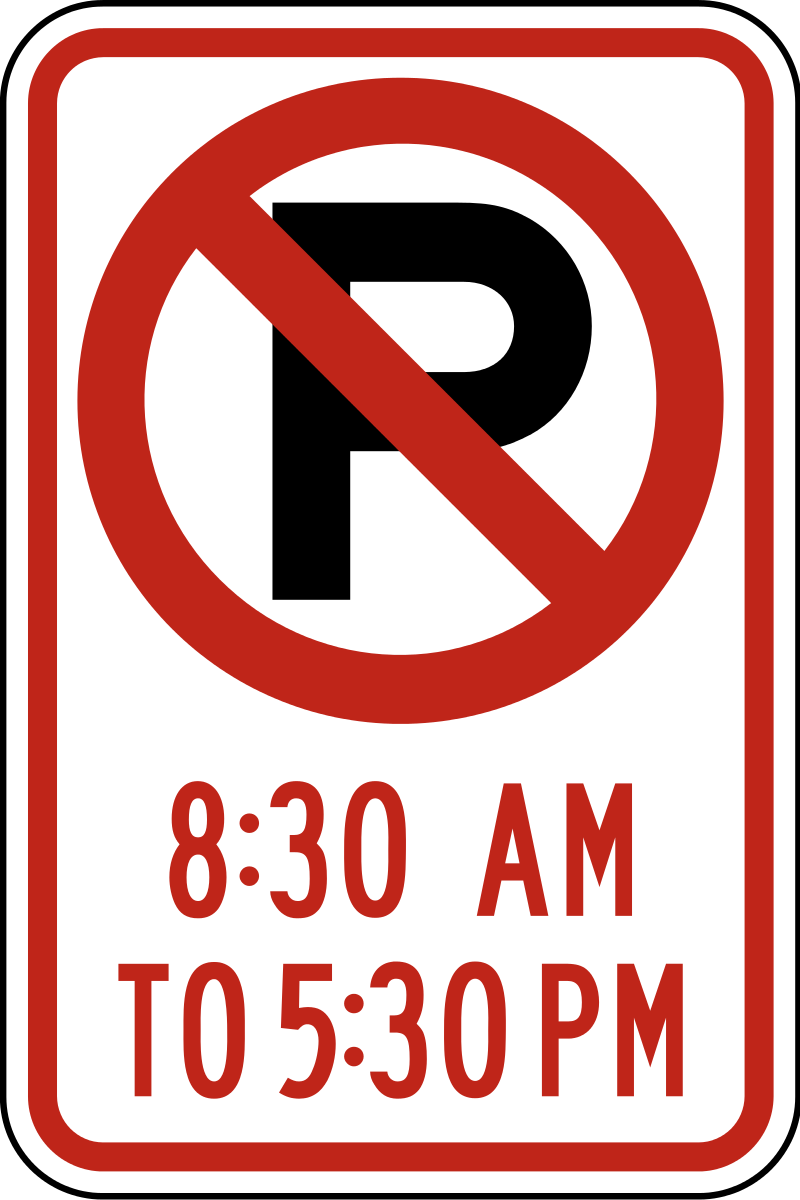 It's 10 AM. This sign tells you that:
A
you are allowed to park until 5:30 PM.
B
you must display a special permit in order to park here.
C
you are not allowed to park here.
This traffic sign indicates: you are not allowed to park here. Observing and obeying all roadway signs ensures safe traffic flow and legal driving.
Question 14:
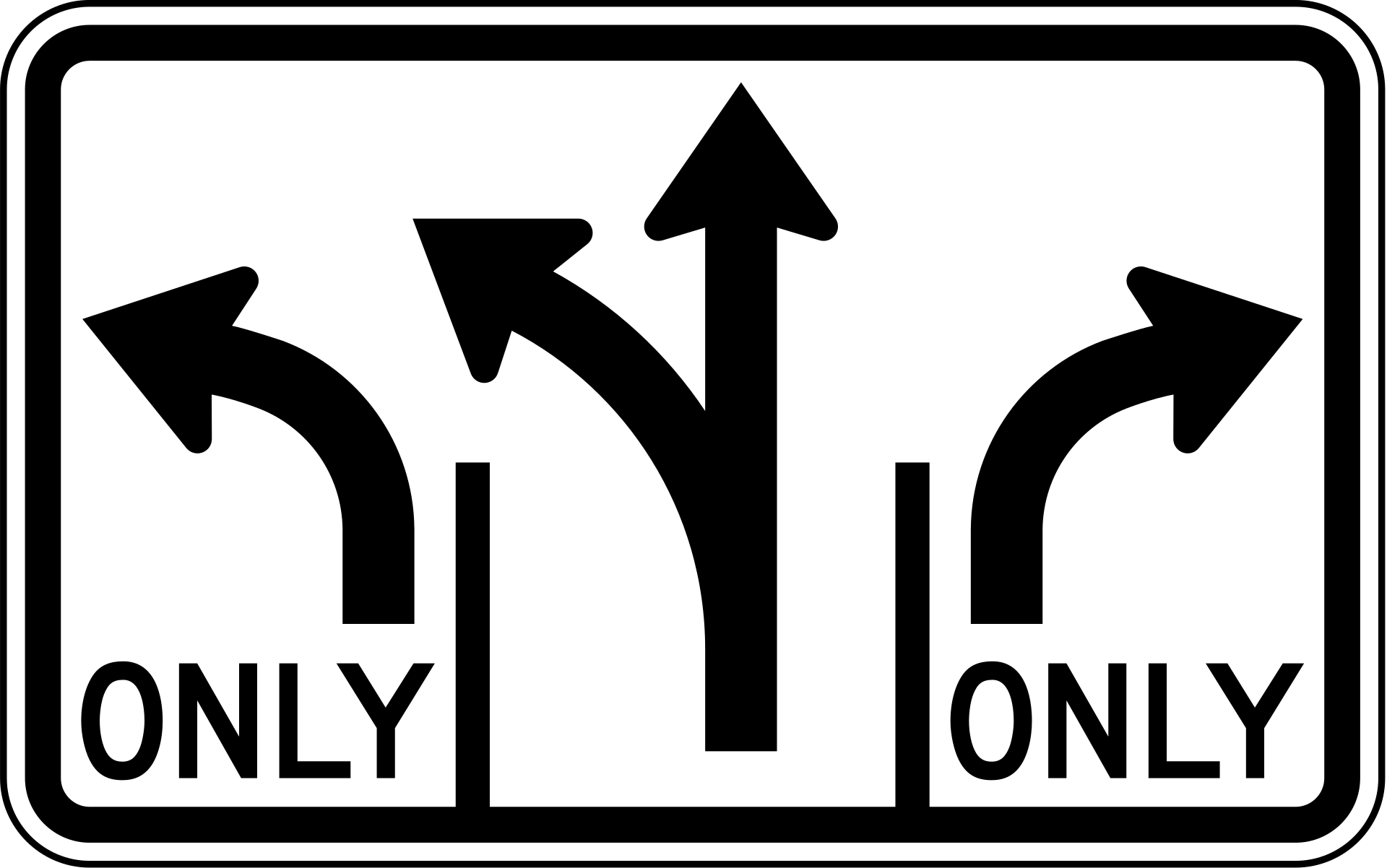 This regulatory sign tells drivers that:
A
traffic in the left lane must turn left at the intersection ahead.
B
all vehicles must turn left immediately.
C
traffic in the right lane must go straight.
This traffic sign indicates: traffic in the left lane must turn left at the intersection ahead. Observing and obeying all roadway signs ensures safe traffic flow and legal driving.
Question 15:
When you see an emergency vehicle with flashing lights, you must:
A
stop exactly where you are.
B
pull to the curb and stop.
C
speed up and take the nearest exit.
D
slow down and keep moving in your lane.
When sharing the road with other vehicles: pull to the curb and stop. Giving large vehicles and vulnerable users adequate clearance prevents dangerous accidents.
Question 16:
Which of the following must you obey over the others?
A
A flashing red light.
B
A stop sign.
C
A steady red light.
D
A police officer.
The correct driving rule is: A police officer. Following standard DMV road rules and practicing defensive driving ensures safety for all road users.
Question 17:
This sign means:
A
You can only park between 8:30 AM and 5:30 PM.
B
Parking is not allowed at 8:30 AM and at 5:30 PM
C
No parking between 8:30 AM and 5:30 PM.
This traffic sign indicates: No parking between 8:30 AM and 5:30 PM. Observing and obeying all roadway signs ensures safe traffic flow and legal driving.
Question 18:
 This sign warns drivers that:
A
the highway ahead is divided into two one-way roadways. Drivers should keep to the right.
B
there is a winding road ahead.
C
there is a double curve ahead.
This traffic sign indicates: there is a double curve ahead. Observing and obeying all roadway signs ensures safe traffic flow and legal driving.
Question 19:
This road sign means:
A
The left lane ends soon
B
one-way street ahead.
C
The right lane ends soon
D
Highway entrance ramp ahead
This traffic sign indicates: The right lane ends soon. Observing and obeying all roadway signs ensures safe traffic flow and legal driving.
Question 20:
Drivers who eat and drink while driving:
A
have no driving errors.
B
may have trouble controlling their vehicles.
C
must yield the right-of-way.
D
tend to be more aggressive.
The correct driving rule is: may have trouble controlling their vehicles. Following standard DMV road rules and practicing defensive driving ensures safety for all road users.
Question 21:
Who is most at risk?
A
Drivers who have overslept.
B
Drivers who are driving long distances without rest breaks.
C
Experienced drivers.
The correct driving rule is: drivers who are driving long distances without rest breaks. Following standard DMV road rules and practicing defensive driving ensures safety for all road users.
Question 22:
When approaching a curve, remember to:
A
accelerate slightly before entering the curve.
B
drive at the posted speed limit throughout the curve.
C
slow down before entering the curve.
D
drive at the posted speed limit as you enter the curve, then slow down gradually.
The correct driving rule is: slow down before entering the curve. Following standard DMV road rules and practicing defensive driving ensures safety for all road users.
Question 23:
An orange-colored sign means:
A
Railroad crossing ahead
B
School zone ahead
C
Construction zone ahead
D
You must change lanes ahead
This traffic sign indicates: Construction zone ahead. Observing and obeying all roadway signs ensures safe traffic flow and legal driving.
Question 24:
A flashing red light means:
A
The same as a STOP sign.
B
The light will soon change to steady red.
C
Drive with caution.
When an emergency vehicle approaches with flashing lights or sirens, you must safely pull over to the right curb and stop completely until it passes.
Question 25:
If you get on a wrong expressway exit, you must:
A
get off at the next exit and look for signs that tell you how to return to the expressway.
B
use the the exit ramp to accelerate to expressway speed and blend with traffic.
C
drive in reverse to return to the expressway.
Defensive driving guidelines state that: get off at the next exit and look for signs that tell you how to return to the expressway. Anticipating road hazards and communicating maneuvers keeps traffic predictable and safe.