Question 1:
Passing is prohibited:
A
when a school bus is stopped to load or unload children on a public road.
B
at intersections.
C
whenever a solid line marks the left side of your lane.
D
All of the above.
Defensive driving best practices include: when a school bus is stopped to load or unload children on a public road; at intersections; whenever a solid line marks the left side of your lane. Staying alert and maintaining spacing prevents unexpected hazards.
Question 2:
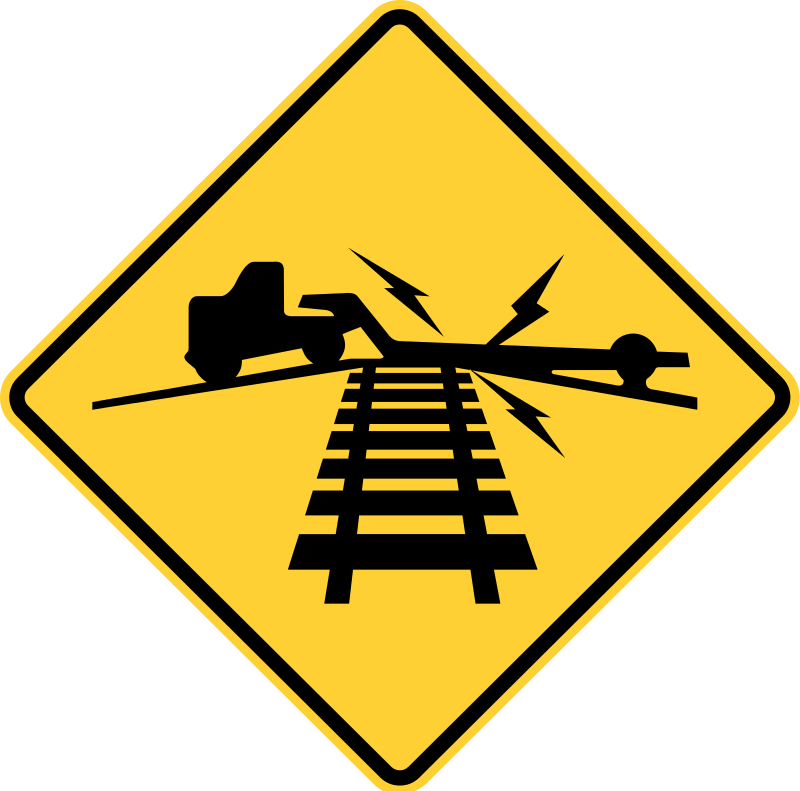 This road sign means:
A
Winding road ahead
B
Pedestrian crossing
C
Low ground railroad crossing
D
No-passing zone
Circular signs with an 'X' and 'RR' designate a Railroad Advance Warning: Low ground railroad crossing. Drivers must slow down, look both ways, listen for trains, and be prepared to stop.
Question 3:
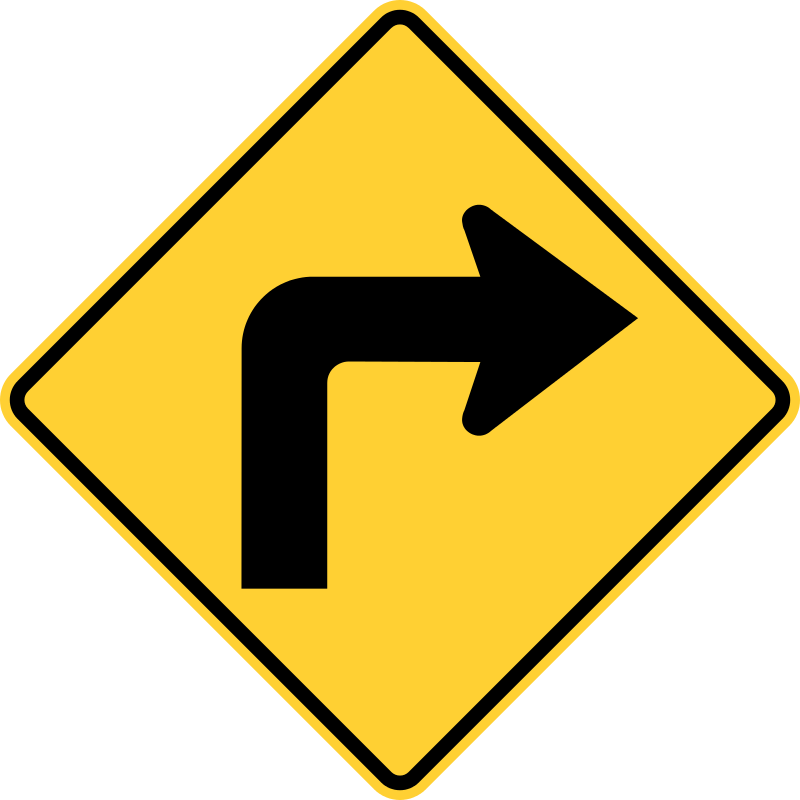 This sign warns drivers of:
A
a side road.
B
a sharp turn.
C
a cross road.
This traffic sign indicates: a sharp turn. Observing and obeying all roadway signs ensures safe traffic flow and legal driving.
Question 4:
If your brakes are wet, you can dry them by:
A
riding the pedal lightly.
B
pull over to the right and wait until it stops raining.
C
having them checked by a mechanic.
The correct driving rule is: riding the pedal lightly. Following standard DMV road rules and practicing defensive driving ensures safety for all road users.
Question 5:
Where there is no bicycle lane, where on the road must a bicyclist ride?
A
on the left shoulder of the road.
B
near the right curb or edge of the road.
C
near the left edge of the road.
State laws require motorists to provide a safe clearance buffer: near the right curb or edge of the road. Allow at least 3 feet of space when overtaking a bicyclist.
Question 6:
From top to bottom, traffic lights are:
A
green, red and yellow.
B
green, yellow and red.
C
red, yellow and green.
The correct driving rule is: red, yellow and green. Following standard DMV road rules and practicing defensive driving ensures safety for all road users.
Question 7:
Drivers may continue carefully through a yellow light if:
A
there are no pedestrians crossing.
B
they are turning right.
C
they already are within the intersection.
D
an emergency vehicle is crossing your lane.
According to standard right-of-way regulations: they already are within the intersection. Yielding appropriately prevents intersection collisions and maintains safe traffic flow.
Question 8:
Drivers may need more space in front of their vehicle:
A
when following motorcycles.
B
when carrying a heavy load or pulling a trailer.
C
All of the above.
All of the listed points are essential driving requirements: when following motorcycles; when carrying a heavy load or pulling a trailer. Practicing each ensures compliance with DMV safety laws.
Question 9:
What should you do if your headlights suddenly go out?
A
Brake immediately and activate your emergency lights.
B
Use your emergency lights, parking lights or directional signals.
C
Ease your foot off the gas pedal and brake gently.
The correct driving rule is: use your emergency lights, parking lights or directional signals. Following standard DMV road rules and practicing defensive driving ensures safety for all road users.
Question 10:
 This sign means:
A
Not enter
B
Detour to the right
C
The road to the right is for one-way traffic only
This traffic sign indicates: Detour to the right. Observing and obeying all roadway signs ensures safe traffic flow and legal driving.
Question 11:
If a traffic officer signals you to drive through a red light:
A
you must do it.
B
you must wait for the red light to turn green.
C
you must not obey the officer. Signs and signals take precedence over directions given by traffic officers.
According to standard right-of-way regulations: you must do it. Yielding appropriately prevents intersection collisions and maintains safe traffic flow.
Question 12:
Emergency vehicles:
A
may follow each other.
B
may use a loudspeaker to give instructions.
C
have the right-of-way when using siren and red/blue lights.
D
All of the above.
All of the listed points are essential driving requirements: may follow each other; may use a loudspeaker to give instructions; have the right-of-way when using siren and red/blue lights. Practicing each ensures compliance with DMV safety laws.
Question 13:
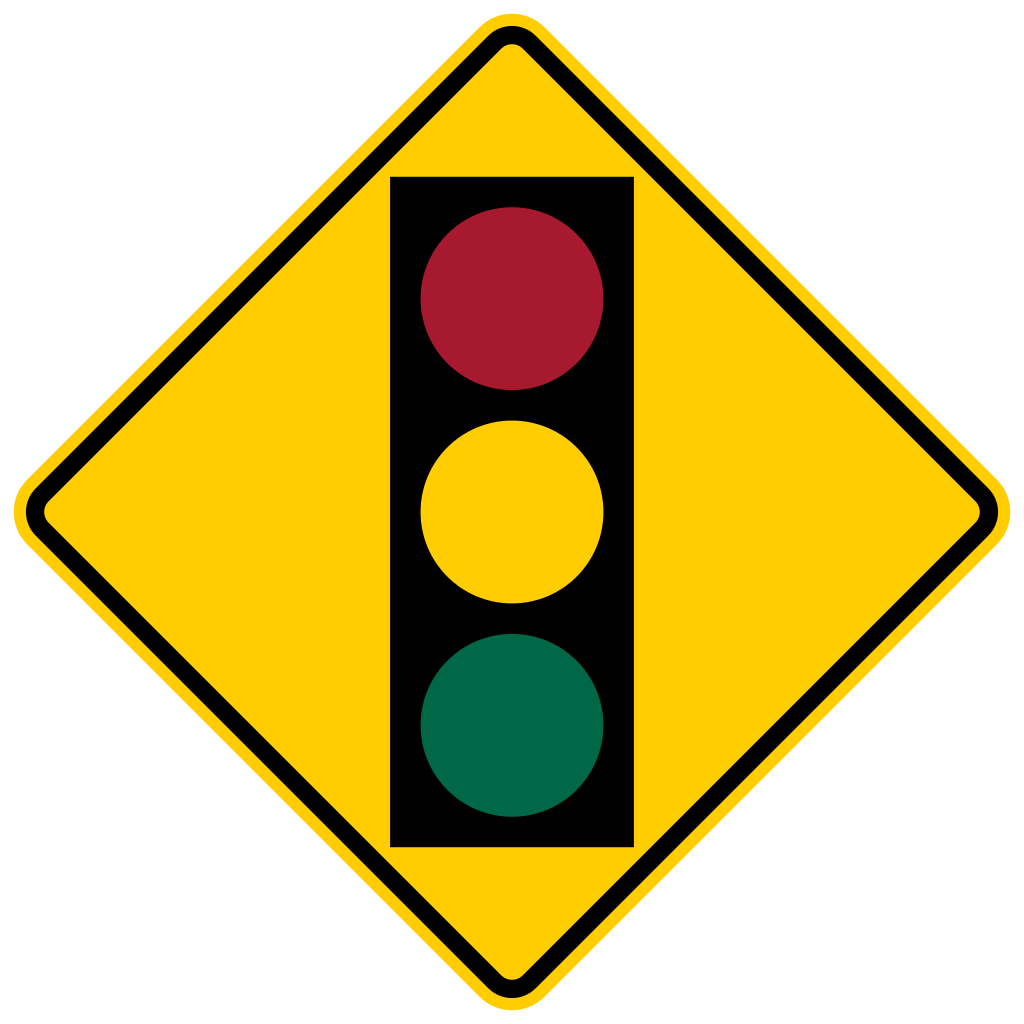 This sign means:
A
No traffic signal ahead
B
Traffic signal ahead
C
Open intersection ahead
This traffic sign indicates: traffic signal ahead. Observing and obeying all roadway signs ensures safe traffic flow and legal driving.
Question 14:
Keeping a space cushion between you and the other vehicles around you is important because it:
A
gives you time to react to situations.
B
prevents distractions from other vehicles.
C
keeps other drivers alert.
D
keeps traffic flowing at a safe pace.
The correct driving rule is: gives you time to react to situations. Following standard DMV road rules and practicing defensive driving ensures safety for all road users.
Question 15:
 A 4-way stop sign means:
A
The first vehicle to reach the intersection should move forward first.
B
Traffic from all four directions must stop.
C
There are four stop signs at the intersection.
D
All of the above.
This sign alerts drivers to several mandatory requirements: The first vehicle to reach the intersection should move forward first, Traffic from all four directions must stop, There are four stop signs at the intersection. Obeying all posted traffic control instructions is required by law.
Question 16:
If another car has stopped in an adjacent lane in the same direction of travel, you should:
A
speed up and pass the vehicle on the right.
B
pass the car on the left.
C
be careful in case the other vehicle has stopped for a pedestrian.
D
tap your horn to let the other driver know you are passing.
The correct driving rule is: be careful in case the other vehicle has stopped for a pedestrian. Following standard DMV road rules and practicing defensive driving ensures safety for all road users.
Question 17:
Directions given by traffic officers ___________ signs, signals or pavement markings.
A
take precedence over
B
are less important than
C
must obey
The correct driving rule is: take precedence over. Following standard DMV road rules and practicing defensive driving ensures safety for all road users.
Question 18:
Who has a greater risk of being involved in a traffic crash?
A
Drivers who are driving alone.
B
Young people.
C
All of the above.
All of the listed points are essential driving requirements: Drivers who are driving alone; Young people. Practicing each ensures compliance with DMV safety laws.
Question 19:
Your first response to reduced visibility should be:
A
to look for road edge markings to guide you.
B
to turn on your windshield wipers.
C
to reduce your speed.
D
to turn on your headlights.
The correct driving rule is: to reduce your speed. Following standard DMV road rules and practicing defensive driving ensures safety for all road users.
Question 20:
Diamond-shaped signs:
A
are used to warn of hazards on roadways.
B
indicate no pass zones.
C
typically provide guidance to drivers.
The correct driving rule is: are used to warn of hazards on roadways. Following standard DMV road rules and practicing defensive driving ensures safety for all road users.
Question 21:
 This sign means:
A
narrow road ahead.
B
no turns are allowed on this road.
C
series of curves ahead.
D
the road may be slippery when wet.
This traffic sign indicates: series of curves ahead. Observing and obeying all roadway signs ensures safe traffic flow and legal driving.
Question 22:
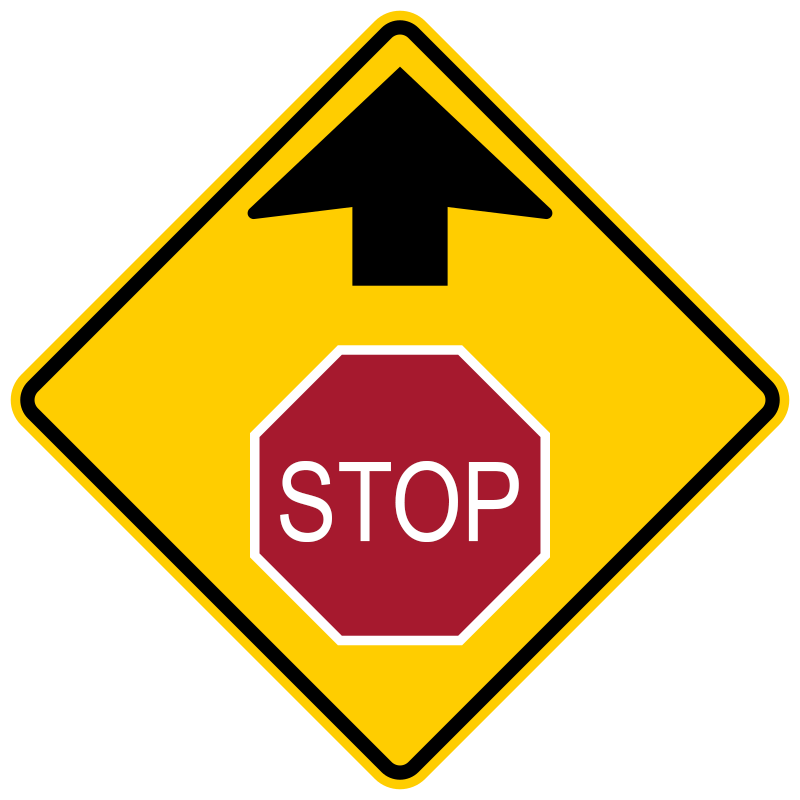 This road sign means:
A
Railroad Warning
B
Stop Sign Ahead
C
Lane ends
D
Stop if necessary
This traffic sign indicates: stop Sign Ahead. Observing and obeying all roadway signs ensures safe traffic flow and legal driving.
Question 23:
At night, it is hardest to see:
A
street lights.
B
pedestrians.
C
other motorists.
D
road signs.
The correct driving rule is: pedestrians. Following standard DMV road rules and practicing defensive driving ensures safety for all road users.
Question 24:
When getting ready to change lanes, you should:
A
check your rearview mirror.
B
quickly turn your head to check for other vehicles.
C
check your side view mirror.
D
All of the above.
All of the listed points are essential driving requirements: check your rearview mirror; quickly turn your head to check for other vehicles; check your side view mirror. Practicing each ensures compliance with DMV safety laws.
Question 25:
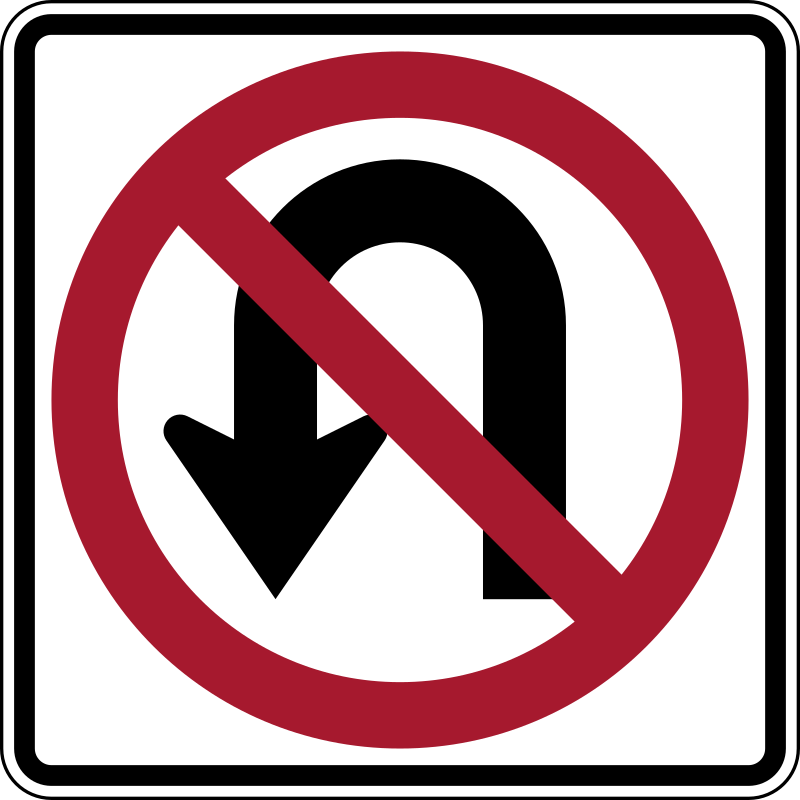 The picture shows a _________ sign.
A
no U-turn
B
no left turn
C
sharp turn
The correct driving rule is: no U-turn. Following standard DMV road rules and practicing defensive driving ensures safety for all road users.