Question 1:
 This is the shape and color of a ________ sign.
A
yield
B
stop
C
do not enter
No explanation available.
Question 2:
In the following situations, drivers should increase their following interval:
A
When following vehicles that are required to come to a stop at railroad crossings.
B
When it is hard to see ahead because of bad weather.
C
All of the above.
No explanation available.
Question 3:
 This road sign means:
A
Curves ahead
B
Divided highway ahead
C
Divided highway ends
No explanation available.
Question 4:
A steady green light at intersections means:
A
You may drive through the intersection if the road is clear
B
You must increase your speed
C
You may not turn right
No explanation available.
Question 5:
A yellow arrow means:
A
Do not go in the direction of the arrow.
B
If you intend to turn in the direction of the arrow, be prepared to stop.
C
The same as a steady yellow light.
No explanation available.
Question 6:
When passing a motorcycle you must:
A
give the motorcyclist the right hand part of his traffic lane.
B
give the motorcyclist the entire traffic lane as if the motorcycle was a car.
C
sound your horn to alert the motorcyclist.
No explanation available.
Question 7:
Drivers may pass another vehicle if the line dividing two lanes is a ________ line.
A
broken white
B
double solid yellow
C
solid yellow
D
solid white
No explanation available.
Question 8:
If you drive slower than the flow of traffic, you will most likely:
A
improve traffic flow.
B
help create a safe driving environment.
C
interfere with traffic and receive a ticket.
No explanation available.
Question 9:
If another car is in danger of hitting you, you should:
A
flash your brake lights.
B
sound your horn.
C
use your emergency lights.
D
flash your headlights.
No explanation available.
Question 10:
If you missed your exit on a freeway, you should:
A
use the right turn signal, check your mirrors and move to the right.
B
None of the above.
C
go to the next exit and come back to the exit you missed.
D
make a quick U-turn from your lane of travel.
No explanation available.
Question 11:
A flashing red traffic light:
A
has the same meaning as a yield sign.
B
is used to indicate a pedestrian crossing.
C
has the same meaning as a stop sign.
D
indicates that you should drive with caution.
No explanation available.
Question 12:
When approaching an intersection with a traffic control signal that is not working, drivers should:
A
stop as you would if there were stop signs in all directions, yield the right-of-way, then enter the intersection.
B
speed up and proceed through the intersection.
C
try not to stop if the intersection is clear.
No explanation available.
Question 13:
When driving in icy or snowy conditions, to avoid crashes drivers should:
A
get off the highway as quickly as possible.
B
reduce speed and increase following distance.
C
add extra weight to the vehicle to improve traction.
D
engage 4 wheel drive on the vehicle.
No explanation available.
Question 14:
Drivers should use high beam headlights when:
A
following another vehicle.
B
when they come within 50 feet of an oncoming vehicle.
C
there are no oncoming vehicles approaching.
No explanation available.
Question 15:
Which sign has white letters on a red background?
A
Stop
B
School zone
C
Yield
No explanation available.
Question 16:
To avoid traction loss from hydroplaning, drivers should:
A
keep a constant speed.
B
apply the brakes as soon as the car starts to skid.
C
slow down.
No explanation available.
Question 17:
When driving on major highways you should:
A
be ready to react to road hazards.
B
stay alert.
C
keep your eyes moving.
D
All of the above.
No explanation available.
Question 18:
Drivers should allow a larger space cushion when stopping:
A
at a stop sign.
B
on an up-hill.
C
at an intersection.
D
at a yield sign.
No explanation available.
Question 19:
When exiting a highway, you should slow down:
A
when you first see the exit sign.
B
before moving into the exit lane.
C
once you have moved into the exit lane.
D
once you see the toll booth.
No explanation available.
Question 20:
What is the meaning of blue traffic signs?
A
A blue background indicates a regulatory sign.
B
They give directional information.
C
Blue indicates road user services.
No explanation available.
Question 21:
A broken white line:
A
means passing or crossing is prohibited in that lane.
B
separates two lanes traveling in the same direction.
C
marks the right edge of the roadway.
No explanation available.
Question 22:
You reach an intersection that is not controlled at the same time as a driver on your right, and both of you prepare to go straight. Who has the right-of-way?
A
You.
B
No one.
C
The other driver.
No explanation available.
Question 23:
Hydroplaning is usually caused by:
A
excessive rain.
B
excessive stops.
C
excessive speed.
D
sudden turns.
No explanation available.
Question 24:
If the vehicle you are driving starts to skid, you should:
A
brake lightly.
B
turn off the ignition.
C
stay off the brakes.
No explanation available.
Question 25:
Your red traffic signal changes to green while a pedestrian is crossing in your traffic lane. The right of way should be given:
A
by the pedestrian, but only when vehicles are turning left.
B
by the pedestrian.
C
to the pedestrian.
No explanation available.
Question 26:
Drivers approaching an intersection with a flashing yellow light should:
A
slow down and proceed with caution.
B
stop before crossing through.
C
wait for a green light.
No explanation available.
Question 27:
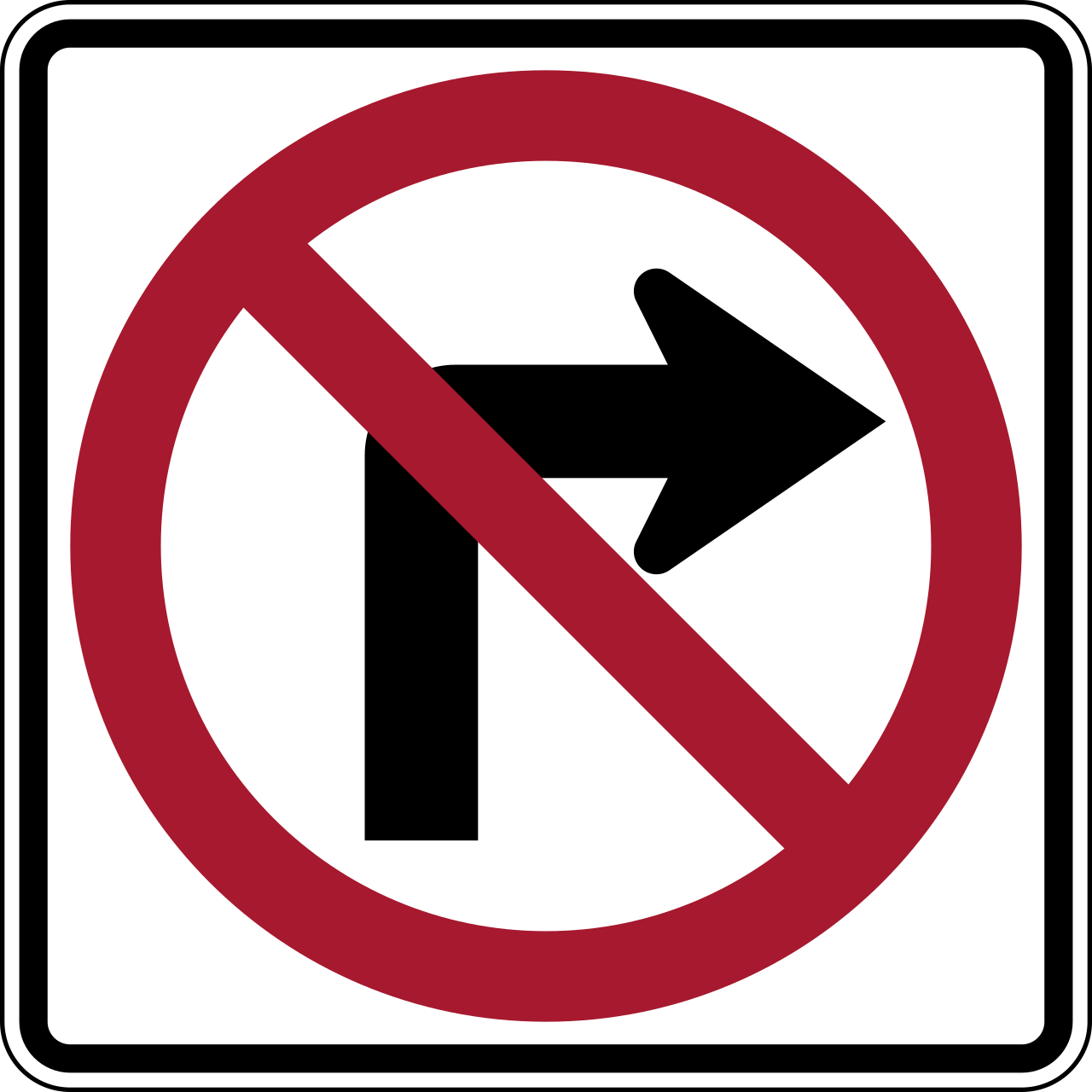 This sign tells drivers that:
A
they must make a left turn at the intersection.
B
U-turns are not allowed.
C
they must not make a right turn.
D
None of the above.
No explanation available.
Question 28:
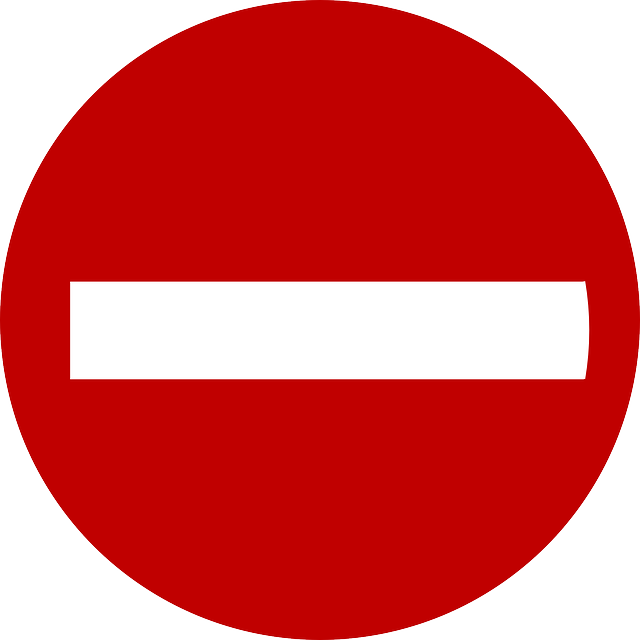 This road sign means:
A
No left turn
B
Lane ends
C
Do not enter
No explanation available.
Question 29:
You may park or stop along the shoulder of the freeway:
A
if you need to check your smartphone for directions.
B
only if you have an emergency.
C
if no part of your vehicle is on the road.
D
as long as you turn on your emergency flashers.
No explanation available.
Question 30:
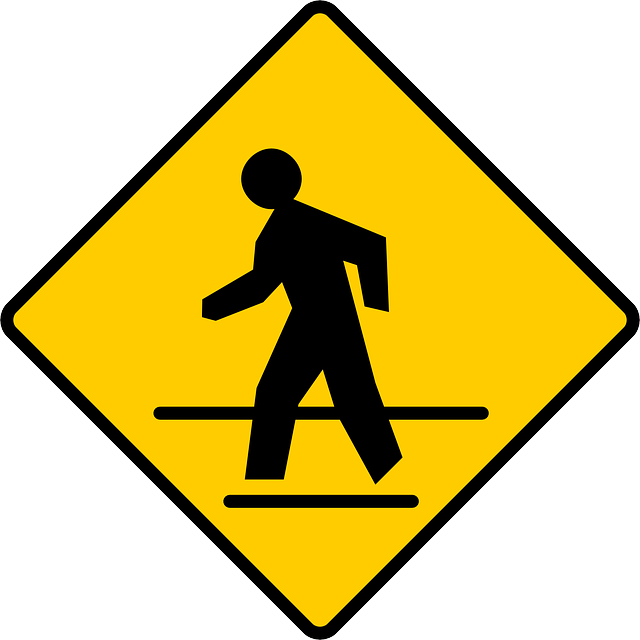 This road sign means:
A
School zone ahead
B
Pedestrians must not cross here
C
Pedestrian crossing ahead
No explanation available.
Question 31:
What should drivers do in case of a brake failure?
A
Shift to a lower gear.
B
Tie a white cloth on the left door handle.
C
Brake lightly.
No explanation available.
Question 32:
The traffic light is red and you want to turn right. You can turn:
A
when the traffic with the green light is clear.
B
immediately.
C
if there is no speed limit.
No explanation available.
Question 33:
When you make a left turn from a one-way road into a two-way road, you must:
A
enter the two-way road to the left of its center line.
B
make a U-turn into the two-way road.
C
enter the two-way road to the right of its center line.
No explanation available.
Question 34:
The shape of a route sign tells you:
A
the type of route you are on.
B
the speed limit on that route.
C
that the route you are on might be dangerous.
No explanation available.
Question 35:
 This sign is a:
A
regulatory sign.
B
warning sign.
C
guide sign.
No explanation available.
Question 36:
An emergency vehicle that uses lights and a siren can be unpredictable. Why?
A
The driver can legally pass red lights.
B
Emergency vehicles must go faster than the posted speed limit when it is safe to do so.
C
Emergency vehicle drivers are not required to be careful.
No explanation available.
Question 37:
When you prepare to make a left turn from a one-way road into a one-way road, you must:
A
move into the right lane, or to the left side of a single lane.
B
move into the right lane, or to the right side of a single lane.
C
move into the left lane, or to the left side of a single lane.
No explanation available.
Question 38:
 This road sign means:
A
Merge
B
Side Road
C
Merging Traffic
D
All traffic must go straight ahead
No explanation available.
Question 39:
 This sign means:
A
Hairpin corner ahead.
B
Warning: U-turn ahead.
C
Sharp right turn ahead.
No explanation available.
Question 40:
In heavy rain, tires can begin to ride on the water that is on top of the road pavement. This is called:
A
rideplaning.
B
hydroplaning.
C
pavement-planing.
D
waterplaning.
No explanation available.
Question 41:
 This road sign warns drivers that:
A
they are coming to a point where another traffic lane joins the one they are on.
B
a divided highway is ahead.
C
the one-way street or roadway is about to change to two-way traffic.
No explanation available.
Question 42:
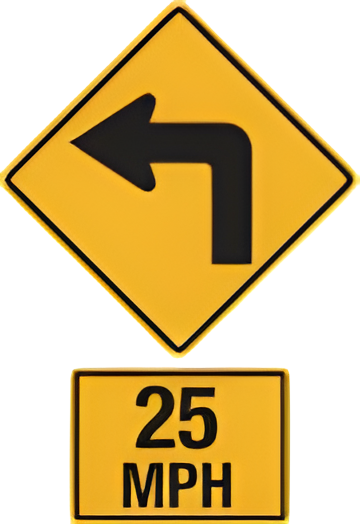 This road sign means:
A
Merge, then slow down to the safe speed indicated
B
The road ahead curves right; slow down to indicated speed
C
Winding road ahead; slow down to the indicated speed
D
Divided highway begins. Slow down to the safe speed indicated
No explanation available.
Question 43:
Give the right-of-way to any pedestrian:
A
on the opposite side of the street.
B
if you have the green light.
C
in a marked crosswalk.
No explanation available.
Question 44:
In 55 MPH traffic you are least likely to be involved in a collision if you:
A
stay within that speed range.
B
drive a few MPH faster than most.
C
drive a few MPH slower than most.
No explanation available.
Question 45:
 The picture shows:
A
a railroad advance warning sign.
B
a speeding fines doubled sign.
C
a reversible road sign.
No explanation available.
Question 46:
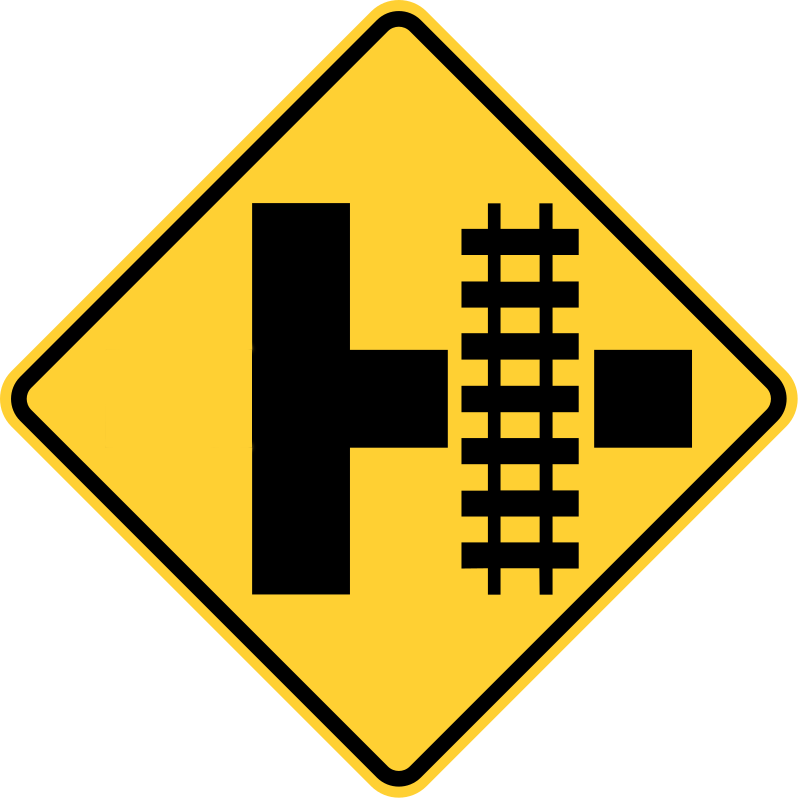 What does this sign indicate?
A
Parallel railroad crossing (side road)
B
Low ground clearance railroad crossing
C
Parallel railroad crossing (crossroad)
No explanation available.
Question 47:
At night, it is hardest to see:
A
street lights.
B
pedestrians.
C
other motorists.
D
road signs.
No explanation available.
Question 48:
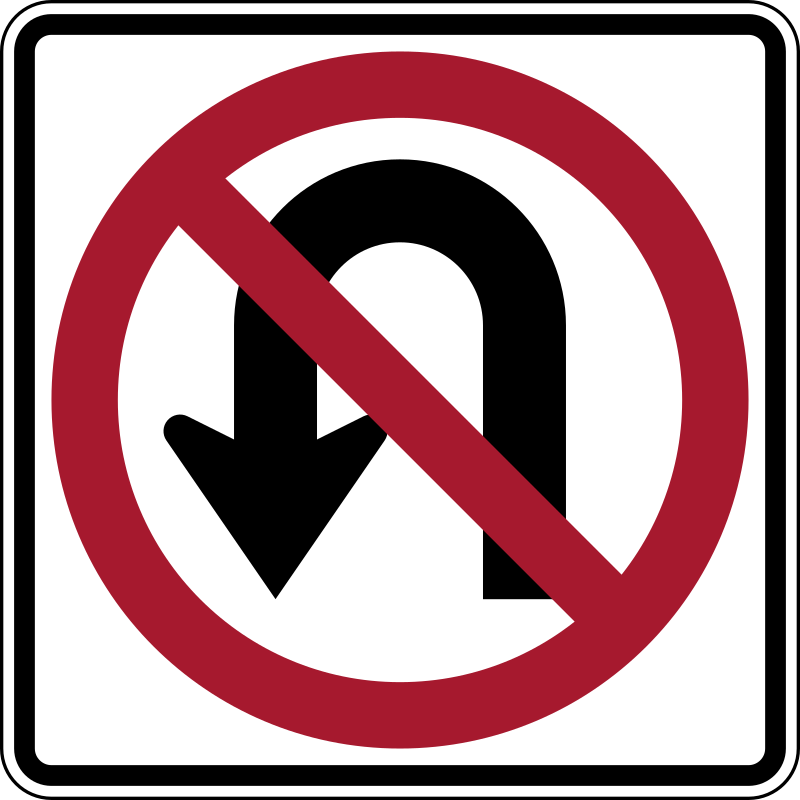 This road sign means:
A
Left turns are not allowed where this sign is displayed.
B
Drivers cannot make a complete turn to go in the opposite direction.
C
Vehicles turning left must make a U-turn.
No explanation available.
Question 49:
If you are feeling tired while driving, you should:
A
stop and get some rest.
B
open a window.
C
drink coffee.
No explanation available.
Question 50:
To drive defensively you should:
A
always put one car length between you and the car ahead.
B
keep your eyes moving to look for possible hazards.
C
look only at the car in front of you while driving.
No explanation available.