DriveQuiz drivequiz.com

WI DMV PERMİT PRACTİCE TEST 10

Wisconsin
Duration: 45 min
|
Questions: 49
Student Name:
Date:
Correct:      Incorrect:      Score:      
1.
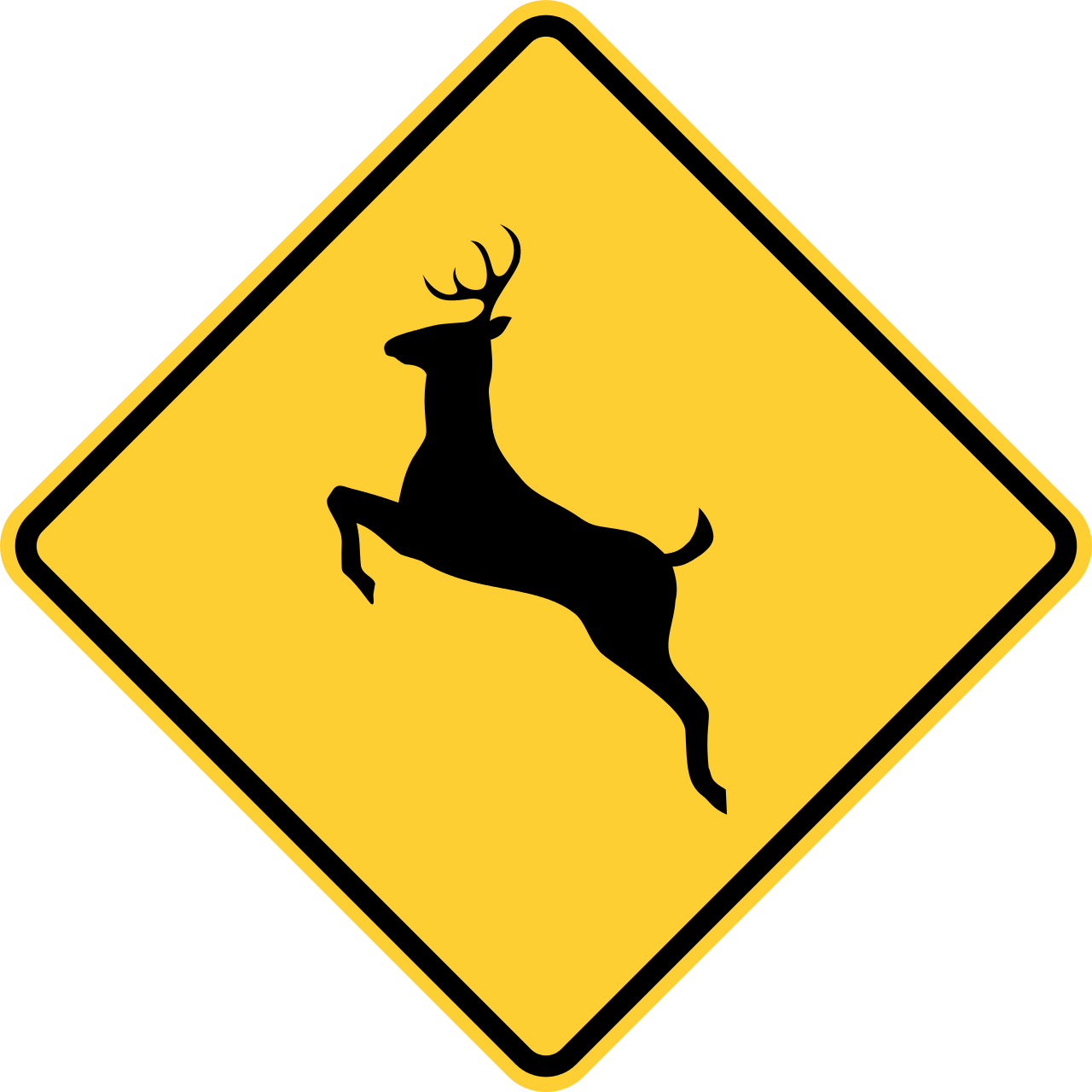
Wildlife and deer frequently cross in this area, especially at dawn and dusk. Scan the roadside and be prepared to brake safely.
When they see this road sign, drivers should:
A) drive carefully because the animal pictured on the sign is extremely rare in the area.
B) watch for this species crossing the road.
C) park in the zoo area.
2.
When merging onto an interstate highway, drivers should:
A) always stop before entering the highway.
B) select a safe gap and merge into the lane of traffic.
C) turn on their emergency flashers right before merging.
3.
When driving at night, drivers should:
A) always use their high beams.
B) increase their following distance.
C) look directly into the oncoming headlights of approaching vehicles.
4.
Tailgating:
A) cannot result in a traffic citation.
B) helps reduce traffic congestion.
C) is a defensive driving tecnique.
D) can frustrate other drivers and make them angry.
5.
Aggressive drivers:
A) run stop signs.
B) are high risk drivers.
C) tailgate other vehicles and make improper lane changes.
D) All of the above.
6.
When changing lanes, you can check your blind spot by:
A) using the outside rearview mirror.
B) using the inside rearview mirror.
C) turning your head and glancing over your shoulder.
D) checking the rearview and outside mirrors.
7.
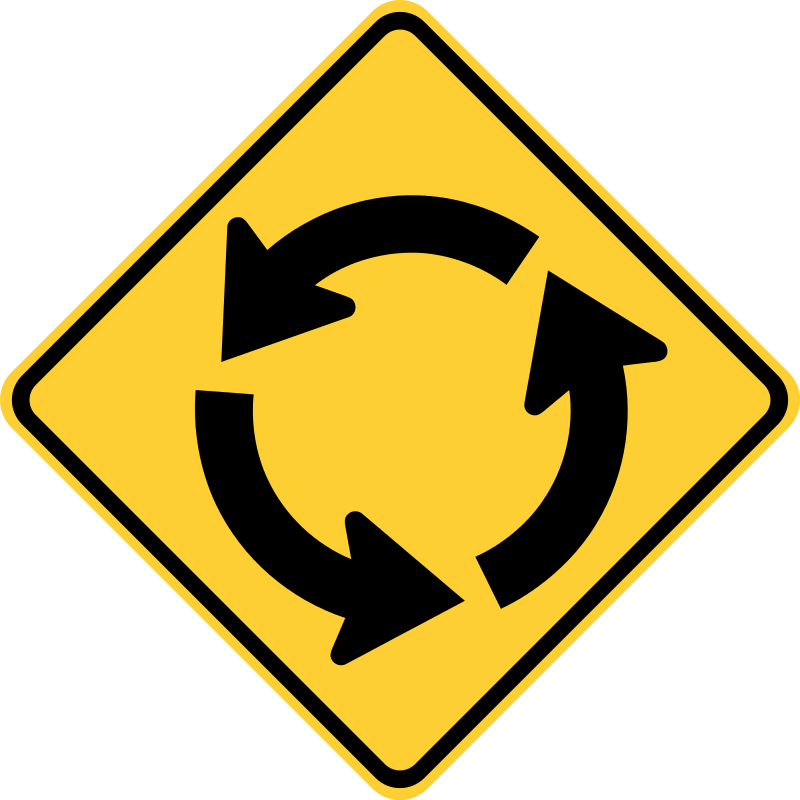
A circular intersection is ahead. Vehicles inside the roundabout have right-of-way; entering traffic must yield to traffic approaching from the left.
This road sign:
A) warns drivers of a sharp turn left. Drivers should slow their speed and keep to the left.
B) provides an advance notice of a roundabout.
C) warns drivers that U-turns are not permitted.
D) is a no-right-turns sign.
8.
Warns of an upcoming YIELD sign. Prepare to slow down and check for cross traffic before proceeding.
This road sign means:
A) Yield sign ahead
B) Side road entering from the left
C) Side road
9.
You may not turn right (or left from a one-way onto a one-way) while the traffic signal is red. Wait for the green signal before turning.
This sign tells drivers:
A) they must wait for the traffic signal to turn green before turning right or left.
B) they may not turn right or left during the red light.
C) All of the above.
10.
What should you do in case of a brake failure?
A) Pull off the road into an open space, if available.
B) Apply the parking brake slowly.
C) All of the above.
11.
When passing other vehicles, drivers should:
A) make sure the passing lane is clear of traffic, and check behind and to the left to make sure another vehicle is not attempting to pass.
B) pass the vehicle as slowly as possible.
C) apply the brake and slow down.
D) All of the above.
12.
Prohibits drivers from making a 180-degree turn to travel in the opposite direction at this intersection or stretch of road.
This road sign means:
A) No left turn
B) No U-turn
C) Detour ahead
13.
If you see orange construction signs and cones on a freeway, you must:
A) be prepared for workers and equipment ahead.
B) make a U-turn because the lane ends ahead.
C) maintain your current speed while changing lanes.
14.
A defensive driver:
A) never drives below the speed limit.
B) knows when it is safe to pass other vehicles.
C) considers what other drivers might do and is always prepared to act.
15.
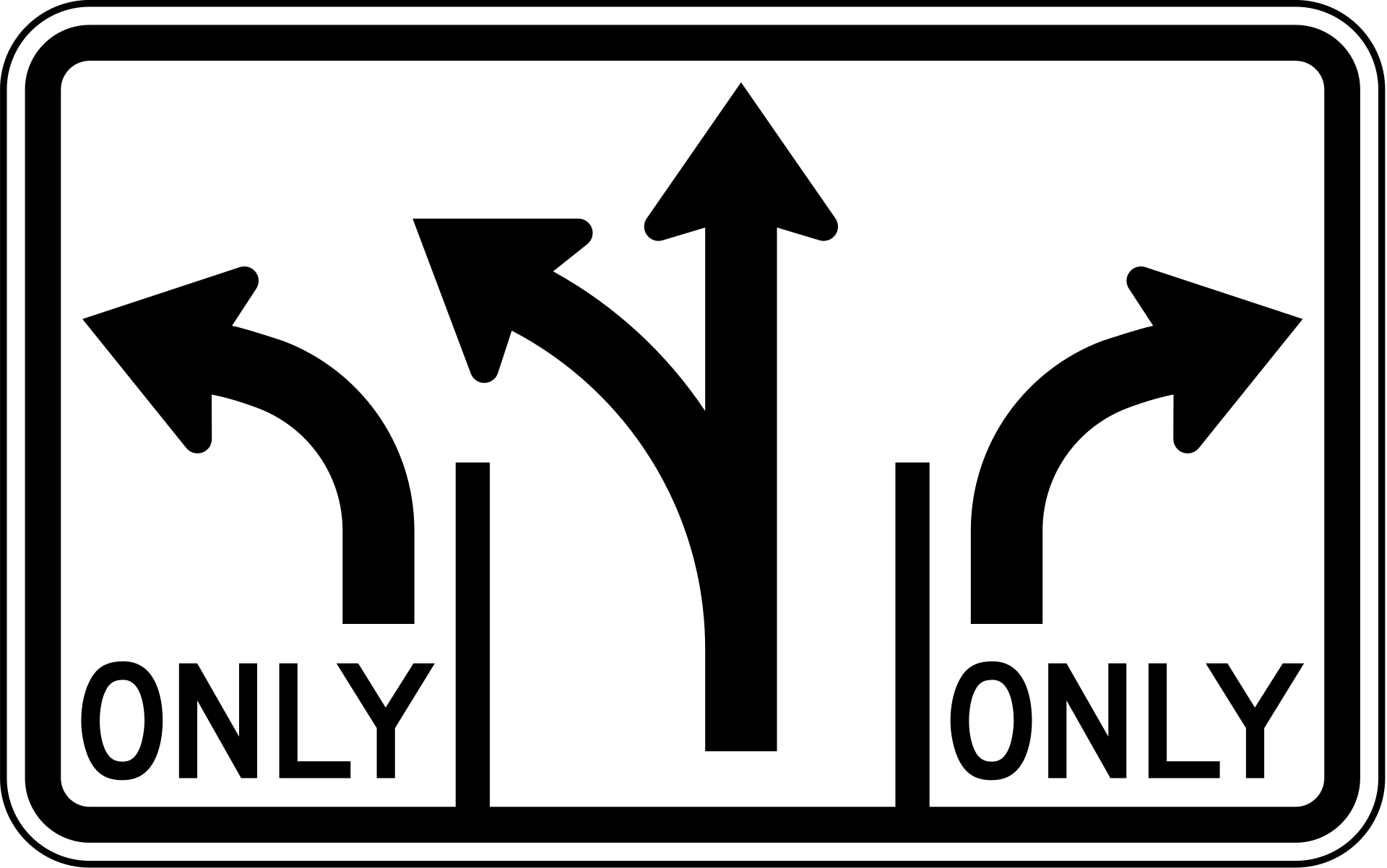
Warns of a traffic signal ahead that may not yet be visible due to a curve or hill. Be prepared to slow down and stop if the light changes.
This regulatory sign tells drivers that:
A) traffic in the left lane must turn left at the intersection ahead.
B) all vehicles must turn left immediately.
C) traffic in the right lane must go straight.
16.
If a bus has signaled and is pulling back onto the roadway, you must:
A) yield.
B) honk to let them know you’re there.
C) move to the left lane.
D) speed up to pass.
17.
Alcohol causes:
A) poor judgment.
B) loss of concentration.
C) reduced perception.
D) All of the above.
18.
A signalized intersection is ahead. Prepare to stop if the light turns yellow or red.
This sign means:
A) No traffic signal ahead
B) Traffic signal ahead
C) Open intersection ahead
19.
Yellow traffic signs:
A) guide drivers.
B) when combined with an octagonal shape, tell drivers they must come to a complete stop at the marked stop line.
C) warn drivers.
20.
If your car starts to skid, turn your steering wheel:
A) in the direction you want to go.
B) in the opposite direction of the skid.
C) to keep the front wheels straight.
D) in any direction. It doesnt matter.
21.
Which shape is a speed limit sign?
A) Round
B) Pentagon
C) Vertical rectangle
22.
Another road crosses the highway ahead. Look left and right for crossing or entering vehicles.
This road sign means:
A) A four-way intersection is ahead
B) Do not pass
C) A steep grade is ahead
23.
Unless otherwise posted, the speed limit on residential and business streets is:
A) 25 MPH
B) 15 MPH
C) 35 MPH
D) 55 MPH
24.
________ is the only effective way to reduce your Blood Alcohol Content (BAC).
A) Time
B) Drinking coffee
C) Taking a cold shower
D) Eating food
25.
What happens if two vehicles reach at the same time an intersection with four-way stop signs?
A) The driver on the right yields to the driver on the left.
B) The driver on the left yields to the driver on the right.
C) The first vehicle to reach the intersection must yield.
26.
The only effective way to reduce your blood alcohol content (BAC) is:
A) drinking coffee.
B) fresh air.
C) not to drink over a period of time.
27.
Drivers under 21 years of age are considered to be driving under the influence if their blood alcohol concentration (BAC) is:
A) .10% or higher.
B) .05% or higher.
C) .08% or higher.
D) .02% or higher.
28.
A vehicle is stopped at a crosswalk to permit a pedestrian to cross the roadway. The driver of the vehicle approaching from the rear should:
A) sound the horn.
B) overtake and pass the stopped vehicle.
C) not overtake and pass the stopped vehicle.
29.
When driving on a roadway with a single broken white line:
A) you may cross the broken white line to change lanes.
B) you may change lanes only if you are in the right lane.
C) you may not cross the broken white line.
30.
If an intersection has crosswalk lines but no STOP line, where must you stop for a red light?
A) After the crosswalk.
B) Before the stop line.
C) Before the crosswalk.
31.
Motorcycles:
A) must share a traffic lane with another vehicle.
B) are easier to see than cars.
C) are entitled to use a complete traffic lane.
32.
When parked facing down hill, your wheels should be turned:
A) toward the curb.
B) in any direction.
C) parallel to the curb.
D) away from the curb.
33.
Pentagonal signs are used to indicate:
A) possible hazards on roadways.
B) no passing zones.
C) school crossings.
34.
Warns of two consecutive curves in opposite directions (e.g., curves right then left). Slow down to maintain control.
This sign warns drivers that:
A) the highway ahead is divided into two one-way roadways. Drivers should keep to the right.
B) there is a winding road ahead.
C) there is a double curve ahead.
35.
Warns that a one-way street or divided highway is ending, and you are entering a roadway with oncoming traffic in the opposing lane. Stay to the right.
This road sign means:
A) School zone ahead
B) Keep right
C) Two-way Traffic
36.
If your front wheels start to skid, the first thing you should do is:
A) Take your foot off the gas pedal and shift to neutral.
B) Immediately turn in the direction you want to go.
C) Speed up, pump your brakes and steer in the direction the vehicle is trying to go.
37.
If you hear a thumping sound while driving, you should:
A) hook your shoe under the gas pedal and see if you can free it.
B) get off the road and check your tires.
C) try your emergency lights.
38.
Yellow diamond warning that pedestrians may be crossing ahead. Exercise caution and yield.
This road sign means:
A) School zone ahead
B) Pedestrians must not cross here
C) Pedestrian crossing ahead
39.
When you prepare to make a left turn from a one-way road into a two-way road, you must:
A) enter the two-way road to the left of its center line.
B) approach the turn in the right lane or from the right side of a single lane.
C) approach the turn in the left lane or from the left side of a single lane.
40.
Warns of an upcoming STOP sign that may not be immediately visible. Begin slowing down to prepare for a complete stop.
When drivers come to this sign, they must:
A) be ready to stop at the stop sign.
B) warn other drivers that a stop sign is ahead.
C) brake sharply and come to a complete stop.
41.
When driving near light rail vehicles, drivers should:
A) never drive around lowered crossing gates.
B) expect trains on any track at any time.
C) always obey signs and traffic signals.
D) All of the above.
42.
When there is a _______ at an intersection, you should come to a complete stop, yield to cross traffic/pedestrians, and then proceed when clear.
A) a solid green light
B) a solid red light
C) a flashing red light
D) a flashing yellow light
43.
A sharp curve is ahead with a recommended safe speed plate. Slow down before entering the curve to prevent vehicle rollover.
This sign indicates that:
A) the highest safe speed drivers should travel around the curve ahead is 25 MPH.
B) the safe speed around the curve ahead is at least 25 MPH.
C) drivers may not turn right if traveling at 25 MPH or less.
44.
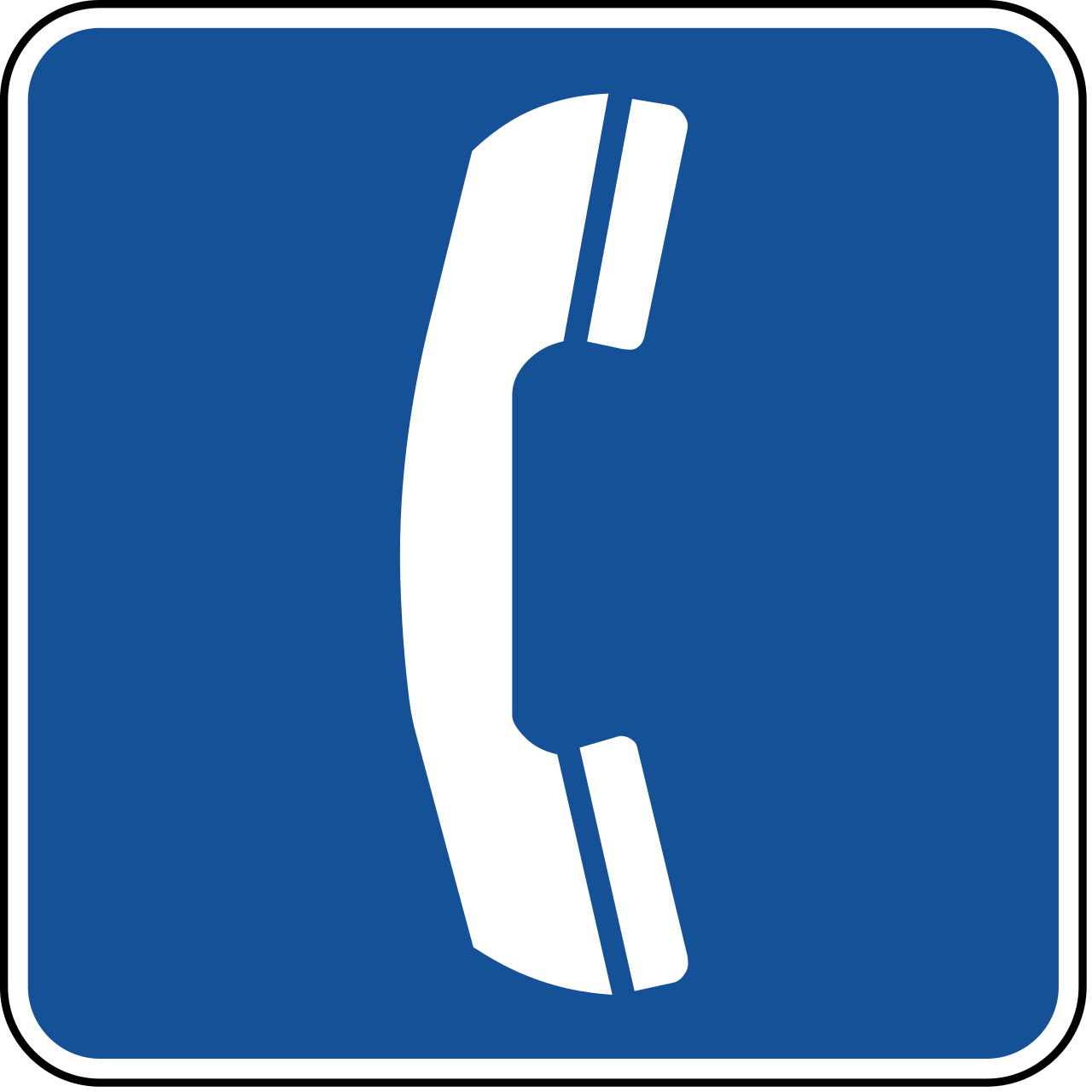
Blue motorist service sign indicating the availability of a public emergency telephone along the highway.
This sign indicates:
A) Phone service ahead
B) Emergency line available
C) Cell phone shop ahead
45.
The effects of alcohol on driving include:
A) None of the above.
B) Improved coordination
C) Better reflexes
D) Improved judgement
46.
Which shape is a warning sign?
A) Diamond
B) Triangle
C) Pennant
47.
The roadway becomes particularly slippery during wet or rainy conditions. Reduce your speed, increase following distance, and avoid abrupt braking or steering.
This road sign means:
A) Slow down, slippery when wet
B) Detour ahead
C) Road curves ahead
48.
Drivers may legally block an intersection:
A) under no circumstances.
B) only during rush hour traffic.
C) only after entering the intersection on a green light.
49.
Which of the following is true about the Anti-Locking Brake System?
A) It prevents skidding.
B) It allows drivers to steer during an emergency braking situation.
C) All of the above.
ANSWER KEY Check answers after completing the test.
1 B
2 B
3 B
4 D
5 D
6 C
7 B
8 A
9 C
10 C
11 A
12 B
13 A
14 C
15 A
16 A
17 D
18 B
19 C
20 A
21 C
22 A
23 A
24 A
25 B
26 C
27 D
28 C
29 A
30 C
31 C
32 A
33 C
34 C
35 C
36 A
37 B
38 C
39 C
40 A
41 D
42 C
43 A
44 A
45 A
46 A
47 A
48 A
49 C