Question 1:
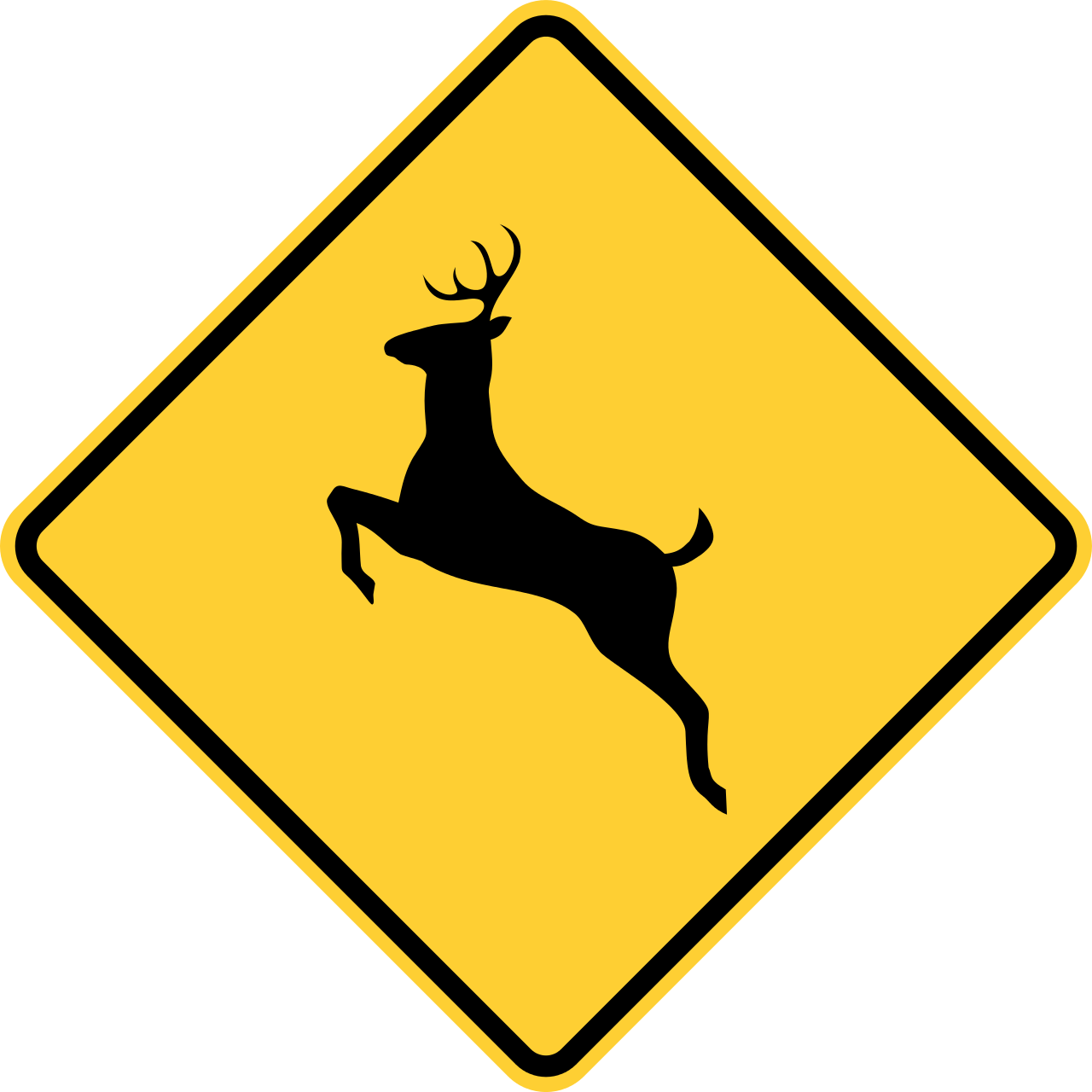 When they see this road sign, drivers should:
A
drive carefully because the animal pictured on the sign is extremely rare in the area.
B
watch for this species crossing the road.
C
park in the zoo area.
This traffic sign indicates: watch for this species crossing the road. Observing and obeying all roadway signs ensures safe traffic flow and legal driving.
Question 2:
When merging onto an interstate highway, drivers should:
A
always stop before entering the highway.
B
select a safe gap and merge into the lane of traffic.
C
turn on their emergency flashers right before merging.
Defensive driving guidelines state that: select a safe gap and merge into the lane of traffic. Anticipating road hazards and communicating maneuvers keeps traffic predictable and safe.
Question 3:
When driving at night, drivers should:
A
always use their high beams.
B
increase their following distance.
C
look directly into the oncoming headlights of approaching vehicles.
The correct driving rule is: increase their following distance. Following standard DMV road rules and practicing defensive driving ensures safety for all road users.
Question 4:
Tailgating:
A
cannot result in a traffic citation.
B
helps reduce traffic congestion.
C
is a defensive driving tecnique.
D
can frustrate other drivers and make them angry.
The correct driving rule is: can frustrate other drivers and make them angry. Following standard DMV road rules and practicing defensive driving ensures safety for all road users.
Question 5:
Aggressive drivers:
A
run stop signs.
B
are high risk drivers.
C
tailgate other vehicles and make improper lane changes.
D
All of the above.
All of the listed points are essential driving requirements: run stop signs; are high risk drivers; tailgate other vehicles and make improper lane changes. Practicing each ensures compliance with DMV safety laws.
Question 6:
When changing lanes, you can check your blind spot by:
A
using the outside rearview mirror.
B
using the inside rearview mirror.
C
turning your head and glancing over your shoulder.
D
checking the rearview and outside mirrors.
Large commercial trucks have extensive blind spots on all four sides called the 'No-Zone': turning your head and glancing over your shoulder. If you cannot see the truck driver in their side mirrors, they cannot see you.
Question 7:
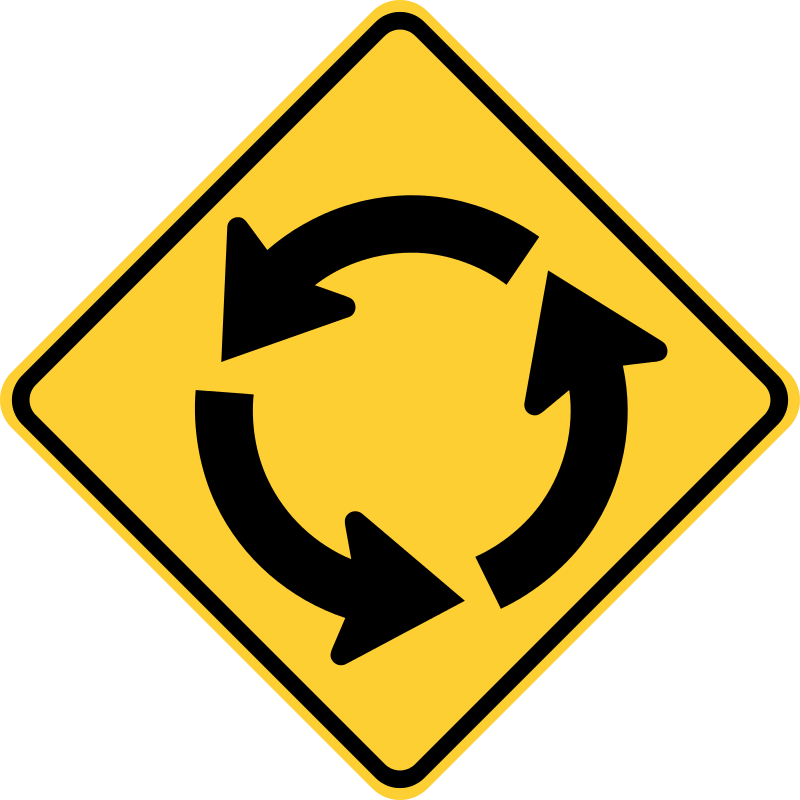 This road sign:
A
warns drivers of a sharp turn left. Drivers should slow their speed and keep to the left.
B
provides an advance notice of a roundabout.
C
warns drivers that U-turns are not permitted.
D
is a no-right-turns sign.
This traffic sign indicates: provides an advance notice of a roundabout. Observing and obeying all roadway signs ensures safe traffic flow and legal driving.
Question 8:
 This road sign means:
A
Yield sign ahead
B
Side road entering from the left
C
Side road
A triangular Yield sign requires drivers to slow down and give right-of-way to other traffic: yield sign ahead. Proceed only when there is a safe opening.
Question 9:
 This sign tells drivers:
A
they must wait for the traffic signal to turn green before turning right or left.
B
they may not turn right or left during the red light.
C
All of the above.
This sign alerts drivers to several mandatory requirements: they must wait for the traffic signal to turn green before turning right or left, they may not turn right or left during the red light. Obeying all posted traffic control instructions is required by law.
Question 10:
What should you do in case of a brake failure?
A
Pull off the road into an open space, if available.
B
Apply the parking brake slowly.
C
All of the above.
All of the listed points are essential driving requirements: Pull off the road into an open space, if available; Apply the parking brake slowly. Practicing each ensures compliance with DMV safety laws.
Question 11:
When passing other vehicles, drivers should:
A
make sure the passing lane is clear of traffic, and check behind and to the left to make sure another vehicle is not attempting to pass.
B
pass the vehicle as slowly as possible.
C
apply the brake and slow down.
D
All of the above.
Defensive driving guidelines state that: make sure the passing lane is clear of traffic, and check behind and to the left to make sure another vehicle is not attempting to pass. Anticipating road hazards and communicating maneuvers keeps traffic predictable and safe.
Question 12:
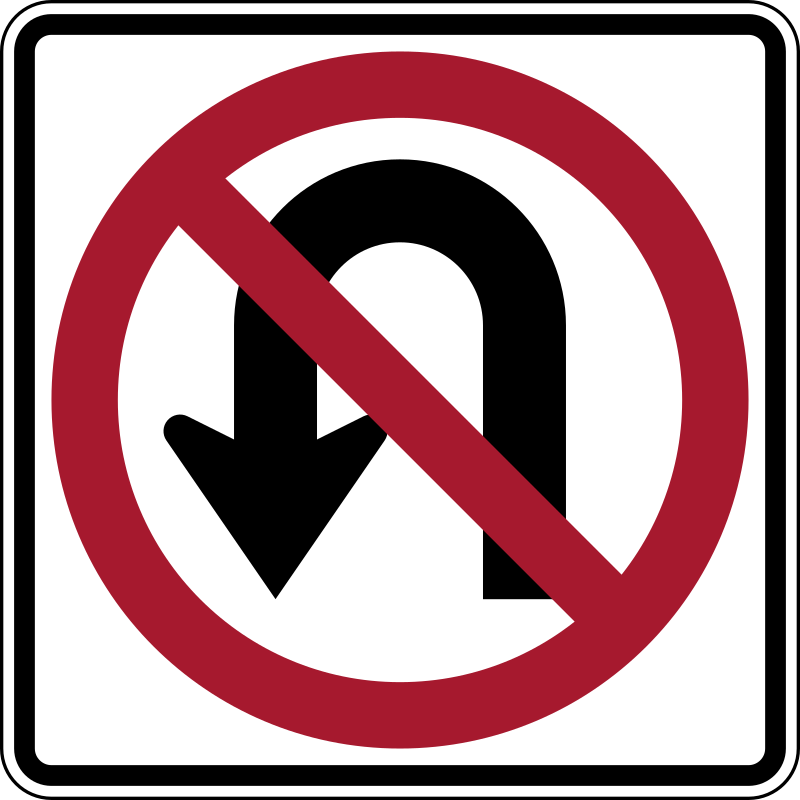 This road sign means:
A
No left turn
B
No U-turn
C
Detour ahead
This traffic sign indicates: No U-turn. Observing and obeying all roadway signs ensures safe traffic flow and legal driving.
Question 13:
If you see orange construction signs and cones on a freeway, you must:
A
be prepared for workers and equipment ahead.
B
make a U-turn because the lane ends ahead.
C
maintain your current speed while changing lanes.
Defensive driving guidelines state that: be prepared for workers and equipment ahead. Anticipating road hazards and communicating maneuvers keeps traffic predictable and safe.
Question 14:
A defensive driver:
A
never drives below the speed limit.
B
knows when it is safe to pass other vehicles.
C
considers what other drivers might do and is always prepared to act.
The correct driving rule is: considers what other drivers might do and is always prepared to act. Following standard DMV road rules and practicing defensive driving ensures safety for all road users.
Question 15:
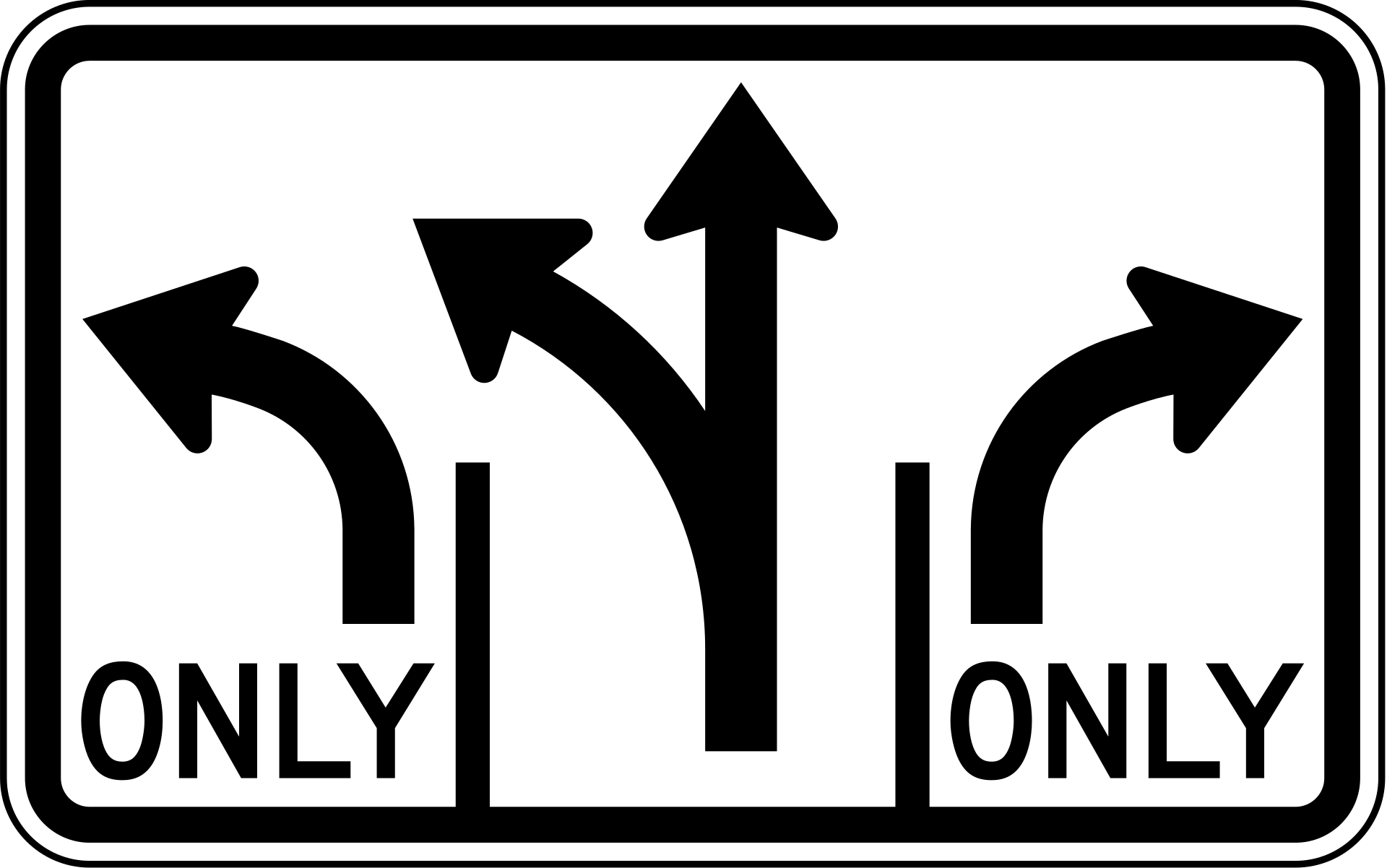 This regulatory sign tells drivers that:
A
traffic in the left lane must turn left at the intersection ahead.
B
all vehicles must turn left immediately.
C
traffic in the right lane must go straight.
This traffic sign indicates: traffic in the left lane must turn left at the intersection ahead. Observing and obeying all roadway signs ensures safe traffic flow and legal driving.
Question 16:
If a bus has signaled and is pulling back onto the roadway, you must:
A
yield.
B
honk to let them know you’re there.
C
move to the left lane.
D
speed up to pass.
The correct driving rule is: yield. Following standard DMV road rules and practicing defensive driving ensures safety for all road users.
Question 17:
Alcohol causes:
A
poor judgment.
B
loss of concentration.
C
reduced perception.
D
All of the above.
Alcohol and impairing substances degrade all critical driving functions: poor judgment; loss of concentration; reduced perception. Driving while impaired carries severe criminal and safety penalties.
Question 18:
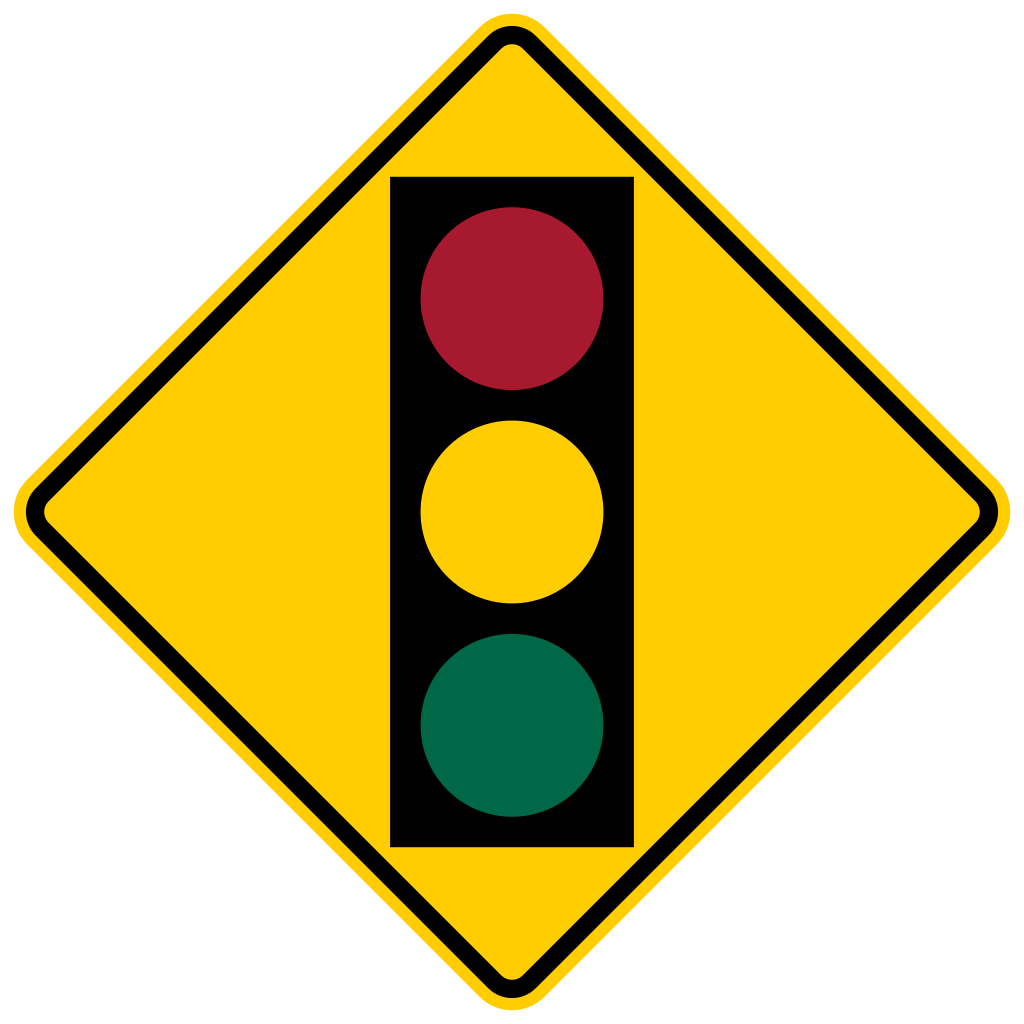 This sign means:
A
No traffic signal ahead
B
Traffic signal ahead
C
Open intersection ahead
This traffic sign indicates: traffic signal ahead. Observing and obeying all roadway signs ensures safe traffic flow and legal driving.
Question 19:
Yellow traffic signs:
A
guide drivers.
B
when combined with an octagonal shape, tell drivers they must come to a complete stop at the marked stop line.
C
warn drivers.
The correct driving rule is: warn drivers. Following standard DMV road rules and practicing defensive driving ensures safety for all road users.
Question 20:
If your car starts to skid, turn your steering wheel:
A
in the direction you want to go.
B
in the opposite direction of the skid.
C
to keep the front wheels straight.
D
in any direction. It doesnt matter.
The correct driving rule is: in the direction you want to go. Following standard DMV road rules and practicing defensive driving ensures safety for all road users.
Question 21:
Which shape is a speed limit sign?
A
Round
B
Pentagon
C
Vertical rectangle
For safe speed and stopping control: Vertical rectangle. Adjusting speed to match visibility and road traction prevents loss of steering grip.
Question 22:
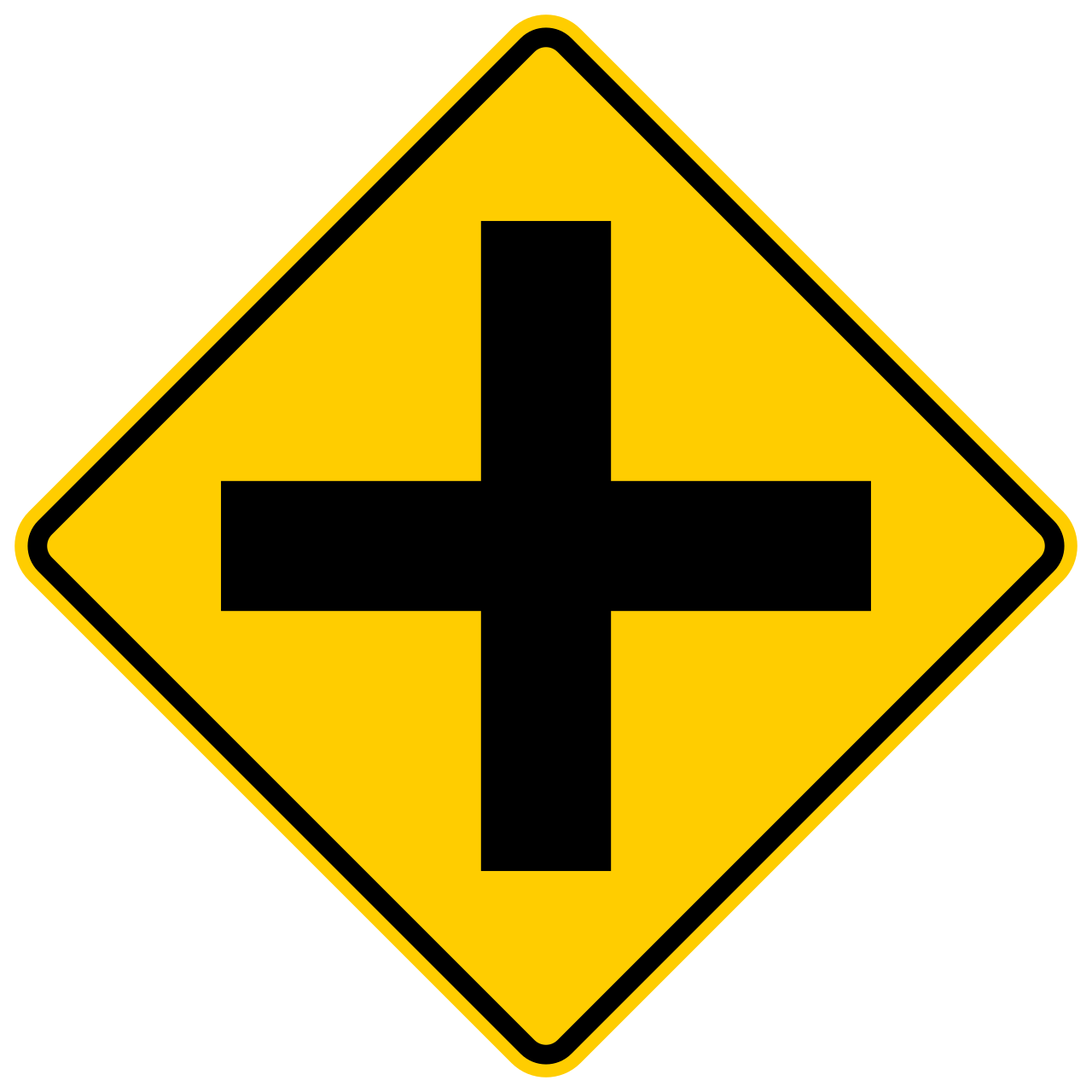 This road sign means:
A
A four-way intersection is ahead
B
Do not pass
C
A steep grade is ahead
This traffic sign indicates: A four-way intersection is ahead. Observing and obeying all roadway signs ensures safe traffic flow and legal driving.
Question 23:
Unless otherwise posted, the speed limit on residential and business streets is:
A
25 MPH
B
15 MPH
C
35 MPH
D
55 MPH
For safe speed and stopping control: 25 MPH. Adjusting speed to match visibility and road traction prevents loss of steering grip.
Question 24:
________ is the only effective way to reduce your Blood Alcohol Content (BAC).
A
Time
B
Drinking coffee
C
Taking a cold shower
D
Eating food
Under state DUI and traffic safety laws: Time. Alcohol degrades judgment, slows reaction times, and distorts depth perception.
Question 25:
What happens if two vehicles reach at the same time an intersection with four-way stop signs?
A
The driver on the right yields to the driver on the left.
B
The driver on the left yields to the driver on the right.
C
The first vehicle to reach the intersection must yield.
At an uncontrolled intersection or 4-way stop where vehicles arrive at the same time: The driver on the left yields to the driver on the right. The driver on the left must always yield to the driver on the right.
Question 26:
The only effective way to reduce your blood alcohol content (BAC) is:
A
drinking coffee.
B
fresh air.
C
not to drink over a period of time.
Under state DUI and traffic safety laws: not to drink over a period of time. Alcohol degrades judgment, slows reaction times, and distorts depth perception.
Question 27:
Drivers under 21 years of age are considered to be driving under the influence if their blood alcohol concentration (BAC) is:
A
.10% or higher.
B
.05% or higher.
C
.08% or higher.
D
.02% or higher.
Under state DUI and traffic safety laws: .02% or higher. Alcohol degrades judgment, slows reaction times, and distorts depth perception.
Question 28:
A vehicle is stopped at a crosswalk to permit a pedestrian to cross the roadway. The driver of the vehicle approaching from the rear should:
A
sound the horn.
B
overtake and pass the stopped vehicle.
C
not overtake and pass the stopped vehicle.
Drivers must always yield the right-of-way to pedestrians crossing at intersections and crosswalks: not overtake and pass the stopped vehicle. Stop and allow them to clear the lane safely.
Question 29:
When driving on a roadway with a single broken white line:
A
you may cross the broken white line to change lanes.
B
you may change lanes only if you are in the right lane.
C
you may not cross the broken white line.
The correct driving rule is: you may cross the broken white line to change lanes. Following standard DMV road rules and practicing defensive driving ensures safety for all road users.
Question 30:
If an intersection has crosswalk lines but no STOP line, where must you stop for a red light?
A
After the crosswalk.
B
Before the stop line.
C
Before the crosswalk.
Drivers must always yield the right-of-way to pedestrians crossing at intersections and crosswalks: Before the crosswalk. Stop and allow them to clear the lane safely.
Question 31:
Motorcycles:
A
must share a traffic lane with another vehicle.
B
are easier to see than cars.
C
are entitled to use a complete traffic lane.
The correct driving rule is: are entitled to use a complete traffic lane. Following standard DMV road rules and practicing defensive driving ensures safety for all road users.
Question 32:
When parked facing down hill, your wheels should be turned:
A
toward the curb.
B
in any direction.
C
parallel to the curb.
D
away from the curb.
The correct driving rule is: toward the curb. Following standard DMV road rules and practicing defensive driving ensures safety for all road users.
Question 33:
Pentagonal signs are used to indicate:
A
possible hazards on roadways.
B
no passing zones.
C
school crossings.
The correct driving rule is: school crossings. Following standard DMV road rules and practicing defensive driving ensures safety for all road users.
Question 34:
 This sign warns drivers that:
A
the highway ahead is divided into two one-way roadways. Drivers should keep to the right.
B
there is a winding road ahead.
C
there is a double curve ahead.
This traffic sign indicates: there is a double curve ahead. Observing and obeying all roadway signs ensures safe traffic flow and legal driving.
Question 35:
 This road sign means:
A
School zone ahead
B
Keep right
C
Two-way Traffic
This traffic sign indicates: Two-way Traffic. Observing and obeying all roadway signs ensures safe traffic flow and legal driving.
Question 36:
If your front wheels start to skid, the first thing you should do is:
A
Take your foot off the gas pedal and shift to neutral.
B
Immediately turn in the direction you want to go.
C
Speed up, pump your brakes and steer in the direction the vehicle is trying to go.
The correct driving rule is: take your foot off the gas pedal and shift to neutral. Following standard DMV road rules and practicing defensive driving ensures safety for all road users.
Question 37:
If you hear a thumping sound while driving, you should:
A
hook your shoe under the gas pedal and see if you can free it.
B
get off the road and check your tires.
C
try your emergency lights.
The correct driving rule is: get off the road and check your tires. Following standard DMV road rules and practicing defensive driving ensures safety for all road users.
Question 38:
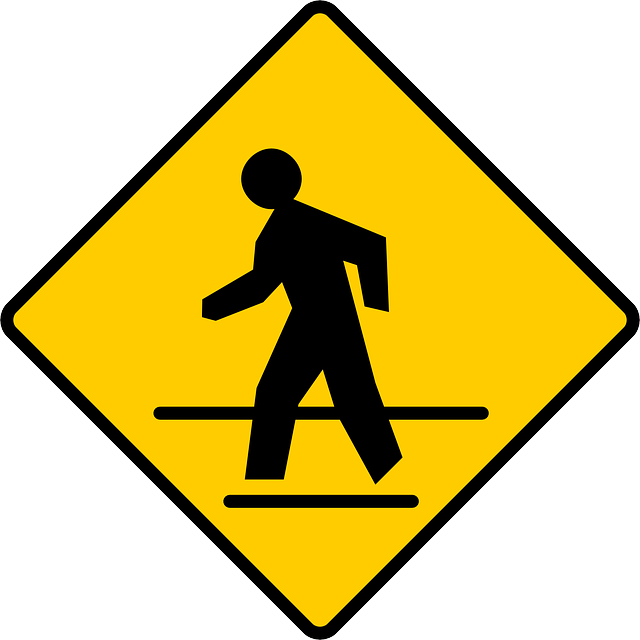 This road sign means:
A
School zone ahead
B
Pedestrians must not cross here
C
Pedestrian crossing ahead
This traffic sign indicates: Pedestrian crossing ahead. Observing and obeying all roadway signs ensures safe traffic flow and legal driving.
Question 39:
When you prepare to make a left turn from a one-way road into a two-way road, you must:
A
enter the two-way road to the left of its center line.
B
approach the turn in the right lane or from the right side of a single lane.
C
approach the turn in the left lane or from the left side of a single lane.
The correct driving rule is: approach the turn in the left lane or from the left side of a single lane. Following standard DMV road rules and practicing defensive driving ensures safety for all road users.
Question 40:
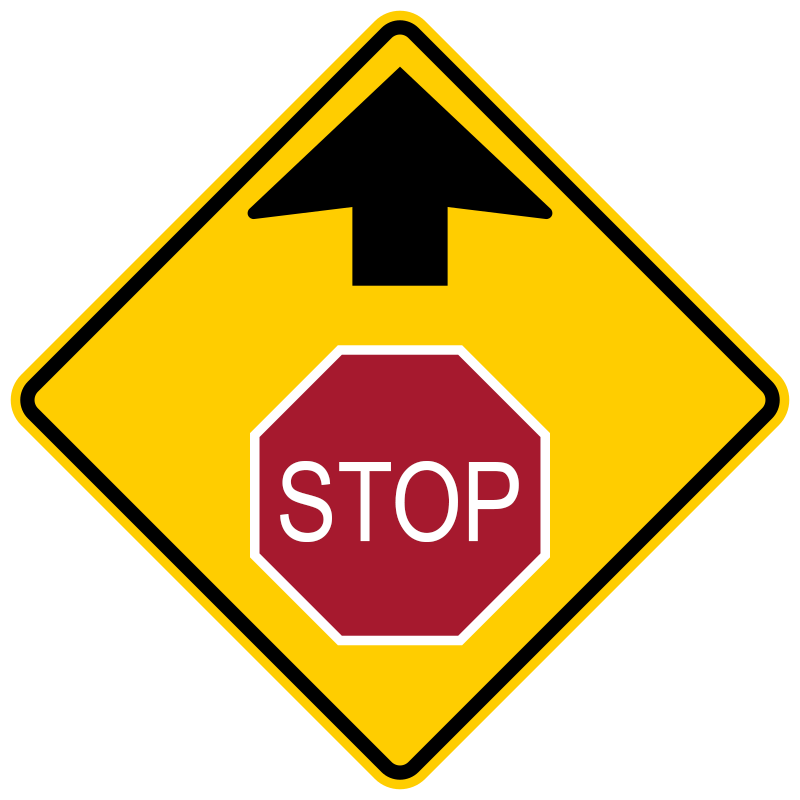 When drivers come to this sign, they must:
A
be ready to stop at the stop sign.
B
warn other drivers that a stop sign is ahead.
C
brake sharply and come to a complete stop.
This traffic sign indicates: be ready to stop at the stop sign. Observing and obeying all roadway signs ensures safe traffic flow and legal driving.
Question 41:
When driving near light rail vehicles, drivers should:
A
never drive around lowered crossing gates.
B
expect trains on any track at any time.
C
always obey signs and traffic signals.
D
All of the above.
All of the listed points are essential driving requirements: never drive around lowered crossing gates; expect trains on any track at any time; always obey signs and traffic signals. Practicing each ensures compliance with DMV safety laws.
Question 42:
When there is a _______ at an intersection, you should come to a complete stop, yield to cross traffic/pedestrians, and then proceed when clear.
A
a solid green light
B
a solid red light
C
a flashing red light
D
a flashing yellow light
Drivers must always yield the right-of-way to pedestrians crossing at intersections and crosswalks: a flashing red light. Stop and allow them to clear the lane safely.
Question 43:
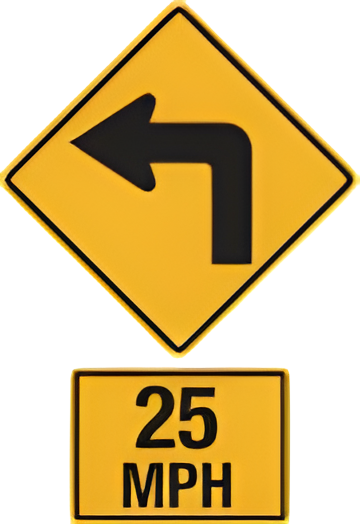 This sign indicates that:
A
the highest safe speed drivers should travel around the curve ahead is 25 MPH.
B
the safe speed around the curve ahead is at least 25 MPH.
C
drivers may not turn right if traveling at 25 MPH or less.
This traffic sign indicates: the highest safe speed drivers should travel around the curve ahead is 25 MPH. Observing and obeying all roadway signs ensures safe traffic flow and legal driving.
Question 44:
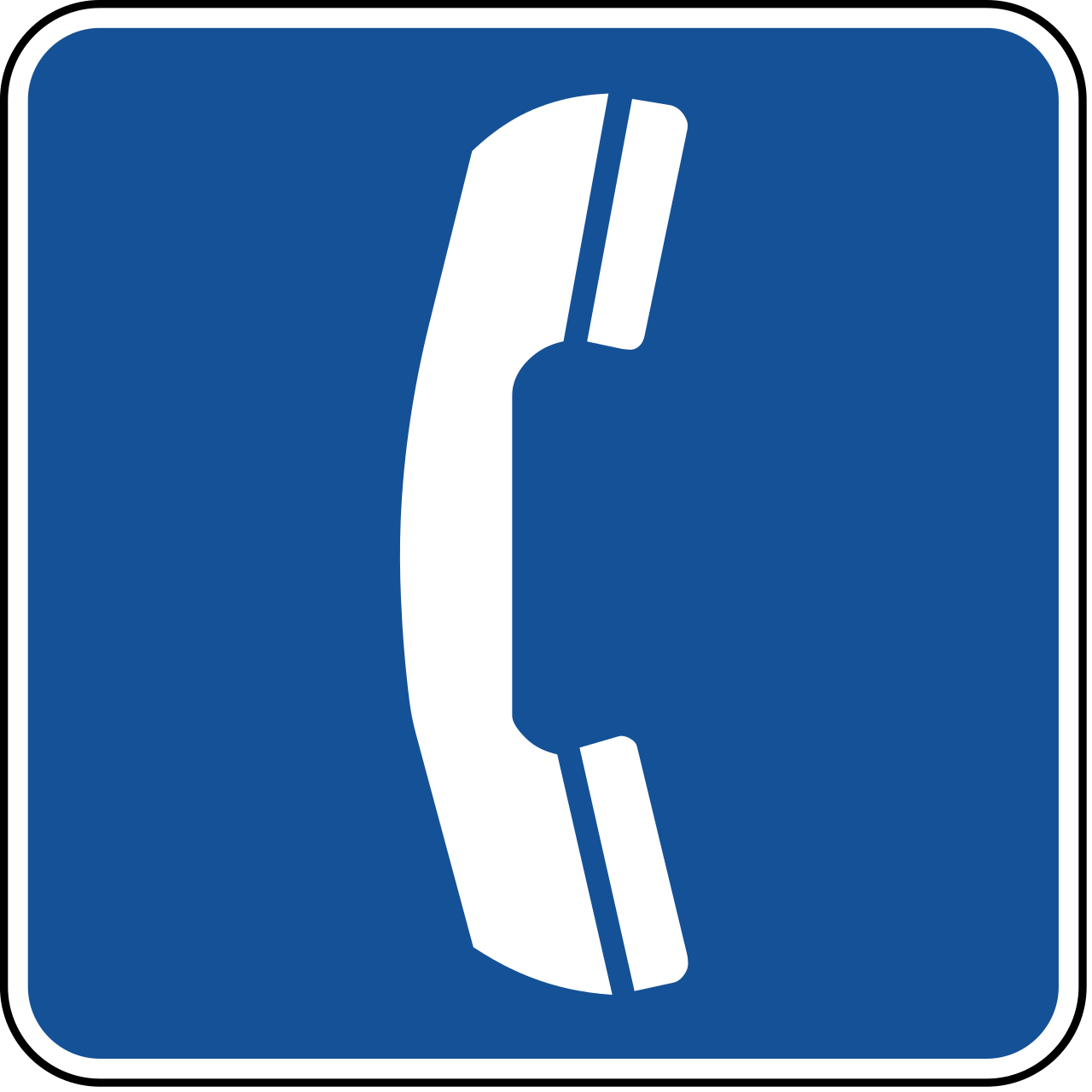 This sign indicates:
A
Phone service ahead
B
Emergency line available
C
Cell phone shop ahead
This traffic sign indicates: Phone service ahead. Observing and obeying all roadway signs ensures safe traffic flow and legal driving.
Question 45:
The effects of alcohol on driving include:
A
None of the above.
B
Improved coordination
C
Better reflexes
D
Improved judgement
Under state DUI and traffic safety laws: None of the above. Alcohol degrades judgment, slows reaction times, and distorts depth perception.
Question 46:
Which shape is a warning sign?
A
Diamond
B
Triangle
C
Pennant
This traffic sign indicates: Diamond. Observing and obeying all roadway signs ensures safe traffic flow and legal driving.
Question 47:
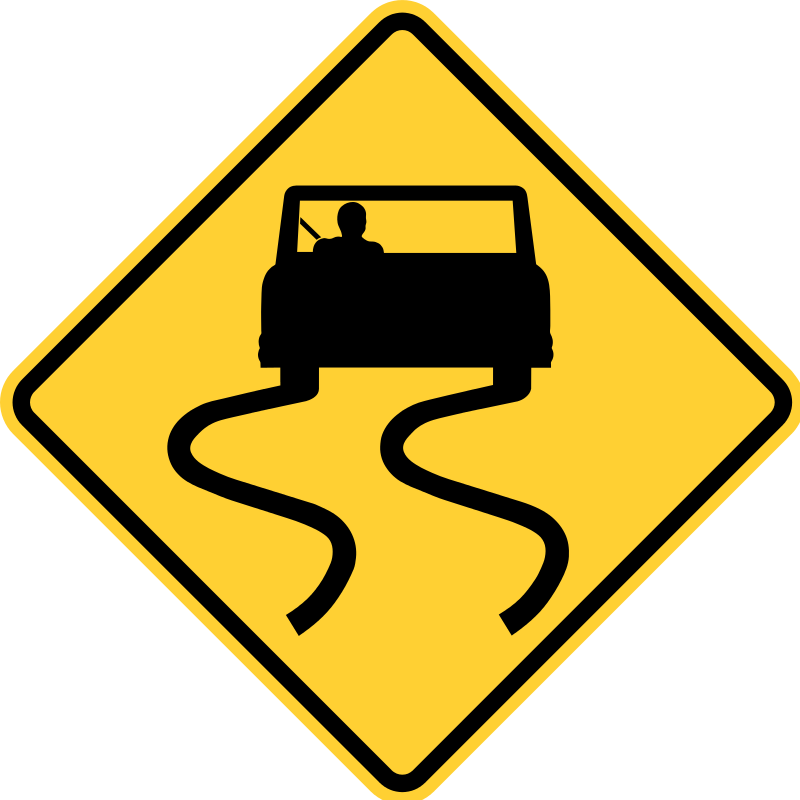 This road sign means:
A
Slow down, slippery when wet
B
Detour ahead
C
Road curves ahead
This traffic sign indicates: slow down, slippery when wet. Observing and obeying all roadway signs ensures safe traffic flow and legal driving.
Question 48:
Drivers may legally block an intersection:
A
under no circumstances.
B
only during rush hour traffic.
C
only after entering the intersection on a green light.
According to standard right-of-way regulations: under no circumstances. Yielding appropriately prevents intersection collisions and maintains safe traffic flow.
Question 49:
Which of the following is true about the Anti-Locking Brake System?
A
It prevents skidding.
B
It allows drivers to steer during an emergency braking situation.
C
All of the above.
All of the listed points are essential driving requirements: It prevents skidding; It allows drivers to steer during an emergency braking situation. Practicing each ensures compliance with DMV safety laws.