Question 1:
The shape of a route sign tells you:
A
the type of route you are on.
B
the speed limit on that route.
C
that the route you are on might be dangerous.
This traffic sign indicates: the type of route you are on. Observing and obeying all roadway signs ensures safe traffic flow and legal driving.
Question 2:
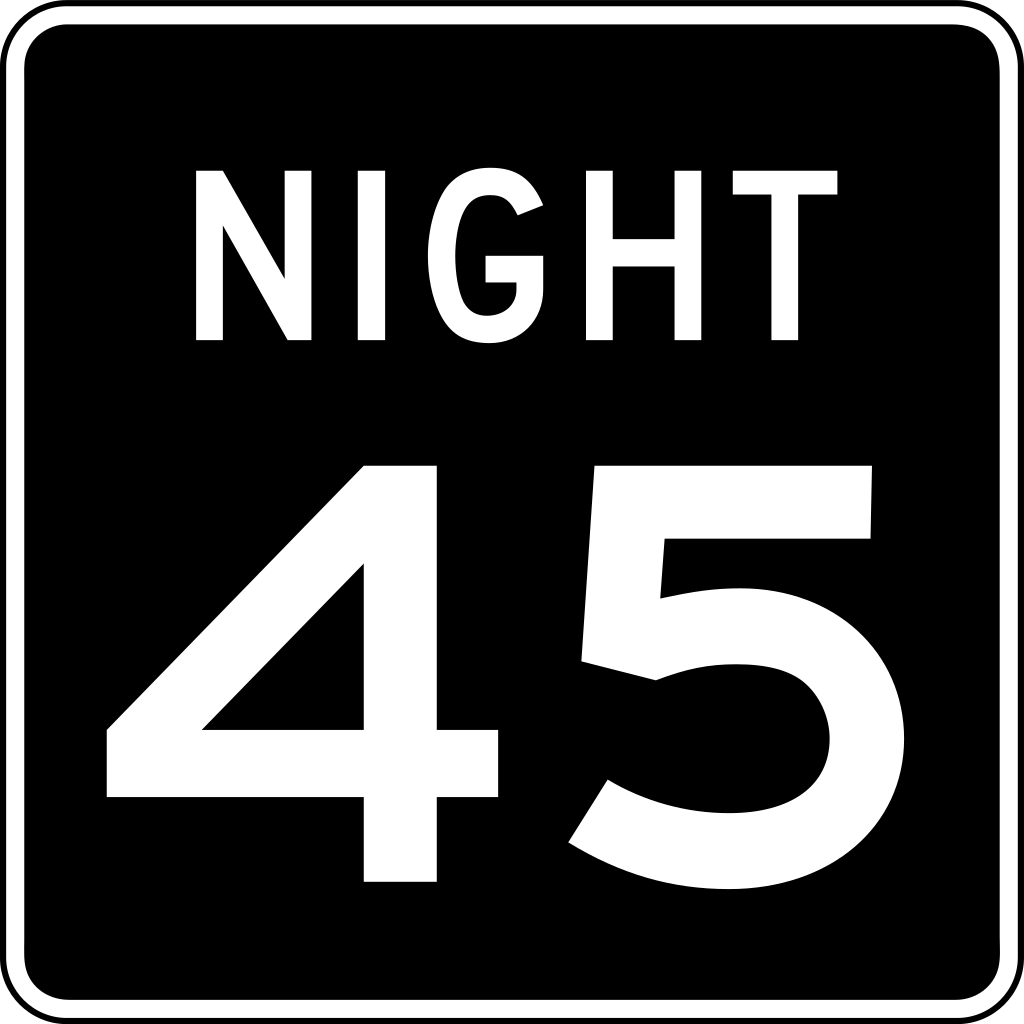 This sign means:
A
Take route 45 if you are driving at night.
B
The night-time speed limit is 45 MPH.
C
The minimum speed limit is 45 MPH.
This traffic sign indicates: The night-time speed limit is 45 MPH. Observing and obeying all roadway signs ensures safe traffic flow and legal driving.
Question 3:
 A flashing red light:
A
is used at dangerous intersections.
B
means the same thing as a stop sign.
C
All of the above.
Safe navigation at intersections requires following all established rules: is used at dangerous intersections; means the same thing as a stop sign. Always yield right-of-way properly to prevent collisions.
Question 4:
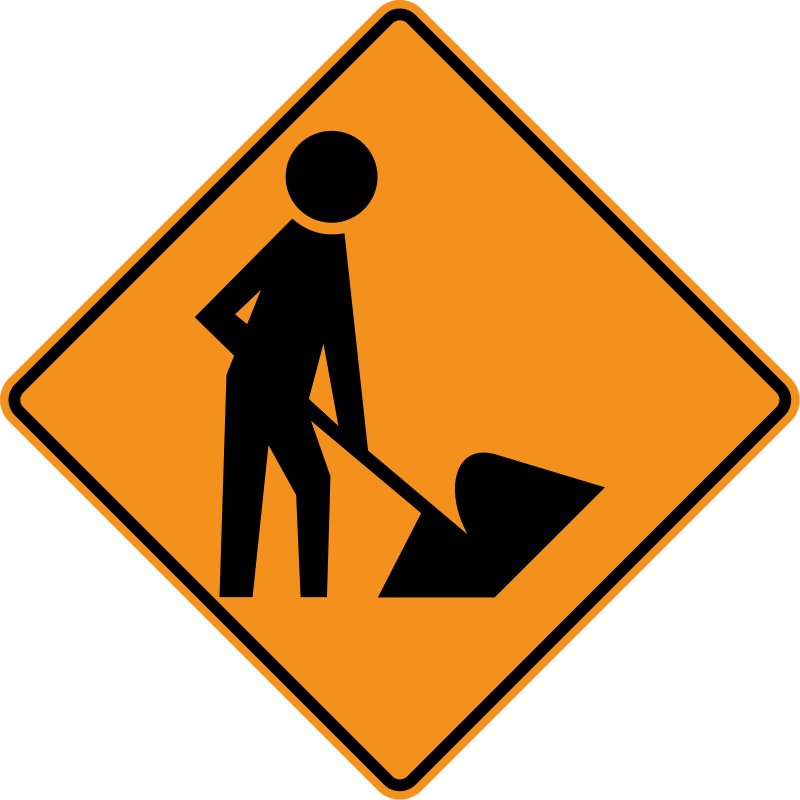 This road sign means that:
A
Workers are on or very close to the road in the work zone ahead.
B
There is a children's playground ahead.
C
There is a pedestrian crosswalk ahead.
D
A group of prison workers is ahead.
This traffic sign indicates: Workers are on or very close to the road in the work zone ahead. Observing and obeying all roadway signs ensures safe traffic flow and legal driving.
Question 5:
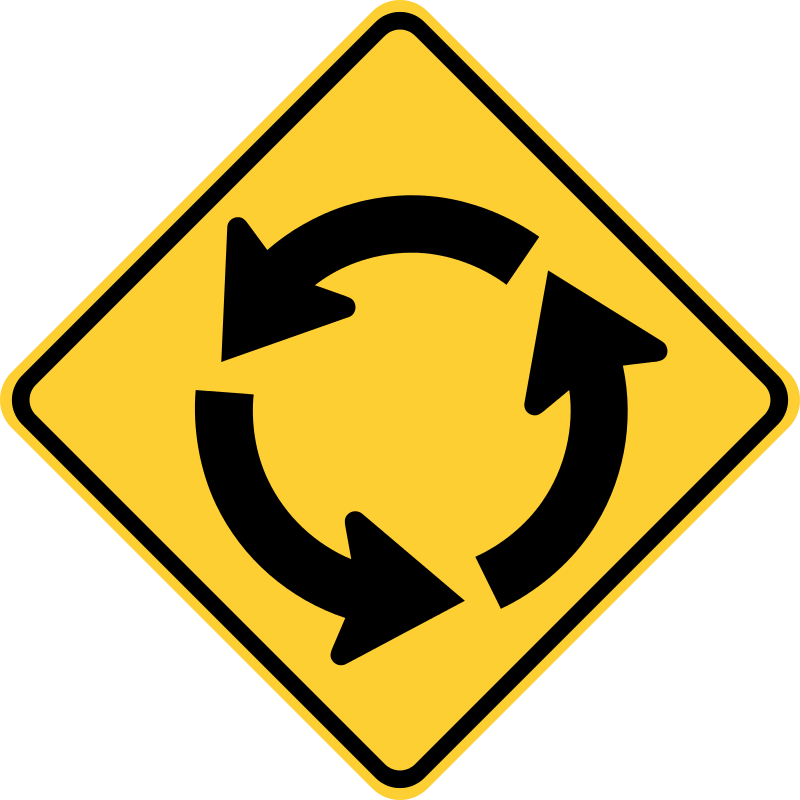 This road sign:
A
warns drivers of a sharp turn left. Drivers should slow their speed and keep to the left.
B
provides an advance notice of a roundabout.
C
warns drivers that U-turns are not permitted.
D
is a no-right-turns sign.
This traffic sign indicates: provides an advance notice of a roundabout. Observing and obeying all roadway signs ensures safe traffic flow and legal driving.
Question 6:
BAC is expressed in:
A
percentage of alcohol to blood.
B
percentage of blood to alcohol.
C
ounces of alcohol in your blood.
Under state DUI and traffic safety laws: percentage of alcohol to blood. Alcohol degrades judgment, slows reaction times, and distorts depth perception.
Question 7:
Drivers shoul be cautious when large trucks make turns because:
A
they have to back before making the turn.
B
they may stop and flash their brake lights during the turn.
C
they make wide turns and may cross the center line.
D
None of the other answers are correct.
The correct driving rule is: they make wide turns and may cross the center line. Following standard DMV road rules and practicing defensive driving ensures safety for all road users.
Question 8:
 The yield sign means:
A
Go. The light will soon be red.
B
If the way is clear, you may move forward slowly without stopping.
C
Stop if you can.
A triangular Yield sign requires drivers to slow down and give right-of-way to other traffic: If the way is clear, you may move forward slowly without stopping. Proceed only when there is a safe opening.
Question 9:
Drivers must dim their high beam headlights when within _____ of an oncoming vehicle.
A
100 feet
B
500 feet
C
250 feet
D
200 feet
The correct driving rule is: 500 feet. Following standard DMV road rules and practicing defensive driving ensures safety for all road users.
Question 10:
When making a left or right turn in a business or residential district, you should activate your turn signal for:
A
not less than 75 feet before turning.
B
not less than 100 feet before turning.
C
not less than 50 feet after turning.
D
not less than 50 feet before turning.
State laws require signaling your intention: not less than 100 feet before turning. Signal at least 100 feet before making a turn or changing lanes.
Question 11:
To safely stop in emergencies always allow a space cushion of at least:
A
1 second behind the vehicle in front of you.
B
5 seconds behind the vehicle in front of you.
C
4 seconds behind the vehicle in front of you.
D
7 seconds behind the vehicle in front of you.
The correct driving rule is: 4 seconds behind the vehicle in front of you. Following standard DMV road rules and practicing defensive driving ensures safety for all road users.
Question 12:
You want to turn left at an intersection ahead. A car reaches the intersection from the opposite direction and moves straight ahead. You:
A
can turn left. You have the right of way.
B
must wait for the car to go through before you turn.
C
may not enter the intersection to prepare for your left turn if the light is green.
According to standard right-of-way regulations: must wait for the car to go through before you turn. Yielding appropriately prevents intersection collisions and maintains safe traffic flow.
Question 13:
When an aggressive driver confronts you, you should:
A
Try to move away safely.
B
Remain calm and relaxed.
C
All of the above.
All of the listed points are essential driving requirements: Try to move away safely; Remain calm and relaxed. Practicing each ensures compliance with DMV safety laws.
Question 14:
Roads are most slippery:
A
just before it rains.
B
when it stops raining.
C
when it first starts to rain.
For safe speed and stopping control: when it first starts to rain. Adjusting speed to match visibility and road traction prevents loss of steering grip.
Question 15:
Before a school bus stops to load passengers, the driver will usually flash:
A
yellow warning lights.
B
red warning lights.
C
red lights.
When a school bus displays flashing red lights and extended stop sign: yellow warning lights. Traffic in both directions must come to a full stop on undivided roads until children are clear.
Question 16:
 This sign warns drivers that:
A
the highway ahead is divided into two one-way roadways. Drivers should keep to the right.
B
there is a winding road ahead.
C
there is a double curve ahead.
This traffic sign indicates: there is a double curve ahead. Observing and obeying all roadway signs ensures safe traffic flow and legal driving.
Question 17:
Bicyclists must:
A
ride in a bicycle lane, if available.
B
remain to the right when they prepare for a left turn.
C
remain near the left edge of the road.
The correct driving rule is: ride in a bicycle lane, if available. Following standard DMV road rules and practicing defensive driving ensures safety for all road users.
Question 18:
Traffic lights are normally ____________ from the top to bottom or left to right.
A
red, green and yellow
B
green, yellow and red
C
red, yellow and green
The correct driving rule is: red, yellow and green. Following standard DMV road rules and practicing defensive driving ensures safety for all road users.
Question 19:
An octagonal sign means that drivers must:
A
respect the posted speed limit.
B
come to a complete stop at the marked stop line.
C
be aware possible hazards ahead.
An octagonal Stop sign requires a full and complete stop before the stop line or crosswalk: come to a complete stop at the marked stop line. Proceed only after yielding to all cross traffic and pedestrians.
Question 20:
When riding at night, bicycles must have a white headlight visible for ____ feet.
A
600
B
300
C
500
D
400
Defensive driving guidelines state that: 500. Anticipating road hazards and communicating maneuvers keeps traffic predictable and safe.
Question 21:
As you drive on the expressway, make sure:
A
you cut off vehicles behind you when you change lanes.
B
to signal all lane changes.
C
your directional signal goes off before you change lanes.
The correct driving rule is: to signal all lane changes. Following standard DMV road rules and practicing defensive driving ensures safety for all road users.
Question 22:
To enter a freeway:
A
signal, yield, and enter at the same speed that traffic is moving.
B
drive slowly so you can check traffic.
C
signal and enter the freeway. You have the right-of-way.
D
make a complete stop before entering the freeway.
Defensive driving guidelines state that: signal, yield, and enter at the same speed that traffic is moving. Anticipating road hazards and communicating maneuvers keeps traffic predictable and safe.
Question 23:
When there are no signs or lane markings to control turning, drivers should:
A
stop before turning.
B
turn from any lane.
C
turn from the lane that’s closest to the direction they want to go.
D
turn from the center lane.
The correct driving rule is: turn from the lane that’s closest to the direction they want to go. Following standard DMV road rules and practicing defensive driving ensures safety for all road users.
Question 24:
Don’t park within _____ feet of a fire hydrant.
A
10
B
15
C
20
D
30
State and municipal laws prohibit parking within 15 feet of a fire hydrant to ensure emergency fire crews have clear, unobstructed access.
Question 25:
What should you do in case of a steering failure?
A
Pump your gas pedal a few times to increase the pressure.
B
Don't panic. Turn on your emergency lights to let other drivers know you are having car problems. Move toward the side of the road and bring the car to a gradual stop.
C
Leave the road immediately.
The correct driving rule is: Don't panic. Turn on your emergency lights to let other drivers know you are having car problems. Move toward the side of the road and bring the car to a gradual stop. Following standard DMV road rules and practicing defensive driving ensures safety for all road users.
Question 26:
You can pass on the right:
A
when a vehicle ahead makes a right turn.
B
when a vehicle ahead makes a left turn.
C
when a vehicle that is approaching from the opposite direction is prepared to turn left.
The correct driving rule is: when a vehicle ahead makes a left turn. Following standard DMV road rules and practicing defensive driving ensures safety for all road users.
Question 27:
 This sign indicates:
A
Warning: drunk drivers.
B
Winding road. Drive with caution.
C
The road may be slippery when wet. Drive slowly.
This traffic sign indicates: The road may be slippery when wet. Drive slowly. Observing and obeying all roadway signs ensures safe traffic flow and legal driving.
Question 28:
If you refuse to take a BAC test when asked by an officer, you will lose your driver license for at least:
A
2 years.
B
1 year.
C
6 months.
D
60 days.
Under state DUI and traffic safety laws: 1 year. Alcohol degrades judgment, slows reaction times, and distorts depth perception.
Question 29:
In heavy rain, tires can begin to ride on the water that is on top of the road pavement. This is called:
A
rideplaning.
B
hydroplaning.
C
pavement-planing.
D
waterplaning.
When hydroplaning on water: hydroplaning. Gently ease off the accelerator and hold the steering wheel straight without sudden braking.
Question 30:
 This is:
A
a side road sign.
B
a merging traffic sign.
C
a right curve sign.
The correct driving rule is: a side road sign. Following standard DMV road rules and practicing defensive driving ensures safety for all road users.
Question 31:
A driver who approaches an intersection:
A
must yield the right-of-way to traffic already in the intersection.
B
must drive straight through the intersection, even if another vehicle is already in the intersection.
C
has the right-of-way over traffic already in the intersection.
According to standard right-of-way regulations: must yield the right-of-way to traffic already in the intersection. Yielding appropriately prevents intersection collisions and maintains safe traffic flow.
Question 32:
 This road sign means:
A
Road construction ahead. Detour to the left.
B
Blind intersection ahead.
C
One-way street ahead.
D
Slow down. The road ahead changes direction at an extreme angle.
This traffic sign indicates: slow down. The road ahead changes direction at an extreme angle. Observing and obeying all roadway signs ensures safe traffic flow and legal driving.
Question 33:
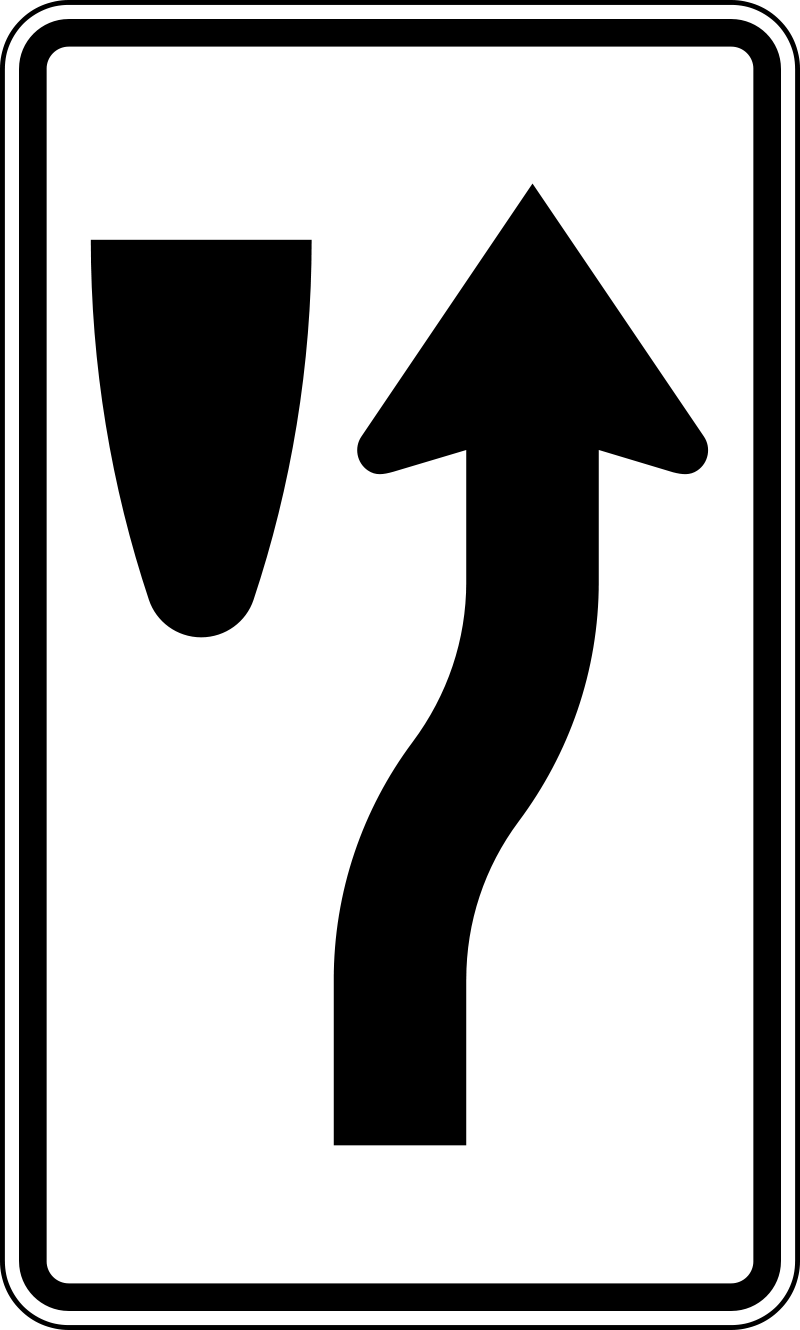 This sign tells drivers that:
A
there is a right turn ahead.
B
they must stay on the right side of the divider
C
a divided highway ends ahead.
This traffic sign indicates: they must stay on the right side of the divider. Observing and obeying all roadway signs ensures safe traffic flow and legal driving.
Question 34:
Drivers should use the horn:
A
if a driver is moving slowly, and you want them to drive faster.
B
only when necessary, to avoid collisions.
C
when feeling angry or upset.
D
to alert other drivers that they made a mistake.
The correct driving rule is: only when necessary, to avoid collisions. Following standard DMV road rules and practicing defensive driving ensures safety for all road users.
Question 35:
Destination signs are ______ with ____ letters and symbols.
A
green; white
B
blue; white
C
white; black
The correct driving rule is: green; white. Following standard DMV road rules and practicing defensive driving ensures safety for all road users.
Question 36:
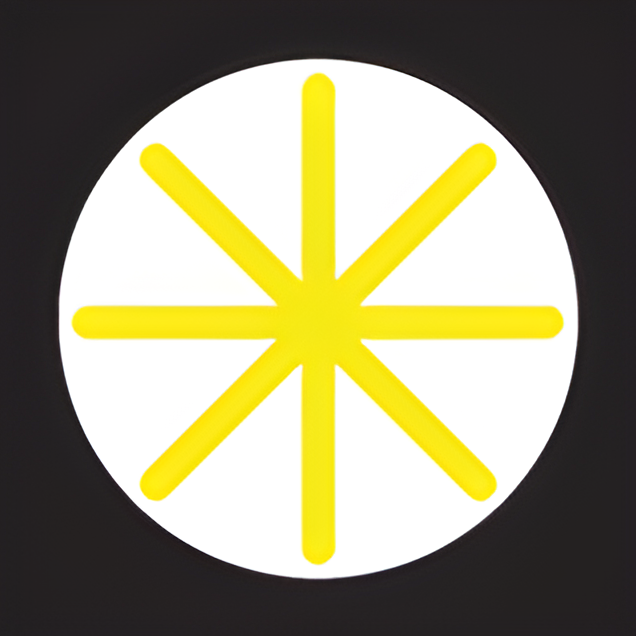 What does a flashing yellow light mean?
A
The same thing as a stop sign.
B
Drivers may move forward with caution.
C
All of the above.
According to standard right-of-way regulations: drivers may move forward with caution. Yielding appropriately prevents intersection collisions and maintains safe traffic flow.
Question 37:
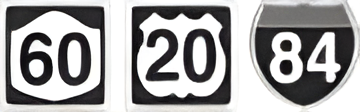 These are:
A
route signs.
B
miles-left signs.
C
speed limit signs.
The correct driving rule is: route signs. Following standard DMV road rules and practicing defensive driving ensures safety for all road users.
Question 38:
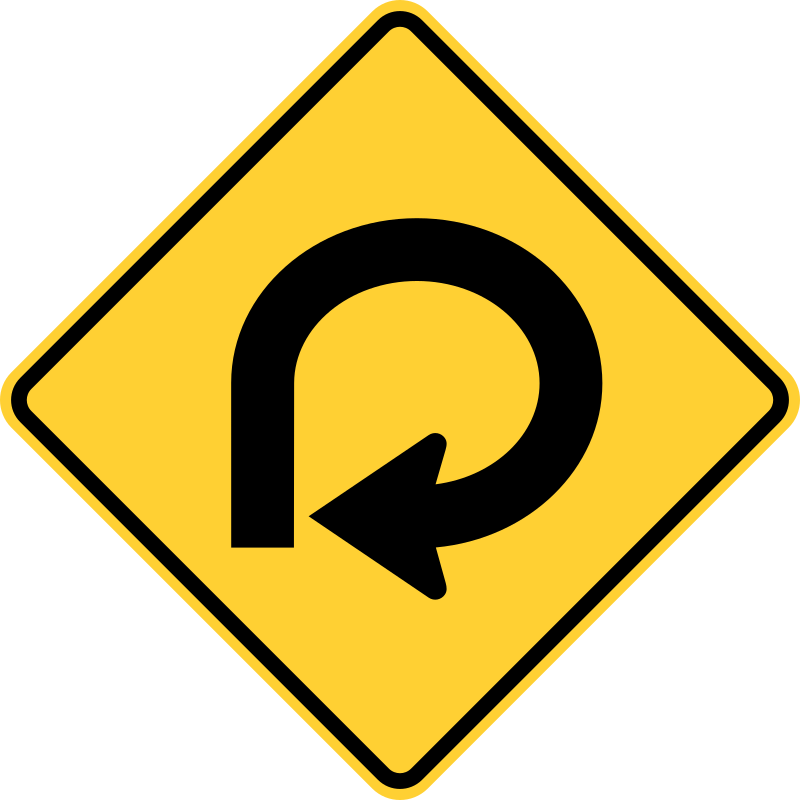 This sign means:
A
Roundabout ahead.
B
270 degree turn ahead.
C
Wrong way; Turn around immediately.
This traffic sign indicates: 270 degree turn ahead. Observing and obeying all roadway signs ensures safe traffic flow and legal driving.
Question 39:
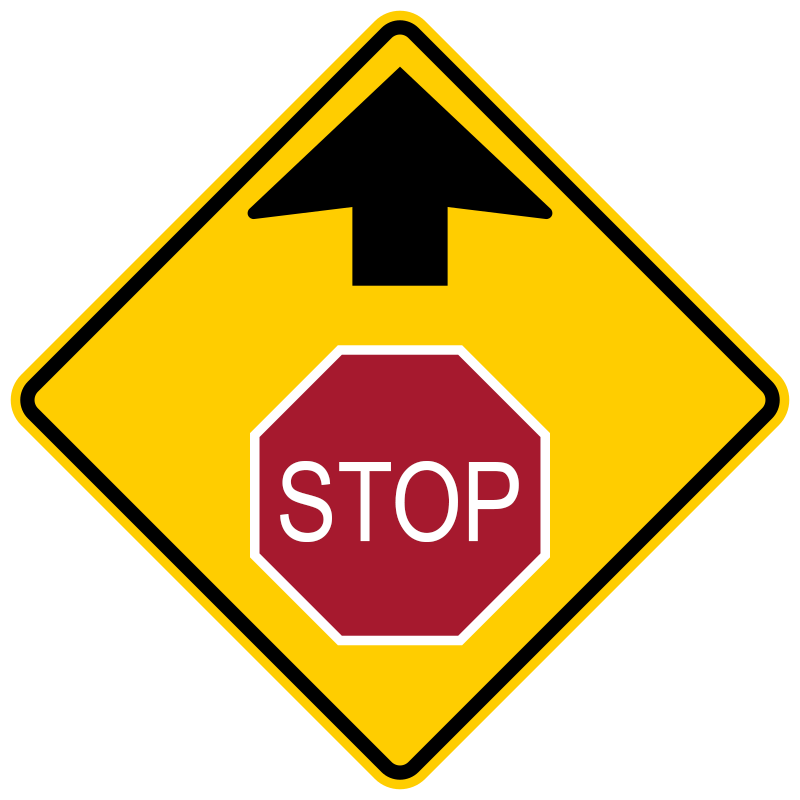 This road sign means:
A
Railroad Warning
B
Stop ahead
C
Yield ahead
D
Side Road
This traffic sign indicates: stop ahead. Observing and obeying all roadway signs ensures safe traffic flow and legal driving.
Question 40:
Drivers can not pass a vehicle on the left if:
A
they approach the top of a hill on a two-way road and can not see over it.
B
they can not safely return to the right lane before they reach a solid yellow center line for the right lane.
C
All of the above.
All of the listed points are essential driving requirements: they approach the top of a hill on a two-way road and can not see over it; they can not safely return to the right lane before they reach a solid yellow center line for the right lane. Practicing each ensures compliance with DMV safety laws.