Question 1:
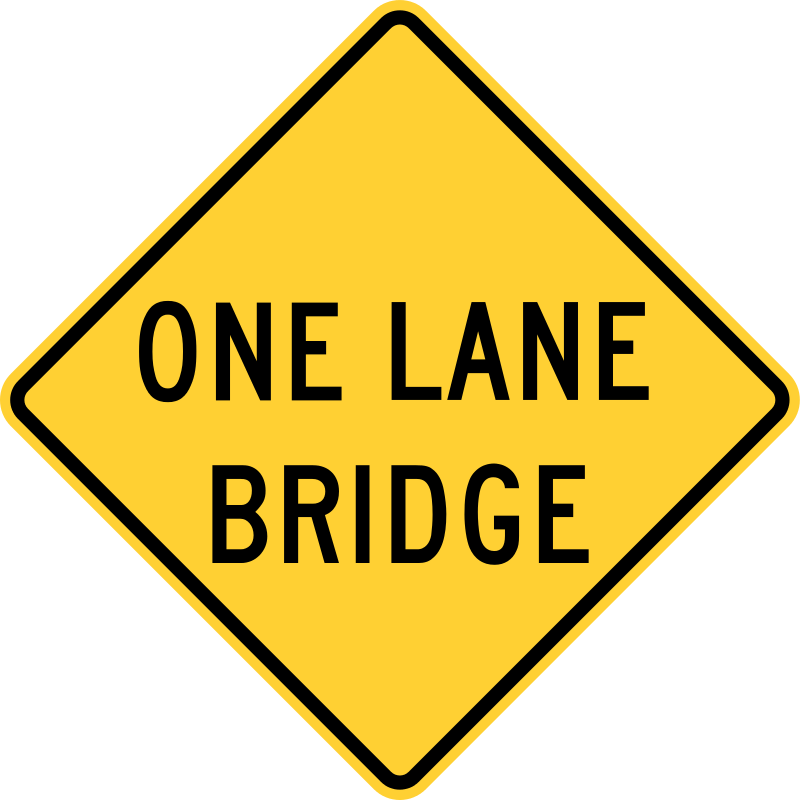 What should drivers do when they see this sign?
A
Make sure the bridge is clear of oncoming traffic before they cross.
B
Look to the left and right for other traffic.
C
Allow others to merge smoothly.
This traffic sign indicates: make sure the bridge is clear of oncoming traffic before they cross. Observing and obeying all roadway signs ensures safe traffic flow and legal driving.
Question 2:
After passing a car, it is safe to return to your lane when:
A
the driver you passed slows down to let you return to your lane.
B
you can see both headlights of the car you just passed in your rearview mirror.
C
you are at least 50 feet ahead of the car you passed.
Defensive driving guidelines state that: you can see both headlights of the car you just passed in your rearview mirror. Anticipating road hazards and communicating maneuvers keeps traffic predictable and safe.
Question 3:
When a driver has their left arm and hand extended upward, the driver plans to:
A
go straight ahead.
B
turn right.
C
turn left.
D
come to a stop.
The correct driving rule is: turn right. Following standard DMV road rules and practicing defensive driving ensures safety for all road users.
Question 4:
 This sign indicates:
A
Winding road
B
Merging traffic
C
Divided highway ends
This traffic sign indicates: Merging traffic. Observing and obeying all roadway signs ensures safe traffic flow and legal driving.
Question 5:
In heavy rain, tires can begin to ride on the water that is on top of the road pavement. This is called:
A
rideplaning.
B
hydroplaning.
C
pavement-planing.
D
waterplaning.
When hydroplaning on water: hydroplaning. Gently ease off the accelerator and hold the steering wheel straight without sudden braking.
Question 6:
A steady yellow light at an intersection means:
A
Proceed with caution through the intersection
B
Slow down and be prepared to stop
C
Immediately come to a complete stop
D
Yield to other vehicles
According to standard right-of-way regulations: slow down and be prepared to stop. Yielding appropriately prevents intersection collisions and maintains safe traffic flow.
Question 7:
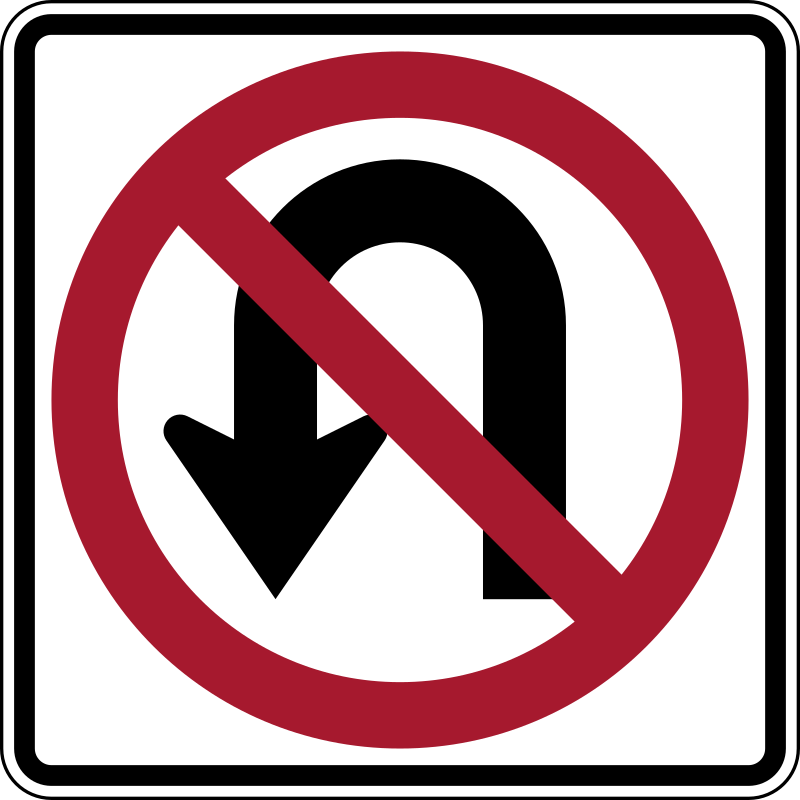 This road sign means:
A
No left turn
B
No U-turn
C
Detour ahead
This traffic sign indicates: No U-turn. Observing and obeying all roadway signs ensures safe traffic flow and legal driving.
Question 8:
Bicycles:
A
have the same rights and duties as motorized vehicles.
B
should use proper hand signals before making turns.
C
have the right to ride on most roads.
D
All of the above.
All of the listed points are essential driving requirements: have the same rights and duties as motorized vehicles; should use proper hand signals before making turns; have the right to ride on most roads. Practicing each ensures compliance with DMV safety laws.
Question 9:
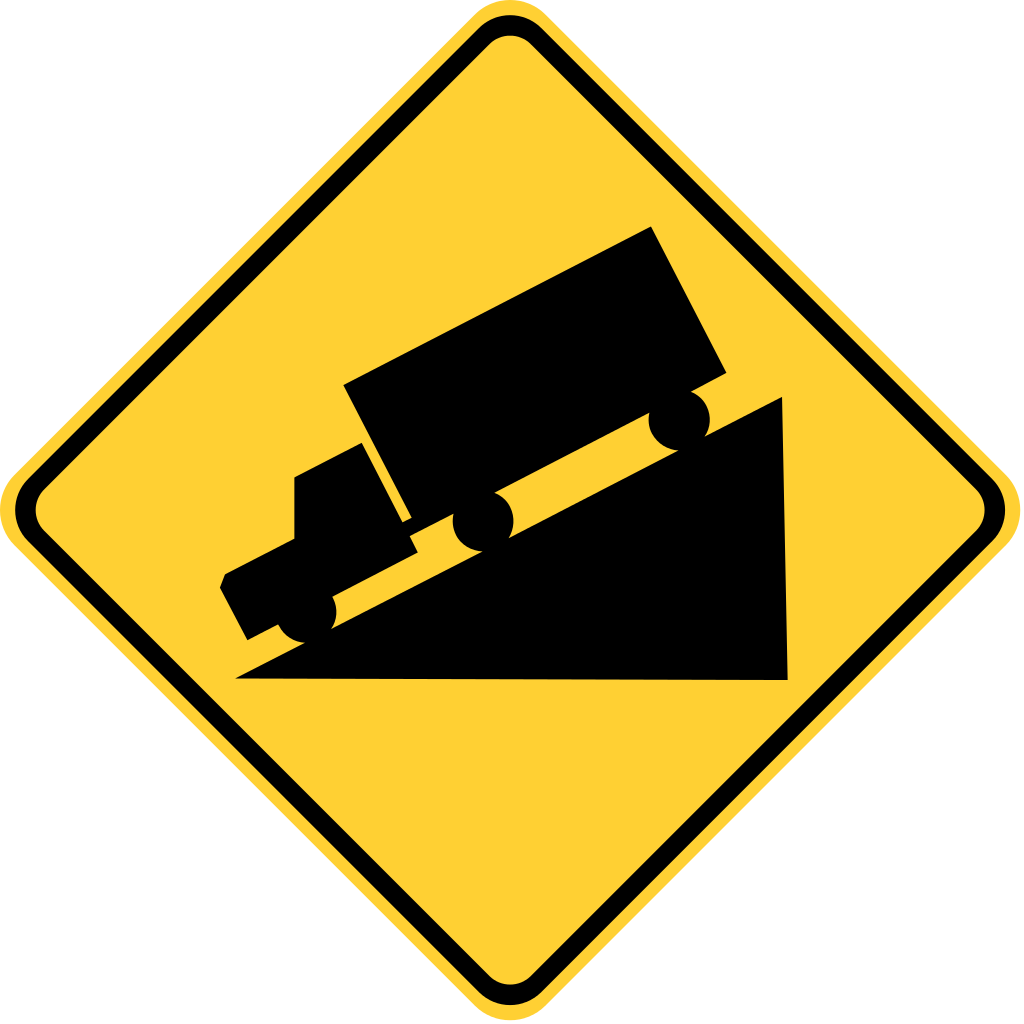 This road sign means:
A
Do not pass trucks
B
Truck must back up
C
Steep downgrade ahead
This traffic sign indicates: Steep downgrade ahead. Observing and obeying all roadway signs ensures safe traffic flow and legal driving.
Question 10:
The effects of alcohol on driving include:
A
None of the above.
B
Improved coordination
C
Better reflexes
D
Improved judgement
Under state DUI and traffic safety laws: None of the above. Alcohol degrades judgment, slows reaction times, and distorts depth perception.
Question 11:
Which of the following must you obey over the others?
A
Red light
B
Stop sign
C
Police officer
The correct driving rule is: Police officer. Following standard DMV road rules and practicing defensive driving ensures safety for all road users.
Question 12:
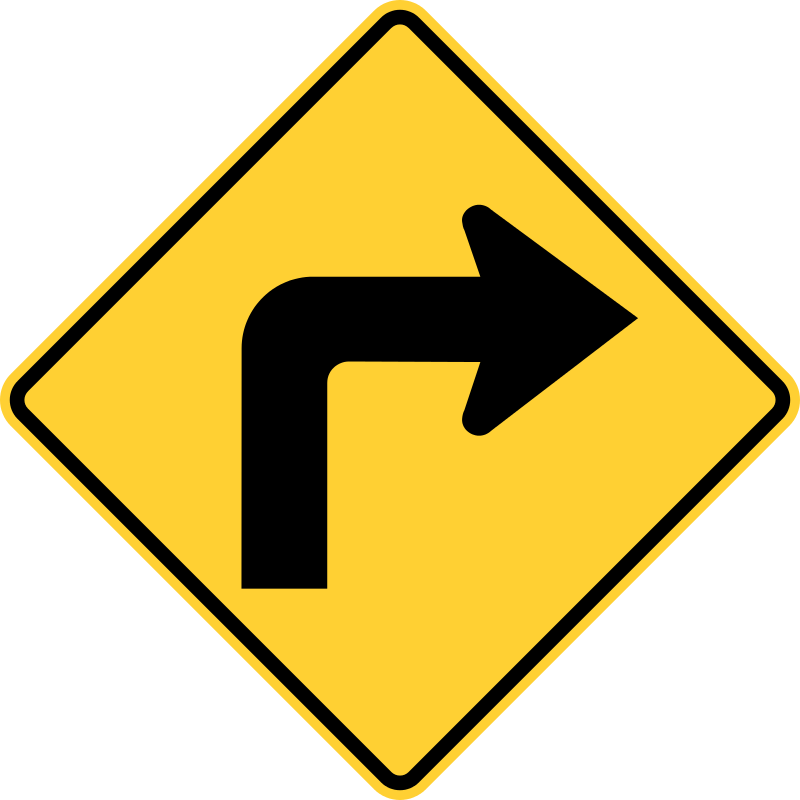 This sign warns drivers of:
A
a side road.
B
a sharp turn.
C
a cross road.
This traffic sign indicates: a sharp turn. Observing and obeying all roadway signs ensures safe traffic flow and legal driving.
Question 13:
Green and white signs:
A
give information about directions and distances.
B
are mainly used at intersections and driveways.
C
warn drivers of unexpected road conditions.
The correct driving rule is: give information about directions and distances. Following standard DMV road rules and practicing defensive driving ensures safety for all road users.
Question 14:
If you see an animal on the road:
A
be very cautious.
B
honk your horn.
C
pass the animal as fast as possible.
D
None of the above.
The correct driving rule is: be very cautious. Following standard DMV road rules and practicing defensive driving ensures safety for all road users.
Question 15:
 The sign in the picture:
A
is a Construction and Maintenance Traffic Control sign.
B
is found at most intersections and indicates that drivers must yield to other vehicles.
C
is displayed on the rear of slow moving vehicles.
The correct driving rule is: is displayed on the rear of slow moving vehicles. Following standard DMV road rules and practicing defensive driving ensures safety for all road users.
Question 16:
 This sign warns ____________ ahead.
A
of two-way traffic
B
of a reduction of lanes
C
that a divided highway ends
This traffic sign indicates: of two-way traffic. Observing and obeying all roadway signs ensures safe traffic flow and legal driving.
Question 17:
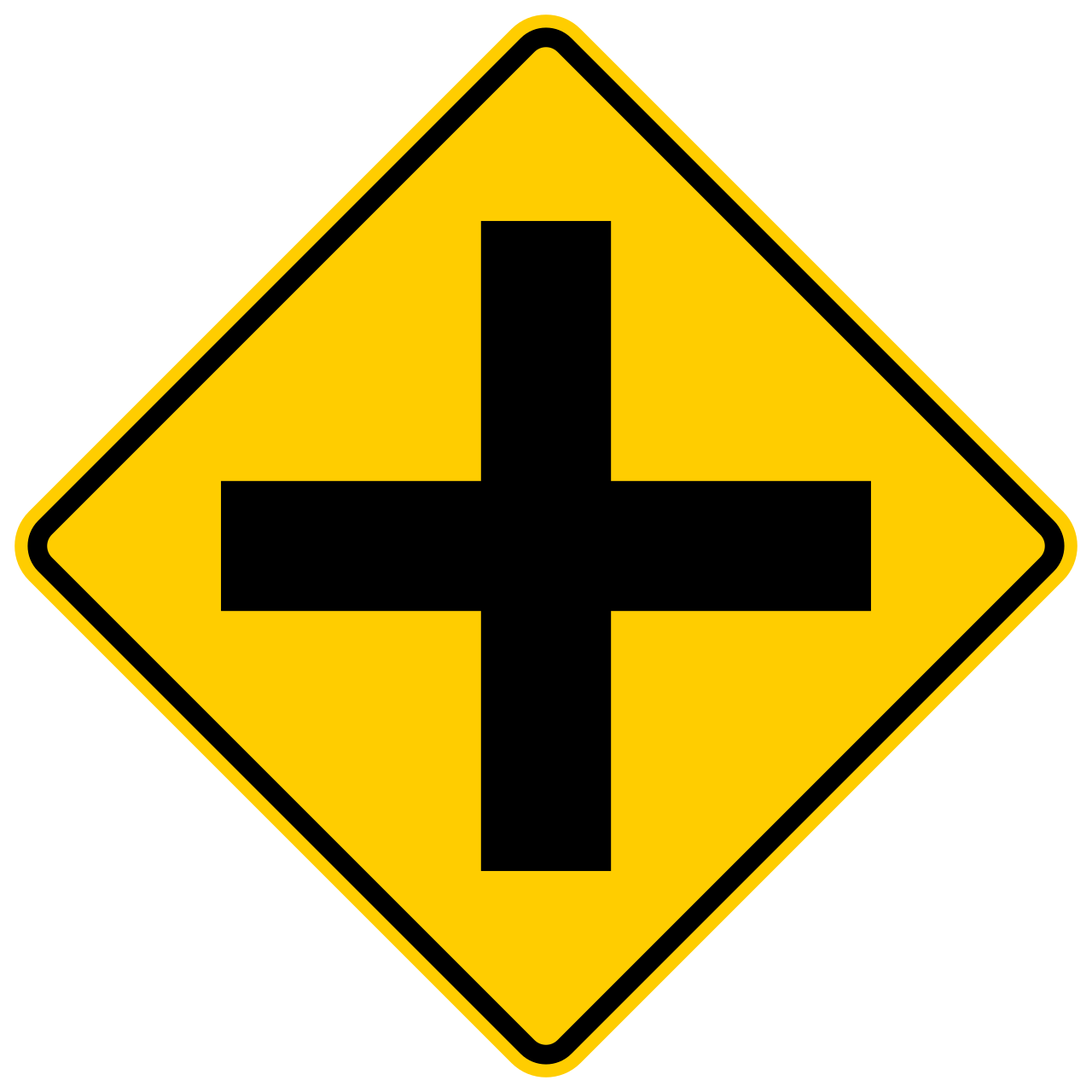 This road sign means:
A
Crossroad
B
Hospital parking ahead
C
Merge
This traffic sign indicates: Crossroad. Observing and obeying all roadway signs ensures safe traffic flow and legal driving.
Question 18:
This road sign means:
A
Divided highway ahead
B
Two-way traffic ahead
C
Four-lane traffic ahead
This traffic sign indicates: Two-way traffic ahead. Observing and obeying all roadway signs ensures safe traffic flow and legal driving.
Question 19:
 This sign means:
A
U-turns are not allowed.
B
Parking is not allowed.
C
No parking on pavement.
This traffic sign indicates: Parking is not allowed. Observing and obeying all roadway signs ensures safe traffic flow and legal driving.
Question 20:
The most common cause of traffic crashes is:
A
human error.
B
bad road conditions.
C
wet pavement.
D
bad weather.
The correct driving rule is: human error. Following standard DMV road rules and practicing defensive driving ensures safety for all road users.