Question 1:
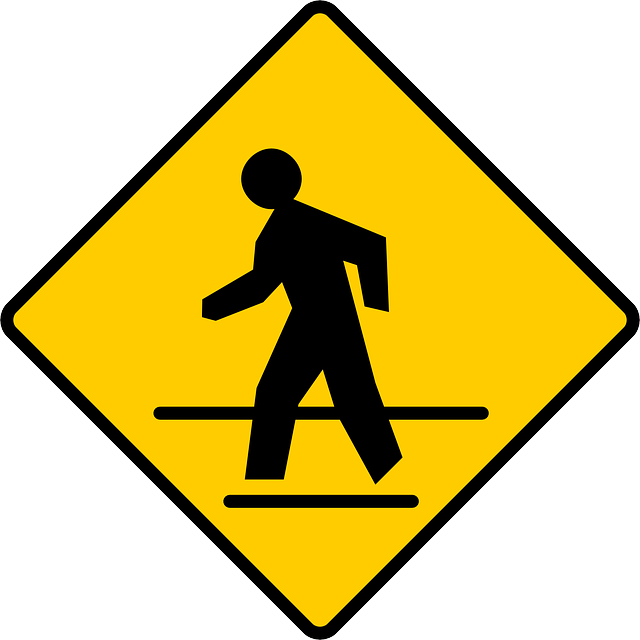 This road sign means:
A
Pedestrian crossing
B
School zone
C
School crossing
This traffic sign indicates: Pedestrian crossing. Observing and obeying all roadway signs ensures safe traffic flow and legal driving.
Question 2:
 This sign indicates that the road ahead:
A
turns sharply right, then left.
B
is a divided highway.
C
curves right, then left.
D
curves right.
This traffic sign indicates: curves right, then left. Observing and obeying all roadway signs ensures safe traffic flow and legal driving.
Question 3:
 This sign warns drivers that:
A
they must turn either to the right or left.
B
there is a double curve ahead.
C
there is a winding road ahead.
This traffic sign indicates: there is a winding road ahead. Observing and obeying all roadway signs ensures safe traffic flow and legal driving.
Question 4:
This sign warns drivers that:
A
the highway ahead is divided into two one-way roadways. Drivers should keep to the right.
B
there is a winding road ahead.
C
there is a double curve ahead.
This traffic sign indicates: there is a double curve ahead. Observing and obeying all roadway signs ensures safe traffic flow and legal driving.
Question 5:
 This road sign warns drivers that:
A
left turns are not allowed at the intersection.
B
the road will make a sharp turn to the right.
C
another road enters the highway from the direction shown.
This traffic sign indicates: another road enters the highway from the direction shown. Observing and obeying all roadway signs ensures safe traffic flow and legal driving.
Question 6:
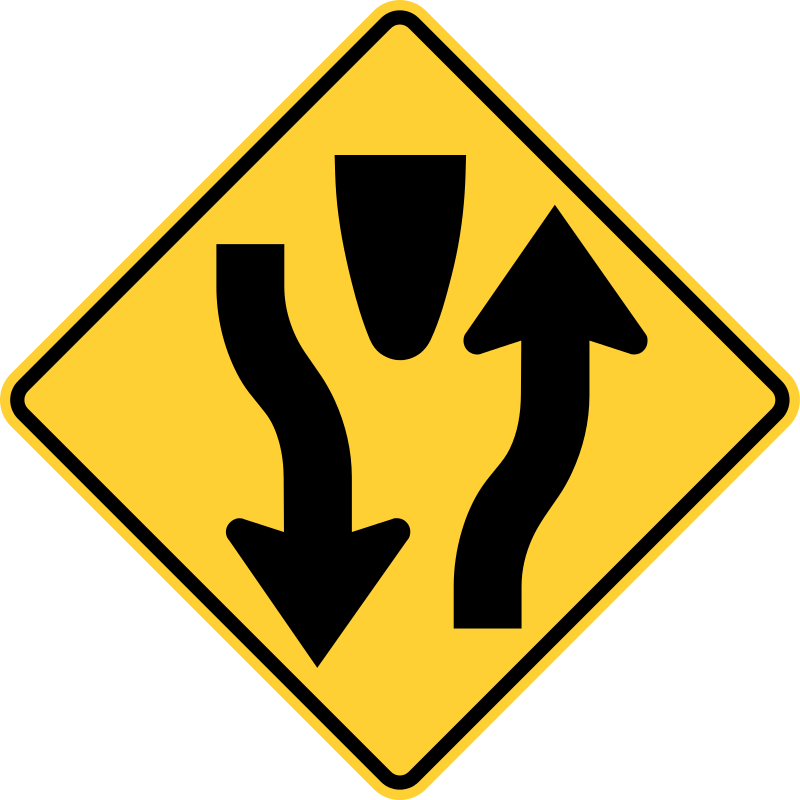 This road sign means:
A
Divided highway ahead - stay to the right
B
Do not enter
C
Do not pass
This traffic sign indicates: Divided highway ahead - stay to the right. Observing and obeying all roadway signs ensures safe traffic flow and legal driving.
Question 7:
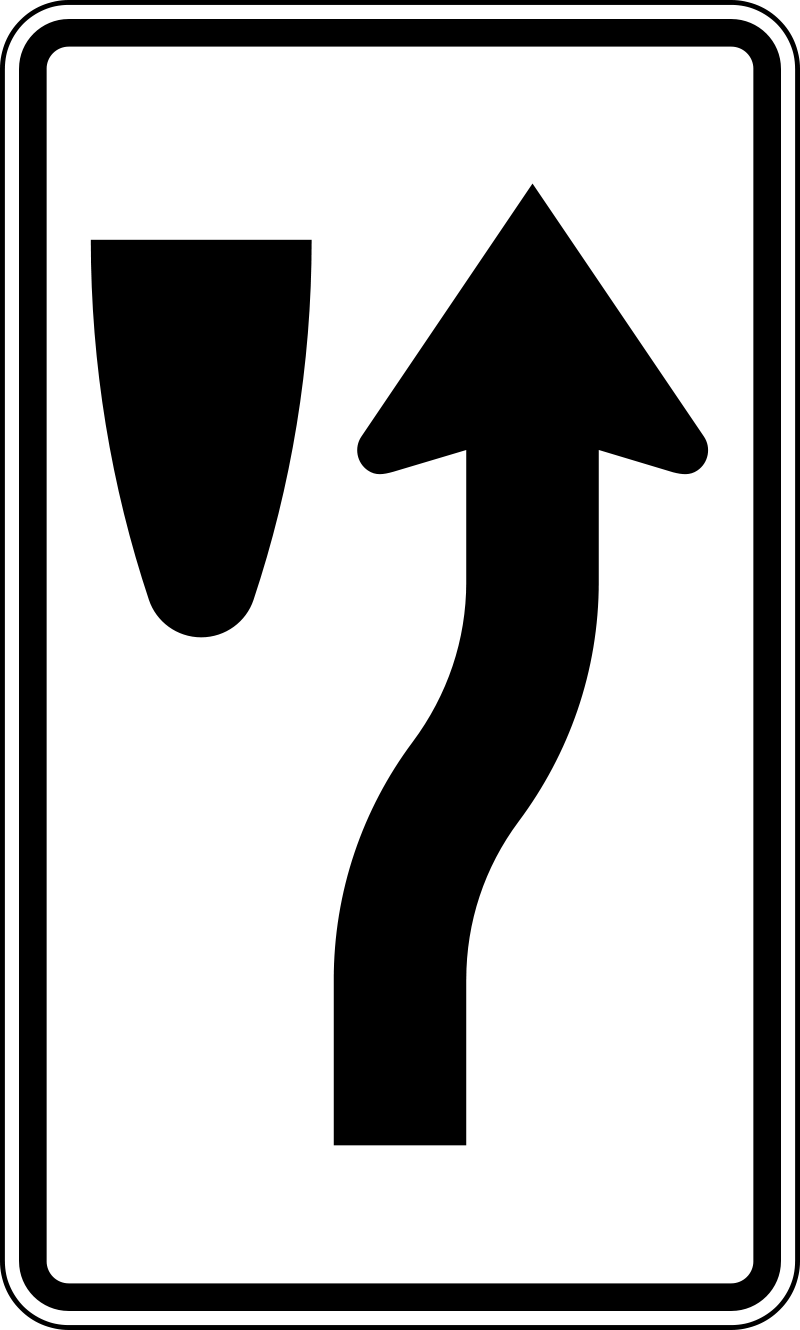 This road sign means:
A
Keep to the right
B
One-way traffic ahead
C
Lane ends ahead
This traffic sign indicates: keep to the right. Observing and obeying all roadway signs ensures safe traffic flow and legal driving.
Question 8:
 A pedestrian in the crosswalk when the 'DON’T WALK' signal begins flashing must:
A
stop immediately.
B
go back and wait the “WALK” light
C
finish crossing the street.
Drivers must always yield the right-of-way to pedestrians crossing at intersections and crosswalks: finish crossing the street. Stop and allow them to clear the lane safely.
Question 9:
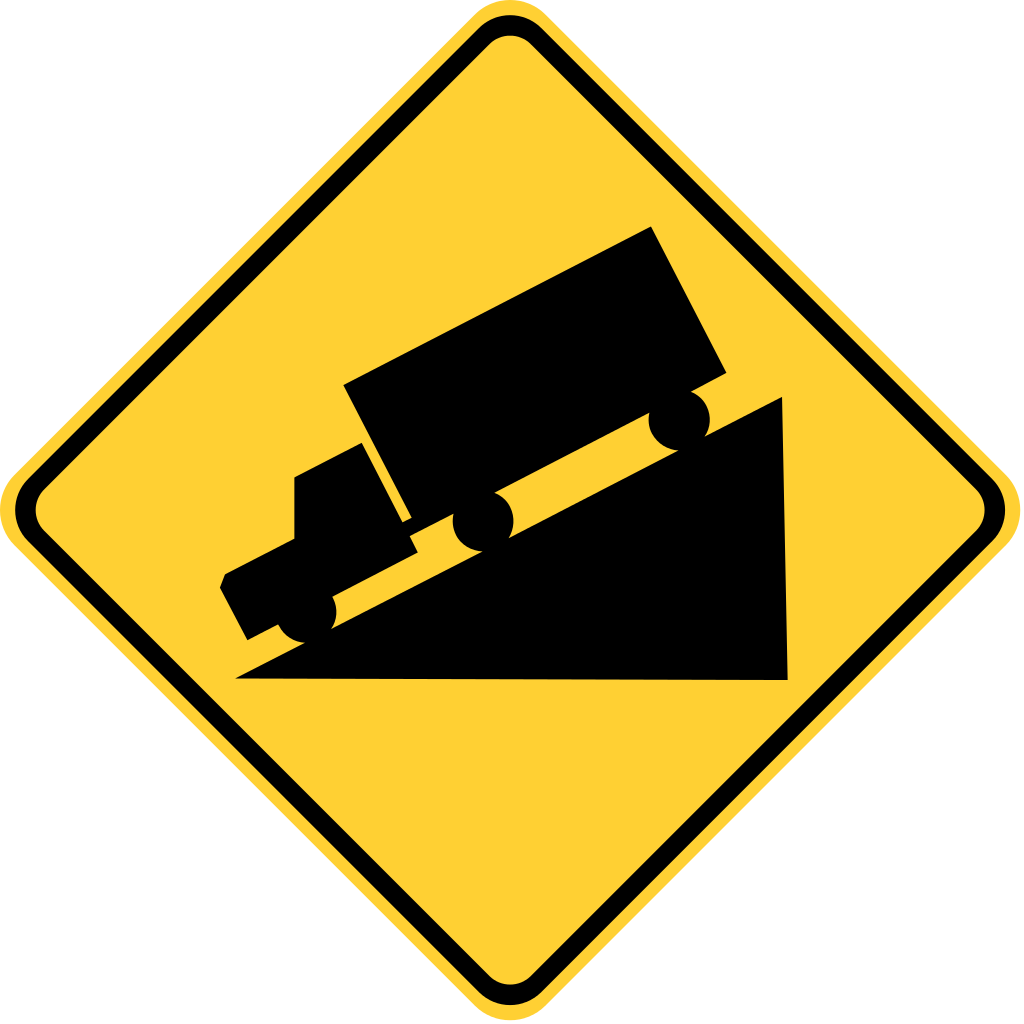 This traffic sign warns you about:
A
merging traffic.
B
a hill or a downgrade up ahead on the road.
C
an intersection ahead.
D
a winding road.
This traffic sign indicates: a hill or a downgrade up ahead on the road. Observing and obeying all roadway signs ensures safe traffic flow and legal driving.
Question 10:
 The octagonal shape is used:
A
for stop signs and railroad advance warning signs.
B
exclusively for stop signs.
C
to warn drivers of existing or possible hazards on roadways.
An octagonal Stop sign requires a full and complete stop before the stop line or crosswalk: exclusively for stop signs. Proceed only after yielding to all cross traffic and pedestrians.
Question 11:
Braking distance is affected by:
A
the condition of your brakes and tires.
B
pavement conditions.
C
the speed your vehicle is traveling.
D
All of the above.
Hazardous road and weather conditions require extra caution: the condition of your brakes and tires; pavement conditions; the speed your vehicle is traveling. Reducing speed and expanding following distance preserves control.
Question 12:
You must come to a full stop at a yield sign:
A
Always.
B
Never.
C
If traffic conditions require it.
The correct driving rule is: If traffic conditions require it. Following standard DMV road rules and practicing defensive driving ensures safety for all road users.
Question 13:
Are bicyclists required to obey traffic laws and signs?
A
No, bicyclists are considered pedestrians when it comes to the rules of the road.
B
Yes.
C
Yes, but only if they are riding in a bicycle lane.
The correct driving rule is: Yes. Following standard DMV road rules and practicing defensive driving ensures safety for all road users.
Question 14:
DMV can deny or suspend driving privileges for persons under 18 if the person is found:
A
involved in an alcohol or drug-related offense.
B
in need of supervision.
C
delinquent by a court.
D
All of the above.
All of the listed points are essential driving requirements: involved in an alcohol or drug-related offense; in need of supervision; delinquent by a court. Practicing each ensures compliance with DMV safety laws.
Question 15:
Searching does not include:
A
looking ahead and behind.
B
checking from left to right and then left again before entering an intersection.
C
trying to find your car in a parking lot.
D
actively looking hazards on the road.
The correct driving rule is: trying to find your car in a parking lot. Following standard DMV road rules and practicing defensive driving ensures safety for all road users.
Question 16:
When parking on a public road, drivers should:
A
move as far away from traffic as possible.
B
always park on the left side of the roadway.
C
All of the above.
Under standard parking and curb regulations: move as far away from traffic as possible. Following parking distance clearances keeps roadways unobstructed and emergency lanes accessible.
Question 17:
Turn signals should be used when:
A
making turns.
B
changing lanes.
C
entering or exiting highways.
D
All of the above.
All of the listed points are essential driving requirements: making turns; changing lanes; entering or exiting highways. Practicing each ensures compliance with DMV safety laws.
Question 18:
When changing lanes, you should not:
A
signal your intentions early.
B
check your side and rear view mirrors.
C
use the inside rearview mirror to check for blind spots
D
check to see if other drivers are moving into the same lane.
The correct driving rule is: use the inside rearview mirror to check for blind spots. Following standard DMV road rules and practicing defensive driving ensures safety for all road users.
Question 19:
Passing is prohibited:
A
when a school bus is stopped to load or unload children on a public road.
B
at intersections.
C
whenever a solid line marks the left side of your lane.
D
All of the above.
Defensive driving best practices include: when a school bus is stopped to load or unload children on a public road; at intersections; whenever a solid line marks the left side of your lane. Staying alert and maintaining spacing prevents unexpected hazards.
Question 20:
How many passengers may travel with a 16 year old driver?
A
Three.
B
One.
C
Two.
D
Four.
The correct driving rule is: One. Following standard DMV road rules and practicing defensive driving ensures safety for all road users.
Question 21:
Drivers entering an interstate highway from an entrance ramp must:
A
yield to traffic already on the highway.
B
slow down.
C
merge without looking.
D
turn around if another vehicle is in the lane.
Defensive driving guidelines state that: yield to traffic already on the highway. Anticipating road hazards and communicating maneuvers keeps traffic predictable and safe.
Question 22:
What is the main reason night driving is more difficult than daytime driving?
A
The use of headlight is required by law.
B
Reduced visibility.
C
Driving within the range.
The correct driving rule is: Reduced visibility. Following standard DMV road rules and practicing defensive driving ensures safety for all road users.
Question 23:
When you pass another vehicle, before you return to the right lane, you must:
A
look at your interior rear-view mirror.
B
signal.
C
All of the above.
All of the listed points are essential driving requirements: look at your interior rear-view mirror; signal. Practicing each ensures compliance with DMV safety laws.
Question 24:
In Virginia it is illegal to avoid traffic signals, signs and pavement markings by cutting through a parking lot or field.
A
True
B
False
Under standard parking and curb regulations: True. Following parking distance clearances keeps roadways unobstructed and emergency lanes accessible.
Question 25:
In the following situations, drivers should increase their following interval:
A
When following vehicles that are required to come to a stop at railroad crossings.
B
When it is hard to see ahead because of bad weather.
C
All of the above.
All of the listed points are essential driving requirements: When following vehicles that are required to come to a stop at railroad crossings; When it is hard to see ahead because of bad weather. Practicing each ensures compliance with DMV safety laws.
Question 26:
What should you do when an aggressive driver confronts you?
A
Avoid eye contact with the aggressive driver.
B
Make eye contact.
C
Challenge the aggressive driver with increased speed.
The correct driving rule is: avoid eye contact with the aggressive driver. Following standard DMV road rules and practicing defensive driving ensures safety for all road users.
Question 27:
What type of pavement marking shows you which lane you must use for a turn?
A
Edge line
B
Diamond
C
Crosswalk Lines
D
Arrows
This traffic sign indicates: Arrows. Observing and obeying all roadway signs ensures safe traffic flow and legal driving.
Question 28:
BAC is:
A
the acronym for Beer ACcumulation.
B
the number of ounces of alcohol in your blood.
C
the percentage of alcohol in your blood.
Under state DUI and traffic safety laws: the percentage of alcohol in your blood. Alcohol degrades judgment, slows reaction times, and distorts depth perception.
Question 29:
You should use turn signals to indicate your intention with sufficient time to allow other drivers to see the signal:
A
if it’s raining.
B
AFTER you move.
C
BEFORE you move.
State laws require signaling your intention: BEFORE you move. Signal at least 100 feet before making a turn or changing lanes.
Question 30:
If under age 21, you can be convicted of illegal consumption of alcohol:
A
if your BAC is .08 or higher.
B
if your BAC is at least .02 but less than .08.
C
if you had at more than 2 beers.
Under state DUI and traffic safety laws: if your BAC is at least .02 but less than .08. Alcohol degrades judgment, slows reaction times, and distorts depth perception.
Question 31:
The driver is responsible for making sure that children are properly secured when riding.
A
False
B
True
The correct driving rule is: True. Following standard DMV road rules and practicing defensive driving ensures safety for all road users.
Question 32:
At intersections where two or more drivers stop at STOP signs at the same time and they are at right angles:
A
the driver on the left must yield to the driver on the right.
B
the driver who is late for work has the right-of-way.
C
the driver on the right must yield to the driver on the left.
The correct driving rule is: the driver on the left must yield to the driver on the right. Following standard DMV road rules and practicing defensive driving ensures safety for all road users.
Question 33:
You must pull over to the edge of the road and allow an emergency vehicle to pass:
A
only if the emergency vehicle is following you.
B
regardless of your direction.
C
only if the emergency vehicle is approaching.
D
None of the above.
When sharing the road with other vehicles: regardless of your direction. Giving large vehicles and vulnerable users adequate clearance prevents dangerous accidents.
Question 34:
Parking is not allowed:
A
on the road side of a parked vehicle.
B
in a tunnel.
C
All of the above.
Under standard parking and curb regulations: All of the above. Following parking distance clearances keeps roadways unobstructed and emergency lanes accessible.
Question 35:
When a hazard is seen ahead, reaction distance:
A
is the sum of perception distance and braking distance.
B
equals total stopping distance minus perception distance.
C
is how far a vehicle will continue to travel, in ideal conditions, before the driver hits the brakes.
For safe speed and stopping control: is how far a vehicle will continue to travel, in ideal conditions, before the driver hits the brakes. Adjusting speed to match visibility and road traction prevents loss of steering grip.
Question 36:
Which of the following drugs could affect your ability to drive?
A
A cold remedy.
B
Marijuana.
C
All of the above.
Alcohol and impairing substances degrade all critical driving functions: A cold remedy; Marijuana. Driving while impaired carries severe criminal and safety penalties.
Question 37:
Zero tolerance is:
A
how many times you can exceed the posted speed limit.
B
a law that makes it illegal for youth under 21 to drive with a blood alcohol content of .02 or higher.
C
a police officer asking you to take a blood alcohol test.
D
None of the above.
Zero Tolerance laws make it illegal for drivers under age 21 to operate a vehicle with any measurable amount of alcohol in their system (0.01% to 0.02% BAC depending on state).
Question 38:
Your BAC depends on:
A
how much alcohol you drink.
B
how much time passes between drinks.
C
All of the above.
Alcohol and impairing substances degrade all critical driving functions: how much alcohol you drink; how much time passes between drinks. Driving while impaired carries severe criminal and safety penalties.
Question 39:
At a stop sign there is no stop line, you must stop:
A
before you enter the intersection.
B
before you enter the crosswalk.
C
after you enter the crosswalk.
The correct driving rule is: before you enter the crosswalk. Following standard DMV road rules and practicing defensive driving ensures safety for all road users.
Question 40:
Before crossing any railroad tracks, you must:
A
look and listen for trains.
B
make sure there is room for your vehicle on the other side.
C
All of the above.
All of the listed points are essential driving requirements: look and listen for trains; make sure there is room for your vehicle on the other side. Practicing each ensures compliance with DMV safety laws.