Question 1:
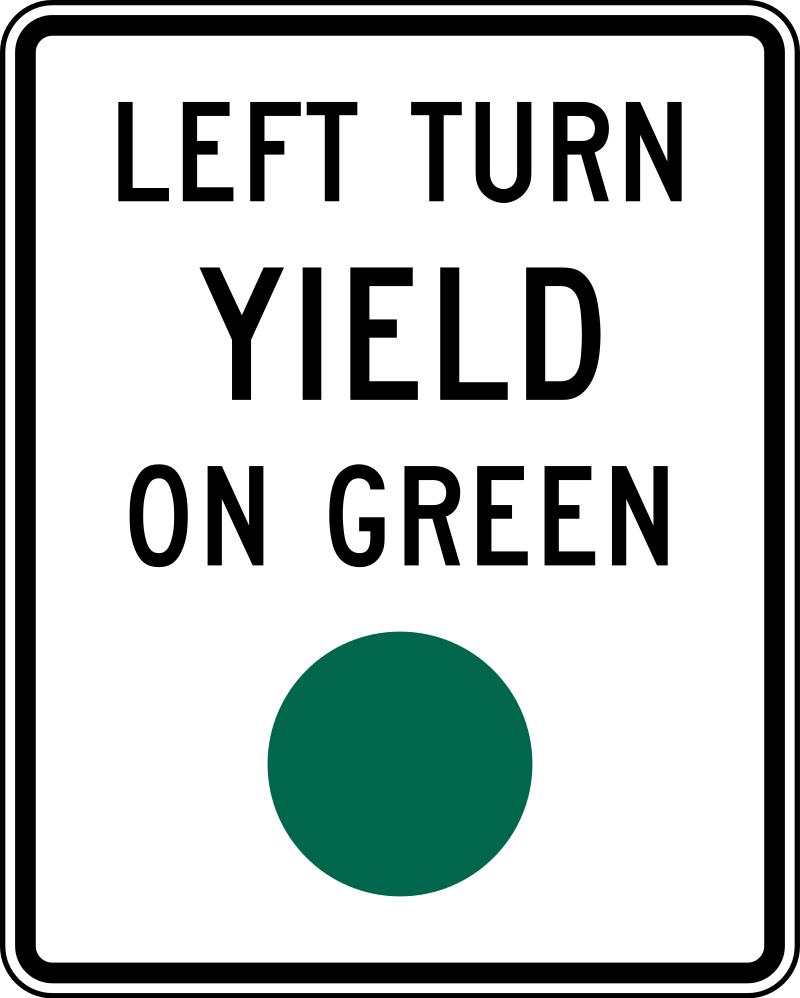 This road sign means:
A
One Way
B
Left turn yield on green
C
Right lane closed
D
Two way left turn
A triangular Yield sign requires drivers to slow down and give right-of-way to other traffic: Left turn yield on green. Proceed only when there is a safe opening.
Question 2:
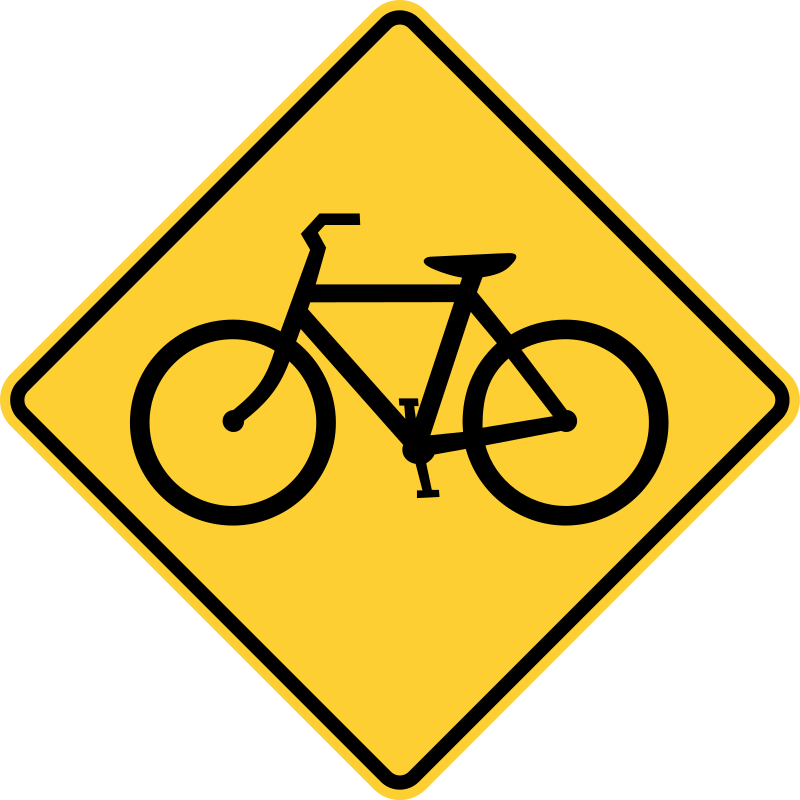 This road sign means:
A
Watch for bicycles
B
Bicycle parking ahead
C
Bicycles are not allowed in this area
This traffic sign indicates: watch for bicycles. Observing and obeying all roadway signs ensures safe traffic flow and legal driving.
Question 3:
 This road sign means:
A
A road joins from the left
B
The road ahead turns sharply right then sharply left
C
Sharp right turn
D
Winding road ahead
This traffic sign indicates: The road ahead turns sharply right then sharply left. Observing and obeying all roadway signs ensures safe traffic flow and legal driving.
Question 4:
What should drivers do when the red lights begin to flash?
A
Stop.
B
Yield.
C
Slow down.
The correct driving rule is: stop. Following standard DMV road rules and practicing defensive driving ensures safety for all road users.
Question 5:
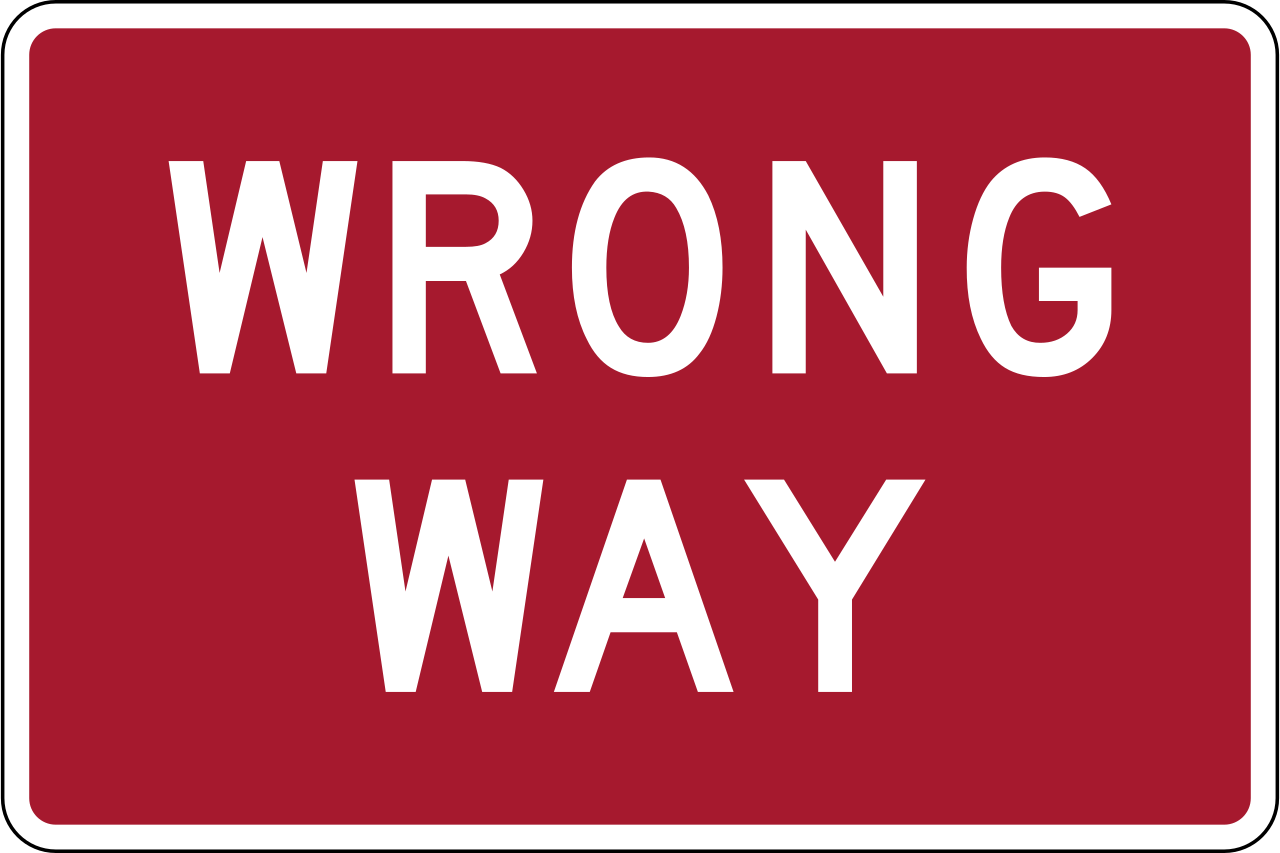 When drivers see this road sign:
A
they must come to a complete stop and call the police.
B
they must not drive past this sign.
C
they must turn around immediately.
This traffic sign indicates: they must turn around immediately. Observing and obeying all roadway signs ensures safe traffic flow and legal driving.
Question 6:
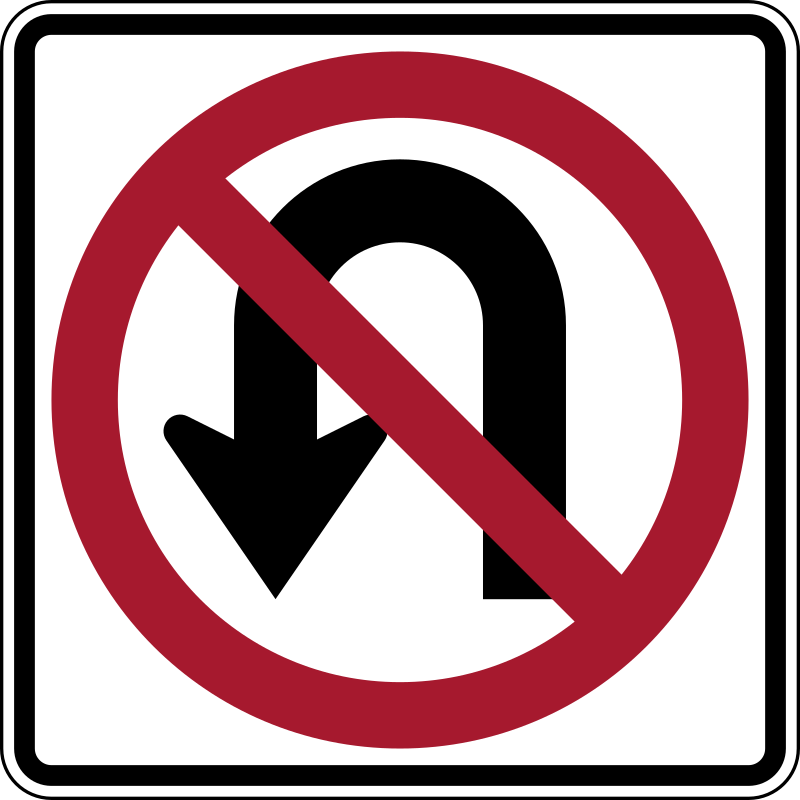 This road sign means:
A
No left turn
B
No U-turn
C
Detour ahead
This traffic sign indicates: No U-turn. Observing and obeying all roadway signs ensures safe traffic flow and legal driving.
Question 7:
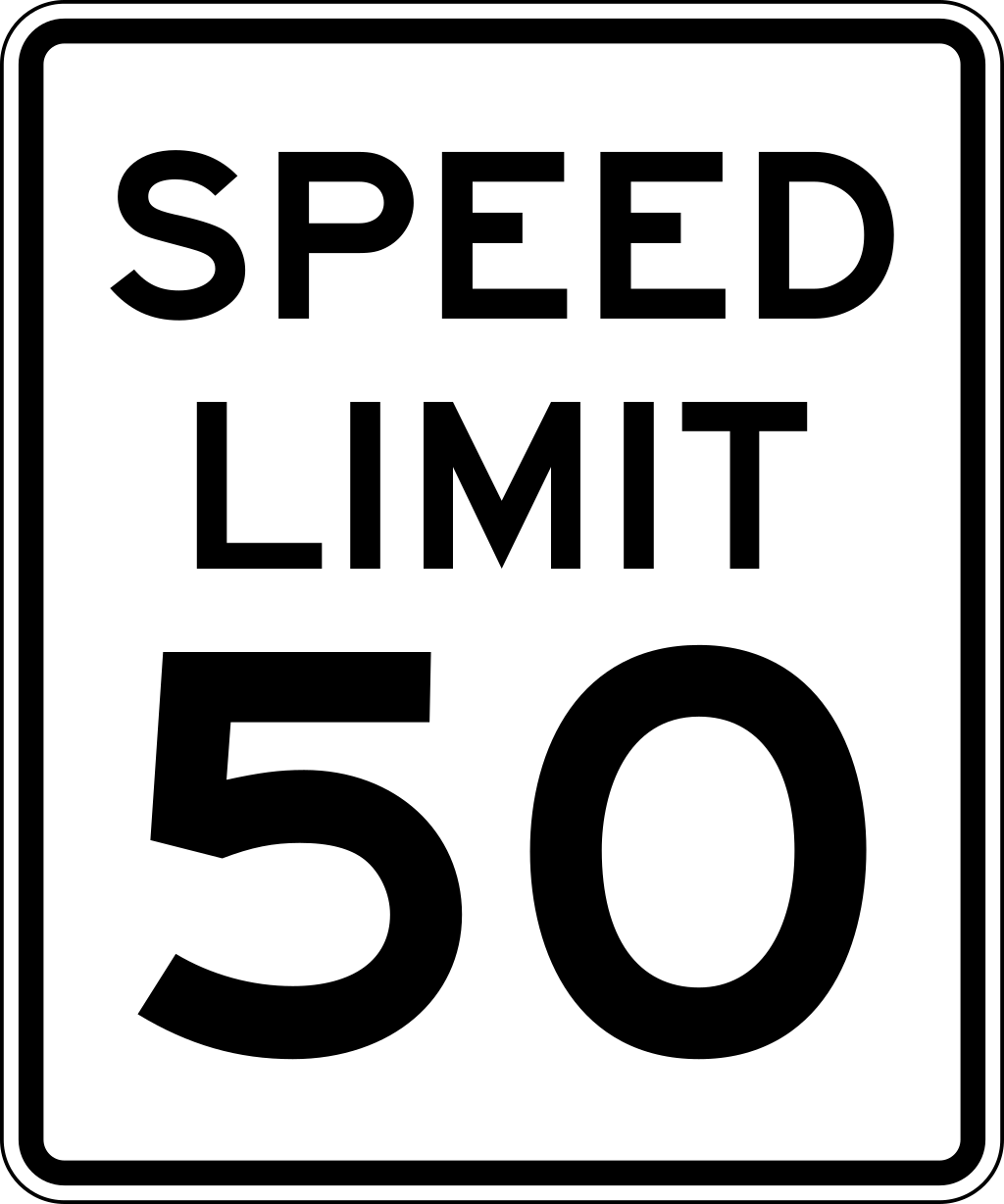 The posted speed limit shows:
A
the maximum safe speed under all road conditions.
B
the speed at which you must travel to effectively deal with tailgaters.
C
the maximum safe speed under ideal road and weather conditions.
D
the minimum legal speed limit.
For safe speed and stopping control: the maximum safe speed under ideal road and weather conditions. Adjusting speed to match visibility and road traction prevents loss of steering grip.
Question 8:
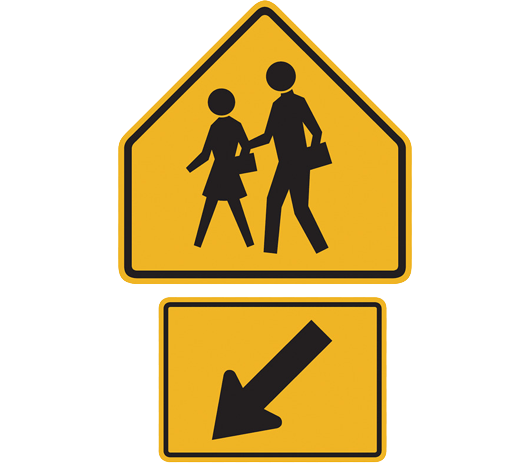 When you approach this sign, you must:
A
stop if necessary.
B
watch for workers crossing the road.
C
None of the above.
This traffic sign indicates: stop if necessary. Observing and obeying all roadway signs ensures safe traffic flow and legal driving.
Question 9:
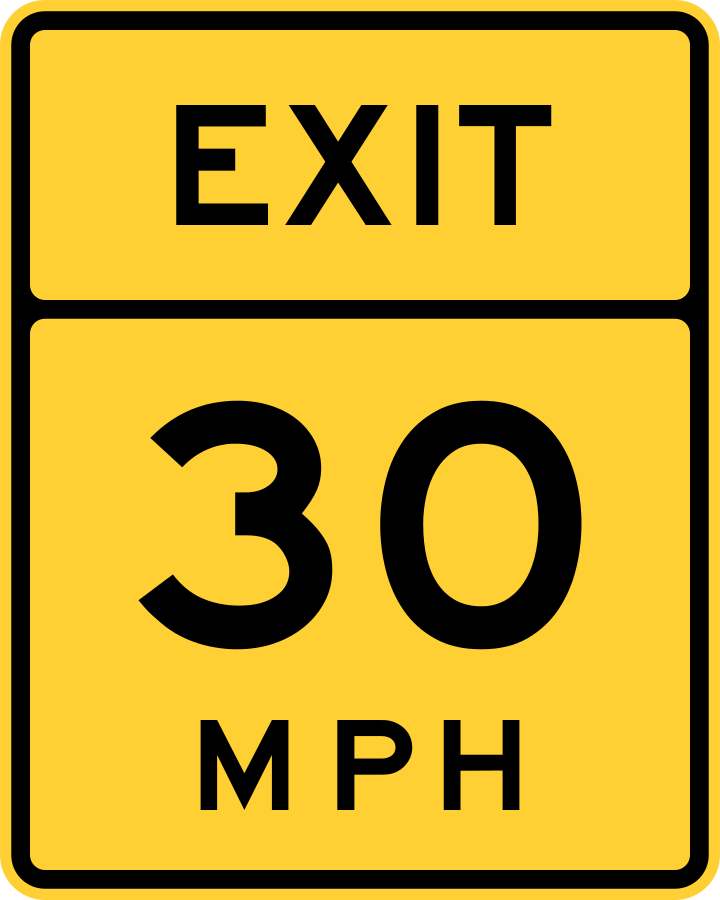 The sign in the picture:
A
shows the highest speed drivers can travel at the exit of the intersection.
B
is used to advise motorists of the appropriate ramp speed at the highway exit point.
C
indicates the minimum ramp speed at the highway exit point.
The correct driving rule is: is used to advise motorists of the appropriate ramp speed at the highway exit point. Following standard DMV road rules and practicing defensive driving ensures safety for all road users.
Question 10:
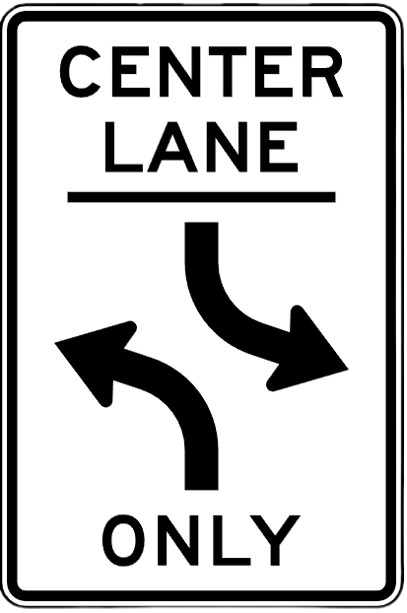 This road sign means:
A
Vehicles may only travel in the center lane.
B
The center lane is shared for left turns in both directions of travel.
C
The center lane in both directions of travel will soon turn left.
This traffic sign indicates: The center lane is shared for left turns in both directions of travel. Observing and obeying all roadway signs ensures safe traffic flow and legal driving.
Question 11:
If the entrance lane is too short to allow acceleration to expressway speed, you should:
A
stop and wait for a large space in traffic.
B
enter the expressway and accelerate quickly.
C
reduce your speed to 15 MPH or less and blend with traffic.
For safe speed and stopping control: stop and wait for a large space in traffic. Adjusting speed to match visibility and road traction prevents loss of steering grip.
Question 12:
If you are blinded by headlights on an approaching vehicle, you should:
A
avoid looking directly at the bright lights.
B
glance toward the side of the road, then look quickly ahead to determine the other vehicle’s position.
C
All of the above.
All of the listed points are essential driving requirements: avoid looking directly at the bright lights; glance toward the side of the road, then look quickly ahead to determine the other vehicle’s position. Practicing each ensures compliance with DMV safety laws.
Question 13:
The driver of an emergency vehicle that uses lights and a siren can legally:
A
pass red lights.
B
exceed the speed limit
C
All of the above.
Sharing the road safely requires mutual awareness and respect: pass red lights; exceed the speed limit. Maintaining safe space cushions protects all roadway users.
Question 14:
Which of the following is a defensive driving skill/technique?
A
Maintain the correct speed.
B
Do not drive if you are very weary.
C
All of the above.
All of the listed points are essential driving requirements: Maintain the correct speed; Do not drive if you are very weary. Practicing each ensures compliance with DMV safety laws.
Question 15:
What is the first thing you should do if your wheels move off the pavement?
A
Pull the steering wheel back.
B
Pull over to the right and sound your horn to warn the other drivers.
C
Ease your foot off the gas pedal and brake gently.
The correct driving rule is: Ease your foot off the gas pedal and brake gently. Following standard DMV road rules and practicing defensive driving ensures safety for all road users.
Question 16:
A steady yellow light means:
A
Be prepared to stop for the red light.
B
Drive with caution.
C
Be prepared to go. The light will soon be green.
According to standard right-of-way regulations: Be prepared to stop for the red light. Yielding appropriately prevents intersection collisions and maintains safe traffic flow.
Question 17:
Aggressive drivers:
A
run stop signs.
B
are high risk drivers.
C
tailgate other vehicles and make improper lane changes.
D
All of the above.
All of the listed points are essential driving requirements: run stop signs; are high risk drivers; tailgate other vehicles and make improper lane changes. Practicing each ensures compliance with DMV safety laws.
Question 18:
On what three conditions does your blood alcohol content (BAC) depend?
A
Your weight. How much alcohol you drink. How much time passes between drinks.
B
Your weight. The type of beverage you drink. How fit you are.
C
Your height. How much alcohol you drink. The type of beverage you drink.
Under state DUI and traffic safety laws: Your weight. How much alcohol you drink. How much time passes between drinks. Alcohol degrades judgment, slows reaction times, and distorts depth perception.
Question 19:
When you prepare to make a left turn from a one-way road into a one-way road, you must:
A
move into the right lane, or to the left side of a single lane.
B
move into the right lane, or to the right side of a single lane.
C
move into the left lane, or to the left side of a single lane.
The correct driving rule is: move into the left lane, or to the left side of a single lane. Following standard DMV road rules and practicing defensive driving ensures safety for all road users.
Question 20:
Are drivers allowed to exceed the speed limit to pass other vehicles?
A
Yes, but only by 10 MPH or less.
B
No.
C
Yes, but only if they drive with caution.
For safe speed and stopping control: No. Adjusting speed to match visibility and road traction prevents loss of steering grip.
Question 21:
If an approaching driver does not dim the headlights, you should:
A
move your eyes to the left to help avoid the glare of approaching high beams.
B
move your eyes to the right and avoid looking directly at the bright lights.
C
flash your headlights to low beam for a second, then return to high beam.
The correct driving rule is: move your eyes to the right and avoid looking directly at the bright lights. Following standard DMV road rules and practicing defensive driving ensures safety for all road users.
Question 22:
Directions given by traffic officers ___________ signs, signals or pavement markings.
A
take precedence over
B
are less important than
C
must obey
The correct driving rule is: take precedence over. Following standard DMV road rules and practicing defensive driving ensures safety for all road users.
Question 23:
You go with a group of friends to a social event, and you plan to have a few drinks. You should:
A
make alcohol the focus of the event.
B
avoid alternating between drinks with alcohol and drinks without any alcohol.
C
arrange to ride home with a friend who does not drink.
The correct driving rule is: arrange to ride home with a friend who does not drink. Following standard DMV road rules and practicing defensive driving ensures safety for all road users.
Question 24:
When you make a left turn from a one-way road into a two-way road, you must:
A
enter the two-way road to the left of its center line.
B
make a U-turn into the two-way road.
C
enter the two-way road to the right of its center line.
The correct driving rule is: enter the two-way road to the right of its center line. Following standard DMV road rules and practicing defensive driving ensures safety for all road users.
Question 25:
When approaching road construction areas, drivers should:
A
keep their vehicles in the middle of the lane and obey the speed limit.
B
not pass other vehicles.
C
be alert to flashing arrow panels, signs and flaggers.
D
All of the above.
All of the listed points are essential driving requirements: keep their vehicles in the middle of the lane and obey the speed limit; not pass other vehicles; be alert to flashing arrow panels, signs and flaggers. Practicing each ensures compliance with DMV safety laws.
Question 26:
A professional truck driver must:
A
have a professional forklift operator license.
B
have a valid truck mechanic license.
C
have a valid commercial driver's license.
D
have a separate truck-driving license.
When sharing the road with other vehicles: have a valid commercial driver's license. Giving large vehicles and vulnerable users adequate clearance prevents dangerous accidents.
Question 27:
If a traffic officer signals you to drive through a red light:
A
you must do it.
B
you must wait for the red light to turn green.
C
you must not obey the officer. Signs and signals take precedence over directions given by traffic officers.
According to standard right-of-way regulations: you must do it. Yielding appropriately prevents intersection collisions and maintains safe traffic flow.
Question 28:
To drive defensively, you must:
A
avoid scanning the road ahead.
B
keep one hand on the steering wheel.
C
keep your eyes moving.
The correct driving rule is: keep your eyes moving. Following standard DMV road rules and practicing defensive driving ensures safety for all road users.
Question 29:
When driving in heavy rain, drivers should use:
A
parking lights.
B
low beam headlights.
C
high beam headlights.
For safe speed and stopping control: low beam headlights. Adjusting speed to match visibility and road traction prevents loss of steering grip.
Question 30:
Select the most effective safety restraint(s) in a traffic crash.
A
Lap and shoulder belt only
B
Air bag only
C
Pumping brakes.
D
A combination of lap/shoulder belt and air bag.
The correct driving rule is: A combination of lap/shoulder belt and air bag. Following standard DMV road rules and practicing defensive driving ensures safety for all road users.
Question 31:
To obtain your driver's license, you must pass a _______ test.
A
vision.
B
road skills.
C
knowledge.
D
All of the above.
All of the listed points are essential driving requirements: vision; road skills; knowledge. Practicing each ensures compliance with DMV safety laws.
Question 32:
At intersections marked with stop lines, drivers must:
A
come to a complete stop.
B
slow down and enter the intersection.
C
signal other vehicles to stop.
The correct driving rule is: come to a complete stop. Following standard DMV road rules and practicing defensive driving ensures safety for all road users.
Question 33:
An emergency vehicle that uses lights and a siren can be unpredictable. Why?
A
The driver can legally pass red lights.
B
Emergency vehicles must go faster than the posted speed limit when it is safe to do so.
C
Emergency vehicle drivers are not required to be careful.
When sharing the road with other vehicles: The driver can legally pass red lights. Giving large vehicles and vulnerable users adequate clearance prevents dangerous accidents.
Question 34:
The traffic light is green and you want to drive straight through an intersection. If a car is already in the intersection and is making a turn, you must:
A
enter the intersection and then stop.
B
drive through the intersection. You have the right-of-way.
C
let that car complete its turn before you enter the intersection.
According to standard right-of-way regulations: let that car complete its turn before you enter the intersection. Yielding appropriately prevents intersection collisions and maintains safe traffic flow.
Question 35:
You are considered to be driving under the influence (DUI) if your blood alcohol content (BAC) is ______ or higher.
A
.10 percent
B
.08 percent
C
.5 percent
D
.05 percent
Under state DUI and traffic safety laws: .08 percent. Alcohol degrades judgment, slows reaction times, and distorts depth perception.
Question 36:
It is illegal to transport children under age 16 in the bed of a pickup truck, even if equipped with a camper shell.
A
False
B
True
When sharing the road with other vehicles: True. Giving large vehicles and vulnerable users adequate clearance prevents dangerous accidents.
Question 37:
What should you do if you see smoke come from under the hood?
A
Call the fire department and then pull off the road and park your vehicle.
B
Pull off the road and park your vehicle. Turn off the ignition, get away from the car and call the fire department.
C
Try to fight the fire yourself.
The correct driving rule is: pull off the road and park your vehicle. Turn off the ignition, get away from the car and call the fire department. Following standard DMV road rules and practicing defensive driving ensures safety for all road users.
Question 38:
Your driving privilege may be suspended or revoked if you are convicted of:
A
reckless or aggressive driving.
B
failing to pay for gas.
C
operating a vehicle without a valid license.
D
All the other answers are correct.
The correct driving rule is: All the other answers are correct. Following standard DMV road rules and practicing defensive driving ensures safety for all road users.
Question 39:
While inside the roundabout, you should:
A
remain in your lane until you are ready to exit.
B
change lanes before you check for vehicles behind you.
C
use your left turn signal if you are in position to exit now.
Vehicles entering a roundabout must yield right-of-way to circulating traffic already inside: remain in your lane until you are ready to exit. Wait for a safe gap before entering.
Question 40:
You ________ traffic headed toward you when you turn left.
A
must not yield to
B
must interrupt
C
must yield to
According to standard right-of-way regulations: must yield to. Yielding appropriately prevents intersection collisions and maintains safe traffic flow.