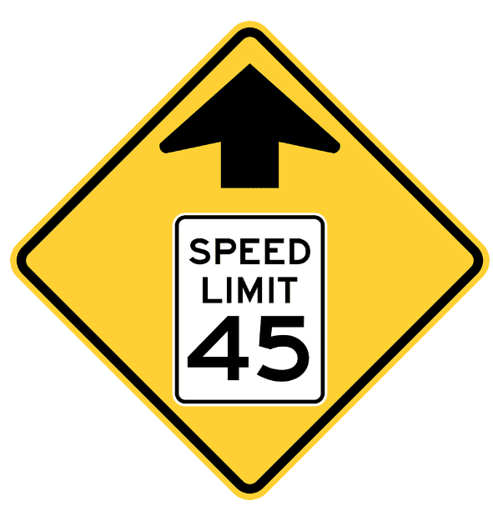
DriveQuiz drivequiz.com

UT DMV PERMİT PRACTİCE TEST 6

Utah
Duration: 23 min
|
Questions: 25
Student Name:
Date:
Correct:      Incorrect:      Score:      
1.
Drinking alcohol while taking drugs can:
A) have a less pronounced effect than either taken separately.
B) have a more pronounced effect than either taken separately.
C) improves concentration.
D) improve your driving performance.
2.
What is the meaning of blue traffic signs?
A) A blue background indicates a regulatory sign.
B) They give directional information.
C) Blue indicates road user services.
3.
You are driving in the left lane and want to change to the right lane. Before changing lanes, you should check your mirrors, signal and:
A) look over your left shoulder.
B) look over both shoulders for vehicles in front of you.
C) accelerate slightly before looking around your vehicle.
D) look over your right shoulder.
4.
When driving on wet roads, you should remember:
A) driving on wet roads can cause hydroplaning.
B) you should give yourself additional time to stop.
C) to stay farther behind the vehicle ahead of you.
D) All of the above.
5.
__________________ give you right-of-way to make a left turn.
A) A green arrow pointing left
B) A flashing red light
C) A flashing yellow light
D) A solid green light
6.
Parking is not allowed:
A) on the road side of a parked vehicle.
B) in a tunnel.
C) All of the above.
7.
Roads are most slippery:
A) just before it rains.
B) when it stops raining.
C) when it first starts to rain.
8.
Flashing Upraised Hand signal indicates pedestrians should finish crossing if already in the crosswalk, but not start crossing.
A pedestrian in the crosswalk when the 'DON’T WALK' signal begins flashing must:
A) stop immediately.
B) go back and wait the “WALK” light
C) finish crossing the street.
9.
When passing other vehicles, drivers should:
A) make sure the passing lane is clear of traffic, and check behind and to the left to make sure another vehicle is not attempting to pass.
B) pass the vehicle as slowly as possible.
C) apply the brake and slow down.
D) All of the above.
10.
Parking, standing, or stopping is prohibited at all times in this designated zone except for emergency vehicles.
This sign means:
A) U-turns are not allowed.
B) Parking is not allowed.
C) No parking on pavement.
11.
When driving at night, you should slow down and:
A) use high beams whenever possible, but never when there's oncoming traffic.
B) use high beams until other drivers dim their lights.
C) follow the vehicle ahead more closely to avoid glare from oncoming headlights.
D) come to a complete stop whenever there's oncoming traffic.
12.
A road is likely to be most slippery:
A) when tire marks have been left by other vehicles.
B) in cold, dry weather.
C) when icy and the temperature is near freezing.
D) in spring.
13.
What should you do in case of a brake failure?
A) Pull off the road into an open space, if available.
B) Apply the parking brake slowly.
C) All of the above.
14.
If another vehicle passes you on the left, you must:
A) increase your speed slightly and keep to the right.
B) decrease your speed, then pull over to the right and stop.
C) decrease your speed slightly and keep to the right.
15.
A steady yellow light at an intersection means:
A) Proceed with caution through the intersection
B) Slow down and be prepared to stop
C) Immediately come to a complete stop
D) Yield to other vehicles
16.
What should drivers do in case of a brake failure?
A) Shift to a lower gear.
B) Tie a white cloth on the left door handle.
C) Brake lightly.
17.
The roadway becomes particularly slippery during wet or rainy conditions. Reduce your speed, increase following distance, and avoid abrupt braking or steering.
When they see this sign, drivers:
A) should be prepared to make sharp turns at a high speed.
B) need to be prepared to turn right and then left quickly.
C) should not speed up or brake quickly.
18.
Recommended safe maximum driving speed in ideal conditions for an upcoming curve, ramp, or hazardous stretch of road.
This warning sign:
A) provides advance notice to upcoming speed limit change.
B) shows the current speed limit that all vehicles traveling in the direction of the arrow must not exceed.
C) indicates the suggested highest safe speed.
19.
As long as you don’t leave the road, you may legally pass a vehicle on the right:
A) if you are on a two-lane, two-way road and the other vehicle is turning left.
B) when you are turning into a one-way street with no oncoming traffic.
C) Never.
D) Only during daylight hours.
20.
When you need to enter a freeway exit ramp:
A) don't slow down on the freeway itself. Wait until you are in the deceleration lane.
B) pass slower vehicles on the right.
C) slow down before entering the exit ramp.
D) don't slow down on the freeway itself, and maintain your speed once in the exit ramp.
21.
If you need to slow down while driving on a slippery road, you should first:
A) pump your brakes.
B) take your foot off the gas pedal.
C) apply your parking brake.
D) firmly apply your brakes.
22.
What is the most important rule to remember in any emergency?
A) Do not panic.
B) Run away.
C) Call the police.
23.
Following another vehicle too closely is known as:
A) speedgating.
B) closetailing.
C) tailgating.
24.
Another road crosses the highway ahead. Look left and right for crossing or entering vehicles.
This road sign means:
A) You must turn right
B) Railroad crossing
C) Crossroad ahead
D) 4-way stop
25.
Regulation signs normally are:
A) white triangles.
B) green rectangles.
C) white rectangles.
ANSWER KEY Check answers after completing the test.
1 B
2 C
3 D
4 D
5 A
6 C
7 C
8 C
9 A
10 B
11 A
12 C
13 C
14 C
15 B
16 A
17 C
18 A
19 A
20 A
21 B
22 A
23 C
24 C
25 C