Question 1:
Drinking alcohol while taking drugs can:
A
have a less pronounced effect than either taken separately.
B
have a more pronounced effect than either taken separately.
C
improves concentration.
D
improve your driving performance.
Under state DUI and traffic safety laws: have a more pronounced effect than either taken separately. Alcohol degrades judgment, slows reaction times, and distorts depth perception.
Question 2:
What is the meaning of blue traffic signs?
A
A blue background indicates a regulatory sign.
B
They give directional information.
C
Blue indicates road user services.
The correct driving rule is: Blue indicates road user services. Following standard DMV road rules and practicing defensive driving ensures safety for all road users.
Question 3:
You are driving in the left lane and want to change to the right lane. Before changing lanes, you should check your mirrors, signal and:
A
look over your left shoulder.
B
look over both shoulders for vehicles in front of you.
C
accelerate slightly before looking around your vehicle.
D
look over your right shoulder.
State laws require signaling your intention: look over your right shoulder. Signal at least 100 feet before making a turn or changing lanes.
Question 4:
When driving on wet roads, you should remember:
A
driving on wet roads can cause hydroplaning.
B
you should give yourself additional time to stop.
C
to stay farther behind the vehicle ahead of you.
D
All of the above.
All of the listed points are essential driving requirements: driving on wet roads can cause hydroplaning; you should give yourself additional time to stop; to stay farther behind the vehicle ahead of you. Practicing each ensures compliance with DMV safety laws.
Question 5:
__________________ give you right-of-way to make a left turn.
A
A green arrow pointing left
B
A flashing red light
C
A flashing yellow light
D
A solid green light
When turning left across traffic lanes: A green arrow pointing left. You must yield to all oncoming vehicles and crossing pedestrians before completing the turn.
Question 6:
Parking is not allowed:
A
on the road side of a parked vehicle.
B
in a tunnel.
C
All of the above.
Under standard parking and curb regulations: All of the above. Following parking distance clearances keeps roadways unobstructed and emergency lanes accessible.
Question 7:
Roads are most slippery:
A
just before it rains.
B
when it stops raining.
C
when it first starts to rain.
For safe speed and stopping control: when it first starts to rain. Adjusting speed to match visibility and road traction prevents loss of steering grip.
Question 8:
 A pedestrian in the crosswalk when the 'DON’T WALK' signal begins flashing must:
A
stop immediately.
B
go back and wait the “WALK” light
C
finish crossing the street.
Drivers must always yield the right-of-way to pedestrians crossing at intersections and crosswalks: finish crossing the street. Stop and allow them to clear the lane safely.
Question 9:
When passing other vehicles, drivers should:
A
make sure the passing lane is clear of traffic, and check behind and to the left to make sure another vehicle is not attempting to pass.
B
pass the vehicle as slowly as possible.
C
apply the brake and slow down.
D
All of the above.
Defensive driving guidelines state that: make sure the passing lane is clear of traffic, and check behind and to the left to make sure another vehicle is not attempting to pass. Anticipating road hazards and communicating maneuvers keeps traffic predictable and safe.
Question 10:
 This sign means:
A
U-turns are not allowed.
B
Parking is not allowed.
C
No parking on pavement.
This traffic sign indicates: Parking is not allowed. Observing and obeying all roadway signs ensures safe traffic flow and legal driving.
Question 11:
When driving at night, you should slow down and:
A
use high beams whenever possible, but never when there's oncoming traffic.
B
use high beams until other drivers dim their lights.
C
follow the vehicle ahead more closely to avoid glare from oncoming headlights.
D
come to a complete stop whenever there's oncoming traffic.
The correct driving rule is: use high beams whenever possible, but never when there's oncoming traffic. Following standard DMV road rules and practicing defensive driving ensures safety for all road users.
Question 12:
A road is likely to be most slippery:
A
when tire marks have been left by other vehicles.
B
in cold, dry weather.
C
when icy and the temperature is near freezing.
D
in spring.
For safe speed and stopping control: when icy and the temperature is near freezing. Adjusting speed to match visibility and road traction prevents loss of steering grip.
Question 13:
What should you do in case of a brake failure?
A
Pull off the road into an open space, if available.
B
Apply the parking brake slowly.
C
All of the above.
All of the listed points are essential driving requirements: Pull off the road into an open space, if available; Apply the parking brake slowly. Practicing each ensures compliance with DMV safety laws.
Question 14:
If another vehicle passes you on the left, you must:
A
increase your speed slightly and keep to the right.
B
decrease your speed, then pull over to the right and stop.
C
decrease your speed slightly and keep to the right.
The correct driving rule is: decrease your speed slightly and keep to the right. Following standard DMV road rules and practicing defensive driving ensures safety for all road users.
Question 15:
A steady yellow light at an intersection means:
A
Proceed with caution through the intersection
B
Slow down and be prepared to stop
C
Immediately come to a complete stop
D
Yield to other vehicles
According to standard right-of-way regulations: slow down and be prepared to stop. Yielding appropriately prevents intersection collisions and maintains safe traffic flow.
Question 16:
What should drivers do in case of a brake failure?
A
Shift to a lower gear.
B
Tie a white cloth on the left door handle.
C
Brake lightly.
The correct driving rule is: shift to a lower gear. Following standard DMV road rules and practicing defensive driving ensures safety for all road users.
Question 17:
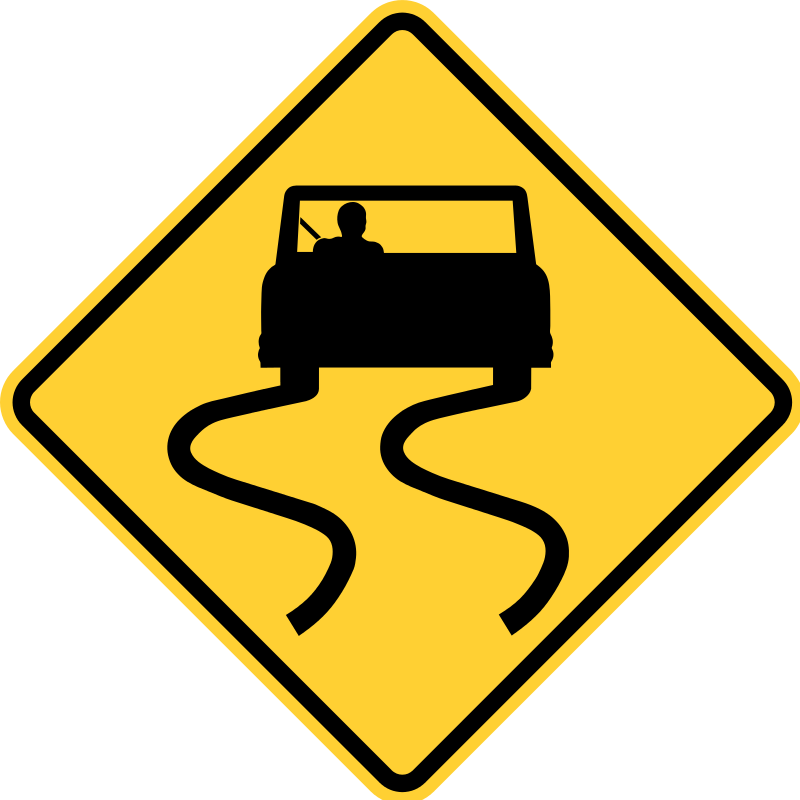 When they see this sign, drivers:
A
should be prepared to make sharp turns at a high speed.
B
need to be prepared to turn right and then left quickly.
C
should not speed up or brake quickly.
This traffic sign indicates: should not speed up or brake quickly. Observing and obeying all roadway signs ensures safe traffic flow and legal driving.
Question 18:
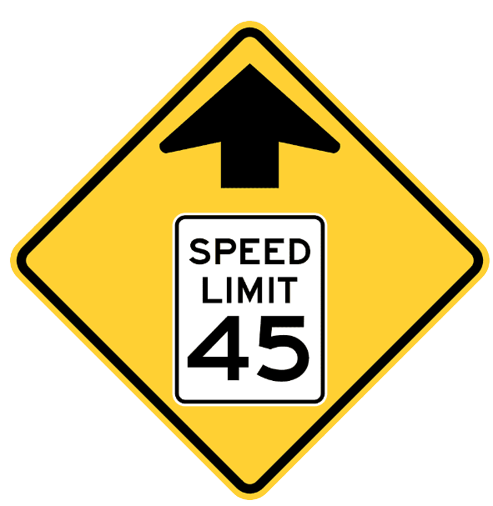 This warning sign:
A
provides advance notice to upcoming speed limit change.
B
shows the current speed limit that all vehicles traveling in the direction of the arrow must not exceed.
C
indicates the suggested highest safe speed.
This traffic sign indicates: provides advance notice to upcoming speed limit change. Observing and obeying all roadway signs ensures safe traffic flow and legal driving.
Question 19:
As long as you don’t leave the road, you may legally pass a vehicle on the right:
A
if you are on a two-lane, two-way road and the other vehicle is turning left.
B
when you are turning into a one-way street with no oncoming traffic.
C
Never.
D
Only during daylight hours.
The correct driving rule is: if you are on a two-lane, two-way road and the other vehicle is turning left. Following standard DMV road rules and practicing defensive driving ensures safety for all road users.
Question 20:
When you need to enter a freeway exit ramp:
A
don't slow down on the freeway itself. Wait until you are in the deceleration lane.
B
pass slower vehicles on the right.
C
slow down before entering the exit ramp.
D
don't slow down on the freeway itself, and maintain your speed once in the exit ramp.
Defensive driving guidelines state that: don't slow down on the freeway itself. Wait until you are in the deceleration lane. Anticipating road hazards and communicating maneuvers keeps traffic predictable and safe.
Question 21:
If you need to slow down while driving on a slippery road, you should first:
A
pump your brakes.
B
take your foot off the gas pedal.
C
apply your parking brake.
D
firmly apply your brakes.
For safe speed and stopping control: take your foot off the gas pedal. Adjusting speed to match visibility and road traction prevents loss of steering grip.
Question 22:
What is the most important rule to remember in any emergency?
A
Do not panic.
B
Run away.
C
Call the police.
The correct driving rule is: Do not panic. Following standard DMV road rules and practicing defensive driving ensures safety for all road users.
Question 23:
Following another vehicle too closely is known as:
A
speedgating.
B
closetailing.
C
tailgating.
The correct driving rule is: tailgating. Following standard DMV road rules and practicing defensive driving ensures safety for all road users.
Question 24:
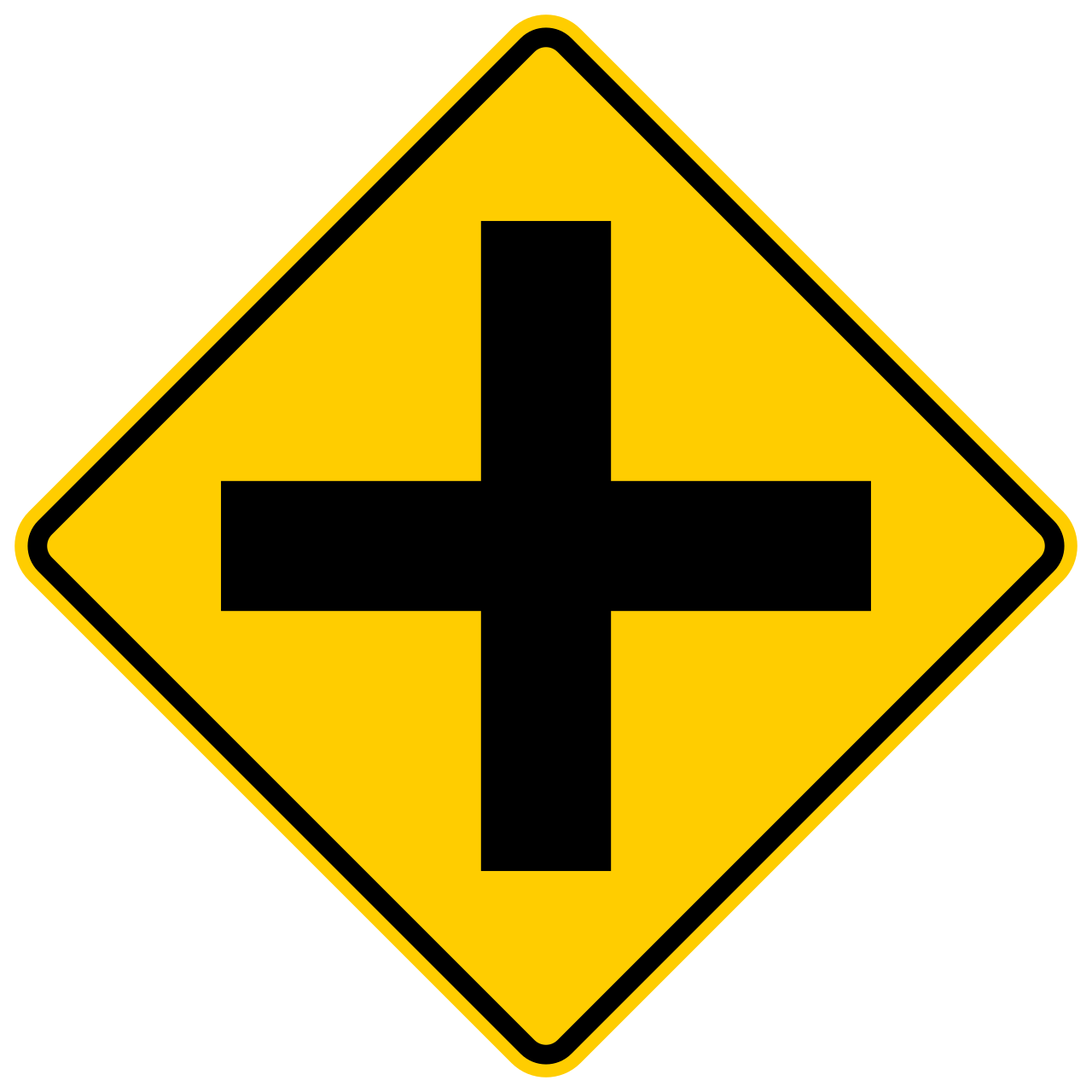 This road sign means:
A
You must turn right
B
Railroad crossing
C
Crossroad ahead
D
4-way stop
This traffic sign indicates: Crossroad ahead. Observing and obeying all roadway signs ensures safe traffic flow and legal driving.
Question 25:
Regulation signs normally are:
A
white triangles.
B
green rectangles.
C
white rectangles.
The correct driving rule is: white rectangles. Following standard DMV road rules and practicing defensive driving ensures safety for all road users.