Pregunta 1:
 Esta señal de tráfico reglamentaria indica que:
A
Los vehículos deben reducir la velocidad y permanecer en el carril derecho.
B
El carril derecho está reservado para autobuses y vehículos compartidos.
C
Los vehículos más lentos que circulan por autopistas de varios carriles deben permanecer en el carril derecho.
Esta señal de tráfico indica: Los vehículos más lentos que circulan por carreteras de varios carriles deben permanecer en el carril derecho. Observar y obedecer todas las señales en la carretera garantiza un flujo de tráfico seguro y una conducción legal.
Pregunta 2:
 Esta señal advierte a los conductores sobre:
A
una reducción de carriles.
B
un chapuzón en el camino. Los conductores deben estar preparados para detenerse si el baño se llena de agua.
C
Más adelante había un puente, lo suficientemente ancho como para dar cabida a dos carriles de tráfico, pero con muy poco espacio libre.
Esta señal de tráfico indica: un puente más adelante, lo suficientemente ancho como para dar cabida a dos carriles de tráfico, pero con muy poco espacio libre. Observar y obedecer todas las señales en la carretera garantiza un flujo de tráfico seguro y una conducción legal.
Pregunta 3:
En intersecciones donde dos o más conductores se detienen ante señales de STOP al mismo tiempo y están en ángulo recto:
A
el conductor de la izquierda debe ceder el paso al conductor de la derecha.
B
el conductor que llega tarde al trabajo tiene el derecho de paso.
C
el conductor de la derecha debe ceder el paso al conductor de la izquierda.
La regla de conducción correcta es: el conductor de la izquierda debe ceder el paso al conductor de la derecha. Seguir las reglas de tránsito estándar del DMV y practicar la conducción defensiva garantiza la seguridad de todos los usuarios de la vía.
Pregunta 4:
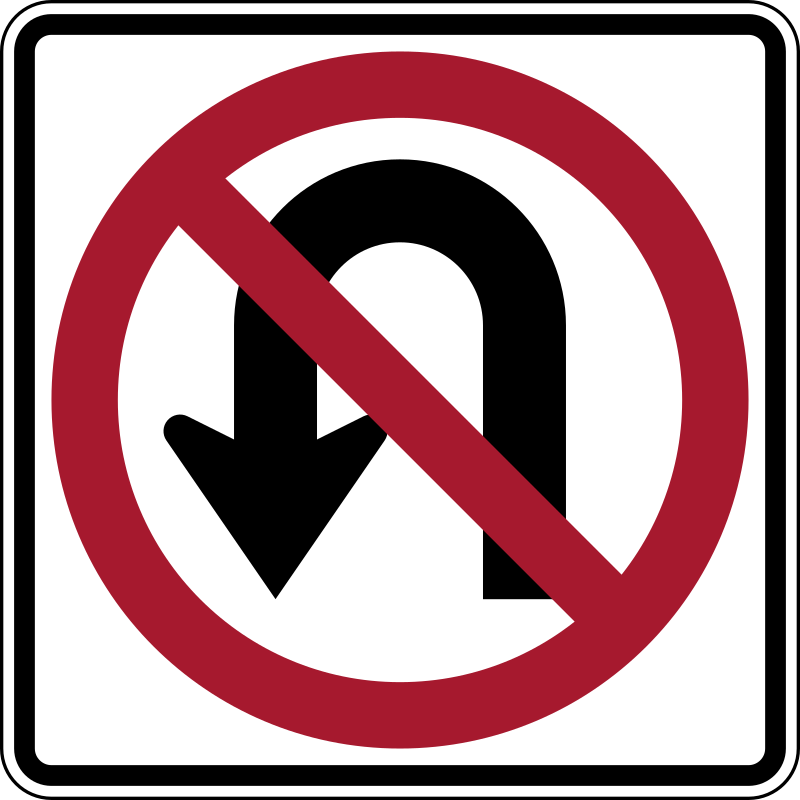 Esta señal de tráfico significa:
A
Sin giro a la izquierda
B
Sin cambio de sentido
C
Desvío adelante
Esta señal de tráfico indica: No hay vuelta en U. Observar y obedecer todas las señales en la carretera garantiza un flujo de tráfico seguro y una conducción legal.
Pregunta 5:
¿Qué forma tiene una señal de límite de velocidad?
A
Redondo
B
Pentágono
C
Rectángulo vertical
Para un control seguro de velocidad y parada: Rectángulo vertical. Ajustar la velocidad para que coincida con la visibilidad y la tracción en la carretera evita la pérdida de agarre de la dirección.
Pregunta 6:
¿Cuál de las siguientes afirmaciones NO es cierta sobre el ABS?
A
Mejora la estabilidad del vehículo.
B
Ayuda a aumentar la distancia de frenado.
C
Mejora la capacidad de dirección.
La regla de conducción correcta es: ayuda a aumentar la distancia de frenado. Seguir las reglas de tránsito estándar del DMV y practicar la conducción defensiva garantiza la seguridad de todos los usuarios de la vía.
Pregunta 7:
Puede estacionarse o detenerse en el arcén de la autopista:
A
si necesita consultar las direcciones en su teléfono inteligente.
B
sólo si tienes una emergencia.
C
si no hay ninguna parte de su vehículo en la carretera.
D
siempre y cuando enciendas las luces intermitentes de emergencia.
Según las normas estándar de estacionamiento y aceras: solo si tiene una emergencia. Respetar las distancias de estacionamiento mantiene las carreteras despejadas y los carriles de emergencia accesibles.
Pregunta 8:
 Esta señal de tráfico significa:
A
Camino equivocado
B
Fusionando tráfico
C
Curva adelante
Esta señal de tránsito indica: Curva adelante. Observar y obedecer todas las señales en la carretera garantiza un flujo de tráfico seguro y una conducción legal.
Pregunta 9:
 Esta señal de tráfico significa:
A
Reduzca la velocidad y ceda el paso al tráfico en la carretera principal al incorporarse
B
Deténgase siempre por completo
C
Reducción de carril más adelante
D
Debe detenerse por completo y ceder el paso
Una señal triangular de Ceda el paso requiere que los conductores reduzcan la velocidad y cedan el paso al resto del tráfico: reduzca la velocidad y ceda el paso al tráfico en la carretera principal al incorporarse. Proceda sólo cuando haya una apertura segura.
Pregunta 10:
Esta señal de tráfico significa:
A
Disminuya la velocidad y esté preparado para detenerse si es necesario
B
Debes detenerte por completo
C
Puede continuar a velocidad normal a través de la intersección
D
Camino equivocado
Esta señal de tránsito indica: reduzca la velocidad y esté preparado para detenerse si es necesario. Observar y obedecer todas las señales en la carretera garantiza un flujo de tráfico seguro y una conducción legal.
Pregunta 11:
__________ limita(n) su concentración, percepción, juicio y memoria.
A
Incluso la más mínima cantidad de alcohol
B
Sólo un nivel de alcohol en sangre superior a .05
C
El alcohol no
D
Sólo un nivel de alcohol en sangre superior al límite legal
La regla de conducción correcta es: Incluso la más mínima cantidad de alcohol. Seguir las reglas de tránsito estándar del DMV y practicar la conducción defensiva garantiza la seguridad de todos los usuarios de la vía.
Pregunta 12:
¿Una señal de tráfico roja significa?
A
No entrar.
B
Detener.
C
Todo lo anterior.
Esta señal alerta a los conductores sobre varios requisitos obligatorios: No entrar, Detener. La ley exige obedecer todas las instrucciones de control de tráfico publicadas.
Pregunta 13:
¿Qué debe hacer si se le bloquea la visión a través del parabrisas?
A
Saque su vehículo de la carretera y estacione.
B
Enciende tus luces de emergencia.
C
Abre la ventana lateral para que puedas ver.
D
Todo lo anterior.
Todos los puntos enumerados son requisitos de conducción esenciales: saque su vehículo de la carretera y estacione; Encienda sus luces de emergencia; Abre la ventana lateral para que puedas ver. Practicar cada uno garantiza el cumplimiento de las leyes de seguridad del DMV.
Pregunta 14:
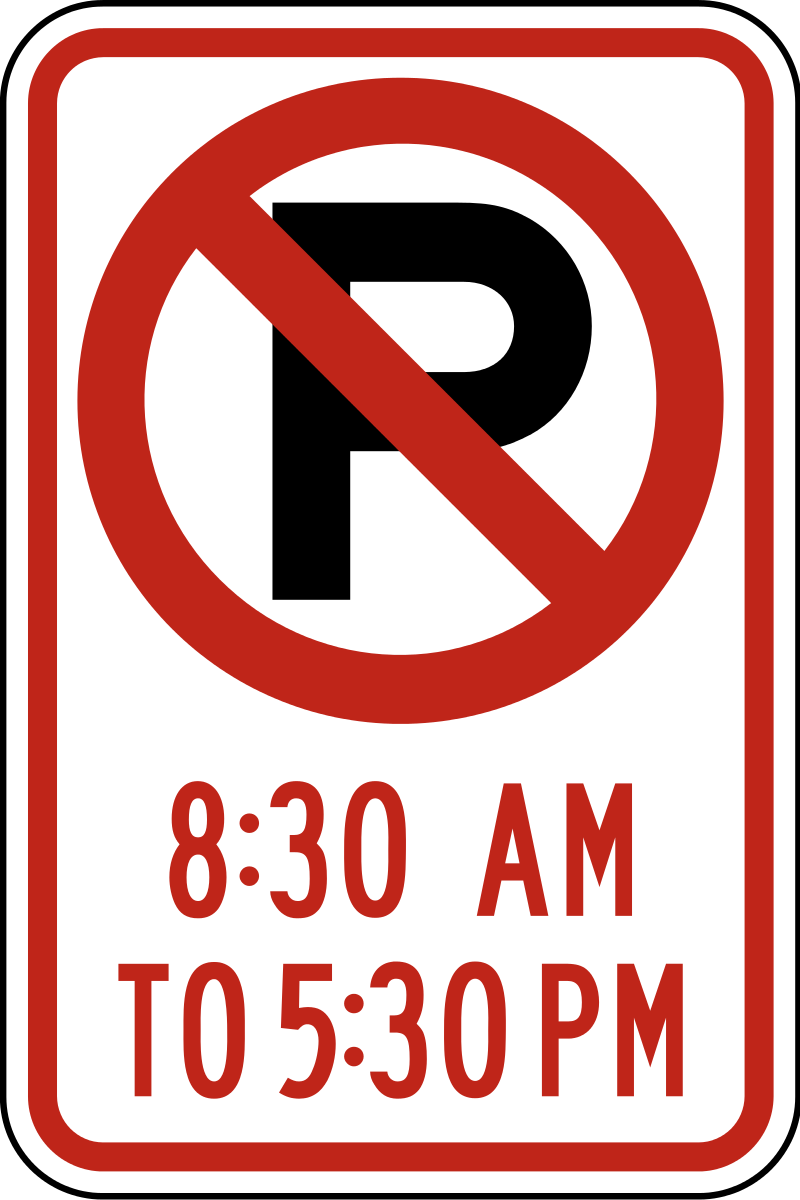 Son las 10 de la mañana. Este letrero te dice que:
A
se le permite estacionar hasta las 5:30 p.m.
B
debe mostrar un permiso especial para poder estacionar aquí.
C
No se le permite estacionar aquí.
Esta señal de tráfico indica: no está permitido aparcar aquí. Observar y obedecer todas las señales en la carretera garantiza un flujo de tráfico seguro y una conducción legal.
Pregunta 15:
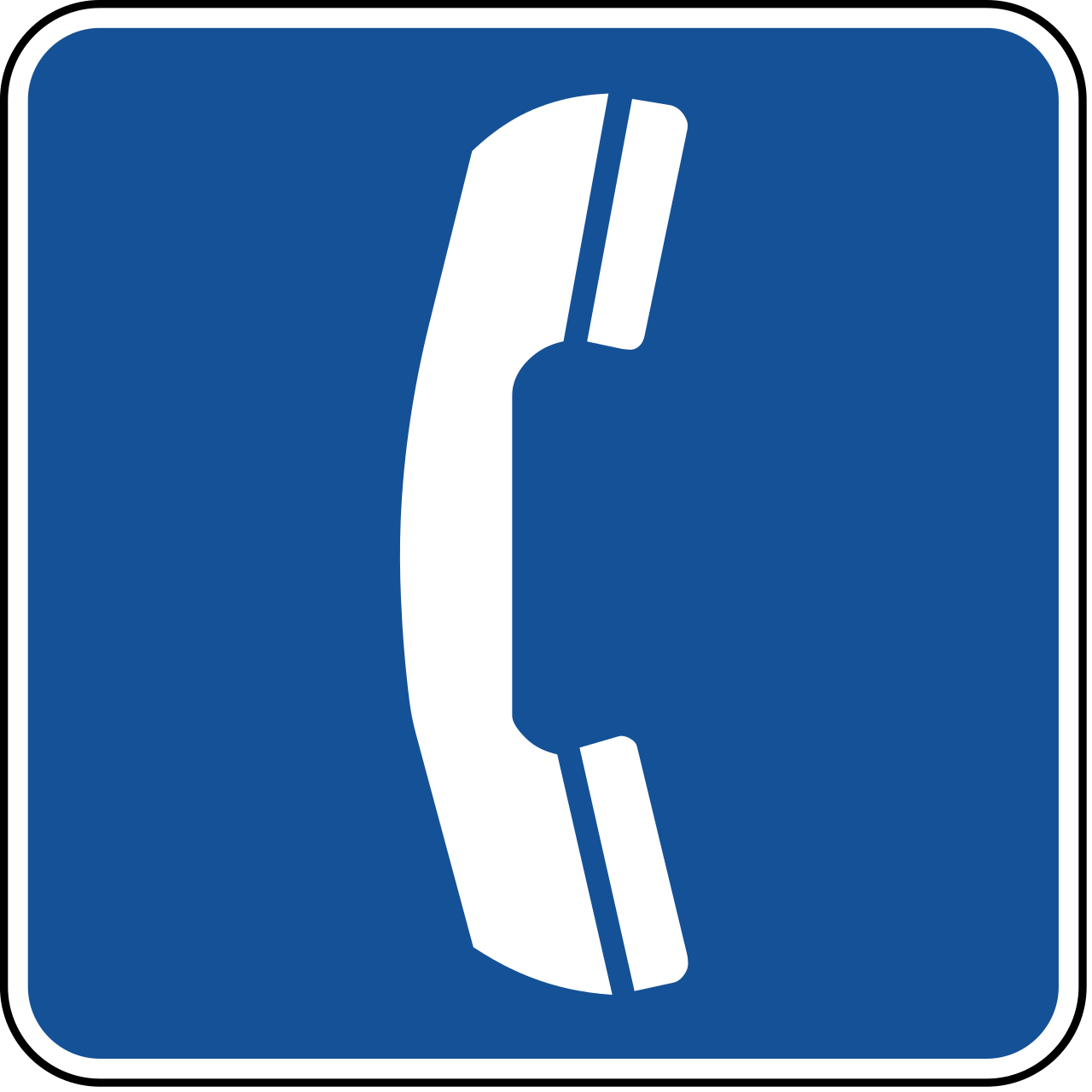 Este signo indica:
A
Servicio telefónico por delante
B
Línea de emergencia disponible
C
Tienda de teléfonos móviles más adelante
Esta señal de tránsito indica: Servicio telefónico más adelante. Observar y obedecer todas las señales en la carretera garantiza un flujo de tráfico seguro y una conducción legal.
Pregunta 16:
Un error común que cometen los conductores es conducir sin descansar lo suficiente.
A
Falso
B
Verdadero
La regla de conducción correcta es: Verdadero. Seguir las reglas de tránsito estándar del DMV y practicar la conducción defensiva garantiza la seguridad de todos los usuarios de la vía.
Pregunta 17:
 Esta señal de tráfico significa:
A
Un camino se une desde la izquierda
B
El camino más adelante gira bruscamente a la derecha y luego a la izquierda
C
Giro cerrado a la derecha
D
Camino sinuoso por delante
Esta señal de tráfico indica: La carretera más adelante gira bruscamente a la derecha y luego a la izquierda. Observar y obedecer todas las señales en la carretera garantiza un flujo de tráfico seguro y una conducción legal.
Pregunta 18:
Los conductores pueden pasar por una intersección con una señal de alto, pero sin línea de alto ni cruce de peatones:
A
después de reducir la velocidad a al menos 15 MPH antes de continuar.
B
después de detenerse por completo, cuando sea seguro continuar.
C
después de detenerse al menos 50 pies antes de la intersección.
D
después de reducir la velocidad para asegurarse de que no haya tráfico cruzado.
Los conductores siempre deben ceder el paso a los peatones que cruzan en intersecciones y cruces peatonales: después de detenerse por completo, cuando sea seguro continuar. Deténgase y permítales despejar el carril de manera segura.
Pregunta 19:
Es importante que los conductores sepan que los camiones:
A
son más fáciles de manejar para el conductor.
B
requieren más espacio para los movimientos de giro.
C
tardan más que los coches en detenerse.
D
requieren menos tiempo para adelantar en una pendiente que los automóviles.
La regla de conducción correcta es: tardar más que los coches en detenerse. Seguir las reglas de tránsito estándar del DMV y practicar la conducción defensiva garantiza la seguridad de todos los usuarios de la vía.
Pregunta 20:
Cuando los conductores ven la señal de "Camino equivocado":
A
van en sentido contrario en una rampa de salida de la autopista.
B
deben pasar esta señal y llegar a la siguiente intersección.
C
no deben abandonar la acera excepto en caso de emergencia.
La regla de conducción correcta es: van en sentido contrario en una rampa de salida de la autopista. Seguir las reglas de tránsito estándar del DMV y practicar la conducción defensiva garantiza la seguridad de todos los usuarios de la vía.
Pregunta 21:
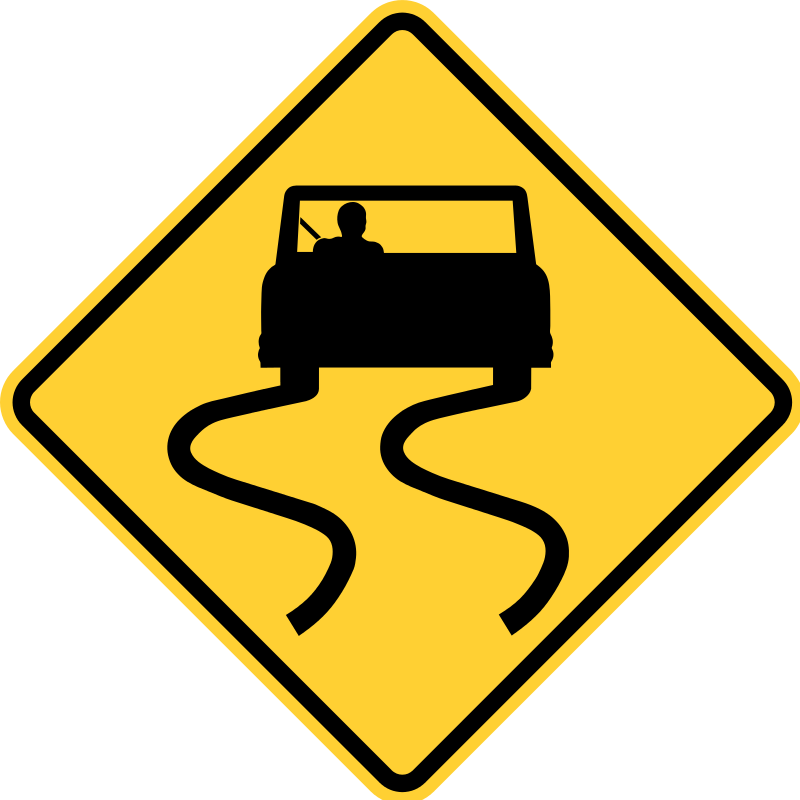 Este signo significa:
A
La carretera girará a la derecha y luego a la izquierda.
B
Camino resbaladizo cuando está mojado. Conduce despacio.
C
Camino sinuoso por delante. Conduce con precaución.
Esta señal de tránsito indica: Carretera resbaladiza cuando está mojada. Conduce despacio. Observar y obedecer todas las señales en la carretera garantiza un flujo de tráfico seguro y una conducción legal.
Pregunta 22:
Conduzca por debajo del límite de velocidad indicado cuando:
A
cualquier cosa hace que las condiciones no sean perfectas.
B
Estás en una carretera de cuatro carriles.
C
entrar en una carretera donde hay otros coches.
D
otros conducen por debajo del límite de velocidad.
Para una velocidad segura y control de frenado: cualquier cosa hace que las condiciones no sean perfectas. Ajustar la velocidad para que coincida con la visibilidad y la tracción en la carretera evita la pérdida de agarre de la dirección.
Pregunta 23:
Se considera que los conductores menores de 21 años conducen bajo los efectos del alcohol si su concentración de alcohol en sangre (BAC) es:
A
.10% o más.
B
.05% o más.
C
.08% o más.
D
.02% o más.
Según las leyes estatales de DUI y seguridad vial: 0,02% o más. El alcohol degrada el juicio, ralentiza los tiempos de reacción y distorsiona la percepción de profundidad.
Pregunta 24:
Mientras conduce por la autopista, asegúrese de:
A
cortas los vehículos detrás de ti cuando cambias de carril.
B
para señalar todos los cambios de carril.
C
su señal direccional se apaga antes de cambiar de carril.
La regla de conducción correcta es: señalar todos los cambios de carril. Seguir las reglas de tránsito estándar del DMV y practicar la conducción defensiva garantiza la seguridad de todos los usuarios de la vía.
Pregunta 25:
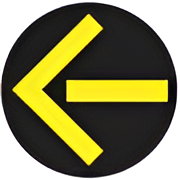 ¿Qué significa una señal de flecha amarilla?
A
Lo mismo que la luz amarilla, pero se aplica sólo al movimiento en la dirección de la flecha.
B
Lo mismo que una luz verde.
C
Los vehículos que circulan en todas direcciones deben detenerse si pueden. El semáforo pronto estará en rojo.
Las leyes estatales exigen señalar su intención: lo mismo que la luz amarilla, pero se aplica solo al movimiento en la dirección de la flecha. Señale al menos 100 pies antes de girar o cambiar de carril.