Question 1:
What should you do if your vision through the windshield becomes blocked?
A
Pull your vehicle off the road and park it.
B
Turn on your emergency lights.
C
Open the side window so you can see.
D
All of the above.
All of the listed points are essential driving requirements: Pull your vehicle off the road and park it; Turn on your emergency lights; Open the side window so you can see. Practicing each ensures compliance with DMV safety laws.
Question 2:
As you drive on the expressway, make sure:
A
you cut off vehicles behind you when you change lanes.
B
to signal all lane changes.
C
your directional signal goes off before you change lanes.
The correct driving rule is: to signal all lane changes. Following standard DMV road rules and practicing defensive driving ensures safety for all road users.
Question 3:
If another car is in danger of hitting you, you should:
A
flash your brake lights.
B
sound your horn.
C
use your emergency lights.
D
flash your headlights.
The correct driving rule is: sound your horn. Following standard DMV road rules and practicing defensive driving ensures safety for all road users.
Question 4:
Alcohol causes:
A
poor judgment.
B
loss of concentration.
C
reduced perception.
D
All of the above.
Alcohol and impairing substances degrade all critical driving functions: poor judgment; loss of concentration; reduced perception. Driving while impaired carries severe criminal and safety penalties.
Question 5:
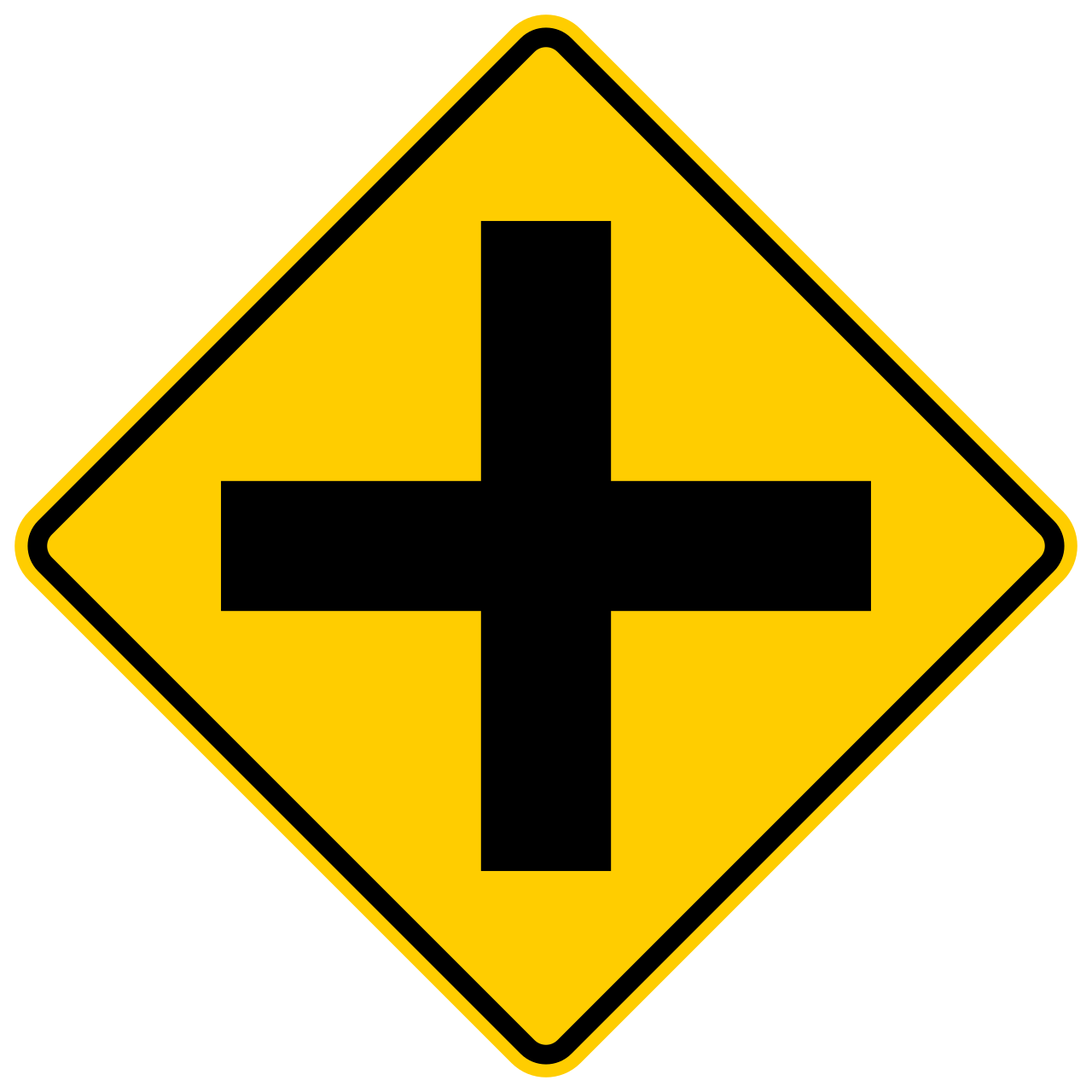 This sign indicates:
A
a side road.
B
a cross road.
C
a church zone ahead.
This traffic sign indicates: a cross road. Observing and obeying all roadway signs ensures safe traffic flow and legal driving.
Question 6:
 This is the shape and color of a ________ sign.
A
yield
B
stop
C
do not enter
The correct driving rule is: yield. Following standard DMV road rules and practicing defensive driving ensures safety for all road users.
Question 7:
___________ are green with white letters and symbols.
A
Warning signs
B
Destination signs (guide signs)
C
Regulation signs (regulatory signs)
The correct driving rule is: Destination signs (guide signs). Following standard DMV road rules and practicing defensive driving ensures safety for all road users.
Question 8:
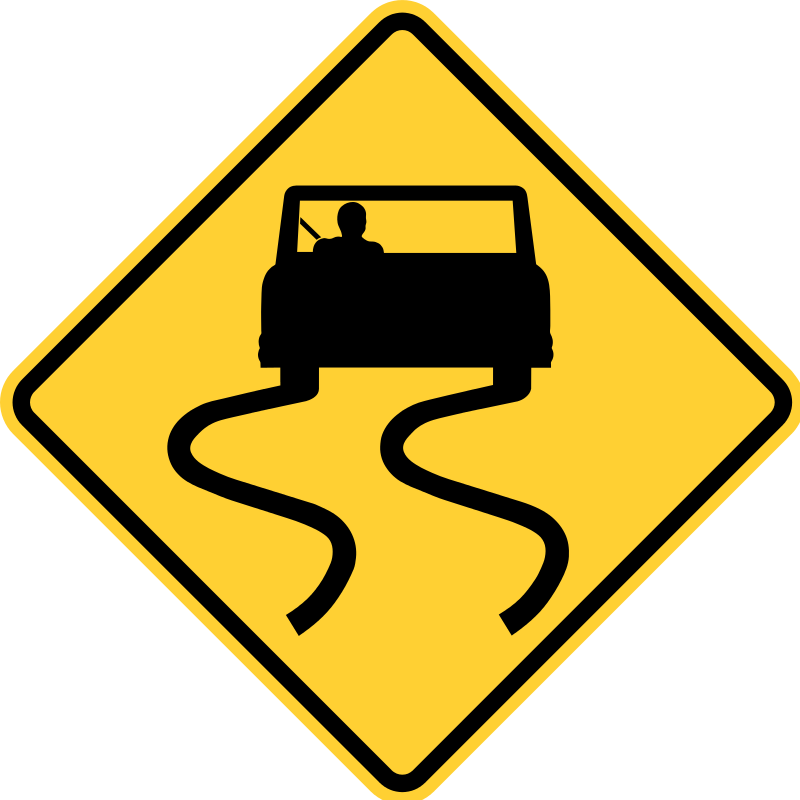 This sign indicates:
A
Warning: drunk drivers.
B
Winding road. Drive with caution.
C
The road may be slippery when wet. Drive slowly.
This traffic sign indicates: The road may be slippery when wet. Drive slowly. Observing and obeying all roadway signs ensures safe traffic flow and legal driving.
Question 9:
If an intersection has crosswalk lines but no STOP line, where must you stop for a red light?
A
After the crosswalk.
B
Before the stop line.
C
Before the crosswalk.
Drivers must always yield the right-of-way to pedestrians crossing at intersections and crosswalks: Before the crosswalk. Stop and allow them to clear the lane safely.
Question 10:
_________________ your mirrors when you prepare to change lanes.
A
Never depend on
B
Never use
C
Always rely on
The correct driving rule is: Never depend on. Following standard DMV road rules and practicing defensive driving ensures safety for all road users.
Question 11:
This road sign means:
A
You must come to a complete stop
B
Do not enter
C
Slow down, stop if necessary and yield the right-of-way
D
Merging traffic
A triangular Yield sign requires drivers to slow down and give right-of-way to other traffic: slow down, stop if necessary and yield the right-of-way. Proceed only when there is a safe opening.
Question 12:
 This road sign means:
A
Railroad Crossing
B
One Way
C
Limited parking
Circular signs with an 'X' and 'RR' designate a Railroad Advance Warning: Railroad Crossing. Drivers must slow down, look both ways, listen for trains, and be prepared to stop.
Question 13:
When you need to enter a freeway exit ramp:
A
don't slow down on the freeway itself. Wait until you are in the deceleration lane.
B
pass slower vehicles on the right.
C
slow down before entering the exit ramp.
D
don't slow down on the freeway itself, and maintain your speed once in the exit ramp.
Defensive driving guidelines state that: don't slow down on the freeway itself. Wait until you are in the deceleration lane. Anticipating road hazards and communicating maneuvers keeps traffic predictable and safe.
Question 14:
If you drink alcohol socially, what helps insure safe driving?
A
Stop drinking one hour before driving.
B
Drink coffee before driving.
C
Take a cold shower before driving.
D
Ride home with a friend who has not been drinking.
Under state DUI and traffic safety laws: Ride home with a friend who has not been drinking. Alcohol degrades judgment, slows reaction times, and distorts depth perception.
Question 15:
What is the meaning of orange traffic signs?
A
Yield.
B
Warning of school, pedestrian, and bicycling activity.
C
Construction and maintenance warning.
The correct driving rule is: Construction and maintenance warning. Following standard DMV road rules and practicing defensive driving ensures safety for all road users.
Question 16:
 Vertical rectangles tell drivers:
A
the law.
B
what is not allowed.
C
the direction they should travel.
The correct driving rule is: the law. Following standard DMV road rules and practicing defensive driving ensures safety for all road users.
Question 17:
To check your blind spot before changing lanes:
A
look into the right side mirror.
B
look into the rearview mirror.
C
look over your shoulder in the direction you plan to move.
D
look into the left side mirror.
Large commercial trucks have extensive blind spots on all four sides called the 'No-Zone': look over your shoulder in the direction you plan to move. If you cannot see the truck driver in their side mirrors, they cannot see you.
Question 18:
When you pass another vehicle, before you return to the right lane, you must:
A
look at your interior rear-view mirror.
B
signal.
C
All of the above.
All of the listed points are essential driving requirements: look at your interior rear-view mirror; signal. Practicing each ensures compliance with DMV safety laws.
Question 19:
Examples of proper glass maintenance include:
A
Replacing worn wiper blades.
B
Keeping your windows clean and clear.
C
All of the above.
All of the listed points are essential driving requirements: Replacing worn wiper blades; Keeping your windows clean and clear. Practicing each ensures compliance with DMV safety laws.
Question 20:
You face a green light, but traffic on the other side of the intersection does not allow you to travel all the way through the intersection. What must you do?
A
Enter the intersection and wait until traffic ahead clears.
B
Wait for the next green light.
C
Wait until traffic ahead clears, so you do not block the intersection.
According to standard right-of-way regulations: wait until traffic ahead clears, so you do not block the intersection. Yielding appropriately prevents intersection collisions and maintains safe traffic flow.
Question 21:
What do pennant-shaped signs indicate?
A
A school crossing
B
Yield
C
A No Passing Zone
The correct driving rule is: A No Passing Zone. Following standard DMV road rules and practicing defensive driving ensures safety for all road users.
Question 22:
Following another vehicle too closely is known as:
A
speedgating.
B
closetailing.
C
tailgating.
The correct driving rule is: tailgating. Following standard DMV road rules and practicing defensive driving ensures safety for all road users.
Question 23:
 A flashing red light:
A
is used at dangerous intersections.
B
means the same thing as a stop sign.
C
All of the above.
Safe navigation at intersections requires following all established rules: is used at dangerous intersections; means the same thing as a stop sign. Always yield right-of-way properly to prevent collisions.
Question 24:
When two cars arrive at an intersection with no signs or signals at the same time, which car has the right-of-way?
A
The car that is traveling faster.
B
The car approaching from the right.
C
The car approaching from the left.
D
The car in which the driver sounds the horn.
According to standard right-of-way regulations: The car approaching from the right. Yielding appropriately prevents intersection collisions and maintains safe traffic flow.
Question 25:
Service signs are ____ with ____ letters and symbols.
A
blue; white
B
white; black
C
green; white
The correct driving rule is: blue; white. Following standard DMV road rules and practicing defensive driving ensures safety for all road users.
Question 26:
 This sign warns that:
A
traffic must merge left.
B
the bridge ahead is wide enough for only one vehicle at a time.
C
traffic must merge right.
This traffic sign indicates: traffic must merge left. Observing and obeying all roadway signs ensures safe traffic flow and legal driving.
Question 27:
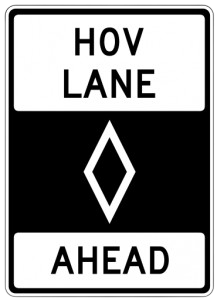 This road sign indicates that:
A
a lane is reserved for certain purposes or certain vehicles.
B
buses and car pools may not travel in the restricted lane.
C
vehicles cannot go straight ahead. Cars must turn either to the right or left.
This traffic sign indicates: a lane is reserved for certain purposes or certain vehicles. Observing and obeying all roadway signs ensures safe traffic flow and legal driving.
Question 28:
Drivers must be prepared for anything coming up in the road ahead. They should:
A
scan the road for traffic conditions and possible hazards.
B
drive with the right foot resting lightly on the brake pedal.
C
stare straight ahead at all times.
D
maintain focus toward the left of the road.
The correct driving rule is: scan the road for traffic conditions and possible hazards. Following standard DMV road rules and practicing defensive driving ensures safety for all road users.
Question 29:
Unlike passenger cars, trucks have blind spots:
A
on the right.
B
directly behind them.
C
on the front.
The correct driving rule is: directly behind them. Following standard DMV road rules and practicing defensive driving ensures safety for all road users.
Question 30:
What is a likely effect when you take another drug while you drink alcohol?
A
The effects of the alcohol and the drug are enhanced.
B
There are no effects, unless the drug is prescription only.
C
If the drug is over-the-counter, there are no effects.
Under state DUI and traffic safety laws: The effects of the alcohol and the drug are enhanced. Alcohol degrades judgment, slows reaction times, and distorts depth perception.