Question 1:
Your first response to reduced visibility should be:
A
to look for road edge markings to guide you.
B
to turn on your windshield wipers.
C
to reduce your speed.
D
to turn on your headlights.
The correct driving rule is: to reduce your speed. Following standard DMV road rules and practicing defensive driving ensures safety for all road users.
Question 2:
When in a motor vehicle on a highway, it is:
A
illegal to drink from, but permissible to transport, open containers of alcohol in the passenger compartment.
B
illegal to possess an open container of alcohol in the passenger compartment.
C
acceptable to drink alcoholic beverages if you are not driving.
D
permissible to drink a moderate amount of alcohol when driving with a passenger.
Defensive driving guidelines state that: illegal to possess an open container of alcohol in the passenger compartment. Anticipating road hazards and communicating maneuvers keeps traffic predictable and safe.
Question 3:
Are bicyclists required to obey traffic laws and signs?
A
No, bicyclists are considered pedestrians when it comes to the rules of the road.
B
Yes.
C
Yes, but only if they are riding in a bicycle lane.
The correct driving rule is: Yes. Following standard DMV road rules and practicing defensive driving ensures safety for all road users.
Question 4:
 This road sign means:
A
A road joins from the left
B
The road ahead turns sharply right then sharply left
C
Sharp right turn
D
Winding road ahead
This traffic sign indicates: The road ahead turns sharply right then sharply left. Observing and obeying all roadway signs ensures safe traffic flow and legal driving.
Question 5:
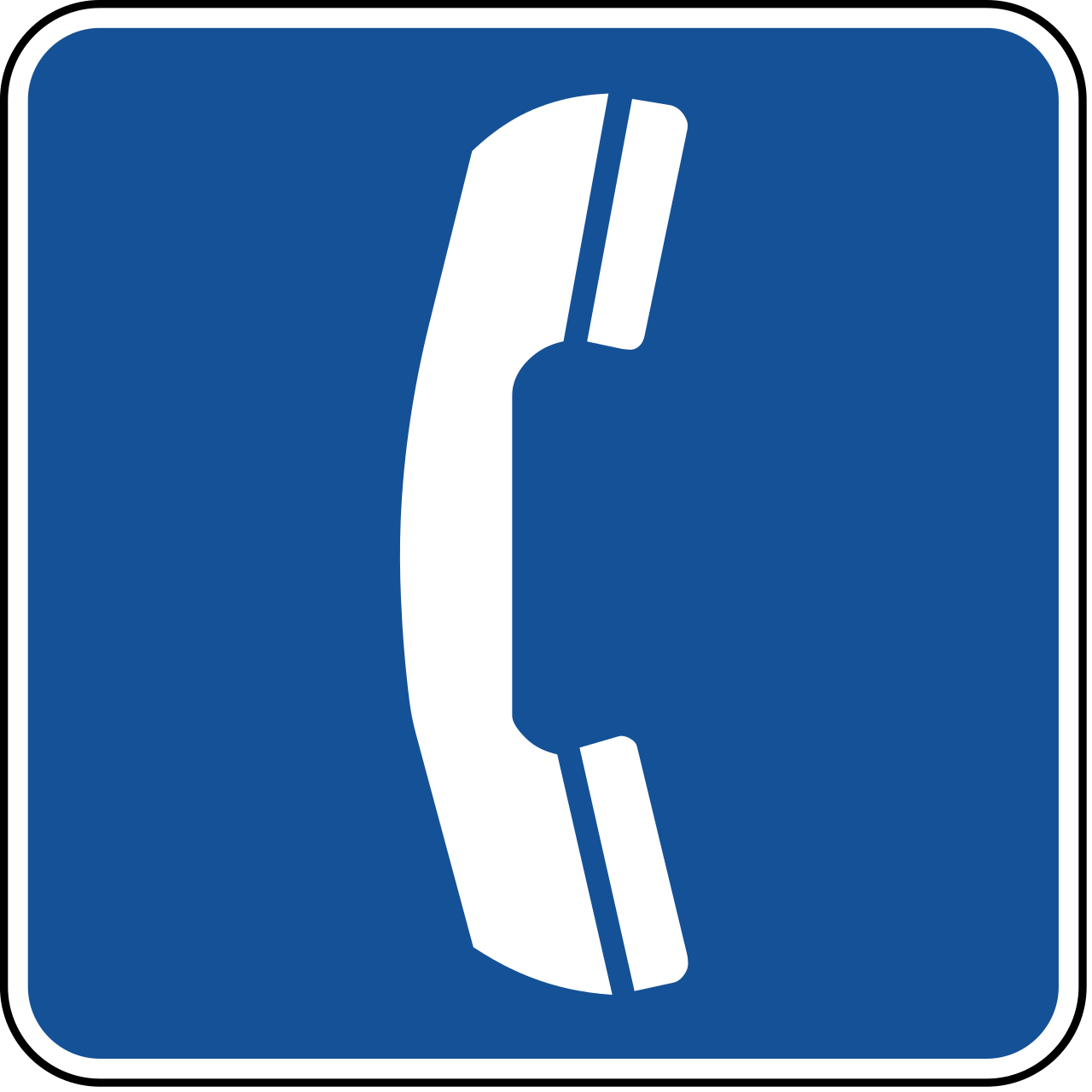 This sign indicates:
A
Phone service ahead
B
Emergency line available
C
Cell phone shop ahead
This traffic sign indicates: Phone service ahead. Observing and obeying all roadway signs ensures safe traffic flow and legal driving.
Question 6:
When driving in travel lanes on the roadway:
A
you may make a U-turn if you get on the wrong entrance ramp of the freeway.
B
you may stop to let out passengers.
C
do not stop for any reason, keep moving until you can safely pull off the road.
D
you may make back up quickly if there are no vehicles behind.
The correct driving rule is: do not stop for any reason, keep moving until you can safely pull off the road. Following standard DMV road rules and practicing defensive driving ensures safety for all road users.
Question 7:
If your turn signals fail, you should use _____ to indicate your intention to turn.
A
your emergency flashers
B
your horn
C
your high beams
D
hand signals
The correct driving rule is: hand signals. Following standard DMV road rules and practicing defensive driving ensures safety for all road users.
Question 8:
Drivers under 21 years of age are considered to be driving under the influence if their blood alcohol concentration (BAC) is:
A
.10% or higher.
B
.05% or higher.
C
.08% or higher.
D
.02% or higher.
Under state DUI and traffic safety laws: .02% or higher. Alcohol degrades judgment, slows reaction times, and distorts depth perception.
Question 9:
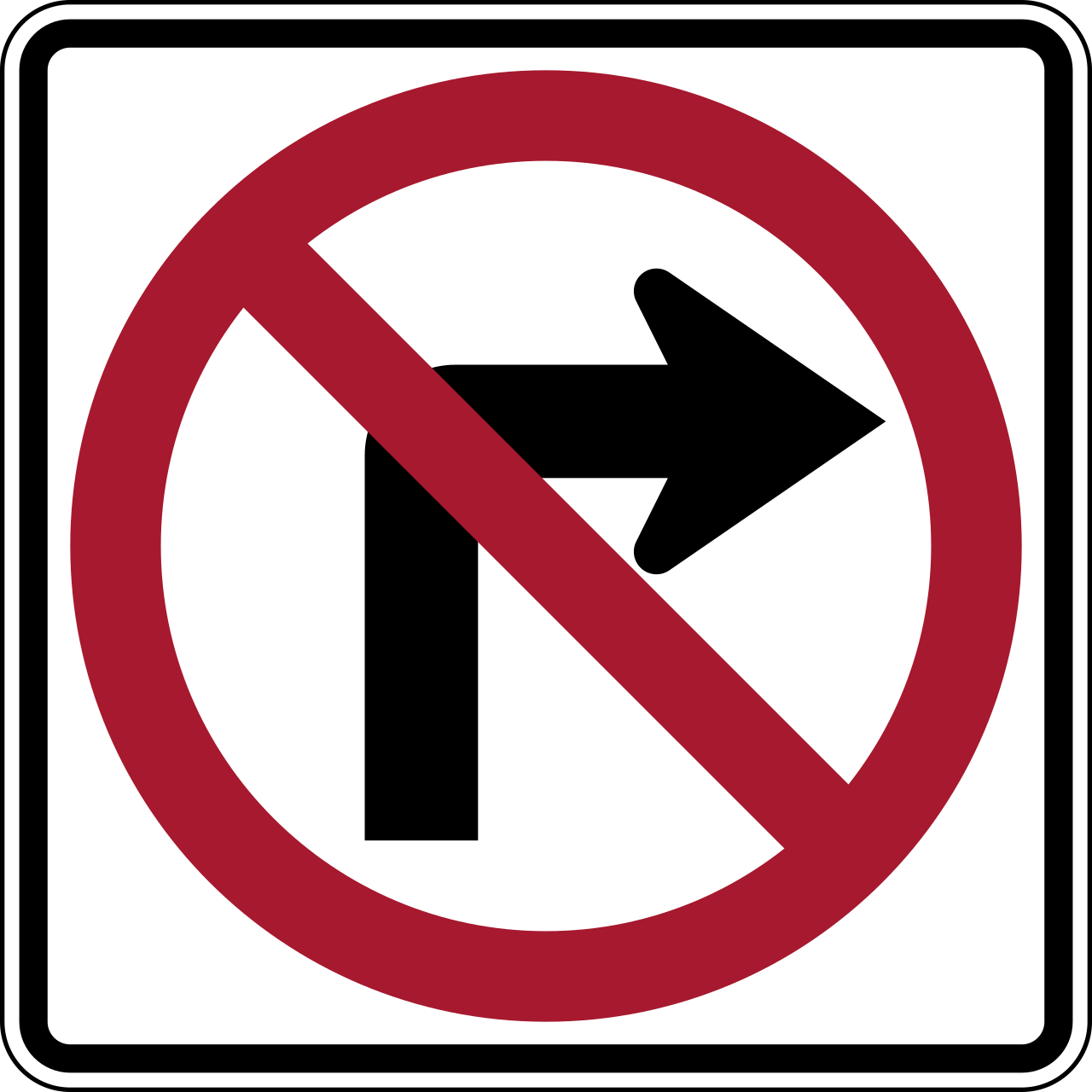 This road sign means:
A
Right turn permitted on red light
B
Drivers must turn right
C
No U-turns
D
No right turn permitted
This traffic sign indicates: No right turn permitted. Observing and obeying all roadway signs ensures safe traffic flow and legal driving.
Question 10:
At intersections where two or more drivers stop at STOP signs at the same time and they are at right angles:
A
the driver on the left must yield to the driver on the right.
B
the driver who is late for work has the right-of-way.
C
the driver on the right must yield to the driver on the left.
The correct driving rule is: the driver on the left must yield to the driver on the right. Following standard DMV road rules and practicing defensive driving ensures safety for all road users.
Question 11:
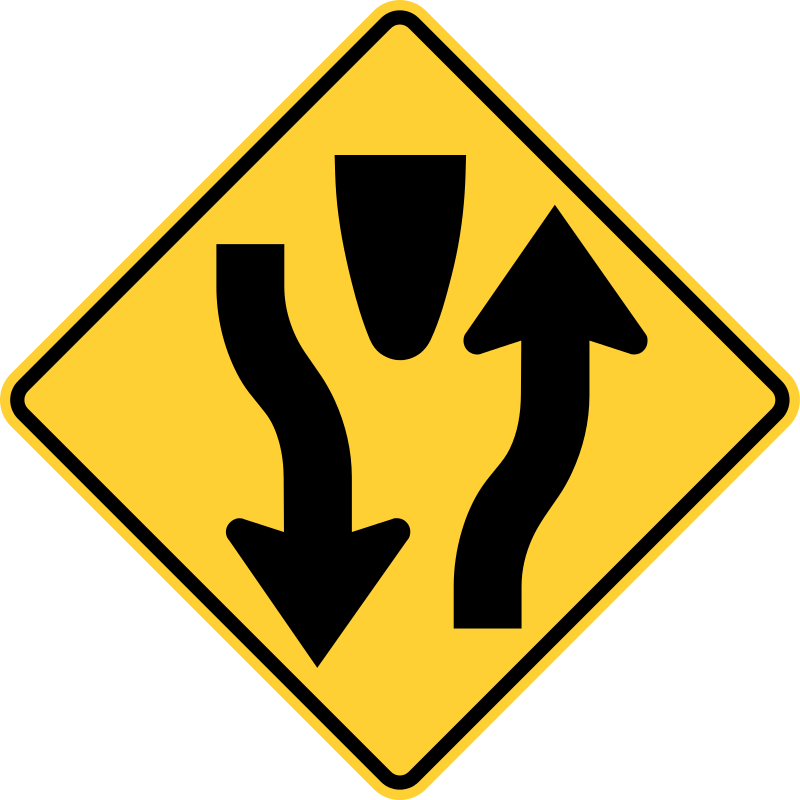 This road sign means:
A
Divided highway ahead - stay to the right
B
Do not enter
C
Do not pass
This traffic sign indicates: Divided highway ahead - stay to the right. Observing and obeying all roadway signs ensures safe traffic flow and legal driving.
Question 12:
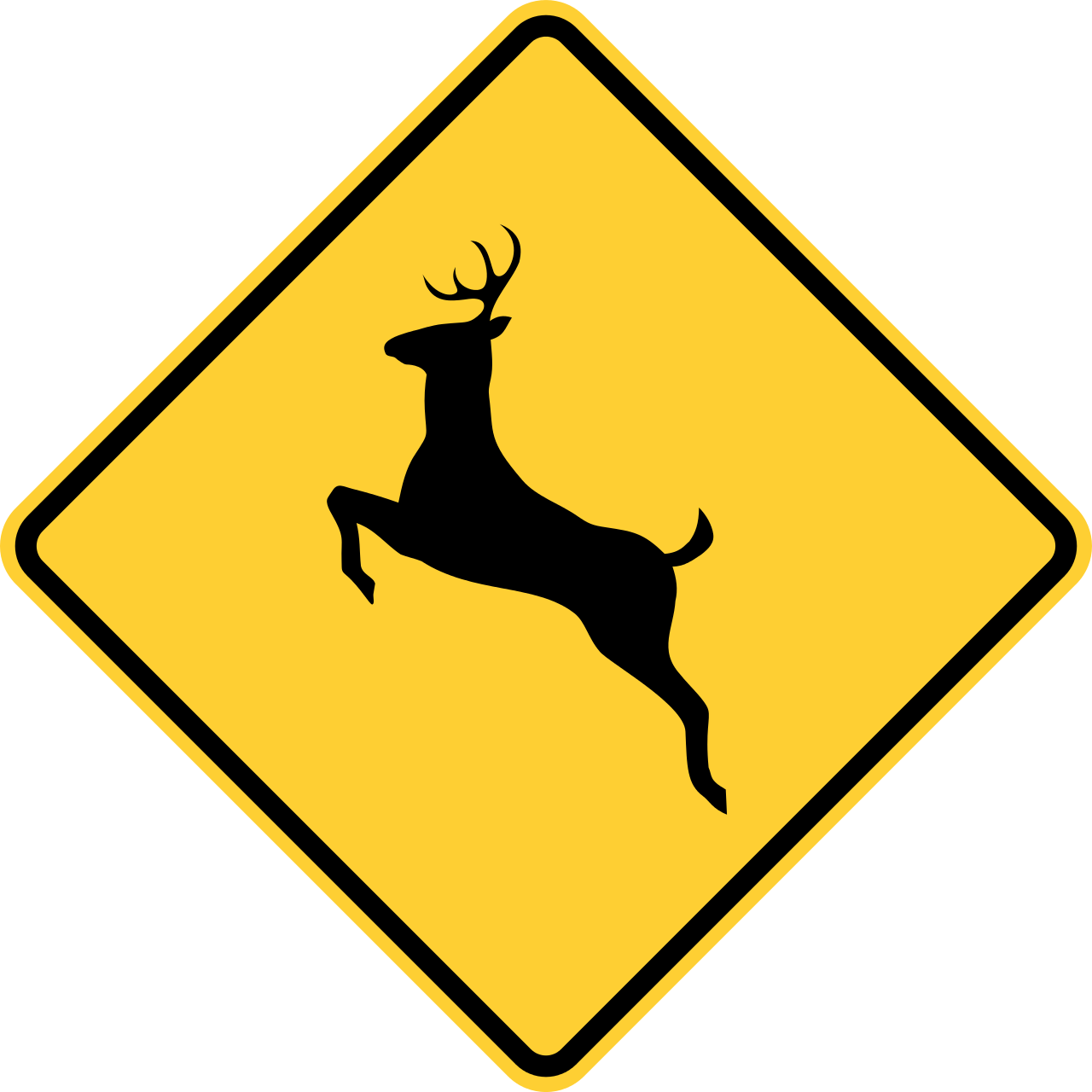 When they see this road sign, drivers should:
A
drive carefully because the animal pictured on the sign is extremely rare in the area.
B
watch for this species crossing the road.
C
park in the zoo area.
This traffic sign indicates: watch for this species crossing the road. Observing and obeying all roadway signs ensures safe traffic flow and legal driving.
Question 13:
If you stop along the road at night:
A
turn on your emergency flashers and leave your low beams on.
B
turn off your emergency lights and leave your high beams on.
C
turn on your headlights only.
D
turn off all your lights.
The correct driving rule is: turn on your emergency flashers and leave your low beams on. Following standard DMV road rules and practicing defensive driving ensures safety for all road users.
Question 14:
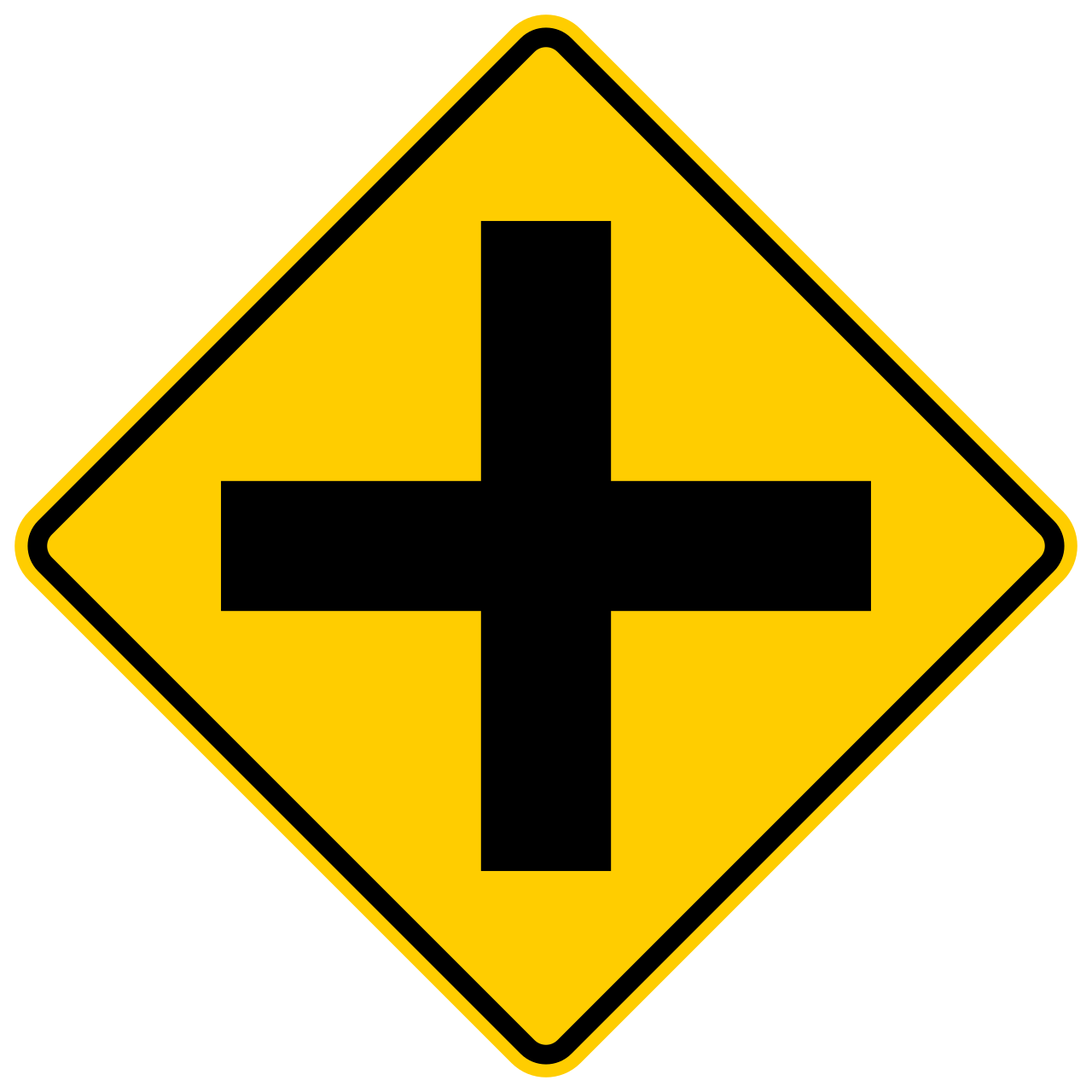 This road sign means:
A
Church ahead
B
Intersection ahead
C
Do not enter
D
Side road
This traffic sign indicates: Intersection ahead. Observing and obeying all roadway signs ensures safe traffic flow and legal driving.
Question 15:
Destination signs are ______ with ____ letters and symbols.
A
green; white
B
blue; white
C
white; black
The correct driving rule is: green; white. Following standard DMV road rules and practicing defensive driving ensures safety for all road users.
Question 16:
When children are close, what should you do before you back out of a driveway?
A
Rely on your mirrors.
B
Get out of the car and check behind the car.
C
Look through your back window for children.
The correct driving rule is: Get out of the car and check behind the car. Following standard DMV road rules and practicing defensive driving ensures safety for all road users.
Question 17:
 What does the flashing signal in the picture indicate?
A
The same thing as a stop sign.
B
Pedestrians should finish crossing the street if started.
C
Pedestrians should start crossing the street.
State laws require signaling your intention: pedestrians should finish crossing the street if started. Signal at least 100 feet before making a turn or changing lanes.
Question 18:
When parking on a public road, drivers should:
A
move as far away from traffic as possible.
B
always park on the left side of the roadway.
C
All of the above.
Under standard parking and curb regulations: move as far away from traffic as possible. Following parking distance clearances keeps roadways unobstructed and emergency lanes accessible.
Question 19:
 This sign means:
A
Not enter
B
Detour to the right
C
The road to the right is for one-way traffic only
This traffic sign indicates: Detour to the right. Observing and obeying all roadway signs ensures safe traffic flow and legal driving.
Question 20:
If an approaching driver does not dim the headlights, you should:
A
move your eyes to the left to help avoid the glare of approaching high beams.
B
move your eyes to the right and avoid looking directly at the bright lights.
C
flash your headlights to low beam for a second, then return to high beam.
The correct driving rule is: move your eyes to the right and avoid looking directly at the bright lights. Following standard DMV road rules and practicing defensive driving ensures safety for all road users.
Question 21:
 This road sign means:
A
Yield the right-of-way to oncoming vehicles
B
Stop if necessary
C
You must make a complete stop
D
Slow down or stop
An octagonal Stop sign requires a full and complete stop before the stop line or crosswalk: you must make a complete stop. Proceed only after yielding to all cross traffic and pedestrians.
Question 22:
________ is the only effective way to reduce your Blood Alcohol Content (BAC).
A
Time
B
Drinking coffee
C
Taking a cold shower
D
Eating food
Under state DUI and traffic safety laws: Time. Alcohol degrades judgment, slows reaction times, and distorts depth perception.
Question 23:
If you are pulled over by law enforcement, you should:
A
stay in the driver’s seat with both hands clearly in sight on the steering wheel.
B
unbuckle your seat belt and lower your window.
C
get out of your vehicle and walk toward the patrol car.
D
turn off on your interior light if stopped at night.
The correct driving rule is: stay in the driver’s seat with both hands clearly in sight on the steering wheel. Following standard DMV road rules and practicing defensive driving ensures safety for all road users.
Question 24:
 This sign warns ____________ ahead.
A
of two-way traffic
B
of a reduction of lanes
C
that a divided highway ends
This traffic sign indicates: of two-way traffic. Observing and obeying all roadway signs ensures safe traffic flow and legal driving.
Question 25:
 This road sign means:
A
Slow down and be prepared to stop if necessary
B
You must come to a complete stop
C
You may proceed at regular speed through the intersection
D
Wrong Way
This traffic sign indicates: slow down and be prepared to stop if necessary. Observing and obeying all roadway signs ensures safe traffic flow and legal driving.
Question 26:
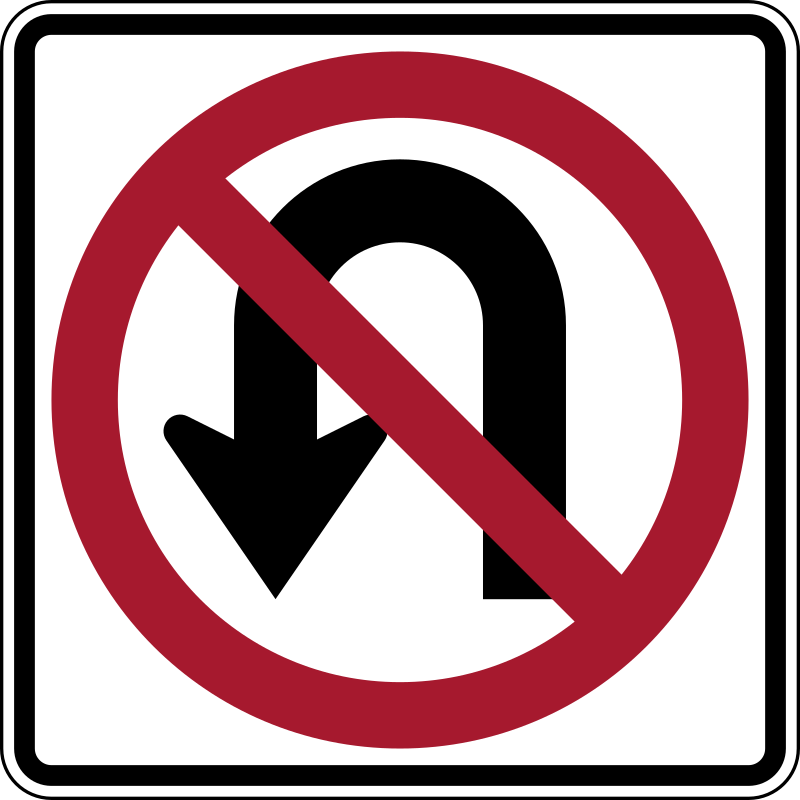 This road sign means:
A
Left turns are not allowed where this sign is displayed.
B
Drivers cannot make a complete turn to go in the opposite direction.
C
Vehicles turning left must make a U-turn.
This traffic sign indicates: drivers cannot make a complete turn to go in the opposite direction. Observing and obeying all roadway signs ensures safe traffic flow and legal driving.
Question 27:
What is the first thing you should do if your wheels move off the pavement?
A
Pull the steering wheel back.
B
Pull over to the right and sound your horn to warn the other drivers.
C
Ease your foot off the gas pedal and brake gently.
The correct driving rule is: Ease your foot off the gas pedal and brake gently. Following standard DMV road rules and practicing defensive driving ensures safety for all road users.
Question 28:
On average, how long does it take your body to remove the alcohol contained in 5 ounces of wine?
A
one hour.
B
30 minutes.
C
3 hours.
Under state DUI and traffic safety laws: one hour. Alcohol degrades judgment, slows reaction times, and distorts depth perception.
Question 29:
Two motorcyclists are allowed to:
A
ride side-by-side in a single lane.
B
share the lane with another vehicle.
C
race on empty roads.
The correct driving rule is: ride side-by-side in a single lane. Following standard DMV road rules and practicing defensive driving ensures safety for all road users.
Question 30:
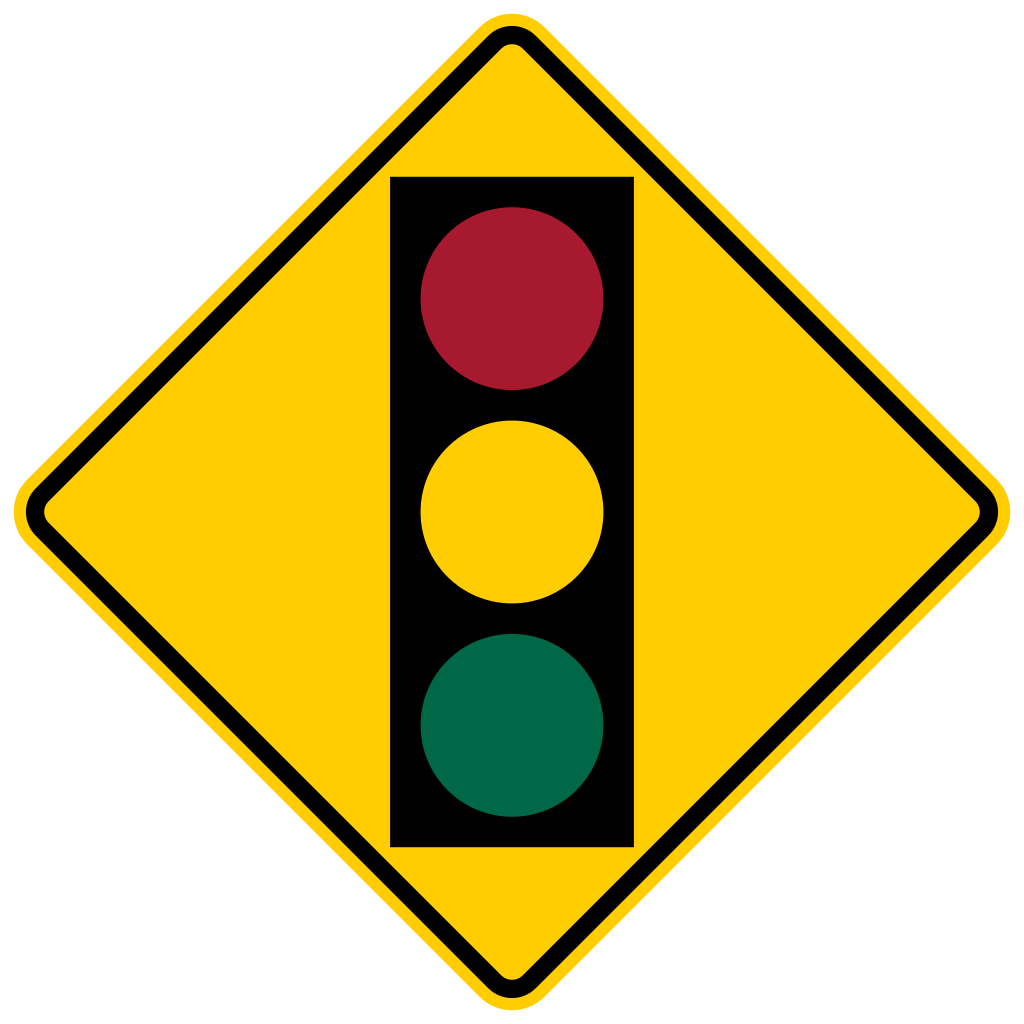 This sign means:
A
No traffic signal ahead
B
Traffic signal ahead
C
Open intersection ahead
This traffic sign indicates: traffic signal ahead. Observing and obeying all roadway signs ensures safe traffic flow and legal driving.