Question 1:
If the entrance lane is too short to allow acceleration to expressway speed, you should:
A
stop and wait for a large space in traffic.
B
enter the expressway and accelerate quickly.
C
reduce your speed to 15 MPH or less and blend with traffic.
For safe speed and stopping control: stop and wait for a large space in traffic. Adjusting speed to match visibility and road traction prevents loss of steering grip.
Question 2:
 This road sign means:
A
Divided highway ahead
B
Two-way traffic ahead
C
Four-lane traffic ahead
This traffic sign indicates: Two-way traffic ahead. Observing and obeying all roadway signs ensures safe traffic flow and legal driving.
Question 3:
 This road sign means:
A
Winding road
B
Side road ahead
C
Slippery when wet
This traffic sign indicates: Slippery when wet. Observing and obeying all roadway signs ensures safe traffic flow and legal driving.
Question 4:
Unlike passenger cars, trucks have blind spots:
A
on the right.
B
directly behind them.
C
on the front.
The correct driving rule is: directly behind them. Following standard DMV road rules and practicing defensive driving ensures safety for all road users.
Question 5:
 This road sign means:
A
Yield sign ahead
B
Side road entering from the left
C
Side road
A triangular Yield sign requires drivers to slow down and give right-of-way to other traffic: yield sign ahead. Proceed only when there is a safe opening.
Question 6:
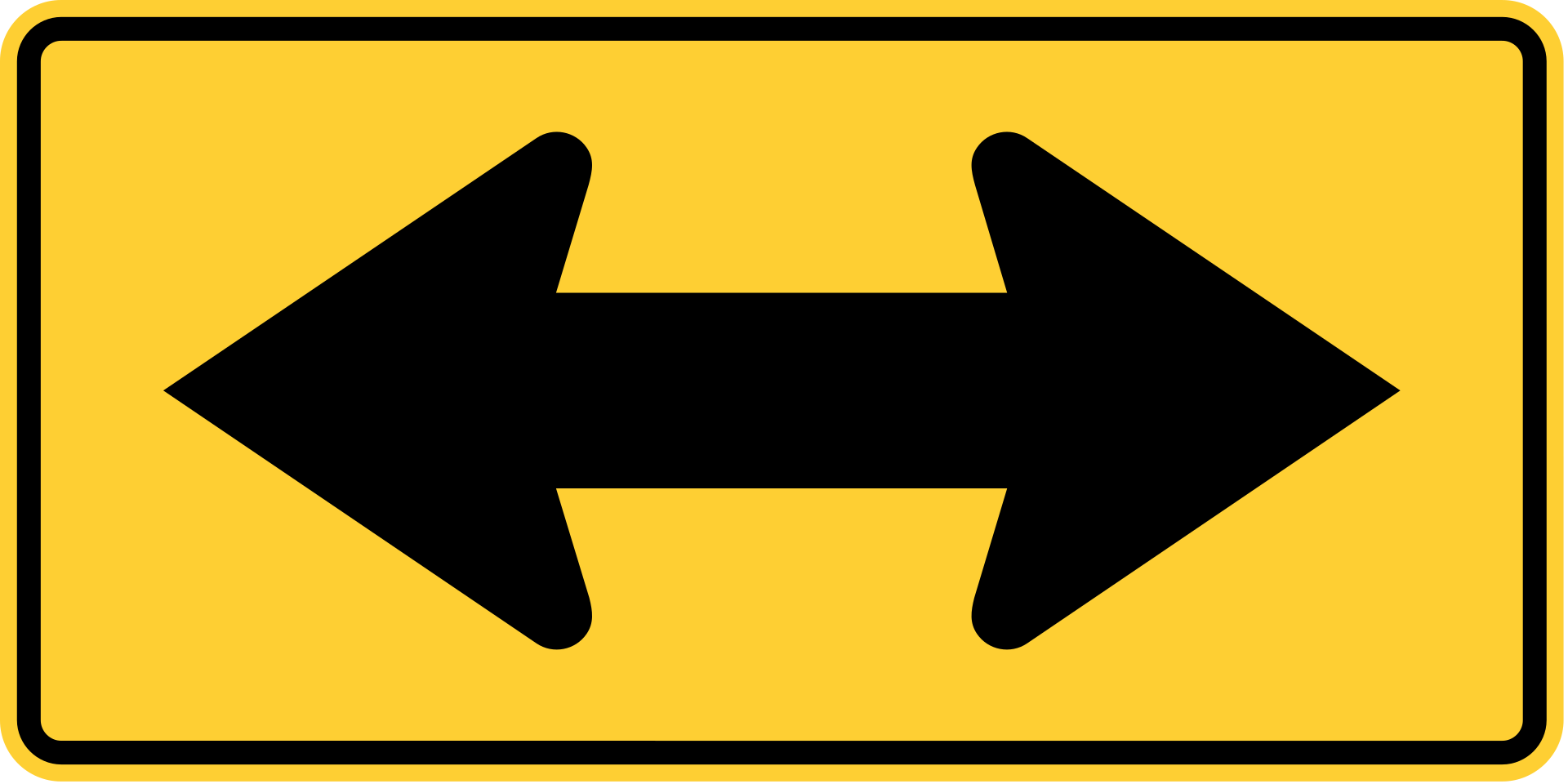 This sign tells drivers that:
A
left and right turns are not allowed.
B
a divided highway is ahead.
C
they cannot go straight ahead.
This traffic sign indicates: they cannot go straight ahead. Observing and obeying all roadway signs ensures safe traffic flow and legal driving.
Question 7:
When they see this sign, drivers:
A
should be prepared to make sharp turns at a high speed.
B
need to be prepared to turn right and then left quickly.
C
should not speed up or brake quickly.
This traffic sign indicates: should not speed up or brake quickly. Observing and obeying all roadway signs ensures safe traffic flow and legal driving.
Question 8:
This road sign means:
A
School zone ahead
B
Keep right
C
Two-way Traffic
This traffic sign indicates: Two-way Traffic. Observing and obeying all roadway signs ensures safe traffic flow and legal driving.
Question 9:
 This sign means:
A
Hairpin corner ahead.
B
Warning: U-turn ahead.
C
Sharp right turn ahead.
This traffic sign indicates: Hairpin corner ahead. Observing and obeying all roadway signs ensures safe traffic flow and legal driving.
Question 10:
What is the slow moving vehicle symbol?
A
A reflective yellow diamond
B
A reflective white triangle
C
A reflective orange triangle
The correct driving rule is: A reflective orange triangle. Following standard DMV road rules and practicing defensive driving ensures safety for all road users.
Question 11:
A red traffic sign means?
A
Construction warning.
B
Railroad crossing.
C
Stop.
This traffic sign indicates: stop. Observing and obeying all roadway signs ensures safe traffic flow and legal driving.
Question 12:
What can you do to prevent skids on snow and ice?
A
Allow the wheels to keep turning.
B
Brake early and gently.
C
All of the above.
Hazardous road and weather conditions require extra caution: Allow the wheels to keep turning; Brake early and gently. Reducing speed and expanding following distance preserves control.
Question 13:
What is a likely effect when you take another drug while you drink alcohol?
A
The effects of the alcohol and the drug are enhanced.
B
There are no effects, unless the drug is prescription only.
C
If the drug is over-the-counter, there are no effects.
Under state DUI and traffic safety laws: The effects of the alcohol and the drug are enhanced. Alcohol degrades judgment, slows reaction times, and distorts depth perception.
Question 14:
At intersections marked with stop lines, drivers must:
A
come to a complete stop.
B
slow down and enter the intersection.
C
signal other vehicles to stop.
The correct driving rule is: come to a complete stop. Following standard DMV road rules and practicing defensive driving ensures safety for all road users.
Question 15:
 This road sign means:
A
No left turn
B
No right turn
C
No U-turns
This traffic sign indicates: No right turn. Observing and obeying all roadway signs ensures safe traffic flow and legal driving.
Question 16:
What should you do if your headlights suddenly go out?
A
Brake immediately and activate your emergency lights.
B
Use your emergency lights, parking lights or directional signals.
C
Ease your foot off the gas pedal and brake gently.
The correct driving rule is: use your emergency lights, parking lights or directional signals. Following standard DMV road rules and practicing defensive driving ensures safety for all road users.
Question 17:
There are two traffic lanes in your direction. You are driving in the left lane and many vehicles are passing you on the right, and the driver behind you wishes to drive faster. You should:
A
stay in your lane and maintain your current speed.
B
drive onto the left shoulder to let the other driver pass.
C
move over into the right lane when safe to do so.
Defensive driving guidelines state that: move over into the right lane when safe to do so. Anticipating road hazards and communicating maneuvers keeps traffic predictable and safe.
Question 18:
There is no crosswalk and a pedestrian is crossing your lane ahead. You should:
A
stop and let the pedestrian finish crossing the street.
B
slow down as you pass the pedestrian.
C
make eye contact and then pass the pedestrian.
Drivers must always yield the right-of-way to pedestrians crossing at intersections and crosswalks: stop and let the pedestrian finish crossing the street. Stop and allow them to clear the lane safely.
Question 19:
Traffic lights are normally ____________ from the top to bottom or left to right.
A
red, green and yellow
B
green, yellow and red
C
red, yellow and green
The correct driving rule is: red, yellow and green. Following standard DMV road rules and practicing defensive driving ensures safety for all road users.
Question 20:
You ________ traffic headed toward you when you turn left.
A
must not yield to
B
must interrupt
C
must yield to
According to standard right-of-way regulations: must yield to. Yielding appropriately prevents intersection collisions and maintains safe traffic flow.
Question 21:
A driver cuts off another vehicle, or threatens another motorist or a pedestrian. These are examples of:
A
excessive driving
B
road rage
C
defensive driving
Drivers must always yield the right-of-way to pedestrians crossing at intersections and crosswalks: road rage. Stop and allow them to clear the lane safely.
Question 22:
When following a motorcycle, drivers must remember that motorcycles can ____________ than other vehicles.
A
accelerate much faster
B
stop much more quickly
C
stop much more slowly
Motorcycles can stop rapidly and are easily hidden in vehicle blind spots: stop much more quickly. Always allow an increased following distance of at least 3 to 4 seconds.
Question 23:
When the road is slippery, you should:
A
brake suddenly carefully.
B
pump your brakes.
C
press your brakes in slow, steady strokes.
For safe speed and stopping control: press your brakes in slow, steady strokes. Adjusting speed to match visibility and road traction prevents loss of steering grip.
Question 24:
Arrows on the roadway:
A
show which lanes you must use.
B
indicate reserved lanes.
C
indicate HOV lanes.
The correct driving rule is: show which lanes you must use. Following standard DMV road rules and practicing defensive driving ensures safety for all road users.
Question 25:
Blind spots around a large vehicle are _________________ than the blind spots around a car.
A
larger and deeper
B
less dangerous
C
narrower and shorter
The correct driving rule is: larger and deeper. Following standard DMV road rules and practicing defensive driving ensures safety for all road users.
Question 26:
A red traffic sign means?
A
Do not enter.
B
Stop.
C
All of the above.
This sign alerts drivers to several mandatory requirements: Do not enter, Stop. Obeying all posted traffic control instructions is required by law.
Question 27:
When driving on an interstate, you should NOT:
A
change lanes without signaling.
B
going to the next exit if you miss your exit.
C
keep to the right if you are driving slower than other vehicles.
The correct driving rule is: change lanes without signaling. Following standard DMV road rules and practicing defensive driving ensures safety for all road users.
Question 28:
What should drivers do when the red lights begin to flash?
A
Stop.
B
Yield.
C
Slow down.
The correct driving rule is: stop. Following standard DMV road rules and practicing defensive driving ensures safety for all road users.
Question 29:
When changing lanes:
A
slow down and check your left mirror.
B
look over your shoulder to make sure no one is in the blind spot.
C
change lane before checking the inside rearview mirror.
The correct driving rule is: look over your shoulder to make sure no one is in the blind spot. Following standard DMV road rules and practicing defensive driving ensures safety for all road users.