 drivequiz.com
 Question 1
If two vehicles arrive at a four-way stop at the same time:
A
both vehicles must stop.
B
the vehicle on the left must yield to the vehicle on the right.
C
the driver on the left must signal the driver on the right to go.
D
the vehicle on the right must yield to the vehicle on the left.
No explanation available.
Question 2
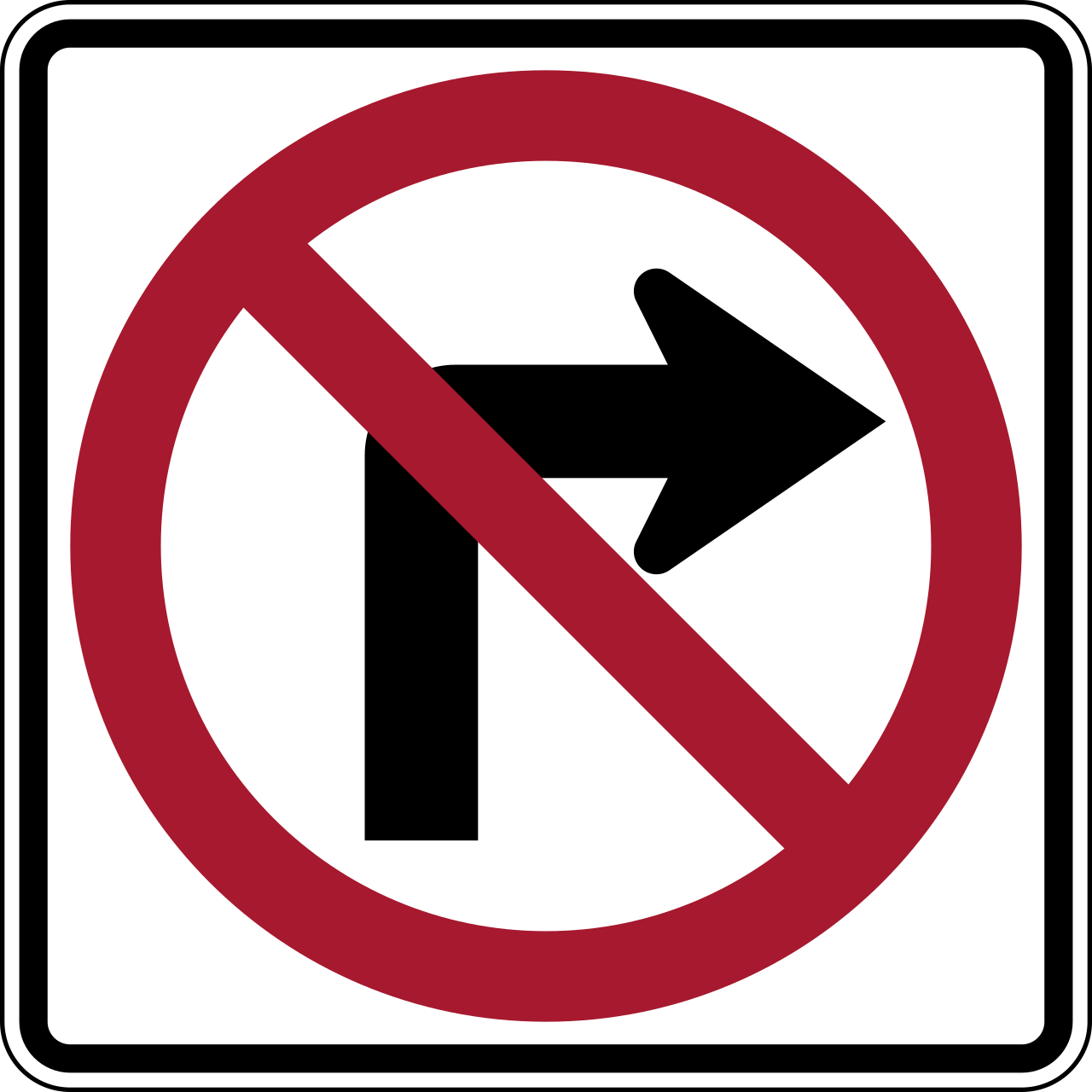 This road sign means:
A
Right turn permitted on red light
B
Drivers must turn right
C
No U-turns
D
No right turn permitted
No explanation available.
Question 3
When you see an emergency vehicle with flashing lights, you must:
A
pull over to the side of the road and stop.
B
increase your speed to provide a clear path for the emergency vehicle.
C
slow down until it passes you.
D
drive with your flashers on.
No explanation available.
Question 4
When a stop is required at an intersection with no stop line or crosswalk:
A
Drivers should stop only at a place where the driver can see at least 100 feet on either side.
B
Drivers are required to slow down to make sure crossing traffic is clear.
C
Drivers are not required to stop.
D
Drivers should stop at the point nearest the intersecting roadway where the driver has a view of approaching traffic on the intersecting roadway before actually entering the roadway.
No explanation available.
Question 5
Roads are the most slippery:
A
the first rain after a dry spell.
B
after it has been raining for an hour or more.
C
for the first 2 hours of a rain storm.
No explanation available.
Question 6
Drugs may interfere with a person’s ability to drive safely:
A
unless they are prescribed by a doctor.
B
even if they are prescribed by a doctor.
C
only when driving at night.
D
only when combined with alcohol.
No explanation available.
Question 7
If involved in an accident, drivers should:
A
avoid standing or walking in traffic lanes.
B
turn off the ignitions of wrecked vehicles.
C
stop their vehicle at or near the scene.
D
All of the above.
No explanation available.
Question 8
Drivers often fail to see a motorcycle headed toward them. Why?
A
It is difficult to judge a motorcycle's speed.
B
Motorcycles are hard to see.
C
All of the above.
No explanation available.
Question 9
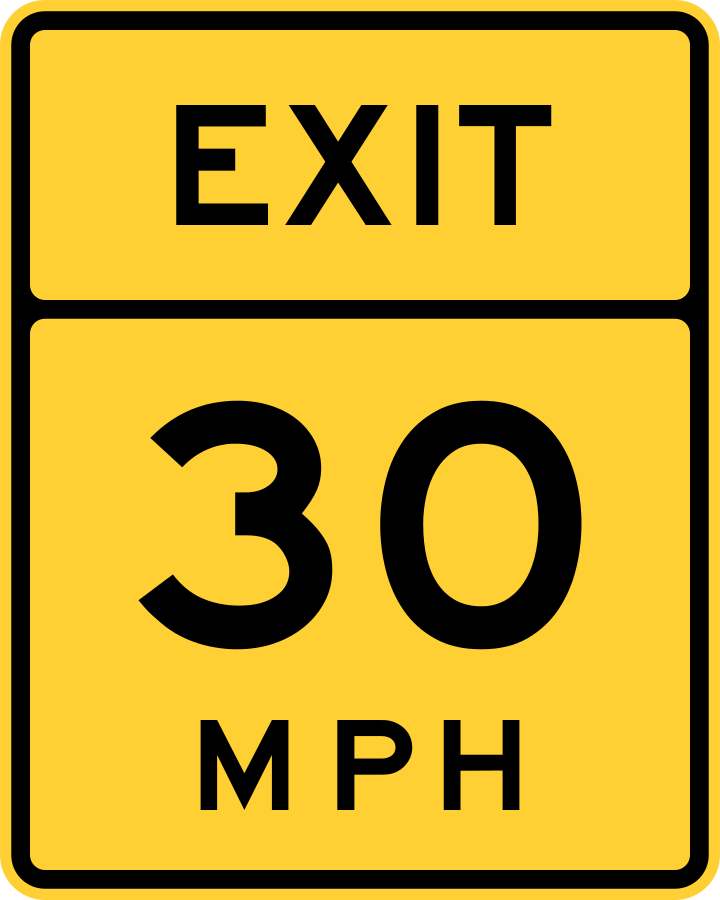 The sign in the picture:
A
shows the highest speed drivers can travel at the exit of the intersection.
B
is used to advise motorists of the appropriate ramp speed at the highway exit point.
C
indicates the minimum ramp speed at the highway exit point.
No explanation available.
Question 10
How can you prevent fatigue on a long trip?
A
Get enough sleep.
B
Plan to drive long trips with a companion.
C
Schedule regular stops for every couple of hours.
D
All of the abov
No explanation available.
Question 11
To avoid the risk of being involved in an alcohol-related crash, you should:
A
decide before you start drinking that you are not going to drive.
B
say 'No, thanks' if someone offers you alcohol.
C
call a taxi if you've been drinking.
D
All of the above.
No explanation available.
Question 12
Drowsy drivers:
A
are typically older drivers.
B
are at risk of being involved in a crash.
C
should drink coffee to stay awake.
D
can stay awake by opening a window.
No explanation available.
Question 13
Drivers should always look carefully for motorcycles before changing lanes because:
A
motorcycles are not permitted to share traffic lanes.
B
motorcycles are smaller and harder to see.
C
motorcycles always have the right-of-way at intersections.
D
All of the above.
No explanation available.
Question 14
If your vehicle’s right wheels leave the pavement, you should:
A
maintain your current speed to gain better traction.
B
build up brake pressure by pumping the brake pedal several times.
C
take your foot off the gas and when you are slowed down, ease back on the road when it is safe to do so.
D
immediately come to a complete stop.
No explanation available.
Question 15
 This sign means:
A
divided highway ahead.
B
narrow bridge ahead.
C
road construction.
D
lane ends, merge left.
No explanation available.
Question 16
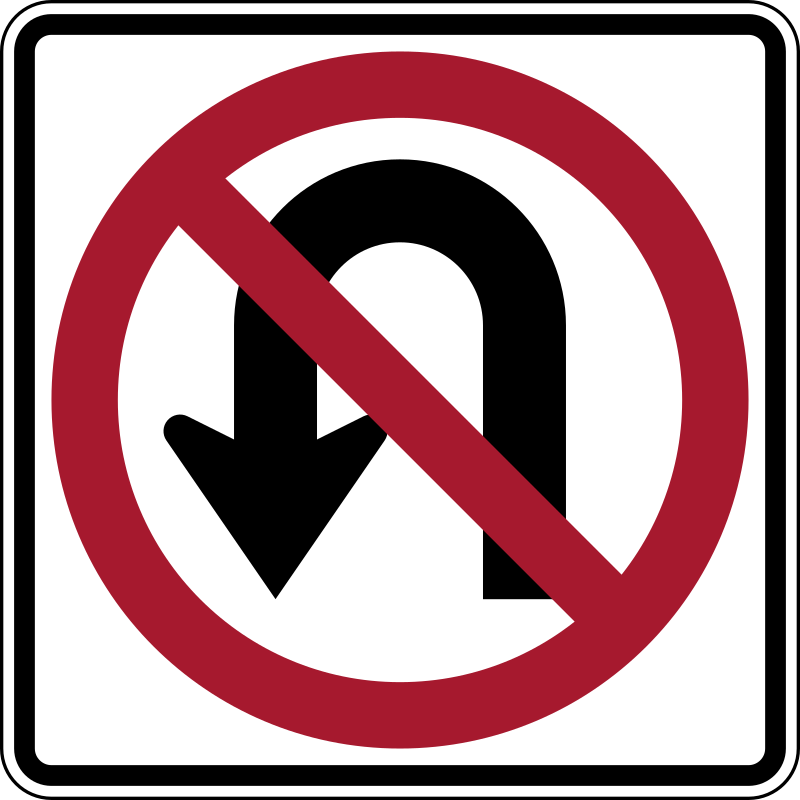 This road sign means:
A
No left turn
B
No U-turn
C
Detour ahead
No explanation available.
Question 17
Which shape is a railroad advance warning sign?
A
Crossbuck
B
Round
C
Pentagon
No explanation available.
Question 18
Which of the following substances can affect the ability to drive?
A
Tranquilizers and sedatives.
B
Cold tablets containing codeine or antihistamines.
C
All of the above.
No explanation available.
Question 19
 This road sign means:
A
There is a series of sharp turns up ahead on the road
B
Sharp right turn ahead.
C
A road joins from the right
No explanation available.
Question 20
If traffic on the other side of an intersection is backed up and you cannot get completely through, you must:
A
enter the intersection and try to avoid blocking it.
B
enter the intersection and proceed with caution.
C
wait until traffic ahead is clear.
No explanation available.
Question 21
If a traffic signal light is green and a police officer signals you to stop:police officer signals you to stop:
A
you can tell the officer that signs and signals take precedence over directions given by traffic officers.
B
you should obey the traffic signal.
C
you must stop.
No explanation available.
Question 22
When driving on a roadway with a single broken white line:
A
you may cross the broken white line to change lanes.
B
you may change lanes only if you are in the right lane.
C
you may not cross the broken white line.
No explanation available.
Question 23
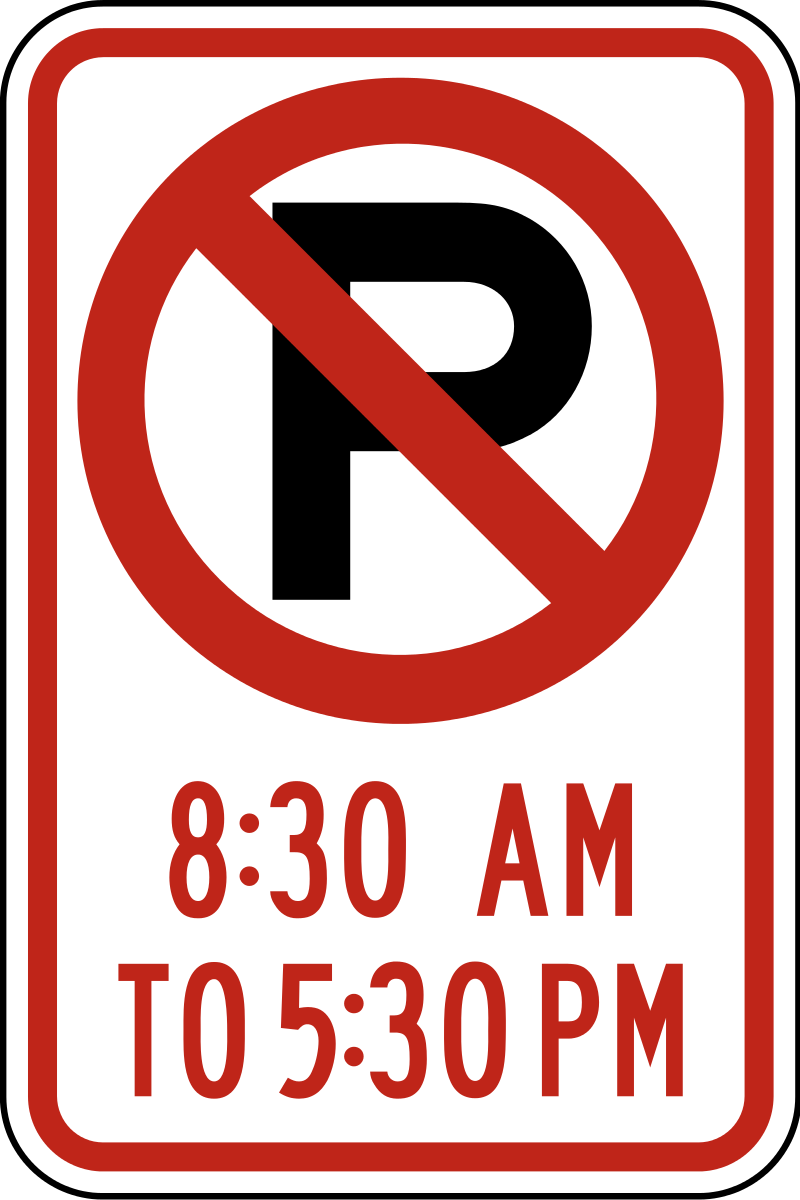 It's 10 AM. This sign tells you that:
A
you are allowed to park until 5:30 PM.
B
you must display a special permit in order to park here.
C
you are not allowed to park here.
No explanation available.
Question 24
When you are involved in an accident, you should:
A
call the police.
B
help the injured.
C
stop immediately.
D
All of the above.
No explanation available.
Question 25
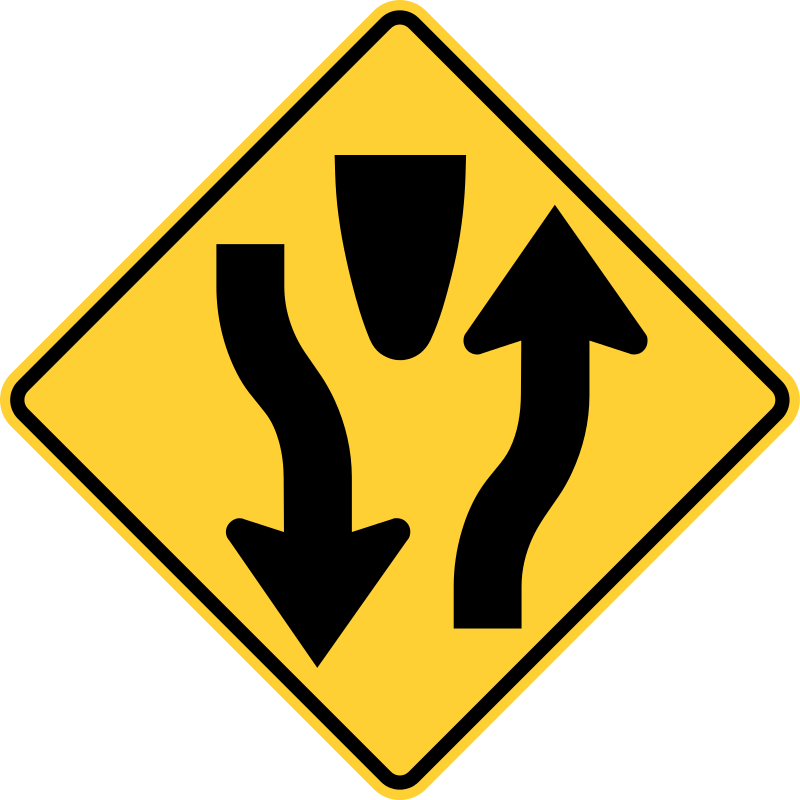 This road sign means:
A
Divided highway ahead - stay to the right
B
Do not enter
C
Do not pass
No explanation available.