 drivequiz.com
 Question 1
In the following situations, drivers should increase their following interval:
A
When following vehicles that are required to come to a stop at railroad crossings.
B
When it is hard to see ahead because of bad weather.
C
All of the above.
No explanation available.
Question 2
When approaching someone using a white cane or guide dog, drivers should:
A
slow down and be prepared to stop.
B
proceed normally.
C
come to a complete stop and invite them to take the right-of-way.
No explanation available.
Question 3
 A flashing red light:
A
is used at dangerous intersections.
B
means the same thing as a stop sign.
C
All of the above.
No explanation available.
Question 4
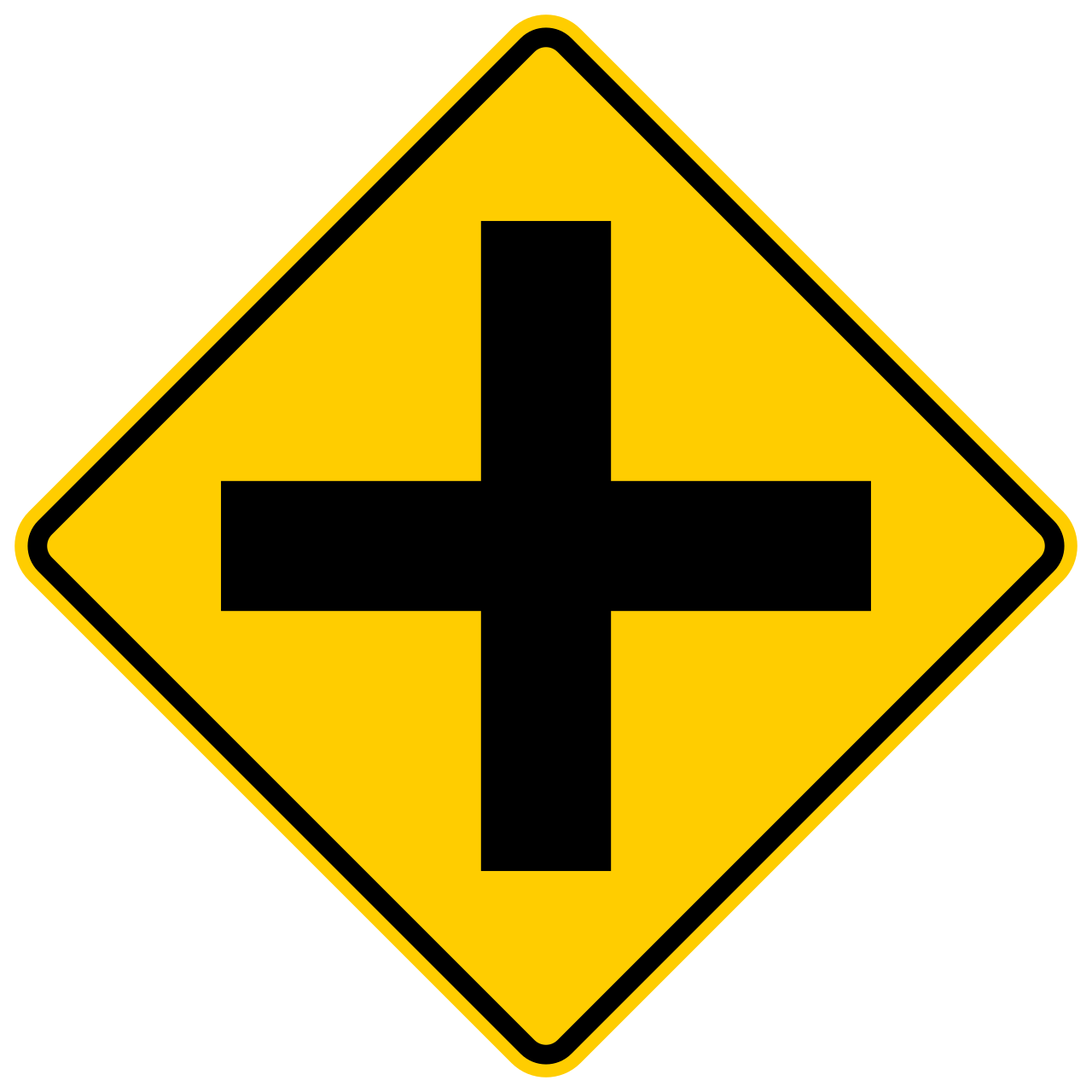 This road sign means:
A
Railroad Crossing
B
Side Road
C
Intersection
D
No Passing Zone
No explanation available.
Question 5
Drivers can not pass a vehicle on the left if:
A
they approach the top of a hill on a two-way road and can not see over it.
B
they can not safely return to the right lane before they reach a solid yellow center line for the right lane.
C
All of the above.
No explanation available.
Question 6
Give the right-of-way to any pedestrian:
A
on the opposite side of the street.
B
if you have the green light.
C
in a marked crosswalk.
No explanation available.
Question 7
A driver distraction is anything that:
A
causes aggressive behavior while driving.
B
causes excessive concentration while driving.
C
takes the attention away from driving.
No explanation available.
Question 8
The driver of an emergency vehicle that uses lights and a siren can legally:
A
pass red lights.
B
exceed the speed limit
C
All of the above.
No explanation available.
Question 9
 This sign means:
A
U-turns are not allowed.
B
Parking is not allowed.
C
No parking on pavement.
No explanation available.
Question 10
It is illegal to drive below the speed limit:
A
when the pavement is wet.
B
only in residential areas.
C
when driving slowly disrupts the normal flow of traffic.
D
only in rural areas.
No explanation available.
Question 11
Drivers may cross a double yellow line to pass another vehicle if:
A
the yellow line next to the other side of the road is broken.
B
the vehicle ahead moves to the right to let them pass.
C
the yellow line next to their side of the road is broken.
No explanation available.
Question 12
While inside a roundabout, you should stay in your lane until you are ready to exit.
A
True
B
False
No explanation available.
Question 13
If your wheels drop off the pavement edge, you should:
A
stop.
B
turn back onto the roadway immediately.
C
turn gradually back onto the roadway when safe.
No explanation available.
Question 14
Speed limit signs are:
A
service signs
B
regulation signs (regulatory signs)
C
warning signs
No explanation available.
Question 15
If you are feeling drowsy while driving, the best thing to do is to:
A
get some coffee.
B
pull over and take a break.
C
try to fight it.
No explanation available.
Question 16
A defensive driver:
A
never drives below the speed limit.
B
knows when it is safe to pass other vehicles.
C
considers what other drivers might do and is always prepared to act.
No explanation available.
Question 17
Drivers may need more space in front of their vehicle:
A
when following motorcycles.
B
when carrying a heavy load or pulling a trailer.
C
All of the above.
No explanation available.
Question 18
___________ are green with white letters and symbols.
A
Warning signs
B
Destination signs (guide signs)
C
Regulation signs (regulatory signs)
No explanation available.
Question 19
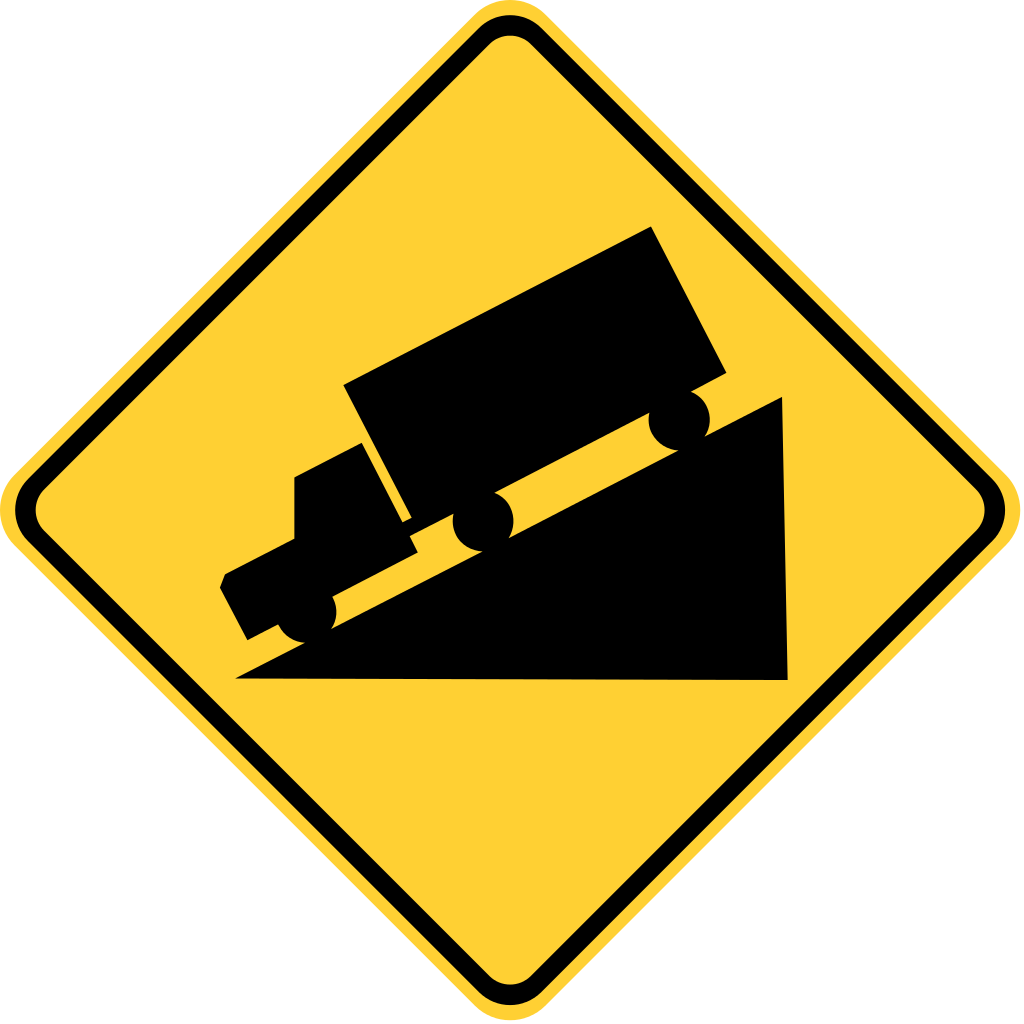 When they see this sign, drivers should:
A
be ready to brake sharply and stop.
B
be ready to shift to lower gear.
C
yield to trucks coming from the hill on the right.
No explanation available.
Question 20
When driving in travel lanes on the roadway:
A
you may make a U-turn if you get on the wrong entrance ramp of the freeway.
B
you may stop to let out passengers.
C
do not stop for any reason, keep moving until you can safely pull off the road.
D
you may make back up quickly if there are no vehicles behind.
No explanation available.
Question 21
Roads are the most slippery:
A
the first rain after a dry spell.
B
after it has been raining for an hour or more.
C
for the first 2 hours of a rain storm.
No explanation available.
Question 22
What do warning signs mean?
A
Danger ahead.
B
Drivers are approaching a location where there is a special rule.
C
All of the above.
No explanation available.
Question 23
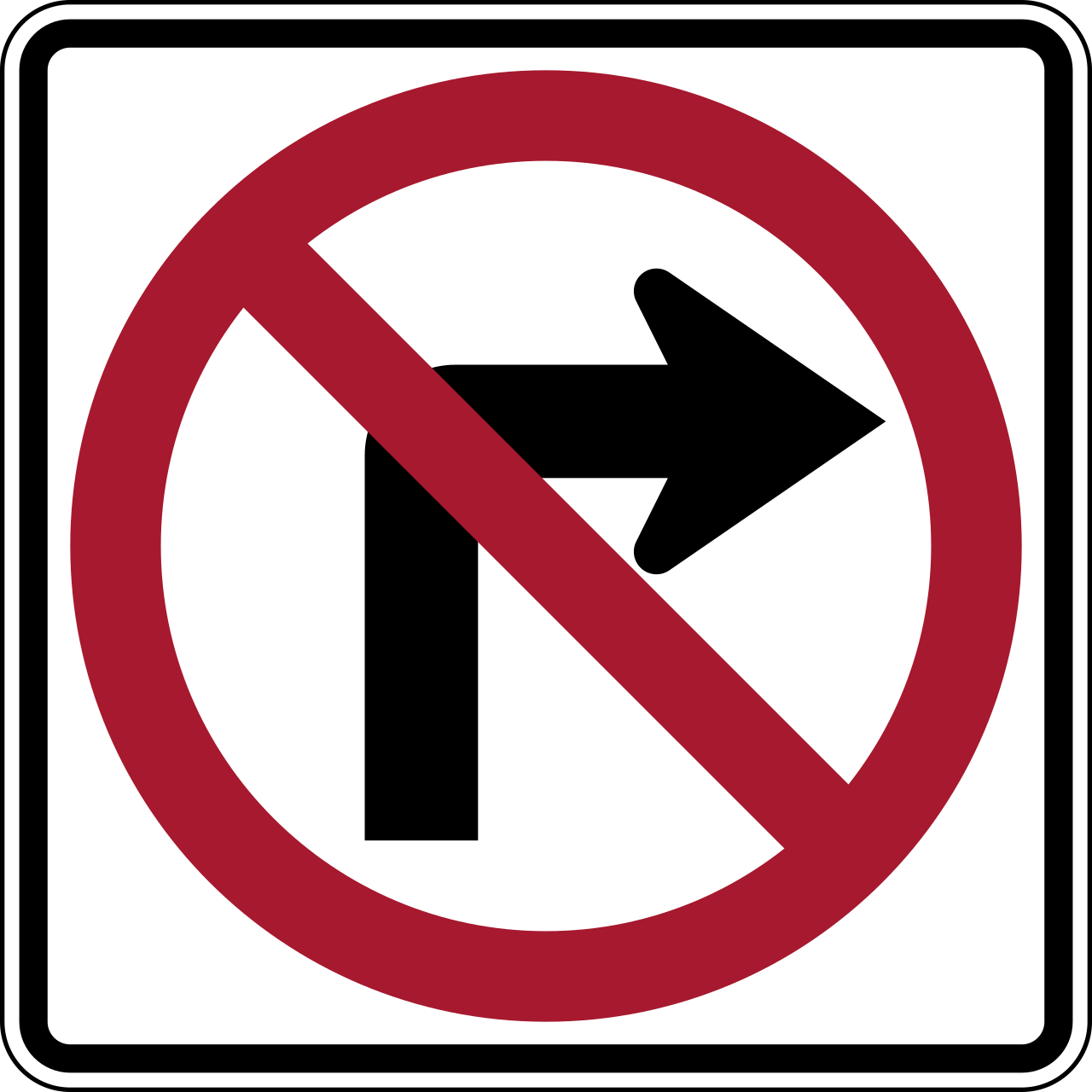 This sign tells drivers that:
A
they must make a left turn at the intersection.
B
U-turns are not allowed.
C
they must not make a right turn.
D
None of the above.
No explanation available.
Question 24
At intersections where two or more drivers stop at STOP signs at the same time and they are at right angles:
A
the driver on the left must yield to the driver on the right.
B
the driver who is late for work has the right-of-way.
C
the driver on the right must yield to the driver on the left.
No explanation available.
Question 25
When you come to a flashing yellow light, you must:
A
slow down and cross carefully.
B
stop before crossing.
C
speed up to beat the red light.
No explanation available.