 drivequiz.com
 Question 1
Who is most at risk?
A
Drivers who have overslept.
B
Drivers who are driving long distances without rest breaks.
C
Experienced drivers.
No explanation available.
Question 2
You should use turn signals to indicate your intention with sufficient time to allow other drivers to see the signal:
A
if it’s raining.
B
AFTER you move.
C
BEFORE you move.
No explanation available.
Question 3
 This road sign means:
A
Right lane ends
B
Highway entrance ramp ahead
C
Left lane widens
No explanation available.
Question 4
 This road sign means:
A
Divided highway ahead
B
Two-way traffic ahead
C
Four-lane traffic ahead
No explanation available.
Question 5
Drivers have to yield to pedestrians:
A
only when the pedestrian is in the crosswalk.
B
only if the pedestrians have a green light.
C
even if the pedestrian is not obeying traffic controls.
No explanation available.
Question 6
When you reach an intersection with stop signs at all four corners, you must yield the right-of-way to the driver:
A
on your right.
B
arrived before you.
C
on your left.
No explanation available.
Question 7
When you change lanes:
A
look over your shoulder in the direction you plan to move.
B
look into the rearview mirror.
C
look in the left side mirror.
No explanation available.
Question 8
 This road sign means:
A
Lane shifting
B
Merging traffic
C
Do not block intersection
No explanation available.
Question 9
There is no crosswalk and a pedestrian is crossing your lane ahead. You should:
A
stop and let the pedestrian finish crossing the street.
B
slow down as you pass the pedestrian.
C
make eye contact and then pass the pedestrian.
No explanation available.
Question 10
The basic color for traffic control devices used in construction zones is:
A
red.
B
orange.
C
yellow.
No explanation available.
Question 11
Which shape is a yield sign?
A
Vertical rectangle
B
Upside-down triangle
C
Diamond
No explanation available.
Question 12
If you see a “lane closed ahead” sign you should:
A
make a U-turn. You are on the wrong side of the road.
B
merge into the correct lane when it is safe.
C
speed to the end of the closed lane and try to get into the other lane.
No explanation available.
Question 13
As you enter a roundabout you should slow down and:
A
yield to pedestrians and bicyclist crossing before entering the roundabout.
B
yield to any vehicle coming from your left in the roundabout.
C
All of the above.
No explanation available.
Question 14
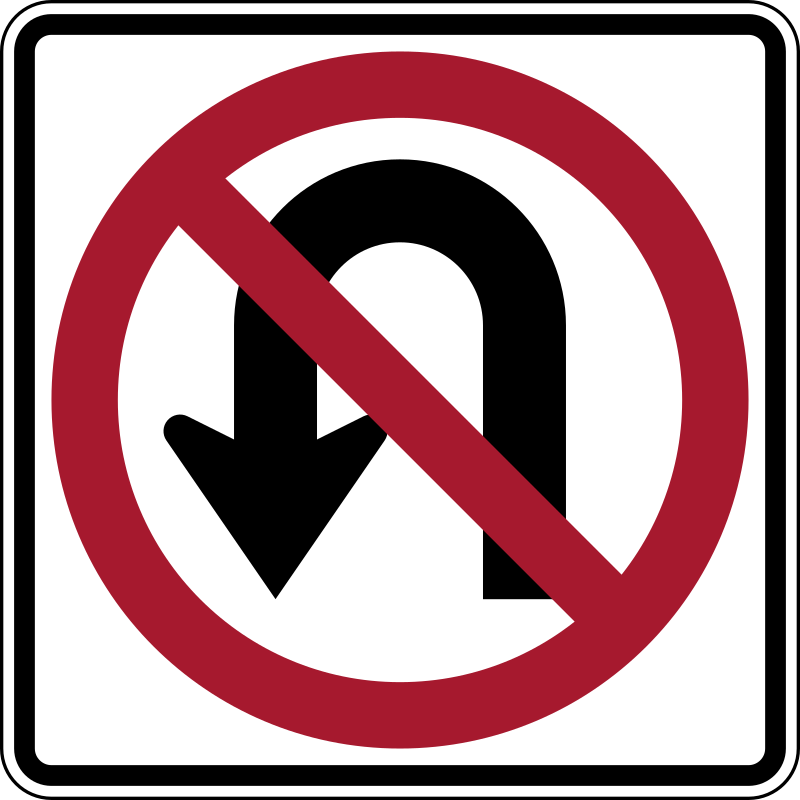 This road sign means:
A
No left turn
B
No U-turn
C
Detour ahead
No explanation available.
Question 15
Drivers often fail to see a motorcycle headed toward them. Why?
A
It is difficult to judge a motorcycle's speed.
B
Motorcycles are hard to see.
C
All of the above.
No explanation available.
Question 16
A defensive driver:
A
never drives below the speed limit.
B
knows when it is safe to pass other vehicles.
C
considers what other drivers might do and is always prepared to act.
No explanation available.
Question 17
If your car becomes disabled on a highway, you should:
A
stop in the right lane.
B
park with all four wheels off the highway, if possible.
C
stop where you are.
No explanation available.
Question 18
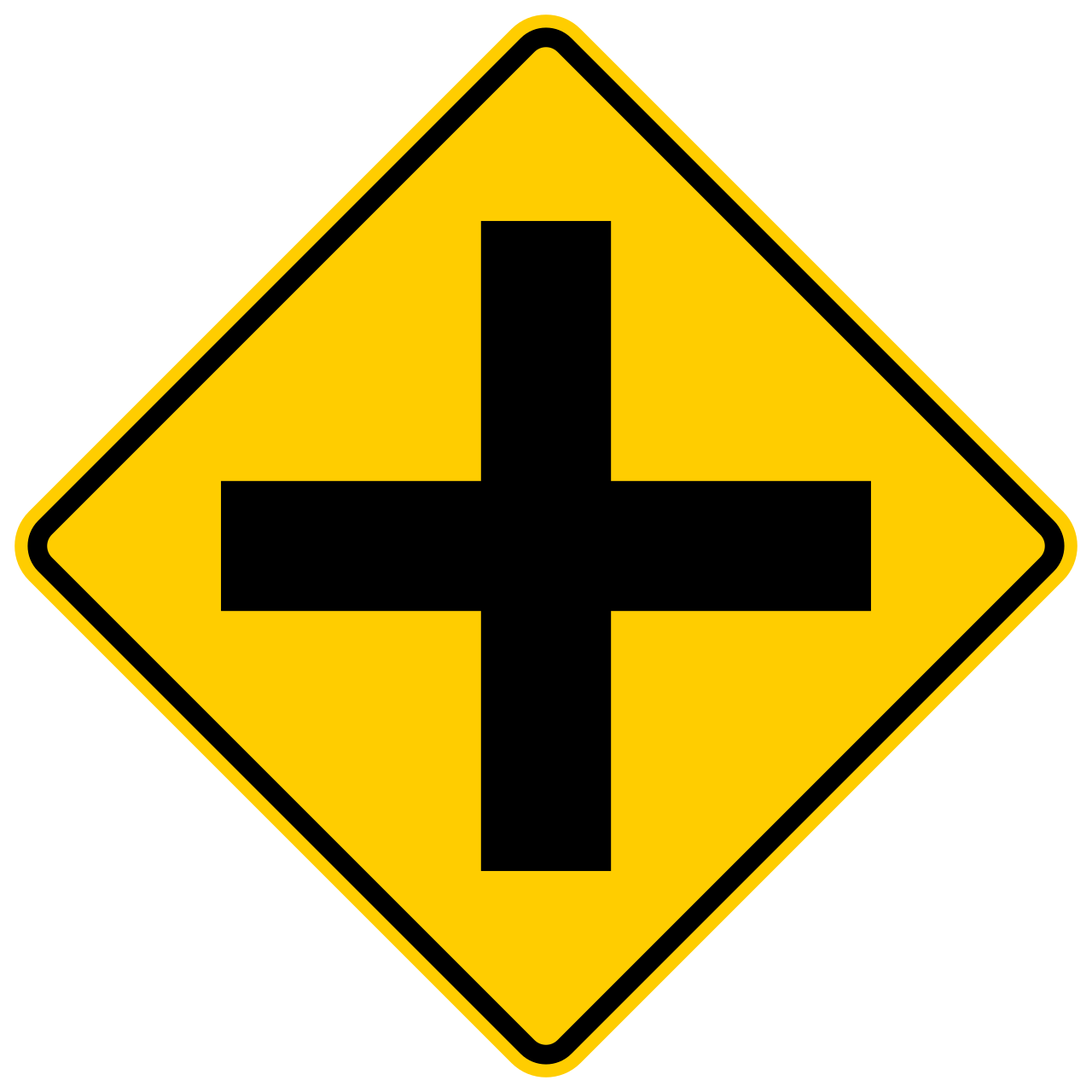 This road sign means:
A
A four-way intersection is ahead
B
Do not pass
C
A steep grade is ahead
No explanation available.
Question 19
This road sign means:
A
Winding Road Ahead
B
Persons with Disabilities Parking
C
Merge
No explanation available.
Question 20
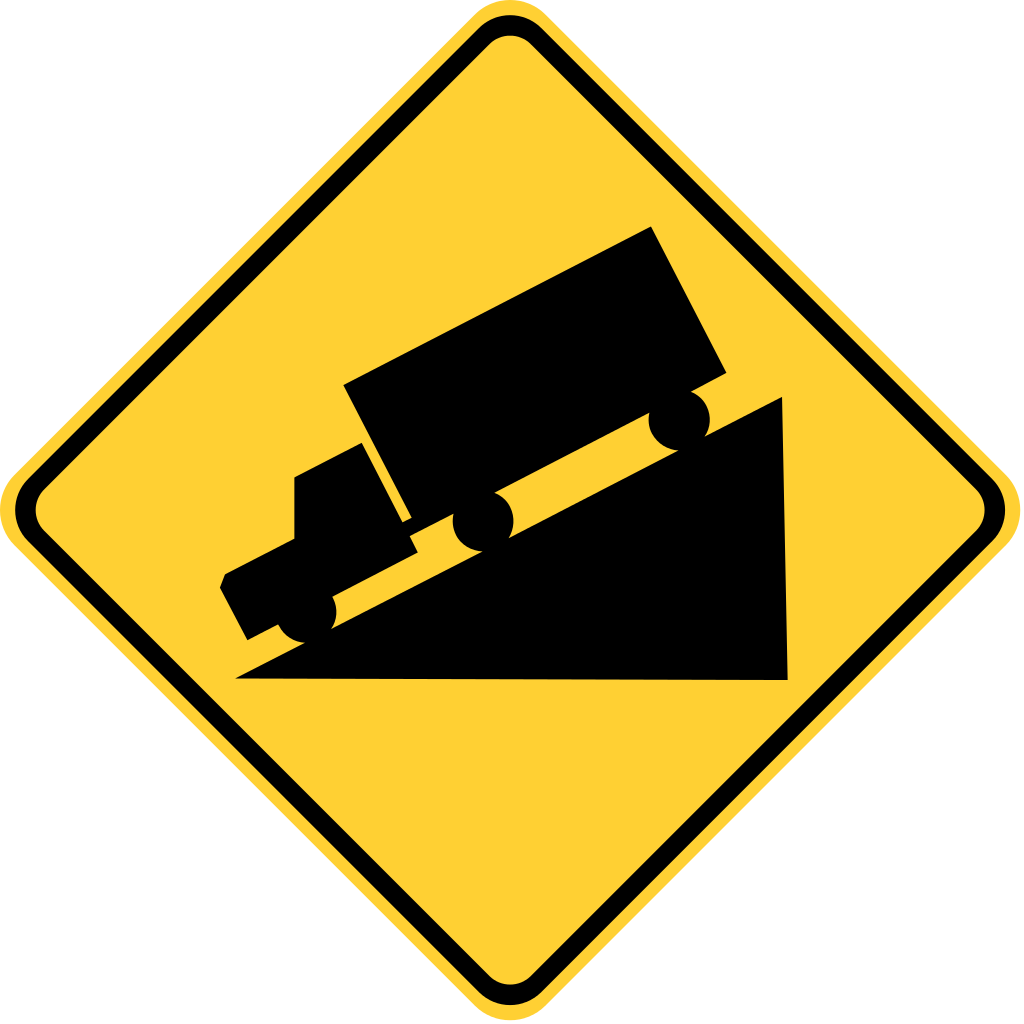 This road sign means:
A
Watch for trucks entering from the side
B
Merging traffic
C
Steep hill
No explanation available.
Question 21
What is the meaning of orange traffic signs?
A
Yield.
B
Warning of school, pedestrian, and bicycling activity.
C
Construction and maintenance warning.
No explanation available.
Question 22
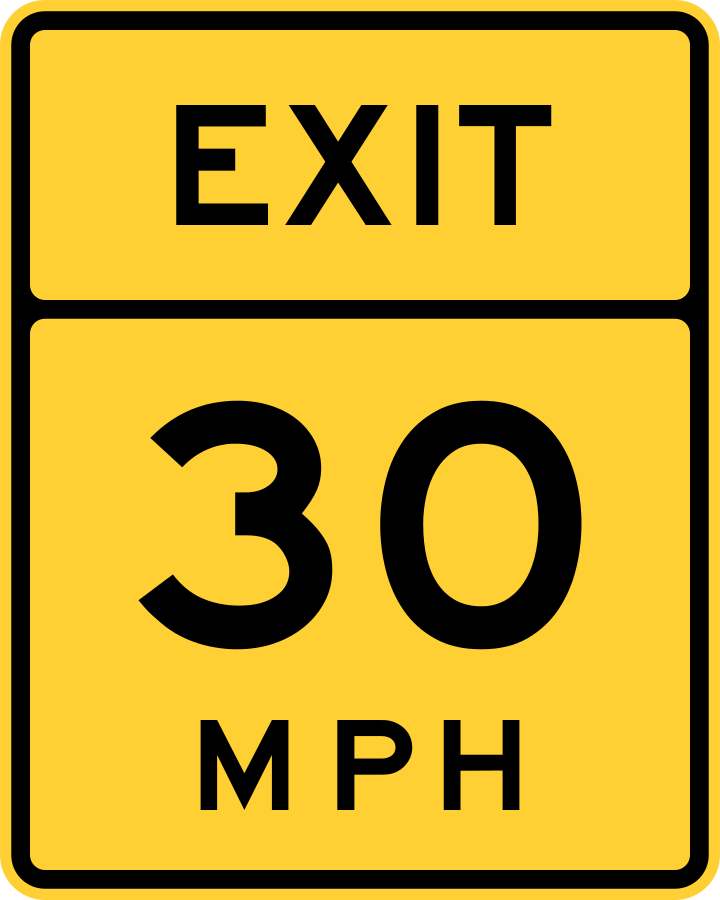 The sign in the picture:
A
shows the highest speed drivers can travel at the exit of the intersection.
B
is used to advise motorists of the appropriate ramp speed at the highway exit point.
C
indicates the minimum ramp speed at the highway exit point.
No explanation available.
Question 23
A good rule of thumb for drivers sharing the road with a truck is:
A
it is better to drive to the immediate right of the cab.
B
always try to stay alongside a truck, but never drive right behind it.
C
if you can’t see the truck driver in their side mirror, they can’t see you.
No explanation available.
Question 24
When another vehicle is passing you:
A
stay in your lane and reduce speed.
B
stay in your lane and maintain speed unless there is an emergency.
C
pull your vehicle as far to the right as possible without leaving the pavement.
No explanation available.
Question 25
If you get on a wrong expressway exit, you must:
A
get off at the next exit and look for signs that tell you how to return to the expressway.
B
use the the exit ramp to accelerate to expressway speed and blend with traffic.
C
drive in reverse to return to the expressway.
No explanation available.
Question 26
In heavy rain, tires can begin to ride on the water that is on top of the road pavement. This is called:
A
rideplaning.
B
hydroplaning.
C
pavement-planing.
D
waterplaning.
No explanation available.
Question 27
If cars approaching from opposite directions reach an intersection at the same time:
A
a car that moves straight must yield to cars that turn left.
B
a car that turns left must yield to cars that move straight or turn right.
C
a car that turns right must yield to cars that move straight or turn left.
No explanation available.
Question 28
On slippery roads, drivers should:
A
leave more space in front of their vehicle.
B
increase their speed to avoid hydroplaning.
C
come to a complete stop.
No explanation available.
Question 29
You are considered to be driving under the influence when your blood alcohol concentration (BAC) is ____ or more.
A
0.05%
B
0.08%
C
0.8%
No explanation available.
Question 30
If another driver is following you too closely on a two-lane road, you should:
A
try to increase the distance from the car behind.
B
apply your brakes firmly while turning left.
C
reduce your speed gradually to encourage the tailgater to pass.
No explanation available.