 drivequiz.com
 Question 1
 When you see a 'merging traffic' sign on the freeway, you should:
A
slow down to allow traffic to enter.
B
move to another lane to let traffic enter, if safe.
C
speed up to avoid congesting traffic.
No explanation available.
Question 2
 This road sign means:
A
Wrong Way
B
Merging Traffic
C
Curve ahead
No explanation available.
Question 3
At a stop sign there is no stop line, you must stop:
A
before you enter the intersection.
B
before you enter the crosswalk.
C
after you enter the crosswalk.
No explanation available.
Question 4
Which of the following factors affect the absorption of alcohol?
A
Your race.
B
Your weight.
C
Your height.
No explanation available.
Question 5
When parking downhill:
A
turn your wheels away from the side of the road.
B
turn your wheels towards the side of the road.
C
keep your wheels straight.
No explanation available.
Question 6
A driver distraction is anything that:
A
causes aggressive behavior while driving.
B
causes excessive concentration while driving.
C
takes the attention away from driving.
No explanation available.
Question 7
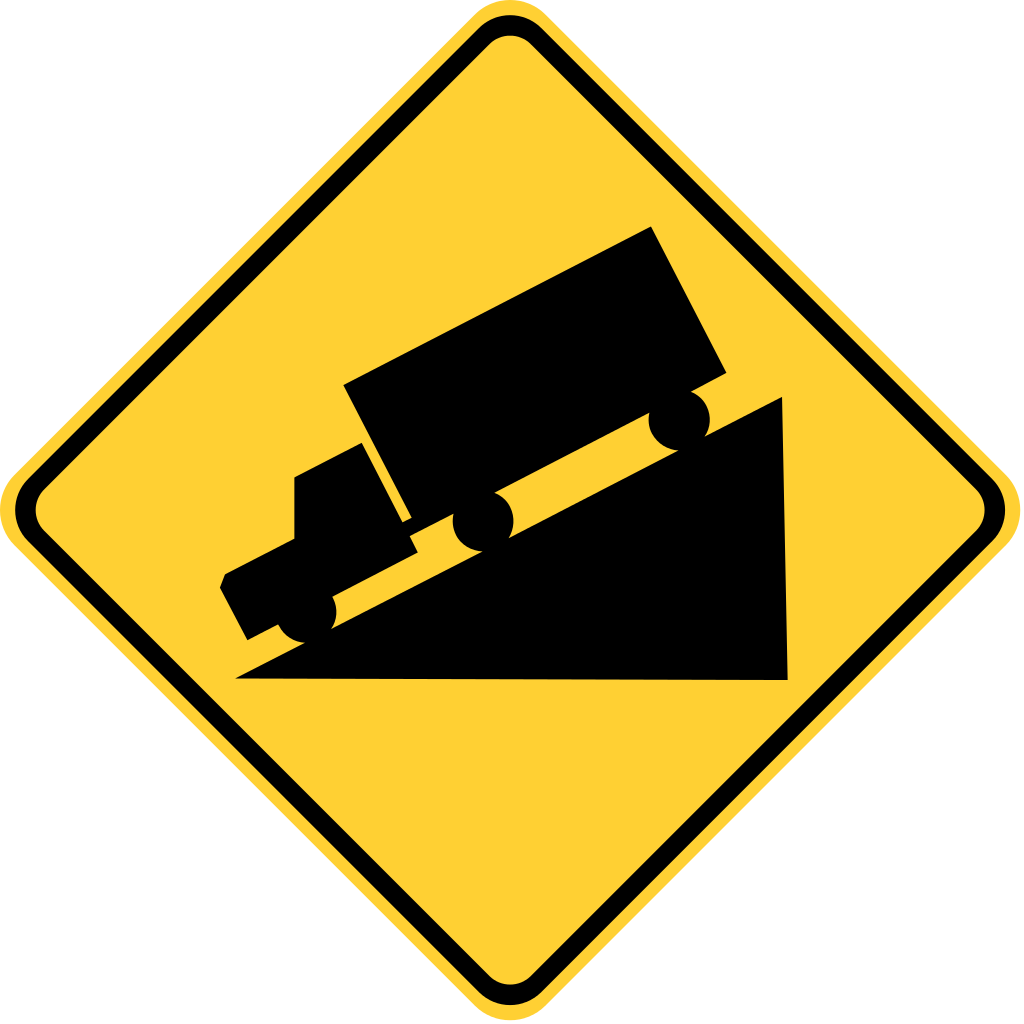 This sign indicates that:
A
there is a steep hill ahead.
B
trucks are merging from the right
C
there's a side road ahead
No explanation available.
Question 8
When following another vehicle at night, drivers should use:
A
low beam headlights.
B
emergency flashers.
C
high beam headlights.
No explanation available.
Question 9
Unlike passenger cars, trucks have blind spots:
A
on the right.
B
directly behind them.
C
on the front.
No explanation available.
Question 10
___________ are green with white letters and symbols.
A
Warning signs
B
Destination signs (guide signs)
C
Regulation signs (regulatory signs)
No explanation available.
Question 11
Parking is not allowed:
A
on the road side of a parked vehicle.
B
in a tunnel.
C
All of the above.
No explanation available.
Question 12
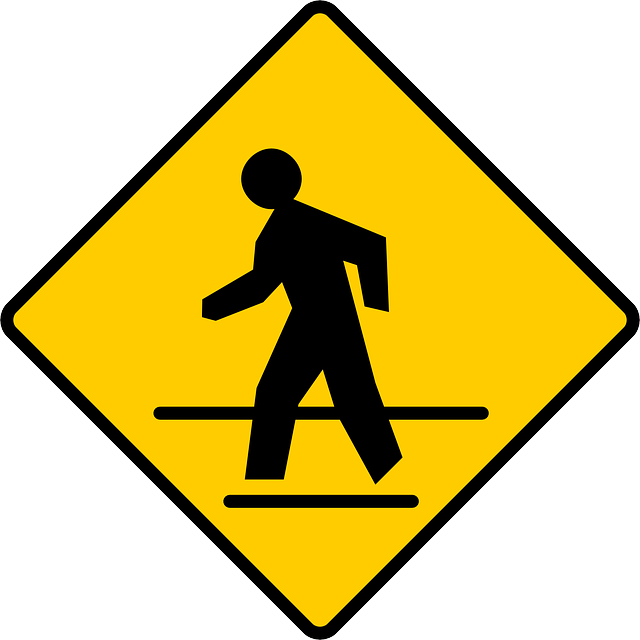 This road sign means:
A
Pedestrian crossing
B
School zone
C
School crossing
No explanation available.
Question 13
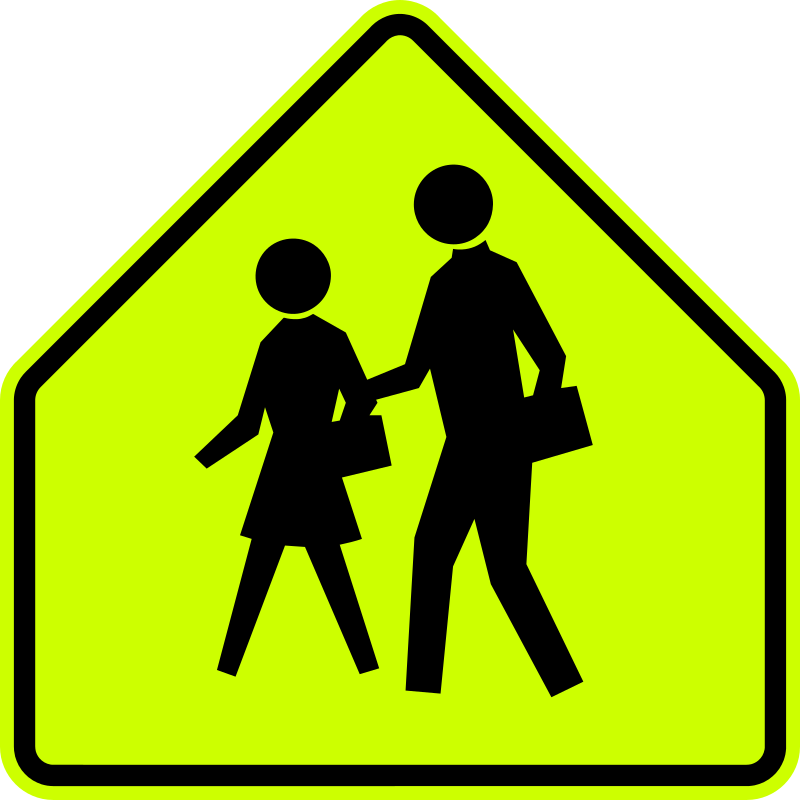 When you see this sign, you should:
A
be prepared to stop if children are in the crosswalk.
B
slow down, proceed with caution and watch for blind people.
C
always stop at the crosswalk.
No explanation available.
Question 14
Your BAC depends on:
A
how much alcohol you drink.
B
how much time passes between drinks.
C
All of the above.
No explanation available.
Question 15
To drive defensively, you must:
A
anticipate errors by other drivers.
B
assume that a driver who approaches a STOP sign on a side road is actually going to stop.
C
not check behind you through your mirrors.
No explanation available.
Question 16
Driving at night is more dangerous because:
A
the road is more slippery.
B
your reaction time is slower.
C
you cannot see as far ahead at night.
No explanation available.
Question 17
When pedestrians are in a crosswalk, drivers should:
A
pull over to the right and stop.
B
go ahead because drivers have the right-of-way.
C
wait for them to cross.
No explanation available.
Question 18
On roadways, bicyclists are considered:
A
a distraction.
B
defensive drivers.
C
vehicles.
No explanation available.
Question 19
If your vehicle has a mechanical problem, you should:
A
signal and pull into the slow lane.
B
stop in your lane and put on your emergency flashers.
C
turn on your hazard lights and pull off the road.
No explanation available.
Question 20
Two solid yellow lines between lanes of traffic means:
A
neither side can pass.
B
the lanes are designed to carry traffic in one direction at certain times and in the opposite direction at other times.
C
passing is permitted on the left.
No explanation available.
Question 21
When you are facing a green light and there are pedestrians in the intersection:
A
you must signal your intention to cross the intersection at least 100 feet before yielding the right-of-way.
B
you must yield the right-of-way to pedestrians.
C
you have the right-of-way over pedestrians.
No explanation available.
Question 22
 This sign warns ____________ ahead.
A
of two-way traffic
B
of a reduction of lanes
C
that a divided highway ends
No explanation available.
Question 23
 When you see this sign you should stop and:
A
check traffic in all direction before proceeding.
B
check for vehicles in the opposite direction, then proceed.
C
yield the right-of way to all vehicles coming from the left.
No explanation available.
Question 24
Driving at night requires increased caution because:
A
traffic is heavier.
B
most motorcyclists ride at night.
C
visibility is reduced.
No explanation available.
Question 25
Before crossing any railroad tracks, you must:
A
look and listen for trains.
B
make sure there is room for your vehicle on the other side.
C
All of the above.
No explanation available.
Question 26
You should increase your following distance:
A
at night or if it is raining.
B
when the roads are slippery.
C
All of the above.
No explanation available.
Question 27
Double solid lines on the roadway mean:
A
you cannot pass.
B
you can not go across the lines except to turn left to enter or leave the highway.
C
All of the above.
No explanation available.
Question 28
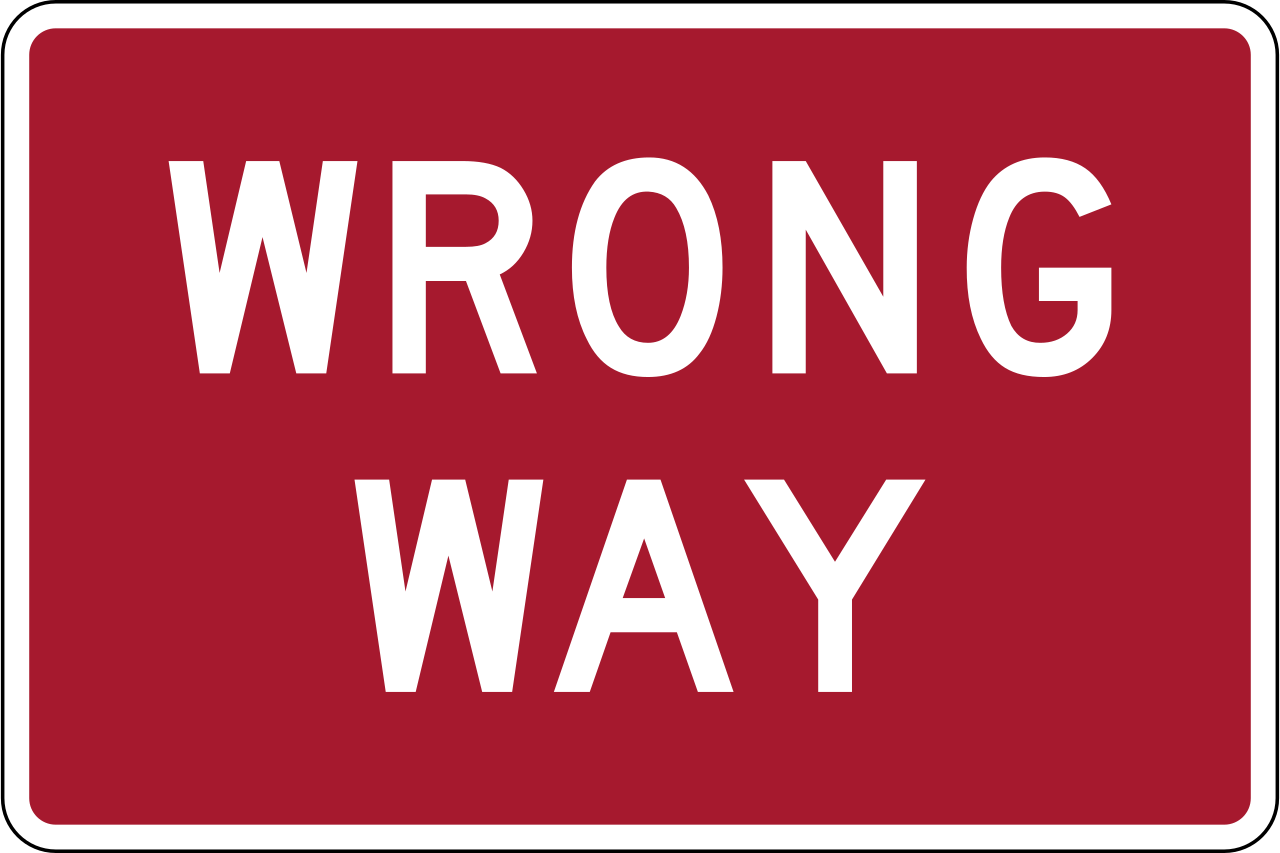 When drivers see this road sign:
A
they must come to a complete stop and call the police.
B
they must not drive past this sign.
C
they must turn around immediately.
No explanation available.
Question 29
On rainy, snowy, or foggy days, if you turn on your wipers, you should:
A
remember to turn them off.
B
sound your horn, as required by law in Delaware and some other States.
C
turn on your headlights.
No explanation available.
Question 30
 This sign means:
A
You may make a U-turn.
B
Hairpin corner ahead.
C
You must make a U-turn.
No explanation available.