 drivequiz.com
 Question 1
Drivers should change lanes:
A
often.
B
as quickly as possible.
C
gradually and carefully.
No explanation available.
Question 2
When the road is slippery, you should:
A
brake suddenly carefully.
B
pump your brakes.
C
press your brakes in slow, steady strokes.
No explanation available.
Question 3
On what three conditions does your blood alcohol content (BAC) depend?
A
Your weight. How much alcohol you drink. How much time passes between drinks.
B
Your weight. The type of beverage you drink. How fit you are.
C
Your height. How much alcohol you drink. The type of beverage you drink.
No explanation available.
Question 4
To avoid hydroplaning, drivers should:
A
slow down.
B
apply the brakes firmly.
C
drive at a constant speed.
No explanation available.
Question 5
You are driving in the far right lane of a four lane freeway and notice broken white lines on the left side of your lane. You are driving:
A
on the entrance ramp.
B
in a special lane for slow moving vehicles.
C
in an exit lane.
No explanation available.
Question 6
A traffic sign with a red circle around and a slash over a symbol means:
A
the maneuver shown by the symbol is not allowed.
B
Do not drive faster than the posted speed limit.
C
the maneuver shown on the sign should be executed with extreme caution.
No explanation available.
Question 7
 What does the flashing signal in the picture indicate?
A
The same thing as a stop sign.
B
Pedestrians should finish crossing the street if started.
C
Pedestrians should start crossing the street.
No explanation available.
Question 8
When driving in work zones, drivers should:
A
closely follow the driver in front of them.
B
reduce their speed and be prepared to stop.
C
maintain their speed through the work zone.
No explanation available.
Question 9
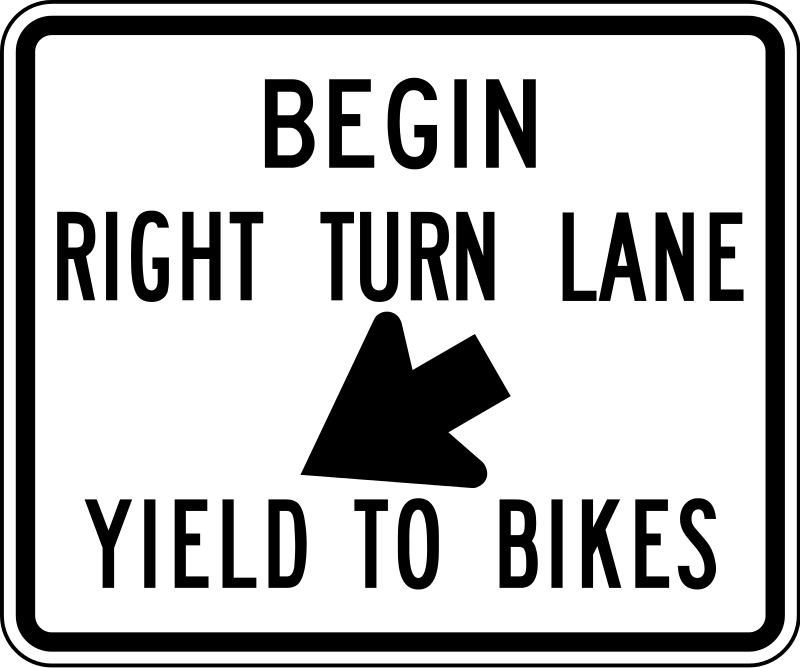 What does this road sign indicate?
A
Drivers have the right of way over bikes turning left.
B
Vehicles turning left must yield to bikes entering a right turn lane.
C
Motor vehicles entering an exclusive right-turn lane must weave across bicycle traffic in bicycle lanes.
No explanation available.
Question 10
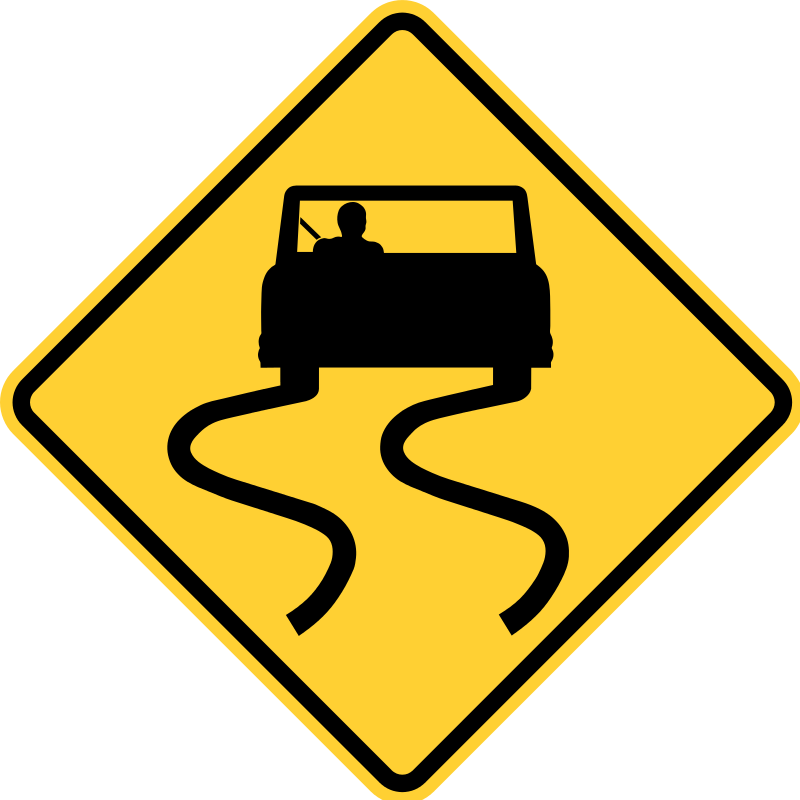 When they see this sign, drivers:
A
should be prepared to make sharp turns at a high speed.
B
need to be prepared to turn right and then left quickly.
C
should not spee
No explanation available.
Question 11
The use of alcohol and/or drugs affects:
A
concentration and reaction time.
B
alertness and judgement.
C
All of the above.
No explanation available.
Question 12
A red arrow on a traffic light means:
A
You may not turn in the direction of the arrow until a green light or arrow light goes on.
B
You may turn in in the direction of the arrow after coming to a complete stop.
C
You must stop and then proceed when the way is clear.
No explanation available.
Question 13
How can you prevent fatigue on a long trip?
A
Plan to drive long trips with a companion.
B
Get enough sleep.
C
All of the above.
No explanation available.
Question 14
Who is most at risk?
A
Drivers who have overslept.
B
Drivers who are driving long distances without rest breaks.
C
Experienced drivers.
No explanation available.
Question 15
If you remain in the back blind spot of a large vehicle:
A
you increase the chance of a crash.
B
the large vehicle will take much longer to stop.
C
you can reduce fuel consumption.
No explanation available.
Question 16
When driving on a roadway with a single broken white line:
A
you may cross the broken white line to change lanes.
B
you may change lanes only if you are in the right lane.
C
you may not cross the broken white line.
No explanation available.
Question 17
If your brakes are wet, you can dry them by:
A
riding the pedal lightly.
B
pull over to the right and wait until it stops raining.
C
having them checked by a mechanic.
No explanation available.
Question 18
 A flashing red light:
A
is used at dangerous intersections.
B
means the same thing as a stop sign.
C
All of the above.
No explanation available.
Question 19
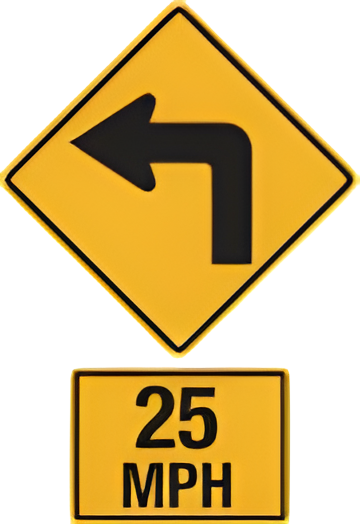 This sign indicates that:
A
the highest safe speed drivers should travel around the curve ahead is 25 MPH.
B
the safe speed around the curve ahead is at least 25 MPH.
C
drivers may not turn right if traveling at 25 MPH or less.
No explanation available.
Question 20
Your driving ability can be affected by:
A
just one drink.
B
three drinks or more.
C
at least two drinks.
No explanation available.
Question 21
 This road sign means the road you're driving on:
A
turns sharply to the left and then right
B
turns to the right and then the left
C
turns only to the left
No explanation available.
Question 22
If you drive too fast on a wet road:
A
other drivers will consider you an aggressive driver.
B
your tires may start to glide over the water.
C
your ability to judge speed will be impaired.
No explanation available.
Question 23
 This sign means:
A
A road crosses the main highway ahead.
B
The divided highway on which drivers are traveling ends ahead.
C
Drivers are coming to a point where another traffic lane joins the one they are on.
No explanation available.
Question 24
Drivers who are 16 or 17 years of age are not permitted to use any type of:
A
text-messaging device.
B
cell phone.
C
All of the above.
No explanation available.
Question 25
To safely return to your lane after passing another vehicle, you should:
A
sound your horn.
B
see both headlights of the passed vehicle in your rearview mirror.
C
flash your headlights. quickly.
No explanation available.