 drivequiz.com
 Question 1
In Wisconsin, if you have an instruction permit or probationary license using a cell phone while driving is against the law in Wisconsin except:
A
to report an emergency.
B
to send a text message.
C
to answer an important call.
D
All of the above.
No explanation available.
Question 2
You can pass on the right:
A
when a vehicle ahead makes a right turn.
B
when a vehicle ahead makes a left turn.
C
when a vehicle that is approaching from the opposite direction is prepared to turn left.
No explanation available.
Question 3
Doing all you can to prevent crashes is called:
A
Anti-Collision Driving
B
Crash-Prevention Driving
C
Defensive Driving
D
ABS Driving
No explanation available.
Question 4
 This road sign means:
A
Pavement ends
B
Winding road
C
Double curve ahead
No explanation available.
Question 5
If a vehicle suddenly cuts in front of you creating a hazard, which of these actions should you take first?
A
Sound your horn and step on the brake firmly.
B
Swerve into the lane next to you.
C
Take your foot off the gas pedal.
No explanation available.
Question 6
An orange-colored sign means:
A
Railroad crossing ahead
B
School zone ahead
C
Construction zone ahead
D
You must change lanes ahead
No explanation available.
Question 7
Double solid lines on the roadway mean:
A
you cannot pass.
B
you can not go across the lines except to turn left to enter or leave the highway.
C
All of the above.
No explanation available.
Question 8
When in a vehicle, wear a seat belt:
A
at all times.
B
on long trips.
C
on high-speed highways.
No explanation available.
Question 9
While inside the roundabout, you should:
A
remain in your lane until you are ready to exit.
B
change lanes before you check for vehicles behind you.
C
use your left turn signal if you are in position to exit now.
No explanation available.
Question 10
When following a motorcycle, drivers must remember that motorcycles can ____________ than other vehicles.
A
accelerate much faster
B
stop much more quickly
C
stop much more slowly
No explanation available.
Question 11
Drivers should change lanes:
A
often.
B
as quickly as possible.
C
gradually and carefully.
No explanation available.
Question 12
If you miss your exit from an interstate expressway, you should:
A
go to the next exit and come back to the exit you missed.
B
use the right turn signal, check your mirrors and move to the right.
C
pull over to the right and back up with caution until you reach the exit ramp.
D
make a quick U-turn from your lane of travel.
No explanation available.
Question 13
You are driving in the far right lane of a four lane freeway and notice broken white lines on the left side of your lane. You are driving:
A
on the entrance ramp.
B
in a special lane for slow moving vehicles.
C
in an exit lane.
No explanation available.
Question 14
The road is the most slippery:
A
when it first starts to rain.
B
after it rains.
C
All of the above.
No explanation available.
Question 15
What do warning signs mean?
A
Danger ahead.
B
Drivers are approaching a location where there is a special rule.
C
All of the above.
No explanation available.
Question 16
If you get on a wrong expressway exit, you must:
A
get off at the next exit and look for signs that tell you how to return to the expressway.
B
use the the exit ramp to accelerate to expressway speed and blend with traffic.
C
drive in reverse to return to the expressway.
No explanation available.
Question 17
When a stop is required at an intersection with no stop line or crosswalk:
A
Drivers should stop only at a place where the driver can see at least 100 feet on either side.
B
Drivers are required to slow down to make sure crossing traffic is clear.
C
Drivers are not required to stop.
D
Drivers should stop at the point nearest the intersecting roadway where the driver has a view of approaching traffic on the intersecting roadway before actually entering the roadway.
No explanation available.
Question 18
When driving in rainy weather, you should:
A
steer and brake smoothly.
B
drive in low gear.
C
steer off the road.
No explanation available.
Question 19
When a pedestrian carrying a white cane is at the corner ready to cross the street in front of you, before making your right turn, you should:
A
use your horn to help the pedestrian cross the street.
B
turn off the ignition until the person crosses the street.
C
yield the right-of-way and wait until the pedestrian crosses the street.
No explanation available.
Question 20
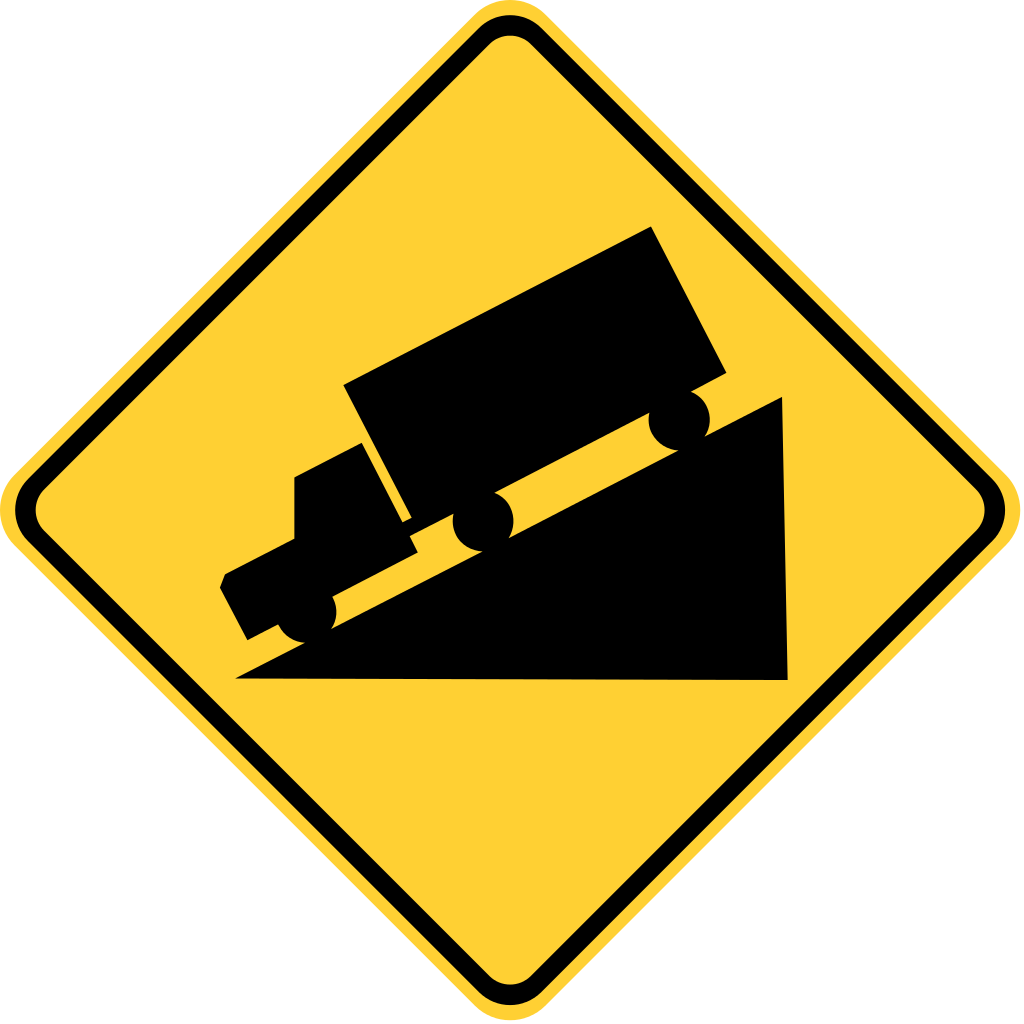 This road sign means:
A
Truck stop ahead
B
No trucks allowed
C
Hill or downgrade up ahead
No explanation available.
Question 21
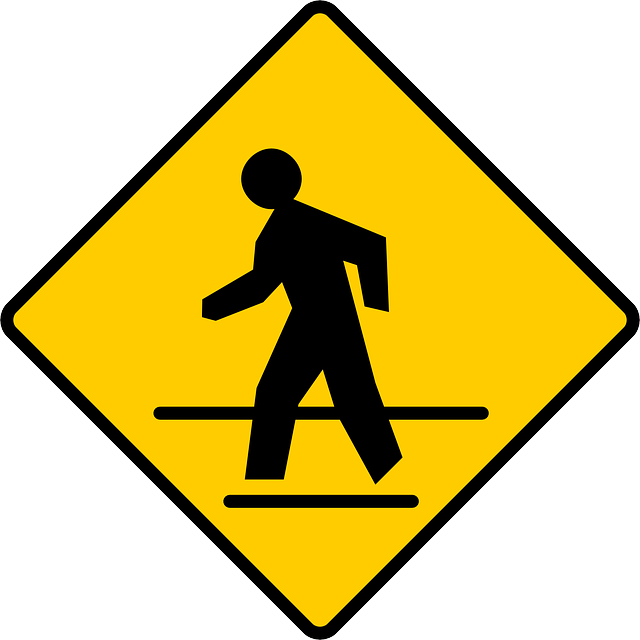 This road sign means:
A
Pedestrian crossing
B
School zone
C
School crossing
No explanation available.
Question 22
What should you do if one of your tires blows out?
A
Hold the steering wheel tight and brake immediately to avoid the risk of skidding.
B
Leave the road immediately.
C
Hold the steering wheel tight and slowly take your foot off the gas pedal.
No explanation available.
Question 23
Destination signs are ______ with ____ letters and symbols.
A
green; white
B
blue; white
C
white; black
No explanation available.
Question 24
If you are involved in a serious motor vehicle crash:
A
report the crash to the police.
B
determine if anyone is injured.
C
stop.
D
All of the above.
No explanation available.
Question 25
As the percentage of alcohol in your blood (BAC) increases, you become:
A
more reactive.
B
more intoxicated.
C
more sober.
No explanation available.
Question 26
Left turns on a red light are allowed:
A
from a one-way street into a one-way street.
B
Never.
C
at intersections, after stopping, if the way is clear.
No explanation available.
Question 27
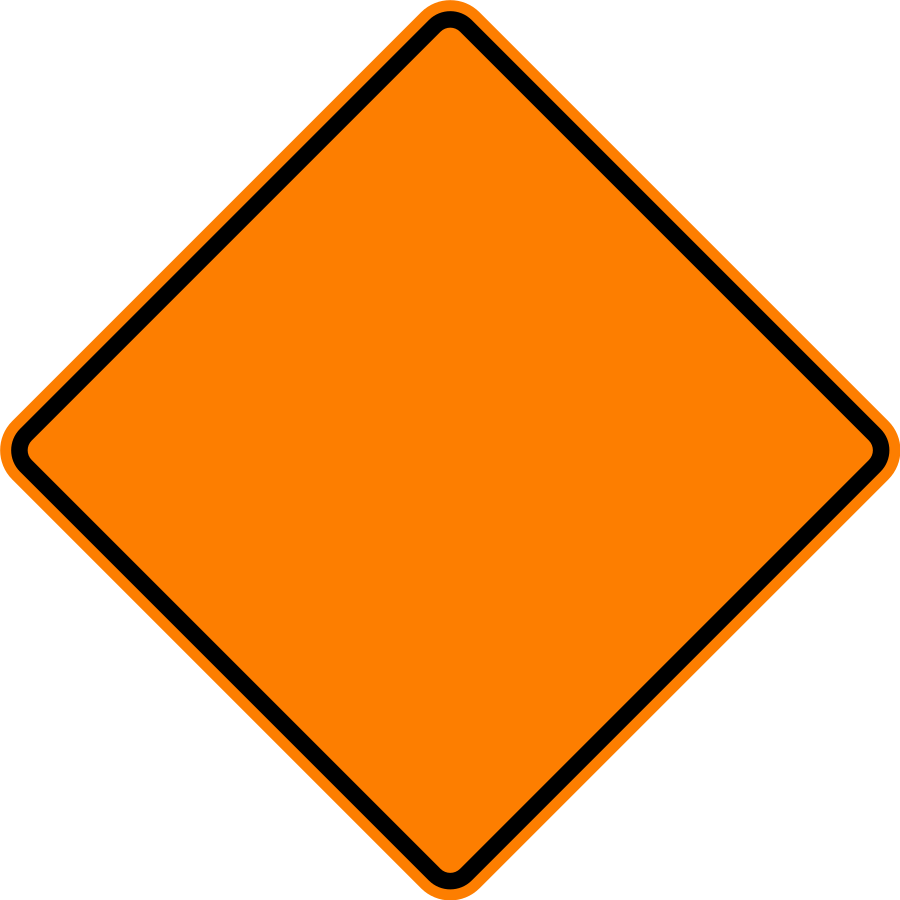 Signs with orange backgrounds mean:
A
railroad crossing.
B
side road ahead.
C
road construction site.
No explanation available.
Question 28
When you plan to turn, you should signal at least ______ before you turn.
A
200 feet
B
250 feet
C
50 feet
D
100 feet
No explanation available.
Question 29
 This road sign means:
A
Winding Road Ahead
B
Persons with Disabilities Parking
C
Merge
No explanation available.
Question 30
 This sign warns drivers that:
A
there is a one lane bridge ahead.
B
the right lane ends.
C
the road ahead is narrow.
No explanation available.
Question 31
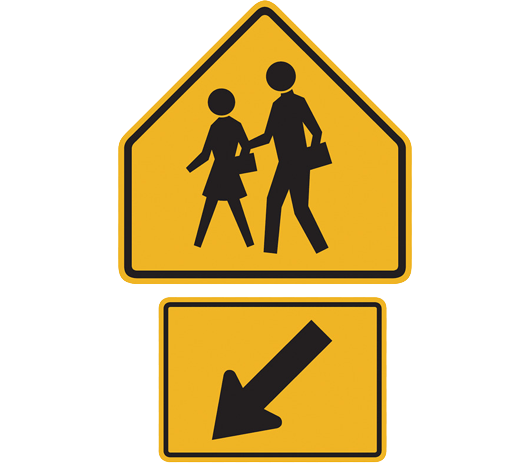 At a school crossing, drivers should:
A
always stop, whether there’s a stop sign or not.
B
always sound their horn and stay alert.
C
watch for children and be ready to stop.
No explanation available.
Question 32
When a school bus is picking up or dropping off children, you must:
A
slow down and pass the bus with caution.
B
stop if you are driving in the same direction.
C
stop regardless of your direction of travel.
No explanation available.
Question 33
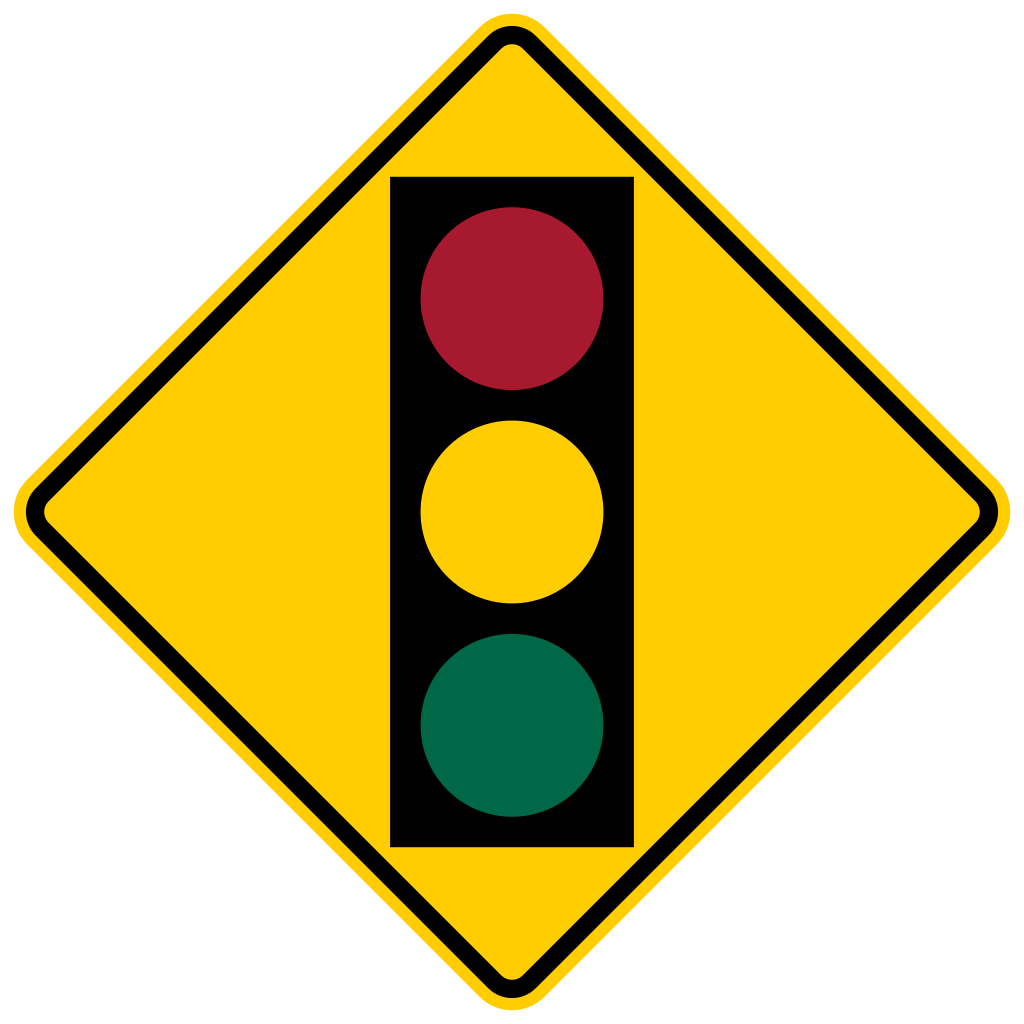 This sign means:
A
No traffic signal ahead
B
Traffic signal ahead
C
Open intersection ahead
No explanation available.
Question 34
What do pennant-shaped signs indicate?
A
A school crossing
B
Yield
C
A No Passing Zone
No explanation available.
Question 35
 This sign indicates that the road ahead:
A
turns sharply right, then left.
B
is a divided highway.
C
curves right, then left.
D
curves right.
No explanation available.
Question 36
When approaching a construction site, drivers should:
A
accelerate to get out of the way quickly.
B
slow down and adjust their driving manner.
C
honk their horn to alert construction workers of their presence.
No explanation available.
Question 37
This road sign means:
A
A road joins from the left
B
The road ahead turns sharply right then sharply left
C
Sharp right turn
D
Winding road ahead
No explanation available.
Question 38
If the entrance lane is too short to allow acceleration to highway speed, you should:
A
go to the next entrance ramp.
B
stop and wait for a large gap in traffic, then enter the highway and accelerate quickly.
C
merge into highway traffic as soon as possible.
No explanation available.
Question 39
Drivers should be aware that a motorcyclist may:
A
decrease speed and rise off the seat when approaching a railroad crossing.
B
quickly change speed or lane position.
C
All of the above.
No explanation available.
Question 40
To keep your vehicle from rolling into traffic when parked on a hill, if you are facing uphill you should:
A
turn the front wheels away from the curb or edge of the road.
B
turn the back wheels towards the curb or edge of the road.
C
set the parking brake and keep the front wheels straight.
D
turn the front wheels towards the curb or edge of the road.
No explanation available.
Question 41
At a crosswalk:
A
construction workers must yield to drivers.
B
drivers must yield to pedestrians.
C
pedestrians must yield to drivers.
No explanation available.
Question 42
Unlike passenger cars, trucks have blind spots:
A
on the right.
B
directly behind them.
C
on the front.
No explanation available.
Question 43
When following motorcycles, drivers should:
A
reduce the minimum following distance.
B
try to pass them as they have different braking capabilities than other motor vehicles.
C
keep more space in front of their vehicle.
No explanation available.
Question 44
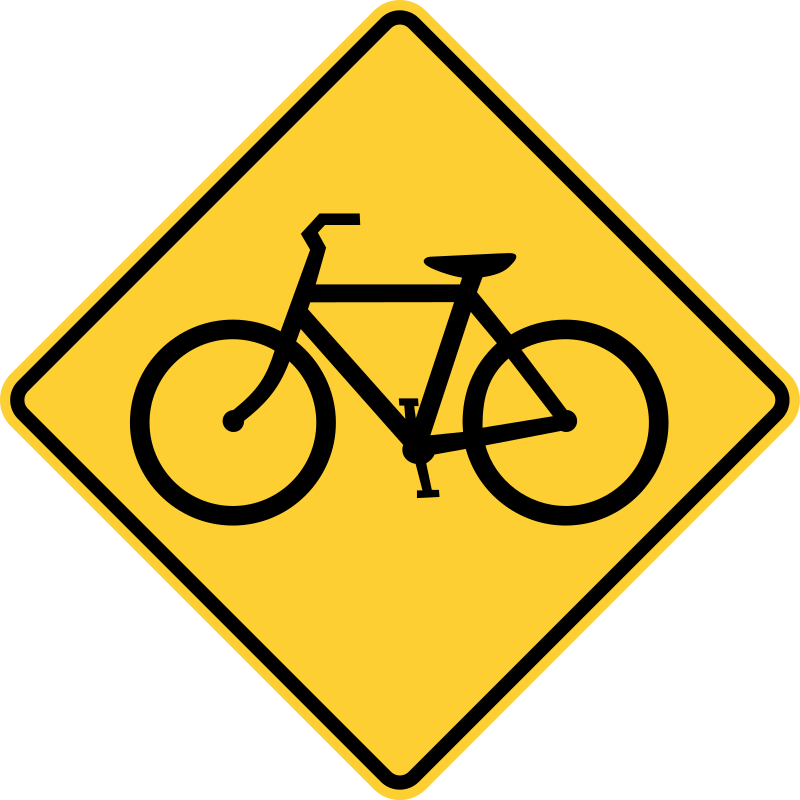 This road sign means:
A
Watch for bicycles
B
Bicycle parking ahead
C
Bicycles are not allowed in this area
No explanation available.
Question 45
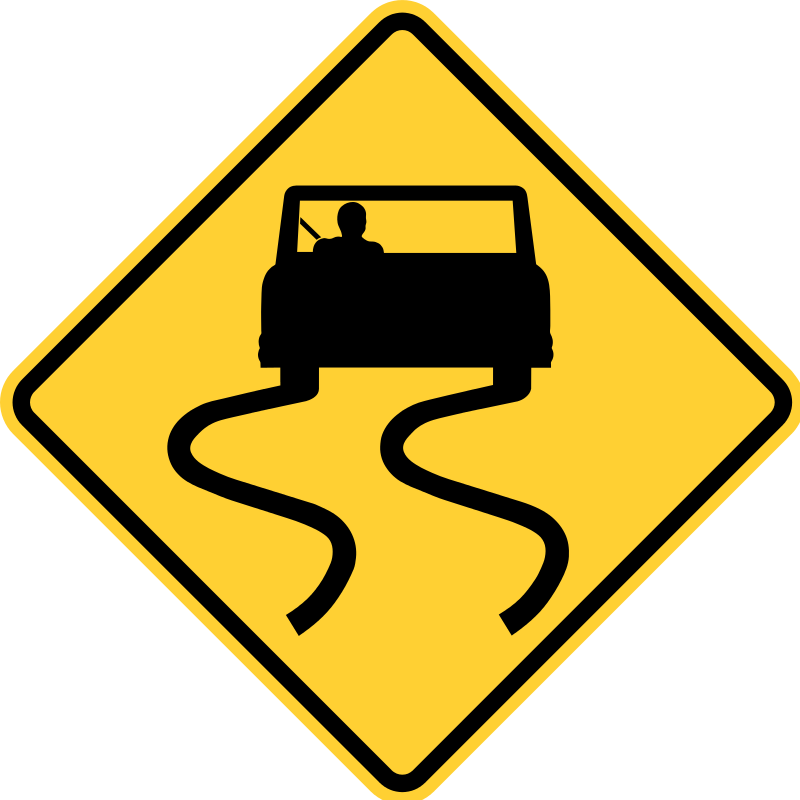 This road sign means:
A
Winding road
B
Side road ahead
C
Slippery when wet
No explanation available.
Question 46
 The octagonal shape is used:
A
for stop signs and railroad advance warning signs.
B
exclusively for stop signs.
C
to warn drivers of existing or possible hazards on roadways.
No explanation available.
Question 47
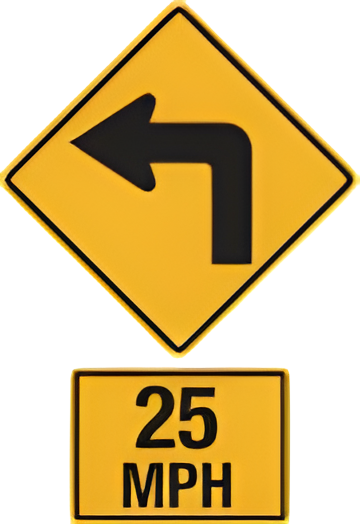 This sign means:
A
If you are driving at 40 MPH or less you must stay in the right-hand lane
B
Curve ahead, drive at 40 MPH ot more around the curve ahead
C
Curve ahead, the recommended speed is 40 MPH or less
No explanation available.
Question 48
When the road is slippery you should:
A
decrease the following distance.
B
slow and pro-ceed with caution.
C
check your brakes.
No explanation available.
Question 49
When other drivers around you are acting in anger, you should:
A
slow down or move over safely.
B
distance yourself from the situation.
C
avoid making eye contact.
D
All of the above.
No explanation available.
Question 50
 When they see a yellow X signal, drivers should:
A
come to a complete stop at the marked stop line.
B
turn off the ignition.
C
prepare to leave the lane safely.
No explanation available.