 drivequiz.com
 Question 1
A red arrow on a traffic light means:
A
You may not turn in the direction of the arrow until a green light or arrow light goes on.
B
You may turn in in the direction of the arrow after coming to a complete stop.
C
You must stop and then proceed when the way is clear.
No explanation available.
Question 2
What is the only effective method to reduce your BAC?
A
Eating before or while you drink.
B
Not drinking over a period of time.
C
Drinking coffee.
No explanation available.
Question 3
When driving on a wet road:
A
as you drive faster, your tires may lose traction.
B
you must be aware that the pavement gets even more slippery when it's been raining for long periods of time.
C
you should follow the vehicle ahead of you more closely.
D
as you decrease your speed, the road becomes more slippery.
No explanation available.
Question 4
When driving at night, you should slow down and:
A
use high beams whenever possible, but never when there's oncoming traffic.
B
use high beams until other drivers dim their lights.
C
follow the vehicle ahead more closely to avoid glare from oncoming headlights.
D
come to a complete stop whenever there's oncoming traffic.
No explanation available.
Question 5
Blind spots are:
A
Dangerous intersection where the maximum speed limit is 15 MPH or less.
B
At night, the darkest areas of a road, where emergency flashers should be used.
C
Areas to the side or rear of a vehicle that the driver cannot see with use of mirrors.
No explanation available.
Question 6
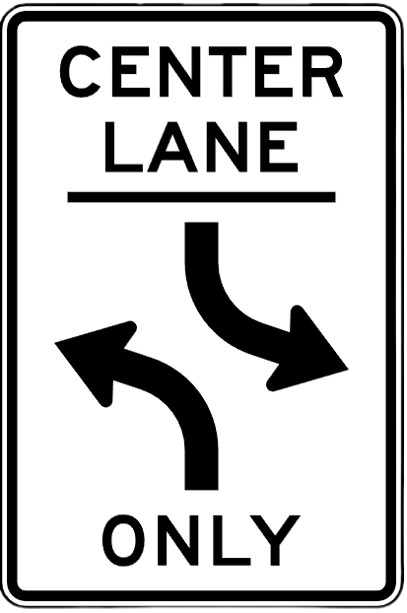 This sign means:
A
The center lane is shared for left turns.
B
Left turns in both directions of travel are not permitted.
C
Vehicles may only turn left.
No explanation available.
Question 7
Regulation signs normally are ____ rectangles with ____ letters or symbols.
A
yellow; black
B
white; black
C
green; white
No explanation available.
Question 8
 This road sign means:
A
Wrong Way
B
Merging Traffic
C
Curve ahead
No explanation available.
Question 9
When driving you should look ________ down the road.
A
10 to 15 seconds.
B
1 to 2 blocks.
C
at least 200 yards.
No explanation available.
Question 10
 The yield sign means:
A
Drive with caution in wet weather.
B
You must come to a complete stop.
C
Slow down and give vehicles crossing your path the right-of-way.
No explanation available.
Question 11
Drivers must yield for emergency vehicles:
A
Never.
B
only when other vehicles yield.
C
when they see a flashing red or blue light or hear a siren.
D
None of the above.
No explanation available.
Question 12
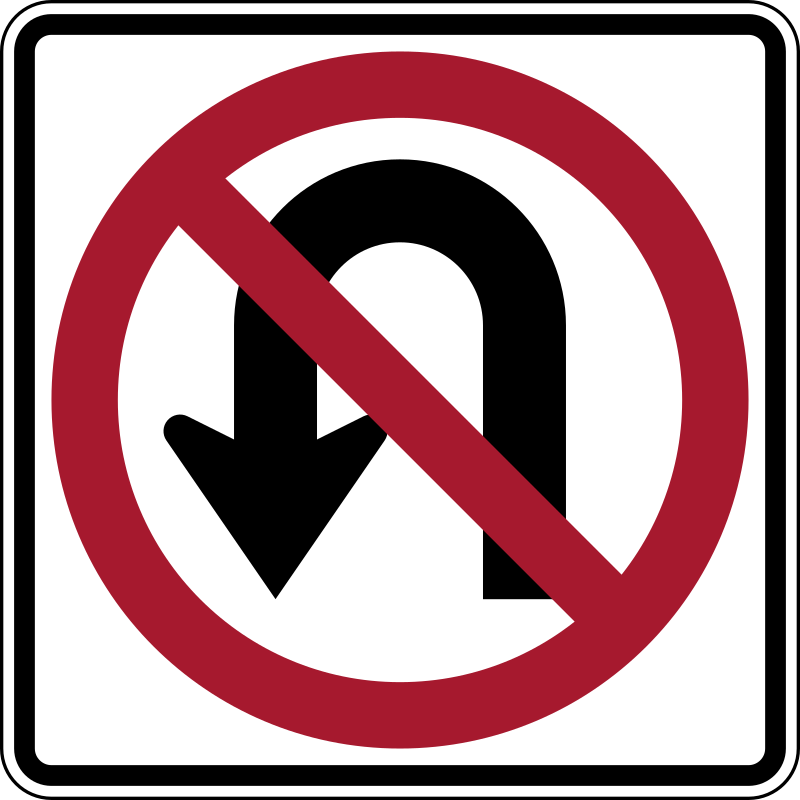 This road sign means:
A
No left turn
B
No U-turn
C
Detour ahead
No explanation available.
Question 13
What should you do when an aggressive driver confronts you?
A
Avoid eye contact with the aggressive driver.
B
Make eye contact.
C
Challenge the aggressive driver with increased speed.
No explanation available.
Question 14
When you are in a line of traffic that is crossing a railroad track that has no signals or gates:
A
you may pass slower drivers crossing the track.
B
before you start to cross, you need to make sure there is space to get all the way across the tracks without stopping.
C
you have the right of way and do not need to check for trains.
D
All of the above.
No explanation available.
Question 15
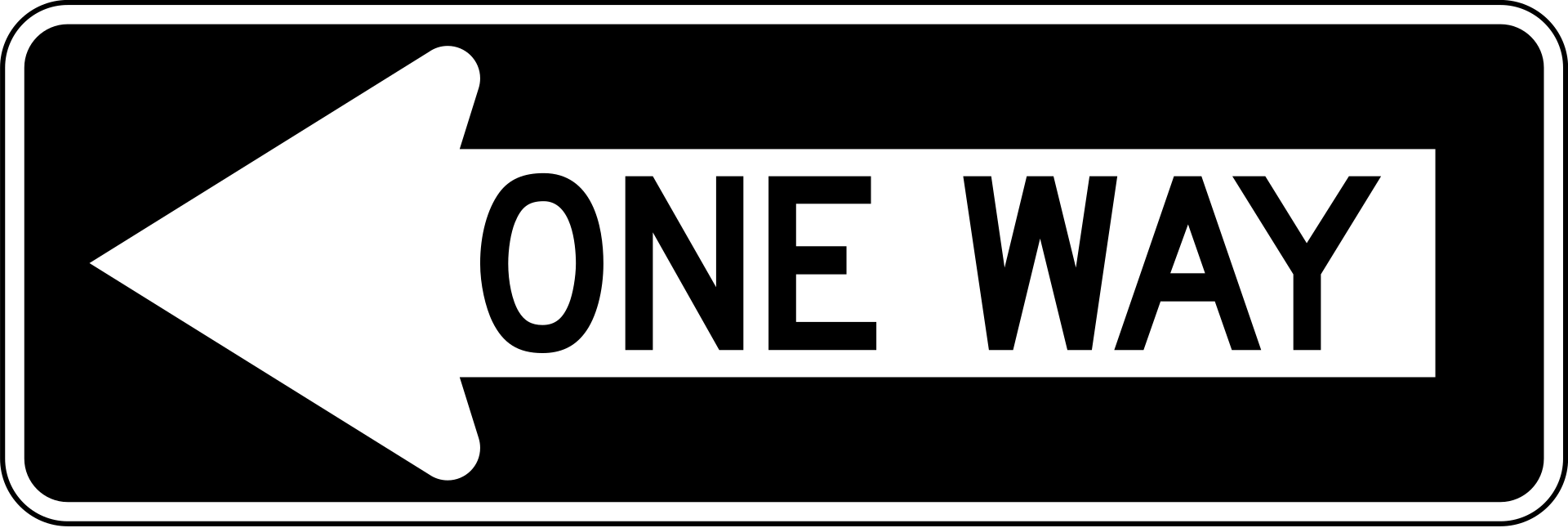 The ‘One Way’ sign means that:
A
only vehicles turning left may travel in the direction of the arrow.
B
there is only one road that turns left at the intersection.
C
drivers may travel only in the direction of the arrow.
No explanation available.
Question 16
Excessive speed:
A
helps you to maneuver around obstacles.
B
saves time so you can get to your destination more quickly.
C
increases the likelihood of serious bodily injuries and death.
No explanation available.
Question 17
A large vehicle is backing up to unload goods. You should:
A
enter one of the blind spots and wait.
B
try to pass close behind.
C
be patient and wait until the large vehicle has completed its backup maneuver.
No explanation available.
Question 18
Before you change lanes, you should:
A
look for other traffic by turning your head and looking behind you for oncoming traffic.
B
check your left mirror.
C
keep other vehicles out of your blind spots.
No explanation available.
Question 19
To avoid hydroplaning you should:
A
keep your tires properly inflated.
B
slow down when roads are wet.
C
All of the above.
No explanation available.
Question 20
To pass a bicyclist traveling in the same direction on a two-lane road without bicycle lanes, you should:
A
continue driving straight, it is the bicyclist’s responsibility to get out of your way.
B
slow down and wait until there is no oncoming traffic, then pass the bicyclist leaving him or her sufficient space.
C
honk at the bicyclist to let him or her know you are about to pass.
D
not pass the bicyclist until you come to a traffic signal or stop sign.
No explanation available.
Question 21
Drivers must be prepared for anything coming up in the road ahead. They should:
A
scan the road for traffic conditions and possible hazards.
B
drive with the right foot resting lightly on the brake pedal.
C
stare straight ahead at all times.
D
maintain focus toward the left of the road.
No explanation available.
Question 22
You should use your horn:
A
when another driver makes a mistake.
B
to encourage others to drive faster.
C
whenever it will help prevent a crash.
No explanation available.
Question 23
 The sign in the picture:
A
is a Construction and Maintenance Traffic Control sign.
B
is found at most intersections and indicates that drivers must yield to other vehicles.
C
is displayed on the rear of slow moving vehicles.
No explanation available.
Question 24
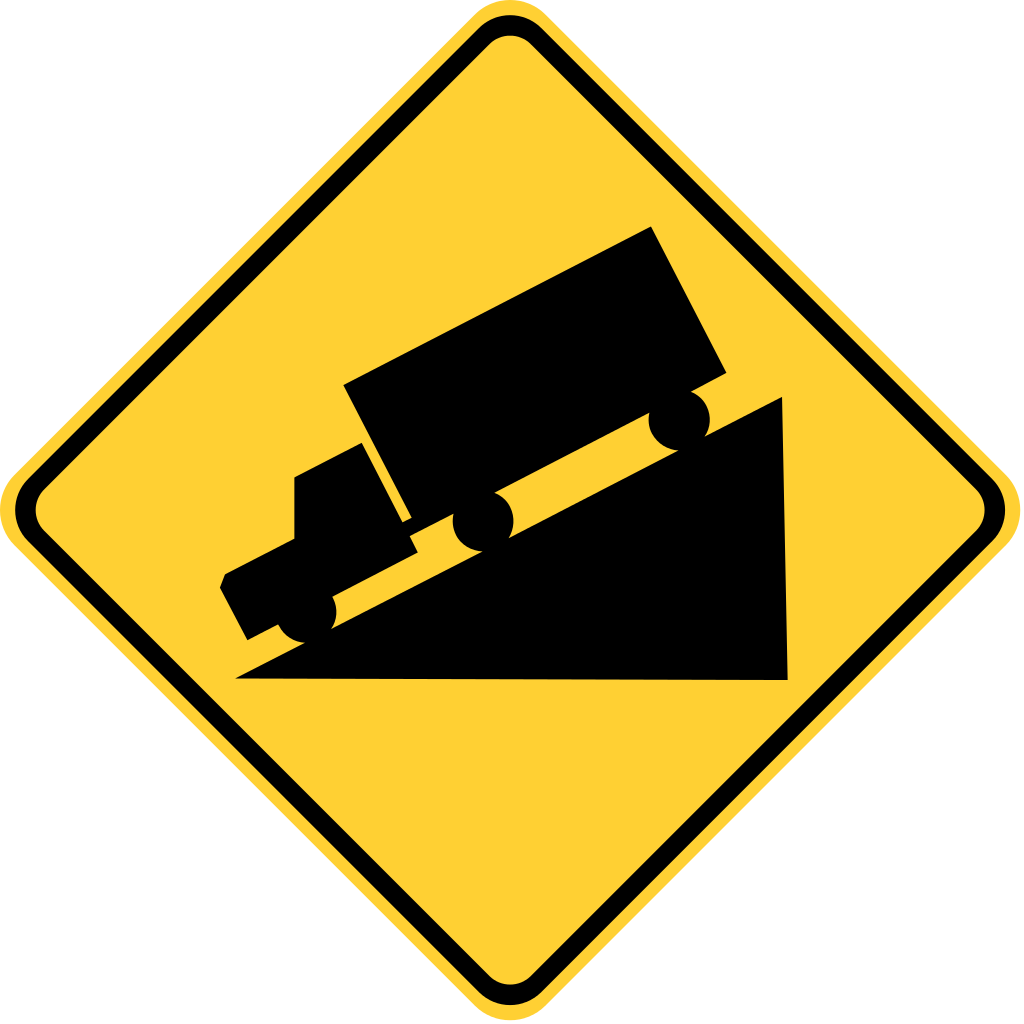 When they see this sign, drivers should:
A
be ready to brake sharply and stop.
B
be ready to shift to lower gear.
C
yield to trucks coming from the hill on the right.
No explanation available.
Question 25
You ________ traffic headed toward you when you turn left.
A
must not yield to
B
must interrupt
C
must yield to
No explanation available.
Question 26
A red traffic sign means?
A
Do not enter.
B
Stop.
C
All of the above.
No explanation available.
Question 27
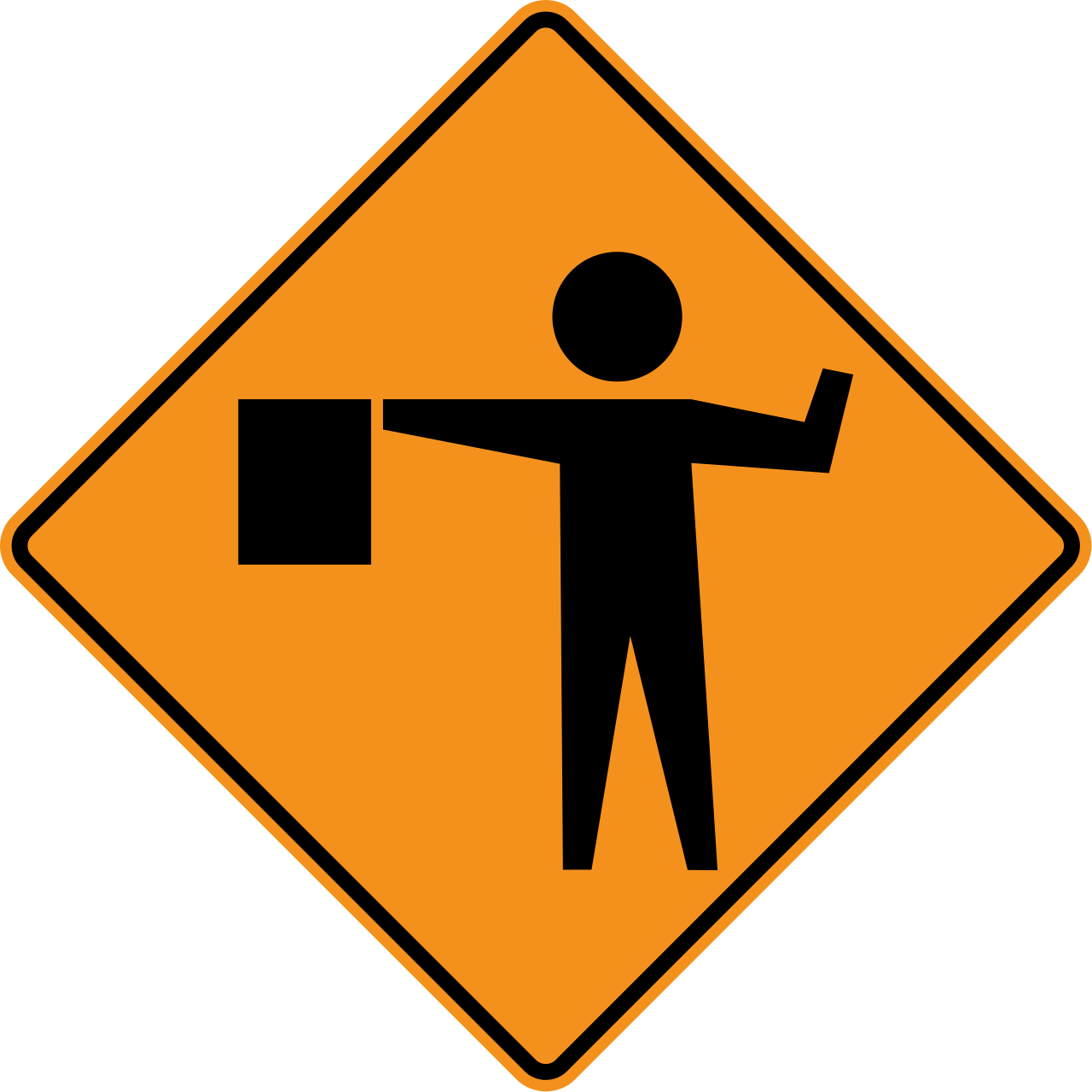 This road sign means:
A
Right lane closed
B
Do not block intersection
C
Flagger ahead
No explanation available.
Question 28
If you drink alcohol socially, what helps insure safe driving?
A
Stop drinking one hour before driving.
B
Drink coffee before driving.
C
Take a cold shower before driving.
D
Ride home with a friend who has not been drinking.
No explanation available.
Question 29
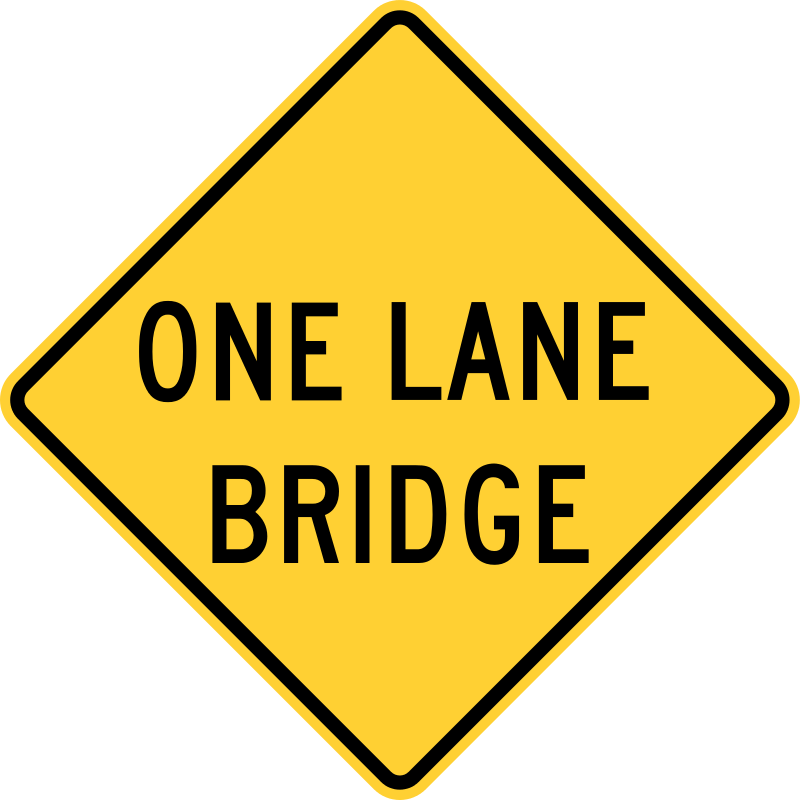 What should drivers do when they see this sign?
A
Make sure the bridge is clear of oncoming traffic before they cross.
B
Look to the left and right for other traffic.
C
Allow others to merge smoothly.
No explanation available.
Question 30
If the entrance lane is too short to allow acceleration to expressway speed, you should:
A
stop and wait for a large space in traffic.
B
enter the expressway and accelerate quickly.
C
reduce your speed to 15 MPH or less and blend with traffic.
No explanation available.
Question 31
Parking is not allowed:
A
in an intersection, unless permitted by signs.
B
within 300 feet of a pedestrian safety area.
C
on public roads
No explanation available.
Question 32
If your turn signals fail, you should use _____ to indicate your intention to turn.
A
your emergency flashers
B
your horn
C
your high beams
D
hand signals
No explanation available.
Question 33
 This sign means:
A
You may make a U-turn.
B
Hairpin corner ahead.
C
You must make a U-turn.
No explanation available.
Question 34
Which shape is a stop sign?
A
Diamond
B
Octagon
C
Upside-down triangle
No explanation available.
Question 35
 This sign warns drivers of:
A
a reduction of lanes.
B
a dip in the road. Drivers should be ready to stop if the dip is filled with water.
C
a bridge ahead, wide enough to accommodate two lanes of traffic, but with very little clearance.
No explanation available.
Question 36
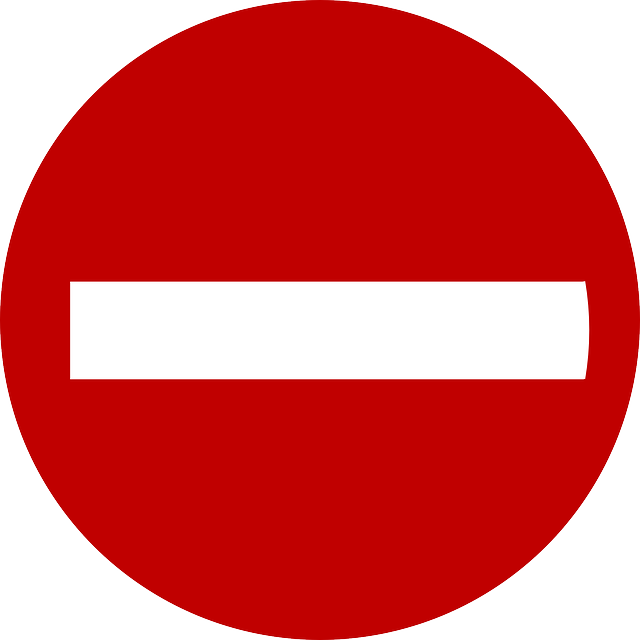 This road sign means:
A
No left turn
B
Lane ends
C
Do not enter
No explanation available.
Question 37
Diamond-shaped signs:
A
are used to warn of hazards on roadways.
B
indicate no pass zones.
C
typically provide guidance to drivers.
No explanation available.
Question 38
 This sign is a warning that you are approaching:
A
a railroad crossing.
B
a crosswalk.
C
a dead-end street.
No explanation available.
Question 39
The picture shows a _________ sign.
A
no U-turn
B
no left turn
C
sharp turn
No explanation available.
Question 40
Drinking alcohol while taking drugs can:
A
have a less pronounced effect than either taken separately.
B
have a more pronounced effect than either taken separately.
C
improves concentration.
D
improve your driving performance.
No explanation available.
Question 41
What is the slow moving vehicle symbol?
A
A reflective yellow diamond
B
A reflective white triangle
C
A reflective orange triangle
No explanation available.
Question 42
The amount of alcohol in the blood is measured by:
A
blood alcohol concentration (BAC).
B
Number of Drinks (NOC).
C
Amount of Alcohol Drunk (AAD).
No explanation available.
Question 43
A steady yellow light at an intersection means:
A
Proceed with caution through the intersection
B
Slow down and be prepared to stop
C
Immediately come to a complete stop
D
Yield to other vehicles
No explanation available.
Question 44
Before backing up, you should:
A
get off the car to see if it is clear to proceed.
B
rely on your mirrors to see if it is clear to proceed.
C
turn your head and look through the rear window.
D
flash your headlights.
No explanation available.
Question 45
Before a school bus stops to load passengers, the driver will usually flash:
A
yellow warning lights.
B
red warning lights.
C
red lights.
No explanation available.
Question 46
You may not pass another vehicle on either side of a _______ centerline.
A
solid or broken yellow
B
single broken white
C
double solid yellow
D
single broken yellow
No explanation available.
Question 47
When driving in fog, drivers should use:
A
low beam headlights.
B
parking lights.
C
high beam headlights.
No explanation available.
Question 48
Before turning left, it is important to:
A
swing to the right side of your lane.
B
sound your horn to warn the other drivers.
C
yield to oncoming vehicles.
D
flash your headlights to alert the other drivers.
No explanation available.
Question 49
Which of the following substances can affect the ability to drive?
A
Tranquilizers and sedatives.
B
Cold tablets containing codeine or antihistamines.
C
All of the above.
No explanation available.