 drivequiz.com
 Question 1
When you pass another vehicle, before you return to the right lane, you must:
A
look at your interior rear-view mirror.
B
signal.
C
All of the above.
No explanation available.
Question 2
In case of skidding, drivers should NOT:
A
take their foot off the gas pedal.
B
pump the brakes gently if they are about to hit something.
C
tap the gas pedal with their foot.
No explanation available.
Question 3
There is one lane in your direction and the vehicle ahead of you often slows down for no apparent reason. In this situation you should:
A
increase the following distance between you and the other vehicle.
B
flash your headlight quickly to alert the other drivers.
C
pass the vehicle as soon as possible.
No explanation available.
Question 4
A curb painted blue means parking is:
A
allowed for no longer than 15 minutes.
B
for picking up or dropping of passengers.
C
for disabled persons with a special placard or plate.
No explanation available.
Question 5
Air bags are meant to _________ seat belts.
A
work with
B
fix
C
replace
No explanation available.
Question 6
With a Class C drivers license a person may drive:
A
A 3-axle vehicle if the Gross Vehicle Weight is less than 6,000 pounds.
B
Any 3-axle vehicle regardless of the weight.
C
A vehicle pulling two trailers.
No explanation available.
Question 7
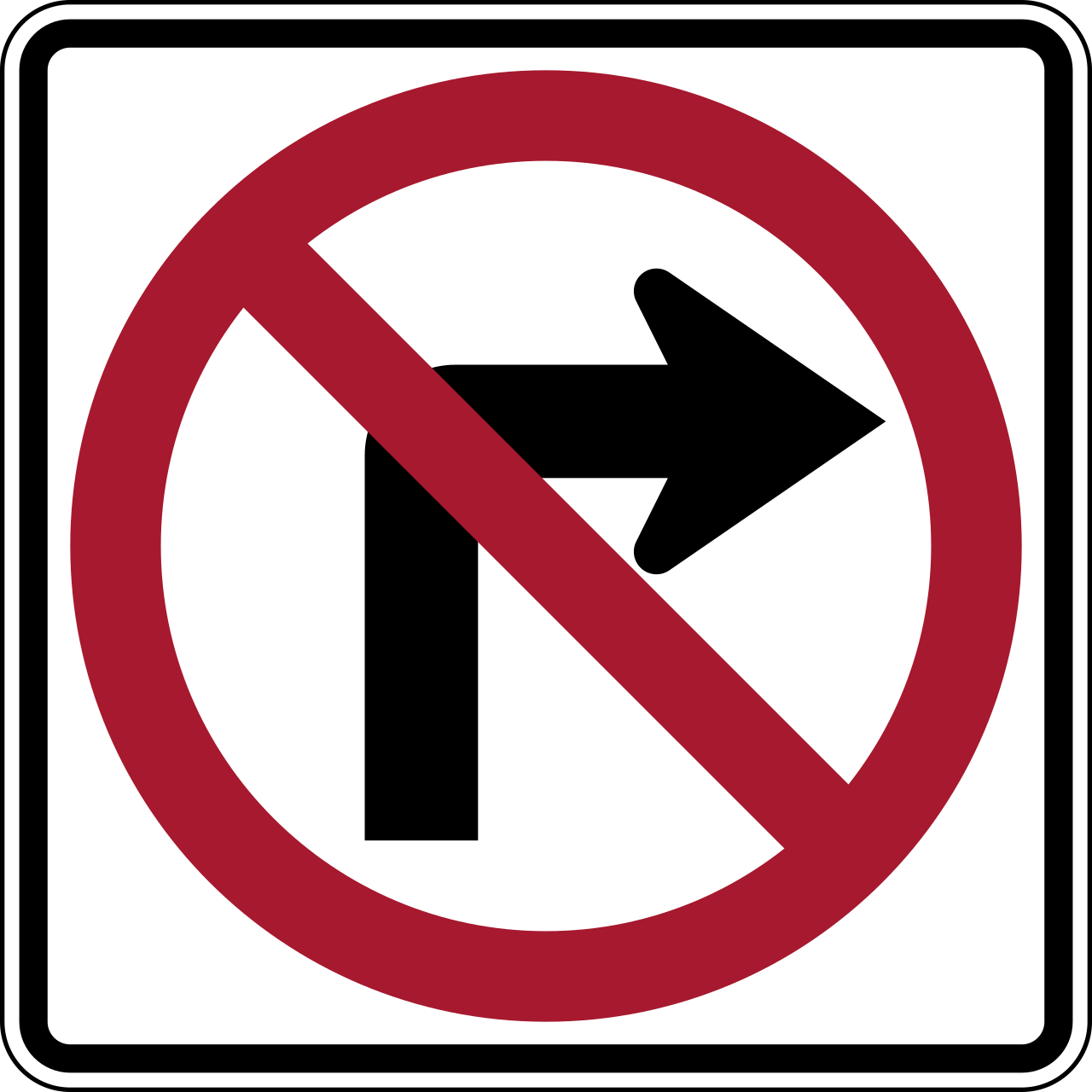 This sign tells drivers that:
A
they must make a left turn at the intersection.
B
U-turns are not allowed.
C
they must not make a right turn.
D
None of the above.
No explanation available.
Question 8
When following motorcycles, drivers should:
A
reduce the minimum following distance.
B
try to pass them as they have different braking capabilities than other motor vehicles.
C
keep more space in front of their vehicle.
No explanation available.
Question 9
You hit a parked vehicle and can’t find the owner. What must you do?
A
Wait for the owner to return.
B
Leave a note with your name and address on the parked vehicle.
C
Call your insurance company when you get home.
No explanation available.
Question 10
You have consented to take a test for the alcohol content of your blood, breath, or urine:
A
only if you have been drinking alcohol.
B
whenever you drive in California.
C
only if a collision has occurred.
No explanation available.
Question 11
You have been involved in a minor traffic collision with a parked vehicle and you can't find the owner. You must:
A
Leave a note on the vehicle.
B
Report the accident without delay to the city police or, in unincorporated areas, to the CHP.
C
All of the above.
No explanation available.
Question 12
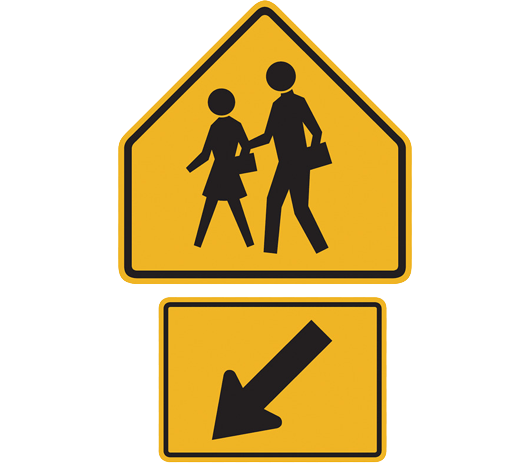 When you approach this sign, you must:
A
stop if necessary.
B
watch for workers crossing the road.
C
None of the above.
No explanation available.
Question 13
On slippery roads, drivers should:
A
leave more space in front of their vehicle.
B
increase their speed to avoid hydroplaning.
C
come to a complete stop.
No explanation available.
Question 14
There is no crosswalk and a pedestrian is crossing your lane ahead. You should:
A
stop and let the pedestrian finish crossing the street.
B
slow down as you pass the pedestrian.
C
make eye contact and then pass the pedestrian.
No explanation available.
Question 15
Which of the following is true about safety belts and collisions?
A
Safety belts keep you from being thrown clear to safety, which lowers your chances of surviving collisions.
B
Safety belts increase your chances of survival in most types of collisions.
C
Safety belts are unnecessary if your vehicle is equipped with front and side airbags.
No explanation available.
Question 16
Which of the following drugs could affect your ability to drive?
A
A cold remedy.
B
Marijuana.
C
All of the above.
No explanation available.
Question 17
Examples of proper glass maintenance include:
A
Replacing worn wiper blades.
B
Keeping your windows clean and clear.
C
All of the above.
No explanation available.
Question 18
A large truck is driving in the middle of three lanes. You want to pass the large truck. It is best to pass:
A
very slowly on the left and move ahead of it.
B
quickly on the left and move ahead of it.
C
very quickly on the right and move ahead of it.
No explanation available.
Question 19
To drive defensively, you must:
A
anticipate errors by other drivers.
B
assume that a driver who approaches a STOP sign on a side road is actually going to stop.
C
not check behind you through your mirrors.
No explanation available.
Question 20
A school bus ahead of you in your lane is stopped with red lights flashing. You should:
A
Stop as long as the red lights are flashing.
B
Slow to 25 MPH and pass cautiously.
C
Stop, then proceed when you think all of the children have exited the bus.
No explanation available.
Question 21
The shape of a route sign tells you:
A
the type of route you are on.
B
the speed limit on that route.
C
that the route you are on might be dangerous.
No explanation available.
Question 22
What should you do if your rear wheels start to skid?
A
Steer left if your rear wheels slide right.
B
If the vehicle has ABS, pump the pedal carefully.
C
Turn the steering wheel in the direction the vehicle is trying to go.
No explanation available.
Question 23
You are about to make a left turn. You must signal continuously during the last ____ feet before the turn.
A
75
B
100
C
50
No explanation available.
Question 24
Animals may be transported in the back of a pickup truck only if:
A
the tailgate of the truck is closed.
B
the sides of the truck bed are at least 18 inches high.
C
they are properly secured.
No explanation available.
Question 25
The safest precaution that you can take regarding the use of cellular phones and driving is:
A
Review the number before answering a call.
B
Use hands-free devices so you can keep both hands on the steering wheel.
C
Keep your phone within easy reach so you won't need to take your eyes off the road.
No explanation available.
Question 26
Which of the following statements about blind spots is true?
A
Blind spots can be checked by looking in your rear view mirrors.
B
They are eliminated if you have one outside mirror on each side of the vehicle.
C
Large trucks have bigger blind spots than most passenger vehicles.
No explanation available.
Question 27
Two motorcyclists are allowed to:
A
ride side-by-side in a single lane.
B
share the lane with another vehicle.
C
race on empty roads.
No explanation available.
Question 28
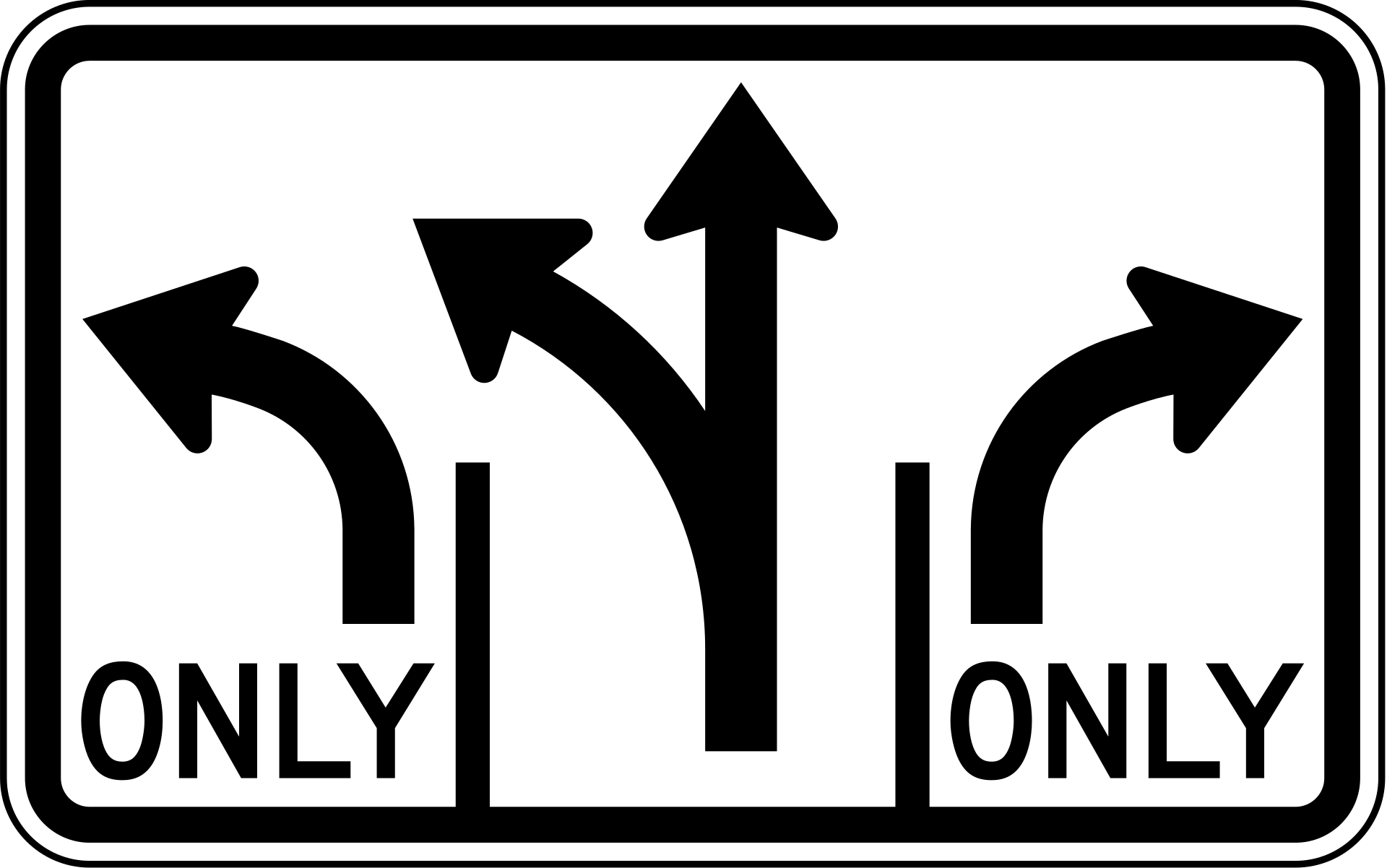 This regulatory sign tells drivers that:
A
traffic in the left lane must turn left at the intersection ahead.
B
all vehicles must turn left immediately.
C
traffic in the right lane must go straight.
No explanation available.
Question 29
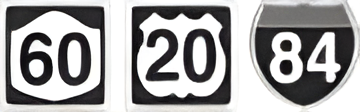 These are:
A
route signs.
B
miles-left signs.
C
speed limit signs.
No explanation available.
Question 30
At 55 mph, it takes about ____ feet to react and bring the vehicle to a complete stop.
A
100
B
250
C
400
No explanation available.
Question 31
Allow extra space in front of your vehicle when following a:
A
large tour bus.
B
station wagon.
C
passenger vehicle.
No explanation available.
Question 32
Select the best answer. Before changing lanes, you should:
A
look over your shoulder to check for blind spots.
B
look into your rear view mirror.
C
look into your rear view mirror, and also over your shoulder.
No explanation available.
Question 33
For protection, motorcyclists are required to:
A
keep their headlights and taillights on at all times.
B
signal turns, lane changes and stops.
C
wear approved helmets.
No explanation available.
Question 34
Following closely behind another vehicle (tailgating):
A
is a common cause of rear-end collisions.
B
helps keep traffic moving.
C
increases fuel efficiency.
No explanation available.
Question 35
A school bus with its red lights flashing is stopped ahead on your side of the road. You must:
A
slow to 25 MPH and proceed with caution.
B
stop until the lights stop flashing.
C
stop until all the children have left the bus.
No explanation available.
Question 36
You see a pedestrian with a white cane at the corner ready to cross the street. The person takes a step back and pulls his/her cane. You should:
A
stop your vehicle a minimum of six feet from the crosswalk and wait for the person to cross the street.
B
proceed across the street because the person is not ready to cross.
C
honk your horn to let the person know when to crosswalk and wait for the person to cross the street.
No explanation available.