 drivequiz.com
 Question 1
Which of these vehicles must stop before crossing railroad tracks?
A
Tank trucks marked with hazardous materials placards.
B
Motorhomes or pickup trucks towing a trailer.
C
Sport utility vehicles carrying four or more persons.
No explanation available.
Question 2
When driving in the far right lane of a freeway, you:
A
must give the right-of-way to merging traffic.
B
should expect merging vehicles at on-ramps.
C
must be driving slower than other traffic.
No explanation available.
Question 3
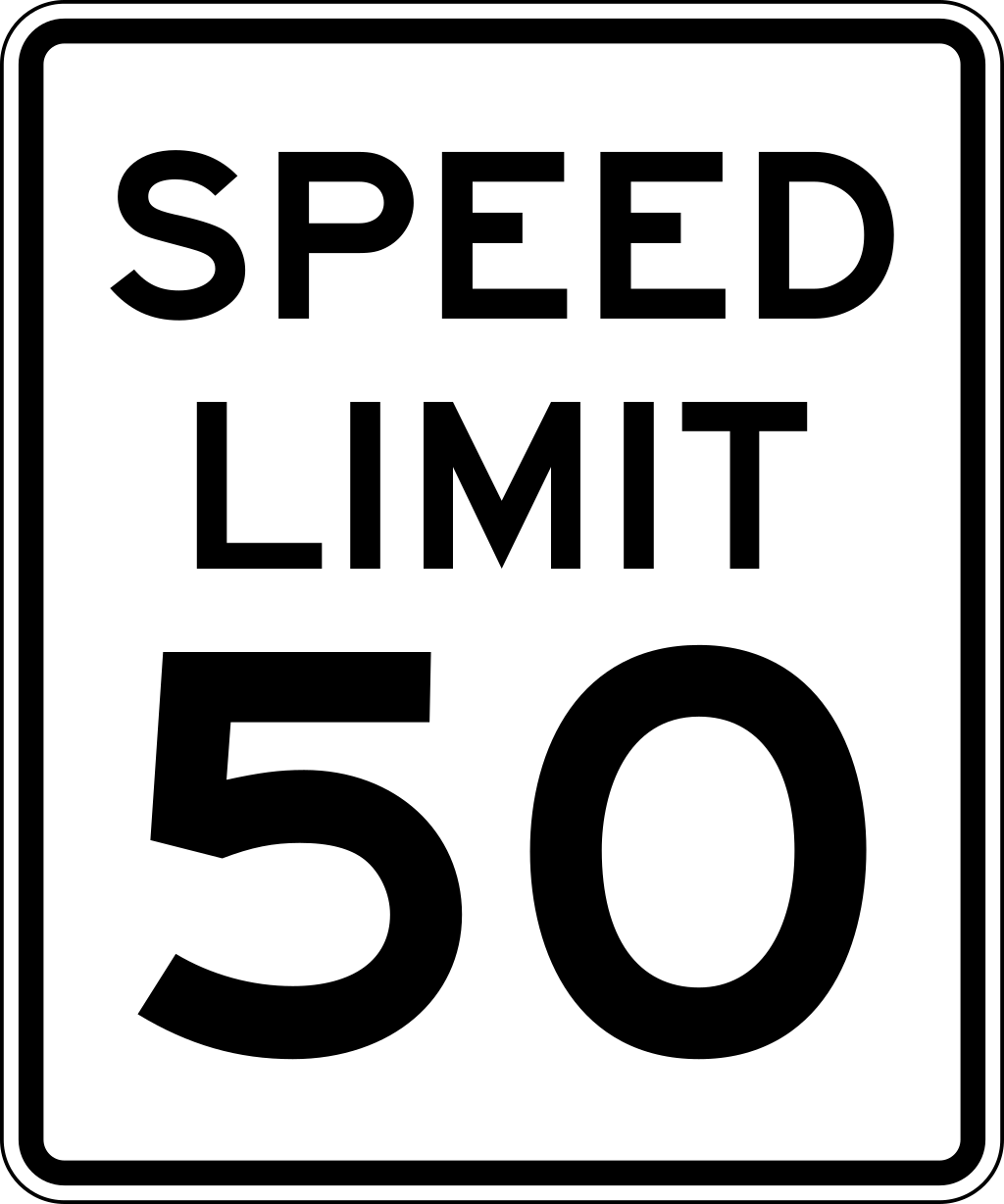 This sign indicates the _______________ vehicles can safely travel in this area.
A
suggested speed
B
maximum speed
C
minimum speed
No explanation available.
Question 4
A school bus with flashing red lights is on the other side of a divided highway. You:
A
must slow down and prepare to stop.
B
do not need to stop.
C
must stop and remain stopped until the lights stop flashing.
No explanation available.
Question 5
You are going to make a left turn from a dedicated left-turn lane when a yellow arrow appears for your lane. You should:
A
be prepared to obey the next signal that appears.
B
stop and not turn under any circumstances.
C
speed up to get through the intersection.
No explanation available.
Question 6
Two drivers reach an uncontrolled intersection at the same time. Who has the right of way?
A
The driver on the left.
B
No one.
C
The driver on the right.
No explanation available.
Question 7
Before crossing any railroad tracks, you must:
A
look and listen for trains.
B
make sure there is room for your vehicle on the other side.
C
All of the above.
No explanation available.
Question 8
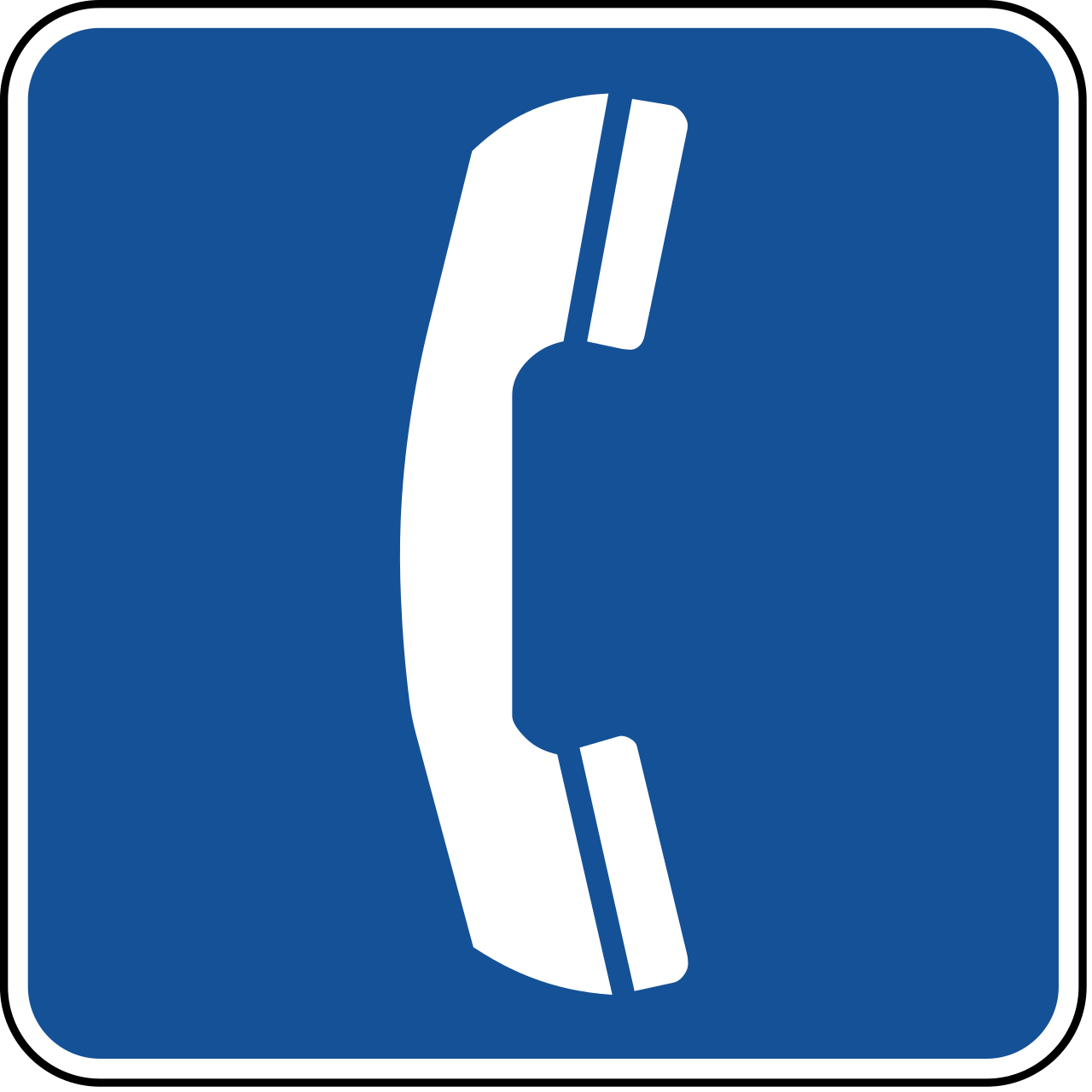 This sign indicates:
A
Phone service ahead
B
Emergency line available
C
Cell phone shop ahead
No explanation available.
Question 9
Drivers are required to obey instructions from:
A
Other drivers whose vehicles are broken down on the roadway.
B
Security guards patrolling parking lots.
C
Flaggers (signal persons) at construction sites.
No explanation available.
Question 10
For which of the following traffic lights must you always stop your vehicle?
A
Solid red lights, flashing red lights, and yellow lights.
B
Solid red lights, flashing red lights, and blacked-out traffic signals.
C
Solid red lights, red arrows, and flashing yellow lights.
No explanation available.
Question 11
A flashing red light means:
A
The same as a STOP sign.
B
The light will soon change to steady red.
C
Drive with caution.
No explanation available.
Question 12
When sharing the road with a light rail vehicle, you:
A
may turn in front of an approaching light rail vehicle at an uncontrolled intersection.
B
may not drive in the lane next to the light rail vehicle.
C
should monitor all traffic signals closely because light rail vehicles can interrupt traffic signals.
No explanation available.
Question 13
Smoking inside a vehicle when a person younger than 18 years of age is present is:
A
up to the driver to decide.
B
legal, if it is your child.
C
illegal.
No explanation available.
Question 14
 What does the flashing signal in the picture indicate?
A
The same thing as a stop sign.
B
Pedestrians should finish crossing the street if started.
C
Pedestrians should start crossing the street.
No explanation available.
Question 15
A solid yellow line next to a broken yellow line means that vehicles:
A
next to the solid line may pass.
B
in both directions may pass.
C
next to the broken line may pass.
No explanation available.
Question 16
Allow extra space in front of your vehicle when following a:
A
station wagon.
B
motorcycle.
C
passenger vehicle.
No explanation available.
Question 17
Which of the following is true about use of your turn signals?
A
If you signal for a lane change, other drivers must let you in.
B
You must always signal for lane changes.
C
You should never use both electric and hand signals.
No explanation available.
Question 18
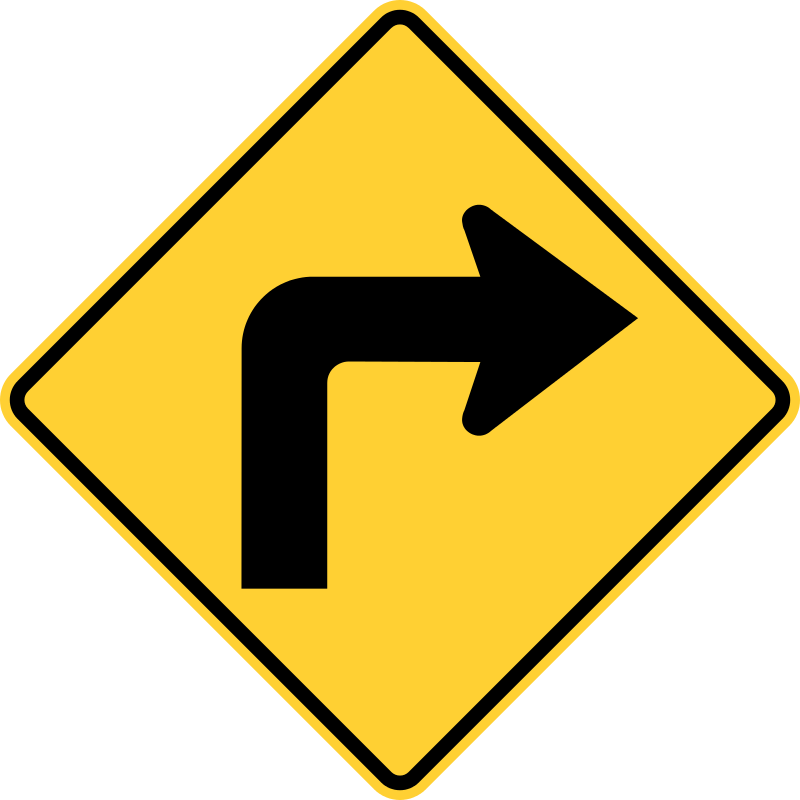 This sign means:
A
Right turn permitted on green arrow only.
B
Right turn only lane.
C
Sharp turn to the right.
No explanation available.
Question 19
Which of the following is true about vehicles displaying a diamond shaped sign indicating hazardous load?
A
They are not allowed to exceed 35 MPH.
B
They are not allowed to drive on freeways.
C
They must stop before crossing railroad tracks.
No explanation available.
Question 20
If you have a collision, you are required by law to exchange your driver license information with:
A
security guards.
B
others involved in the collision.
C
witnesses.
No explanation available.
Question 21
_________________ your mirrors when you prepare to change lanes.
A
Never depend on
B
Never use
C
Always rely on
No explanation available.
Question 22
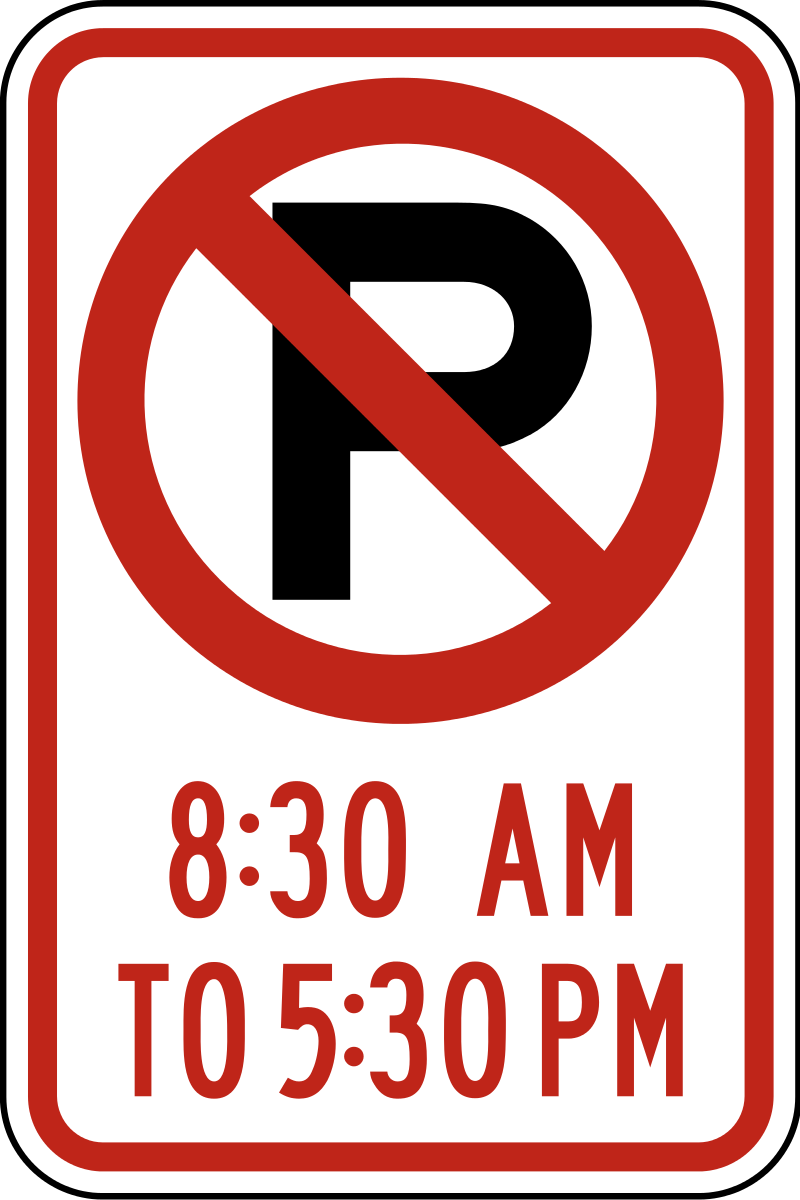 This sign means:
A
You can only park between 8:30 AM and 5:30 PM.
B
Parking is not allowed at 8:30 AM and at 5:30 PM
C
No parking between 8:30 AM and 5:30 PM.
No explanation available.
Question 23
A police officer is signaling you to continue driving through a red light. What should you do?
A
Come to a complete stop, then do what the officer tells you.
B
Do as the officer tells you.
C
Wait for the green light.
No explanation available.
Question 24
 What should drivers do when they see this road sign?
A
come to a complete stop and wait for a train to cross.
B
slow down, look for a train, and be prepared to stop.
C
look for a human flagger.
No explanation available.
Question 25
Which of the following must you obey over the others?
A
Red light
B
Stop sign
C
Police officer
No explanation available.
Question 26
Which shape is a stop sign?
A
Diamond
B
Octagon
C
Upside-down triangle
No explanation available.
Question 27
While waiting to turn left, you should keep your wheels pointed straight ahead until it is safe to turn. Why?
A
If your wheels are pointed to the left, and a vehicle hits you from behind, you could be pushed into oncoming traffic.
B
If you change your mind, the wheels will be already pointing in the right direction.
C
It is easier to deactivate your anti-lock system.
No explanation available.
Question 28
When you are merging onto the freeway, you should be driving:
A
The posted speed limit for traffic on the freeway.
B
5 to 10 MPH slower than the traffic on the freeway.
C
At or near the same speed as the traffic on the freeway.
No explanation available.
Question 29
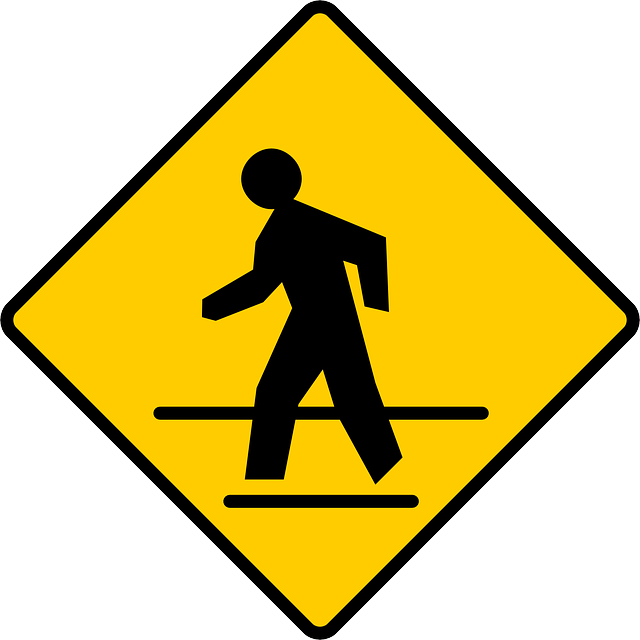 This sign means:
A
Pedestrian sidewalk ahead.
B
Pedestrians must yield the right-of-way ahead.
C
Pedestrian crossing ahead.
No explanation available.
Question 30
Who is most at risk?
A
Drivers who have overslept.
B
Drivers who are driving long distances without rest breaks.
C
Experienced drivers.
No explanation available.
Question 31
Drivers must obey instructions from school crossing guards:
A
during school hours only.
B
only in front of a school.
C
at all times.
No explanation available.
Question 32
When should you yield your legal right-of way?
A
often, even at controlled intersections.
B
when it helps prevent collisions.
C
never, it confuses other drivers.
No explanation available.
Question 33
During darkness, bicyclists must have:
A
a front lamp emitting a yellow light visible from a distance of 100 feet.
B
a rear red reflector visible from a distance of 500 feet.
C
a white reflector on the bicyclist’s helmet.
No explanation available.
Question 34
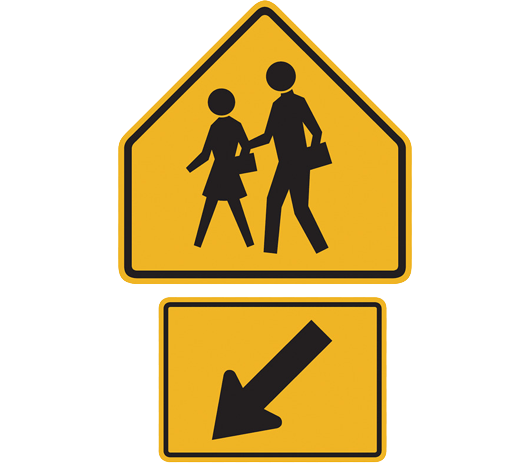 When they approach this sign, drivers must:
A
slow down and watch for children crossing the road.
B
obey signals from crossing guards.
C
stop if necessary.
D
All of the above.
No explanation available.
Question 35
When driving near road work zones, you should:
A
pass the work zone carefully and avoid distractions.
B
slow down to watch the work as you pass.
C
decrease your following distance.
No explanation available.
Question 36
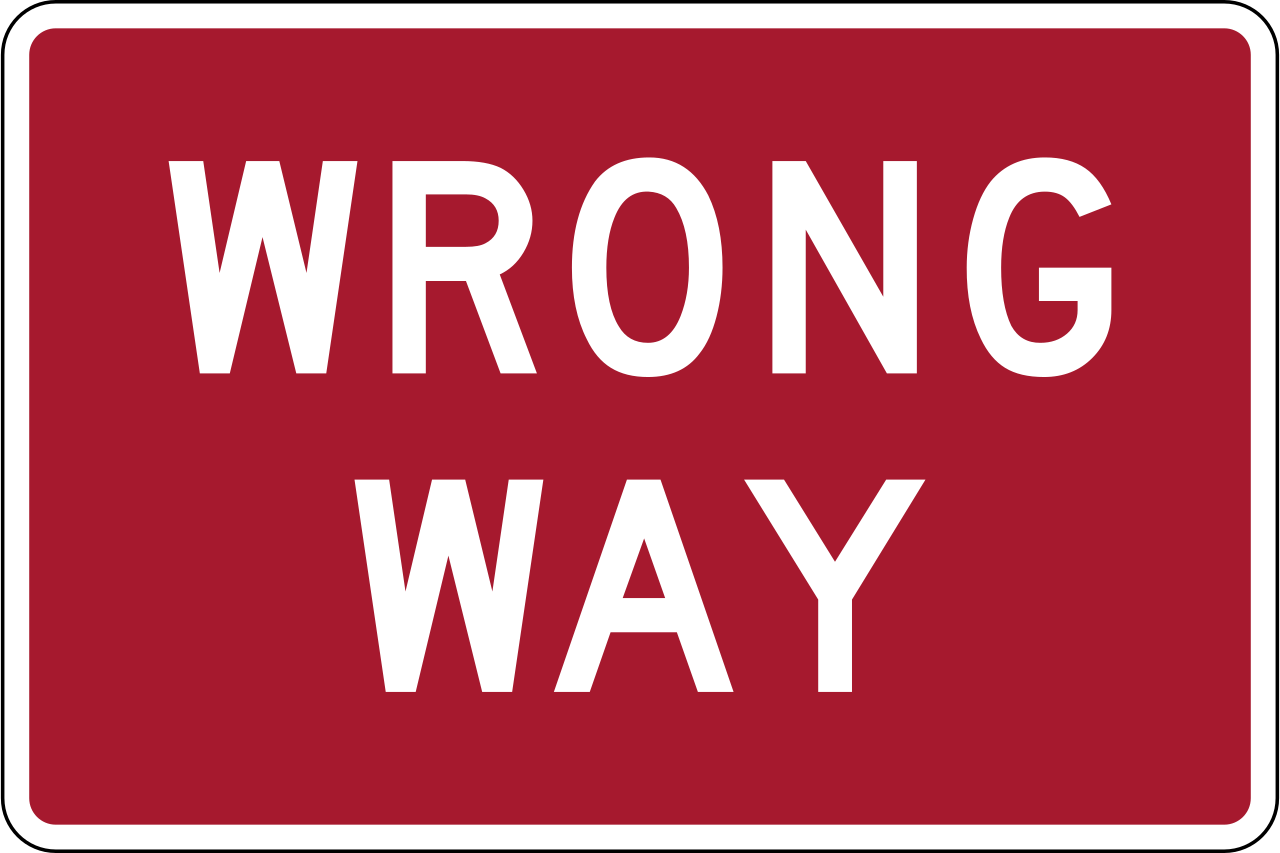 This red and white sign means:
A
the road ahead is closed to traffic in your direction.
B
do not enter the road ahead unless it is safe to do so.
C
the road ahead is closed to traffic in all directions.
No explanation available.