 drivequiz.com
 Question 1
Your BAC depends on:
A
how much alcohol you drink.
B
how much time passes between drinks.
C
All of the above.
No explanation available.
Question 2
 This sign indicates:
A
Winding road
B
Merging traffic
C
Divided highway ends
No explanation available.
Question 3
On a freeway, drivers should look farther ahead than they normally would on a city street:
A
because it takes 500 feet to stop a vehicle on a freeway.
B
in order to spot potential hazards and dangers ahead.
C
because there are multiple lanes.
No explanation available.
Question 4
If your car goes into water, you should:
A
wait for water to rush in and let it out in small breaths through your nose.
B
call the fire department immediately.
C
remove yourself before it starts to sink.
No explanation available.
Question 5
Who is most at risk?
A
Drivers who are fatigued.
B
Drivers who are driving on long, boring roads.
C
All of the above.
No explanation available.
Question 6
A driver cuts off another vehicle, or threatens another motorist or a pedestrian. These are examples of:
A
excessive driving
B
road rage
C
defensive driving
No explanation available.
Question 7
 This regulatory road sign indicates that:
A
Vehicles must slow down and stay in the right lane.
B
The right hand lane is reserved for buses and car-pool vehicles.
C
Slower vehicles traveling on multiple lane highways must stay in the right hand lane.
No explanation available.
Question 8
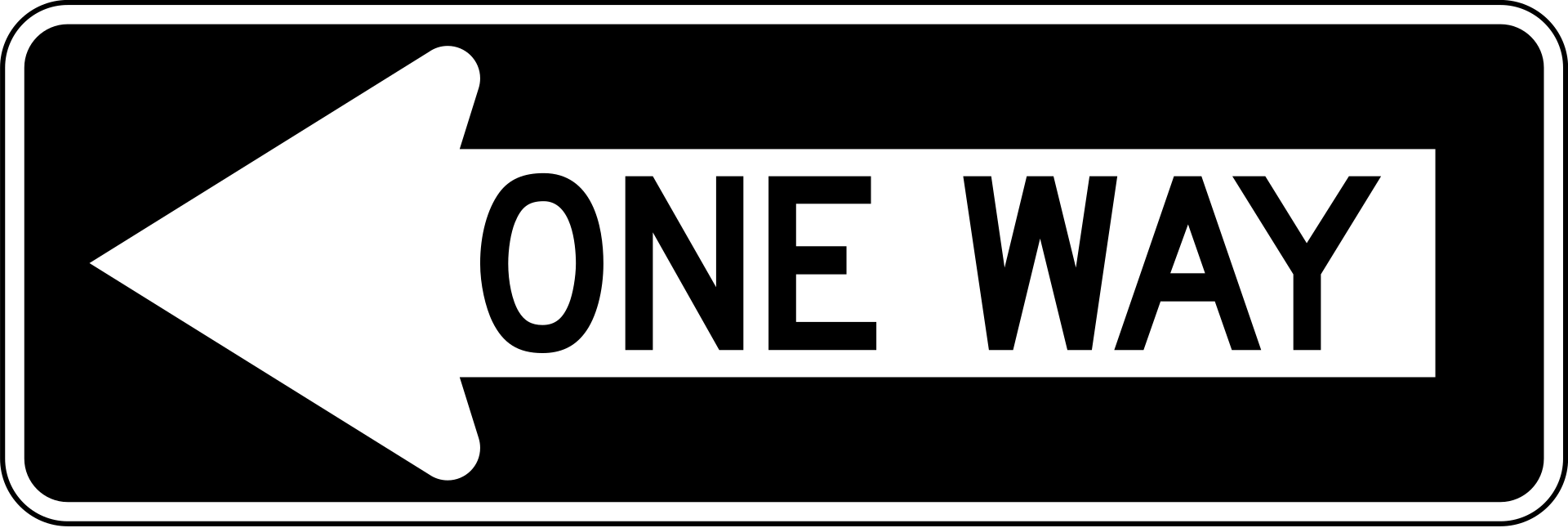 The ‘One Way’ sign means that:
A
only vehicles turning left may travel in the direction of the arrow.
B
there is only one road that turns left at the intersection.
C
drivers may travel only in the direction of the arrow.
No explanation available.
Question 9
Driving slowly in front of traffic in the far left (last) lane on any freeway:
A
cannot result in a traffic citation.
B
saves lives by causing others to slow down, too.
C
can frustrate other drivers and make them angry.
No explanation available.
Question 10
You are approaching an intersection. The traffic signal light is flashing red. What should you do?
A
Cautiously continue driving through the intersection.
B
Stop before entering. Wait for the green light before proceeding.
C
Stop before entering, then proceed when safe.
No explanation available.
Question 11
 This sign warns drivers that:
A
the highway ahead is divided into two one-way roadways. Drivers should keep to the right.
B
there is a winding road ahead.
C
there is a double curve ahead.
No explanation available.
Question 12
Tailgating:
A
cannot result in a traffic citation.
B
helps reduce traffic congestion.
C
is a defensive driving tecnique.
D
can frustrate other drivers and make them angry.
No explanation available.
Question 13
At a stop sign there is no stop line or crosswalk. You must stop:
A
before you enter the intersection.
B
at the next crosswalk.
C
after you enter the intersection, if you have a clear view of traffic on the intersecting roadway.
No explanation available.
Question 14
You want to pass a bicyclist riding on the right edge of your lane. You:
A
must not squeeze past the bicyclist.
B
may not pass the bicyclist for any reason.
C
must honk your horn before passing the bicyclist.
No explanation available.
Question 15
Parking is never permitted:
A
in a crosshatched (diagonal) pattern space.
B
in a bicycle lane, unless otherwise posted.
C
twenty feet from a railroad track.
No explanation available.
Question 16
 This sign means:
A
the right lane will end ahead.
B
the highway will be divided ahead.
C
less space between lanes ahead.
No explanation available.
Question 17
You may not park your vehicle:
A
On the side of the freeway in an emergency.
B
Within 100 feet of an elementary school.
C
Next to a red painted curb.
No explanation available.
Question 18
ABS is the acronym for:
A
Anti-Braking System
B
Average-Beam System
C
Anti-Locking Brake System
No explanation available.
Question 19
You should not pass another vehicle:
A
on a multi-lane one-way street.
B
where someone is likely to enter or cross the road.
C
when a broken, yellow line is on the left side of your lane.
No explanation available.
Question 20
Which shape is a railroad advance warning sign?
A
Crossbuck
B
Round
C
Pentagon
No explanation available.
Question 21
What is the main reason night driving is more difficult than daytime driving?
A
The use of headlight is required by law.
B
Reduced visibility.
C
Driving within the range.
No explanation available.
Question 22
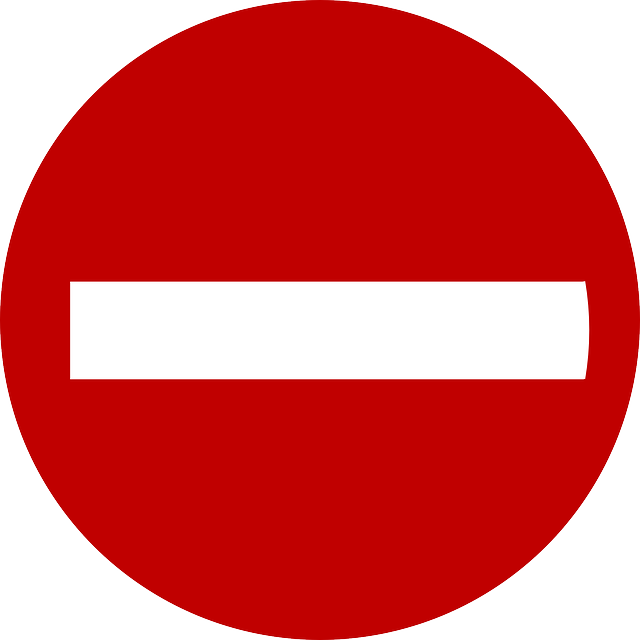 This sign means:
A
U-turns not allowed.
B
Stop sign ahead.
C
Do not enter a road or off ramp where the sign is posted.
No explanation available.
Question 23
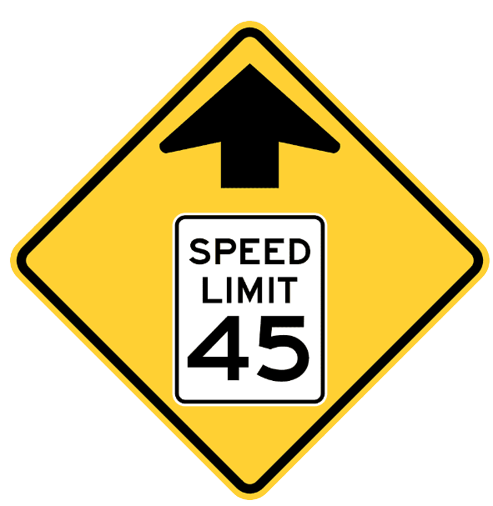 This warning sign:
A
provides advance notice to upcoming speed limit change.
B
shows the current speed limit that all vehicles traveling in the direction of the arrow must not exceed.
C
indicates the suggested highest safe speed.
No explanation available.
Question 24
You see a vehicle approaching from the rear. When you check your mirror again to change lanes, you no longer see the vehicle. You should:
A
turn your signal on and change lanes slowly.
B
look over your shoulder to be sure the vehicle isn’t in your blind spot.
C
check your outside mirror to see if the vehicle is in your blind spot.
No explanation available.
Question 25
You are involved in a minor collision at an intersection. There are no injuries and very little vehicle damage. You should:
A
Leave your vehicle in the traffic lane until law enforcement arrives.
B
Move your vehicle out of the traffic lane, if possible.
C
Not move your vehicle for any reasons.
No explanation available.
Question 26
If you are leaving a parking lot, you:
A
must turn either left or right only when it is safe.
B
have the right-of-way.
C
must yield to traffic before re-entering the road.
No explanation available.
Question 27
If you have a green light, but traffic is blocking the intersection, you should:
A
enter the intersection and wait until traffic clears.
B
merge into another lane and try to go around the traffic.
C
stay out of the intersection until traffic clears.
No explanation available.
Question 28
When parking your vehicle on any hill:
A
your front wheels should be parallel to the road if there is no curb.
B
use your parking brake and leave the vehicle in gear or “park”.
C
one of your rear wheels should touch the curb.
No explanation available.
Question 29
Regulatory signs are:
A
Suggestions
B
Warnings
C
Law
No explanation available.
Question 30
Your BAC depends on:
A
how fit you are.
B
the type of beverage you drink.
C
the amount of alcohol you drink.
No explanation available.
Question 31
U-turns in business districts are:
A
legal whenever oncoming vehicles are not a hazard.
B
legal only at intersections, unless a sign prohibits them.
C
always illegal.
No explanation available.
Question 32
What should you do as you prepare to turn right at an intersection?
A
Honk your horn.
B
Yield to bicyclists coming from the opposite direction.
C
Signal your turn, check for bicyclists, and do not turn directly in front of a bicyclist.
No explanation available.
Question 33
What is the maximum speed limit on two-lane undivided highways, unless otherwise posted?
A
45 MPH
B
65 MPH
C
55 MPH
No explanation available.
Question 34
When parking next to a curb, you should use your turn signals:
A
when pulling next to or away from the curb.
B
when pulling next to, but not away from the curb.
C
only when pulling away from the curb.
No explanation available.
Question 35
When the road is slippery, you should:
A
brake suddenly carefully.
B
pump your brakes.
C
press your brakes in slow, steady strokes.
No explanation available.
Question 36
A vehicle that enters a road from a driveway:
A
has the right-of-way.
B
must yield to traffic approaching from the right, while it has the right-of-way over vehicles approaching from the left.
C
must stop and yield the right-of-way to traffic on the roadway and to pedestrians.
No explanation available.