 drivequiz.com
 Question 1
In heavy rain, tires can begin to ride on the water that is on top of the road pavement. This is called:
A
rideplaning.
B
hydroplaning.
C
pavement-planing.
D
waterplaning.
No explanation available.
Question 2
 This sign means:
A
A road crosses the main highway ahead.
B
The divided highway on which drivers are traveling ends ahead.
C
Drivers are coming to a point where another traffic lane joins the one they are on.
No explanation available.
Question 3
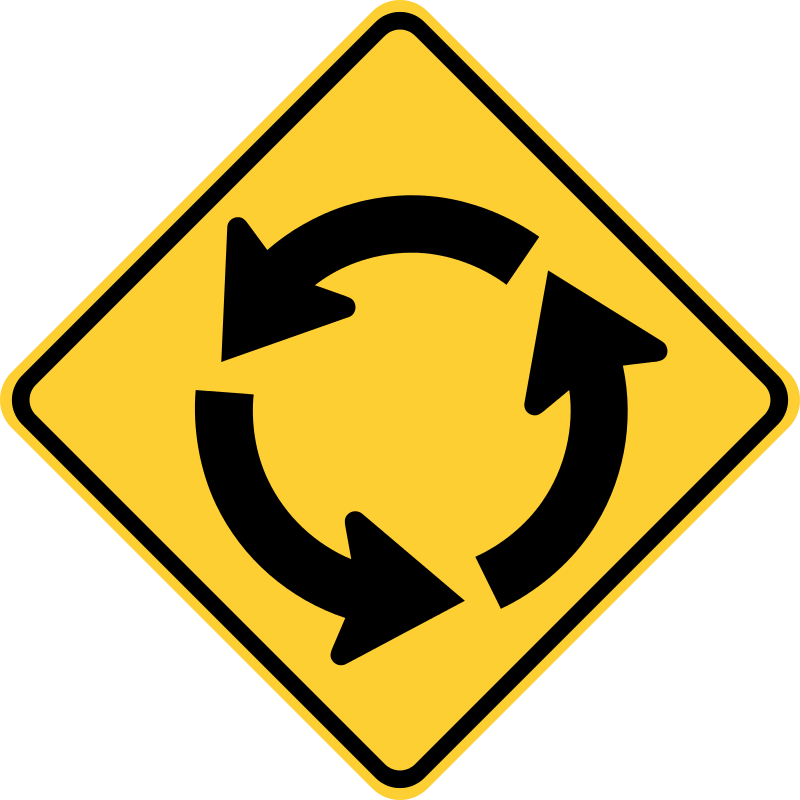 This road sign:
A
warns drivers of a sharp turn left. Drivers should slow their speed and keep to the left.
B
provides an advance notice of a roundabout.
C
warns drivers that U-turns are not permitted.
D
is a no-right-turns sign.
No explanation available.
Question 4
Which of these statements is true about motorcycles:
A
motorcycles should be followed at a 4 second following distance.
B
motorcycles are small and can easily be seen by drivers.
C
motorcycles may not share traffic lanes.
No explanation available.
Question 5
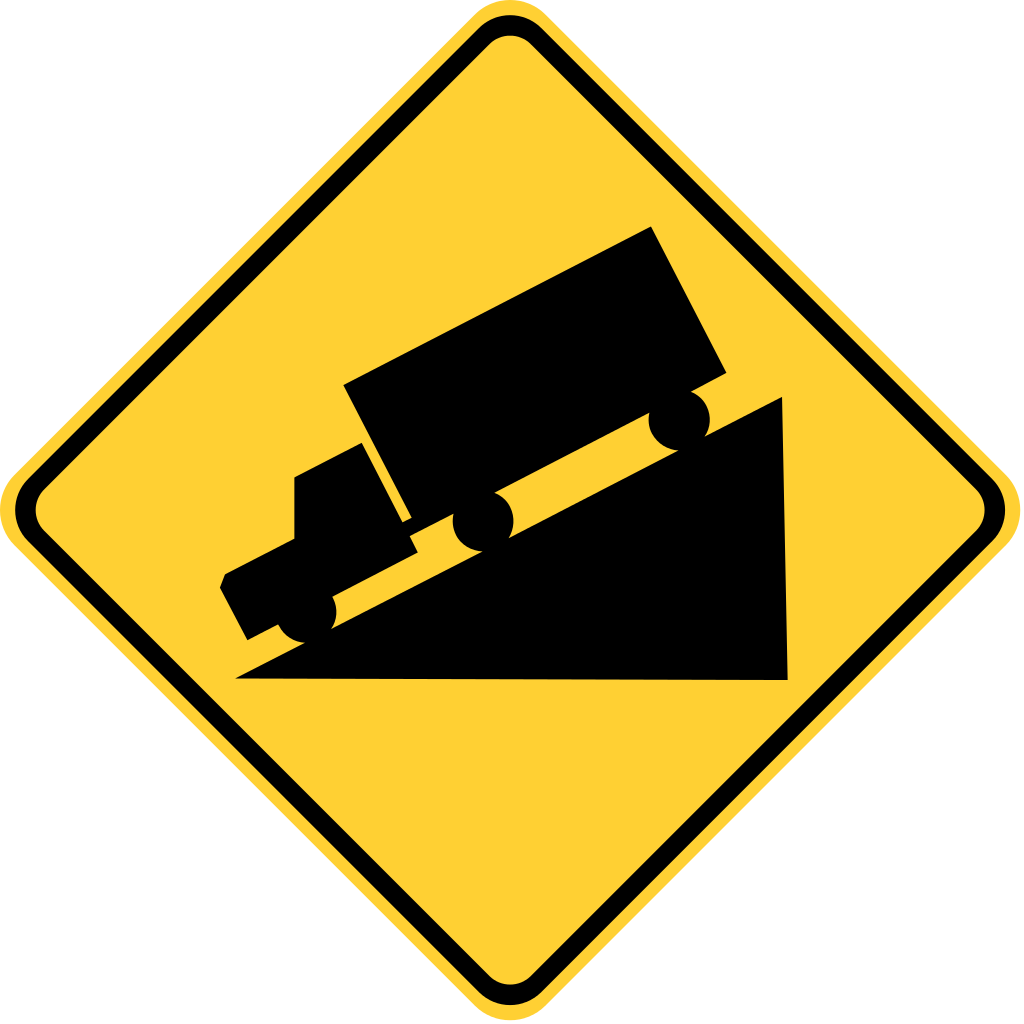 When they see this sign, drivers should:
A
be ready to brake sharply and stop.
B
be ready to shift to lower gear.
C
yield to trucks coming from the hill on the right.
No explanation available.
Question 6
 This sign warns drivers of:
A
low clearance.
B
a narrow bridge ahead.
C
a low place in the road.
No explanation available.
Question 7
You drive defensively when you:
A
Keep your eyes moving to look for possible hazards.
B
Always put one car length between you and the car ahead.
C
Look only at the car in front of you while driving.
No explanation available.
Question 8
Two sets of solid, double, yellow lines that are two or more feet apart:
A
should be treated as a separate traffic lane.
B
may be crossed to enter or exit a private driveway.
C
may not be crossed for any reason.
No explanation available.
Question 9
Before a school bus stops to load passengers, the driver will usually flash:
A
yellow warning lights.
B
red warning lights.
C
red lights.
No explanation available.
Question 10
Your cell phone rings while you are driving and you do not have a hands-free device. You should:
A
not answer the call.
B
check the incoming number before answering the call.
C
answer the call because if it's an important one.
No explanation available.
Question 11
What is the best advice for driving in the fog?
A
Turn on your windshield wipers.
B
DON’T. Consider postponing your trip until the fog clears.
C
Drive slow.
No explanation available.
Question 12
You are driving on the freeway. The vehicle in front of you is a large truck. You should drive:
A
No more than one car length behind the truck so the driver can see you.
B
Closely behind the truck in bad weather because the driver can see farther ahead.
C
Farther behind the truck than you would for a passenger vehicle.
No explanation available.
Question 13
When you park alongside a curb on a level street, the front and back wheels must be parallel and within __ inches of the curb.
A
18
B
36
C
32
No explanation available.
Question 14
 This sign means:
A
slower traffic must exit on the right.
B
you should slow down and move to the right lane.
C
stay in the right lane if you are driving slower than other traffic.
No explanation available.
Question 15
All passengers ___ years of age or older must wear seat belts.
A
eight
B
six
C
ten
No explanation available.
Question 16
What should you do in case of a brake failure?
A
Pull off the road into an open space, if available.
B
Apply the parking brake slowly.
C
All of the above.
No explanation available.
Question 17
You are driving in the far right lane of a four-lane freeway and notice thick broken white lines on the left side of your lane. You are driving in:
A
a special lane for slow moving vehicles.
B
an exit lane.
C
the carpool lane and must merge into the next lane.
No explanation available.
Question 18
Blind spots are:
A
Dangerous intersection where the maximum speed limit is 15 MPH or less.
B
At night, the darkest areas of a road, where emergency flashers should be used.
C
Areas to the side or rear of a vehicle that the driver cannot see with use of mirrors.
No explanation available.
Question 19
If you approach the top of a hill and you do not have a clear view of the road ahead, you should:
A
pull over and wait for the conditions to improve.
B
slow down so you can stop if necessary.
C
use your high beam lights to be more visible.
No explanation available.
Question 20
Roads are most slippery:
A
just before it rains.
B
when it stops raining.
C
when it first starts to rain.
No explanation available.
Question 21
A white-painted curb means:
A
Loading zone for passengers or mail only.
B
Loading zone for freight only.
C
Loading zone for freight or passengers.
No explanation available.
Question 22
You ________ traffic headed toward you when you turn left.
A
must not yield to
B
must interrupt
C
must yield to
No explanation available.
Question 23
 This sign warns ____________ ahead.
A
of two-way traffic
B
of a reduction of lanes
C
that a divided highway ends
No explanation available.
Question 24
The left or “fast” lane is also called:
A
Number 3 Lane.
B
Number 1 Lane.
C
Number 2 Lane.
No explanation available.
Question 25
The speed limit at an uncontrolled crossing is:
A
20 MPH
B
15 MPH
C
25 MPH
No explanation available.
Question 26
Road signs that direct drivers to services are:
A
brown and white.
B
blue and white.
C
green and white.
No explanation available.
Question 27
You exit a freeway on a ramp that curves downhill. You should:
A
wait until you have entered the curve to begin braking.
B
slow to a safe speed before the curve.
C
slow to the posted speed limit for the freeway.
No explanation available.
Question 28
On what three conditions does your blood alcohol content (BAC) depend?
A
Your weight. How much alcohol you drink. How much time passes between drinks.
B
Your weight. The type of beverage you drink. How fit you are.
C
Your height. How much alcohol you drink. The type of beverage you drink.
No explanation available.
Question 29
If you see a pedestrian using a guide dog or carrying a white cane:
A
the pedestrian must yield the right-of-way.
B
you must yield the right-of-way to them.
C
sound your horn to warn them.
No explanation available.
Question 30
Which of the following is true about railroad crossings:
A
Watch for vehicles that must stop before they cross train tracks.
B
Wait until you can completely cross the tracks before proceeding.
C
All of the above.
No explanation available.
Question 31
 The white sign means:
A
Railroad crossing is controlled - continue at your regular speed.
B
Stop at the railroad tracks and wait for a signal before crossing.
C
Look, listen, and prepare to stop at the crossing, if necessary.
No explanation available.
Question 32
When you make a left turn from a one-way road into a one-way road, if the road you enter has two lanes, you:
A
must turn into its right lane.
B
can not turn left.
C
must turn into its left lane.
No explanation available.
Question 33
You are on the freeway and traffic is merging into your lane. You should:
A
Make room for the merging traffic, if possible.
B
Assert your right-of-way by driving faster.
C
Always slow down and maintain your position.
No explanation available.
Question 34
You are at a red traffic signal. The traffic light turns green, but there are still other vehicles in the intersection. You should:
A
wait until the vehicles clear the intersection before entering.
B
enter the intersection and wait for traffic to clear.
C
move ahead only if you can go around the other vehicles safely.
No explanation available.
Question 35
When you enter traffic from a stop, you:
A
need a large enough gap to get up to the speed of traffic.
B
should drive slower than other traffic for 200 feet.
C
should wait for the first vehicle to pass, then pull into the lane.
No explanation available.
Question 36
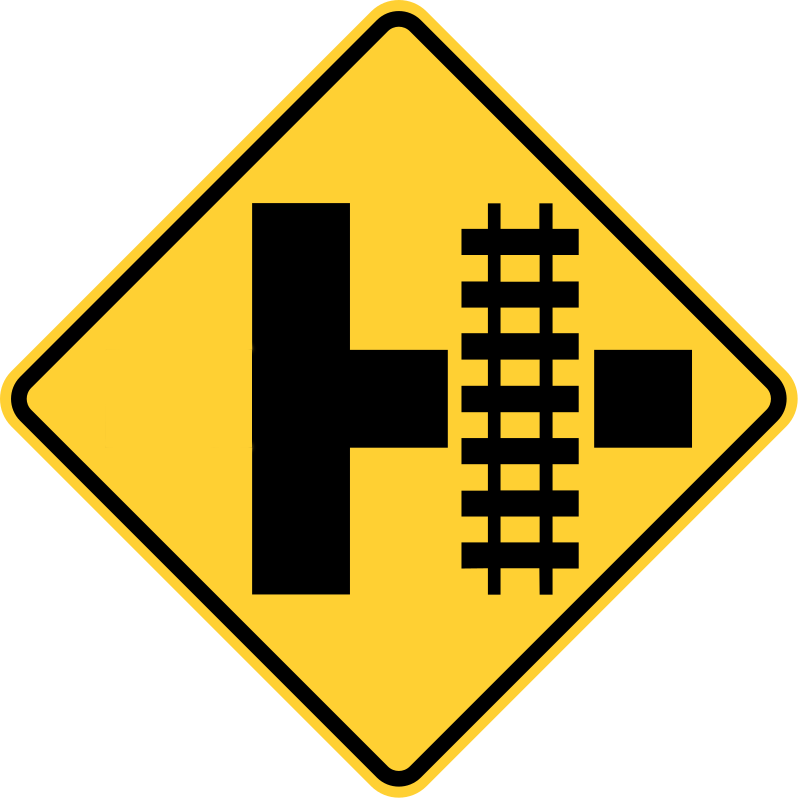 What does this sign indicate?
A
Parallel railroad crossing (side road)
B
Low ground clearance railroad crossing
C
Parallel railroad crossing (crossroad)
No explanation available.