 drivequiz.com
 Question 1
While inside the roundabout, you should:
A
remain in your lane until you are ready to exit.
B
change lanes before you check for vehicles behind you.
C
use your left turn signal if you are in position to exit now.
No explanation available.
Question 2
Aggressive driving includes:
A
quick lane changes without a signal.
B
chasing or challenging other drivers.
C
All of the above.
No explanation available.
Question 3
Regulation signs normally are:
A
white triangles.
B
green rectangles.
C
white rectangles.
No explanation available.
Question 4
If your turn signals fail, you should use _____ to indicate your intention to turn.
A
your emergency flashers
B
your horn
C
your high beams
D
hand signals
No explanation available.
Question 5
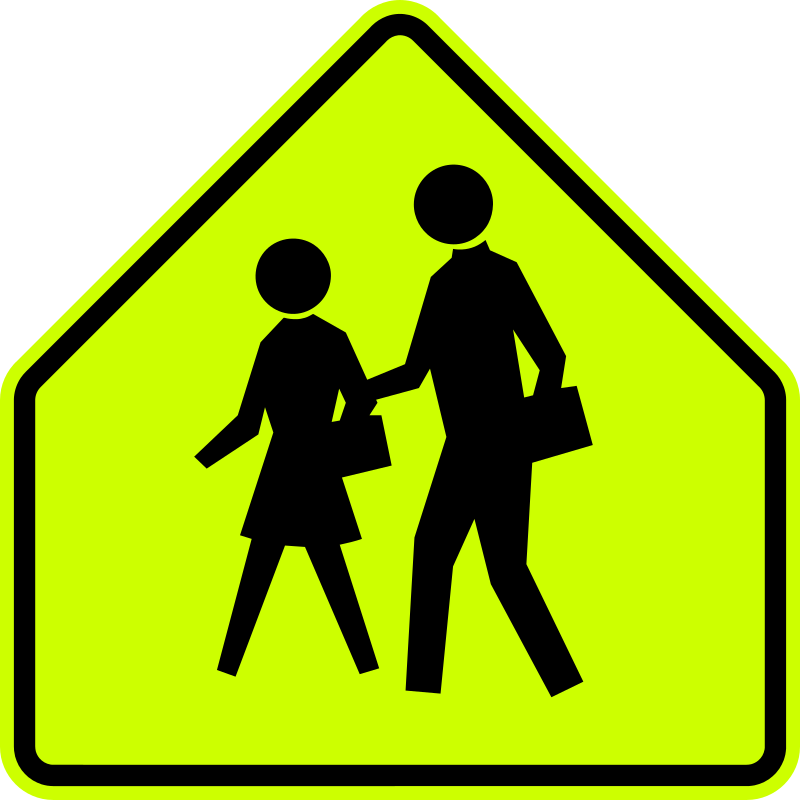 This sign means:
A
Business area nearby. Watch for business people.
B
There is a work zone ahead. Watch for workers.
C
The driver is near a school and should watch for children.
No explanation available.
Question 6
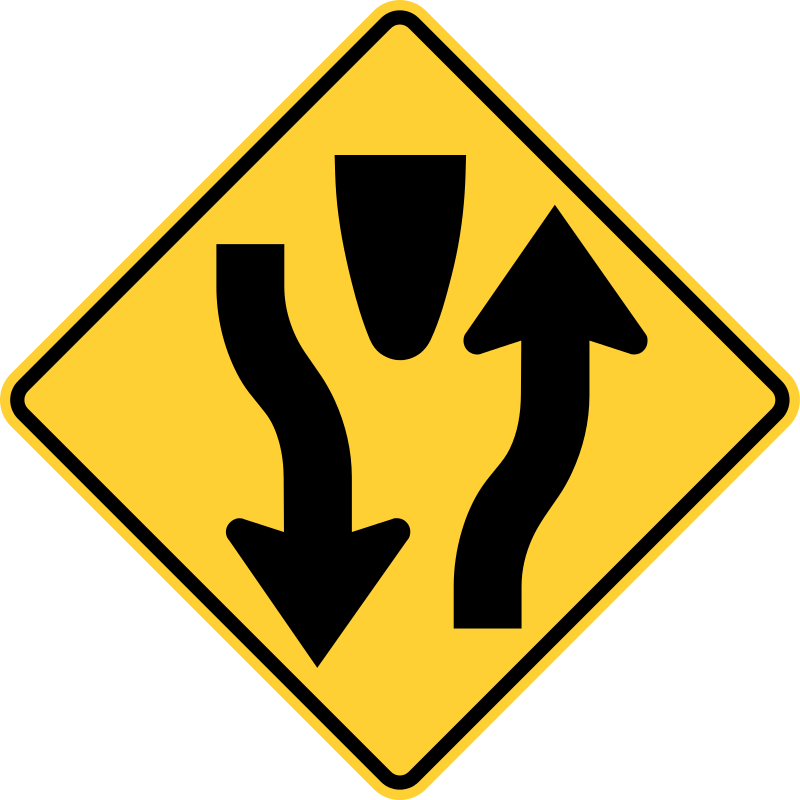 This sign means:
A
Divided highway ahead.
B
Divided highway ends.
C
Drivers will soon be on a roadway with two-way traffic.
No explanation available.
Question 7
When you drive near parks and playgrounds, you should expect children:
A
not to cross unless they are with an adult.
B
to know when it is safe to cross.
C
to stop at the curb before crossing the street.
D
to suddenly run into the street.
No explanation available.
Question 8
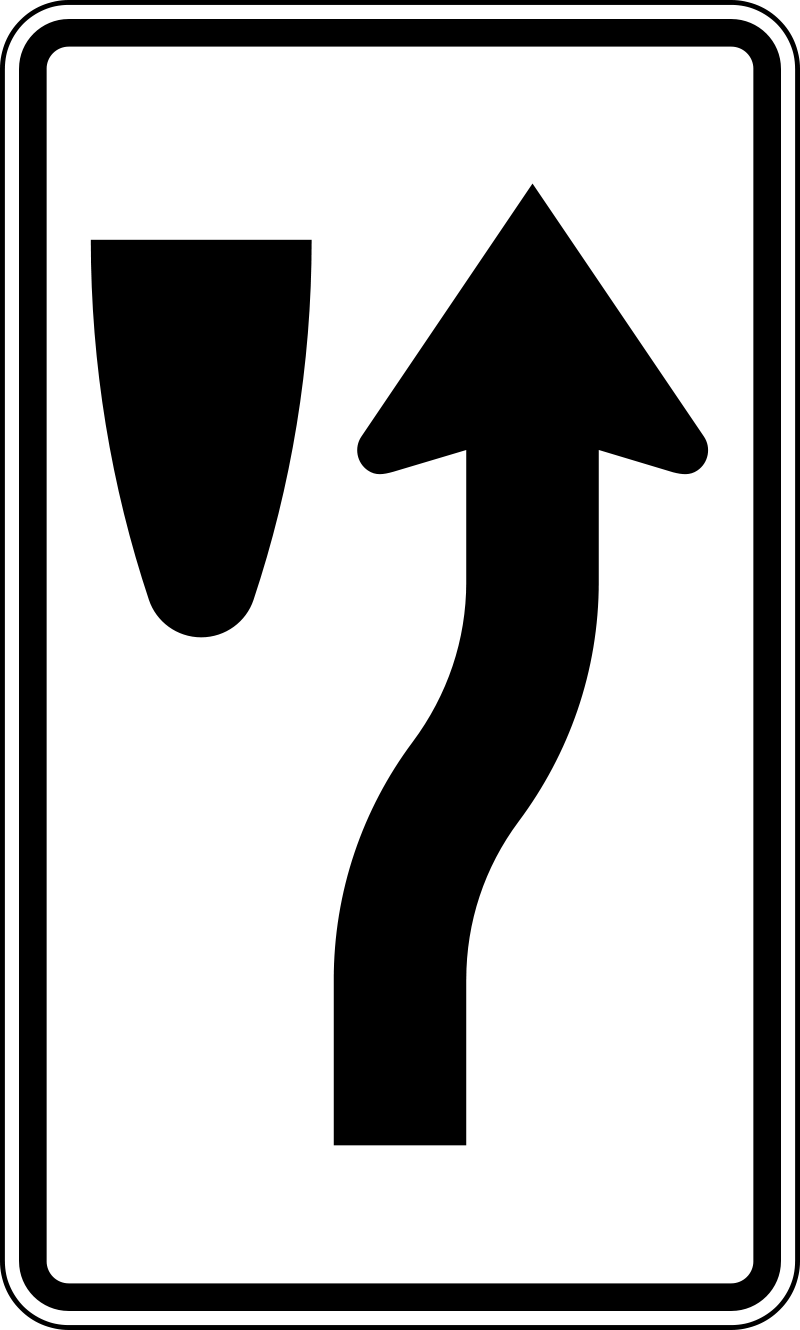 This road sign means:
A
Stop sign ahead
B
Keep to the side indicated by the arrow
C
Side road
D
Low shoulder
No explanation available.
Question 9
When changing lanes, you should:
A
check your mirrors, signal and change lanes.
B
signal, change lanes and check your mirrors.
C
signal, check your mirrors and blind spot in the direction you plan to move, then change lanes.
D
signal and change lanes.
No explanation available.
Question 10
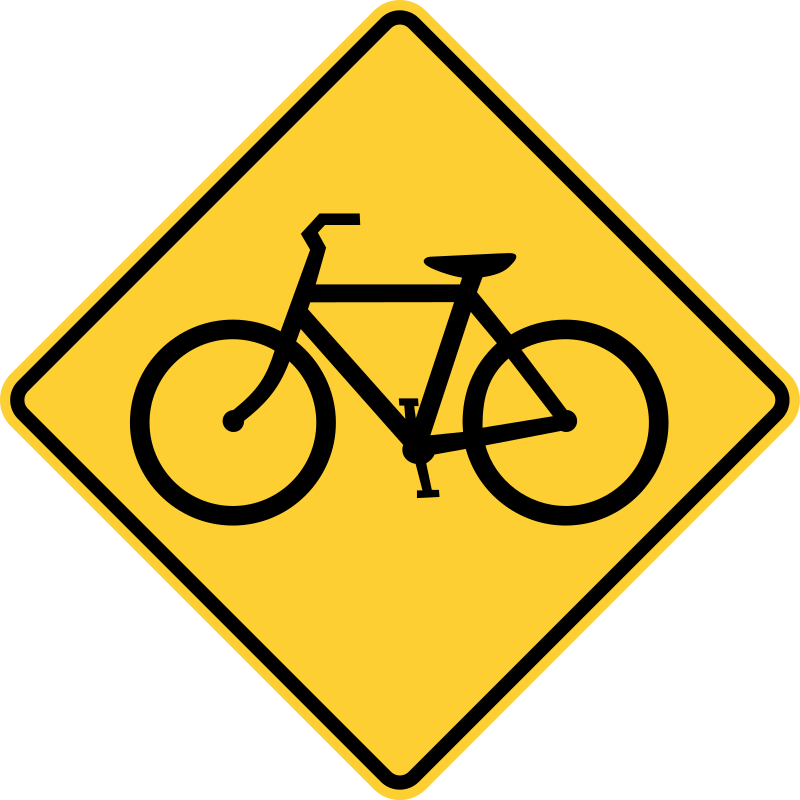 This road sign means:
A
Yield right-of-way to bicycles
B
Bicycles cross or ride beside traffic
C
Yield to motorcyles, but not to bicycles
D
Bicycles have the same rights as other vehicles
No explanation available.
Question 11
Select the most effective safety restraint(s) in a traffic crash.
A
Lap and shoulder belt only
B
Air bag only
C
Pumping brakes.
D
A combination of lap/shoulder belt and air bag.
No explanation available.
Question 12
If an approaching driver does not dim the headlights, you should:
A
move your eyes to the left to help avoid the glare of approaching high beams.
B
move your eyes to the right and avoid looking directly at the bright lights.
C
flash your headlights to low beam for a second, then return to high beam.
No explanation available.
Question 13
A vehicle that enters a road from a driveway:
A
has the right-of-way.
B
must yield to traffic approaching from the right, while it has the right-of-way over vehicles approaching from the left.
C
must stop and yield the right-of-way to traffic on the roadway and to pedestrians.
No explanation available.
Question 14
Pedestrians must:
A
All the above.
B
obey “Walk” and 'Don’t Walk” signals.
C
look in both directions before crossing the street.
D
use crosswalks at intersections.
No explanation available.
Question 15
One broken line indicates:
A
You can pass other vehicles and change lanes, if it is safe.
B
You can not pass other vehicles or go across the line.
C
You can change lanes, but only when traffic conditions or obstructions in the road make it necessary.
No explanation available.
Question 16
 This sign warns drivers of:
A
a reduction of lanes.
B
a dip in the road. Drivers should be ready to stop if the dip is filled with water.
C
a bridge ahead, wide enough to accommodate two lanes of traffic, but with very little clearance.
No explanation available.
Question 17
When parking on a public road, drivers should:
A
move as far away from traffic as possible.
B
always park on the left side of the roadway.
C
All of the above.
No explanation available.
Question 18
Which of the following may result in an arrest for driving under the influence of intoxicants (DUII)?
A
A controlled substance, such as prescription medicines or illegal drugs.
B
An inhalant, such as glue or paint.
C
Alcohol
D
All of the above.
No explanation available.
Question 19
 This road sign warns drivers that:
A
the road surface ahead changes to a low-type surface or earth road.
B
vehicles must leave the pavement immediately.
C
the dirt on the side of the road is soft.
No explanation available.
Question 20
Alcohol causes:
A
poor judgment.
B
loss of concentration.
C
reduced perception.
D
All of the above.
No explanation available.
Question 21
What should you do when an aggressive driver confronts you?
A
Avoid eye contact with the aggressive driver.
B
Make eye contact.
C
Challenge the aggressive driver with increased speed.
No explanation available.
Question 22
After parking, are you allowed to open a door on the road side of your vehicle?
A
Yes, always.
B
Yes, but only if it does not interfere with bicyclists and other traffic.
C
No, never.
No explanation available.
Question 23
Before turning left, it is important to:
A
swing to the right side of your lane.
B
sound your horn to warn the other drivers.
C
yield to oncoming vehicles.
D
flash your headlights to alert the other drivers.
No explanation available.
Question 24
What should you do if you see smoke come from under the hood?
A
Call the fire department and then pull off the road and park your vehicle.
B
Pull off the road and park your vehicle. Turn off the ignition, get away from the car and call the fire department.
C
Try to fight the fire yourself.
No explanation available.
Question 25
What is the first thing you should do if your wheels move off the pavement?
A
Pull the steering wheel back.
B
Pull over to the right and sound your horn to warn the other drivers.
C
Ease your foot off the gas pedal and brake gently.
No explanation available.