 drivequiz.com
 Question 1
Before entering a traffic circle, drivers must slow down and yield to ___________ in the traffic circle.
A
pedestrians
B
vehicles
C
bicyclists
D
All of the above.
No explanation available.
Question 2
You may not park:
A
on a hill.
B
on a crosswalk or marked bicycle lane.
C
in a parking lot.
D
within 200 feet of an elementary school.
No explanation available.
Question 3
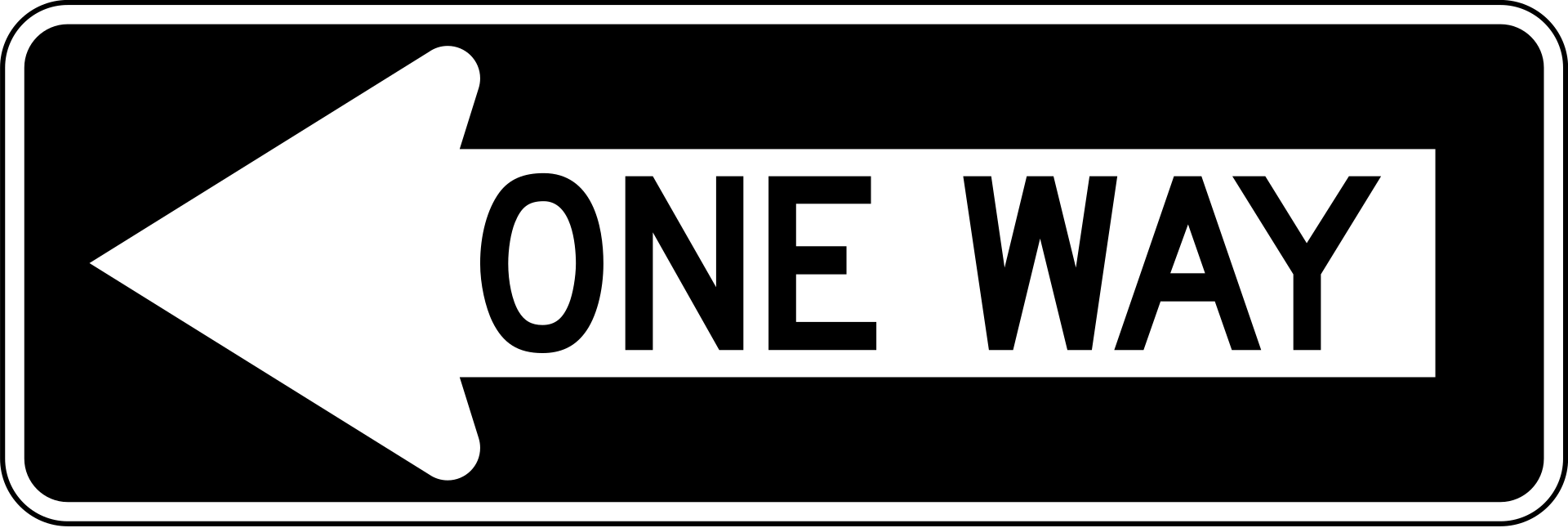 The ‘One Way’ sign means that:
A
only vehicles turning left may travel in the direction of the arrow.
B
there is only one road that turns left at the intersection.
C
drivers may travel only in the direction of the arrow.
No explanation available.
Question 4
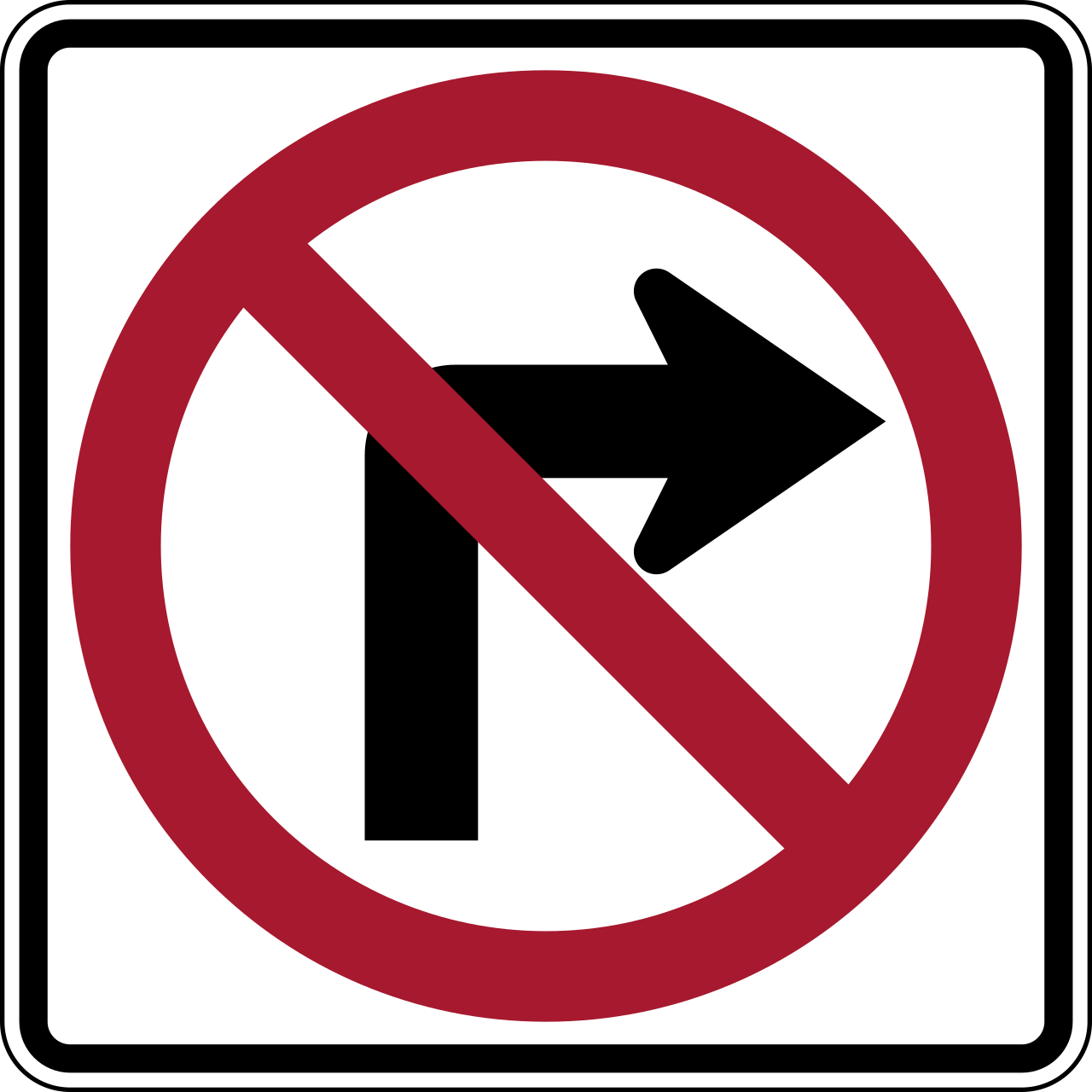 This road sign means:
A
No left turn
B
No right turn
C
No U-turns
No explanation available.
Question 5
This road sign means:
A
Right turn is not permitted
B
Left turns are permitted
C
You may turn right after yielding the right-of-way to oncoming traffic
No explanation available.
Question 6
If your wheels drop off the pavement onto the shoulder of the road, you should:
A
maintain your current speed and turn onto the pavement.
B
slow down and carefully turn back onto the pavement.
C
stop your car on the side of the road.
D
immediately come to a complete stop, then quickly turn back onto the pavement.
No explanation available.
Question 7
 When you see this sign you should:
A
increase your speed and try to pass other vehicles.
B
slow your speed and be prepared to stop.
C
slow your speed and do not pass other vehicles.
No explanation available.
Question 8
What should you do when another car is trying to pass you?
A
yield the right-of-way to the other driver.
B
speed up.
C
After checking for oncoming traffic, adjust your speed to allow safe passing.
D
pull off the road to allow safe passing.
No explanation available.
Question 9
When driving on slippery roads, drivers should:
A
increase their following distance.
B
avoid crossing bridges or intersections.
C
brake harder than usual.
D
change lanes quickly.
No explanation available.
Question 10
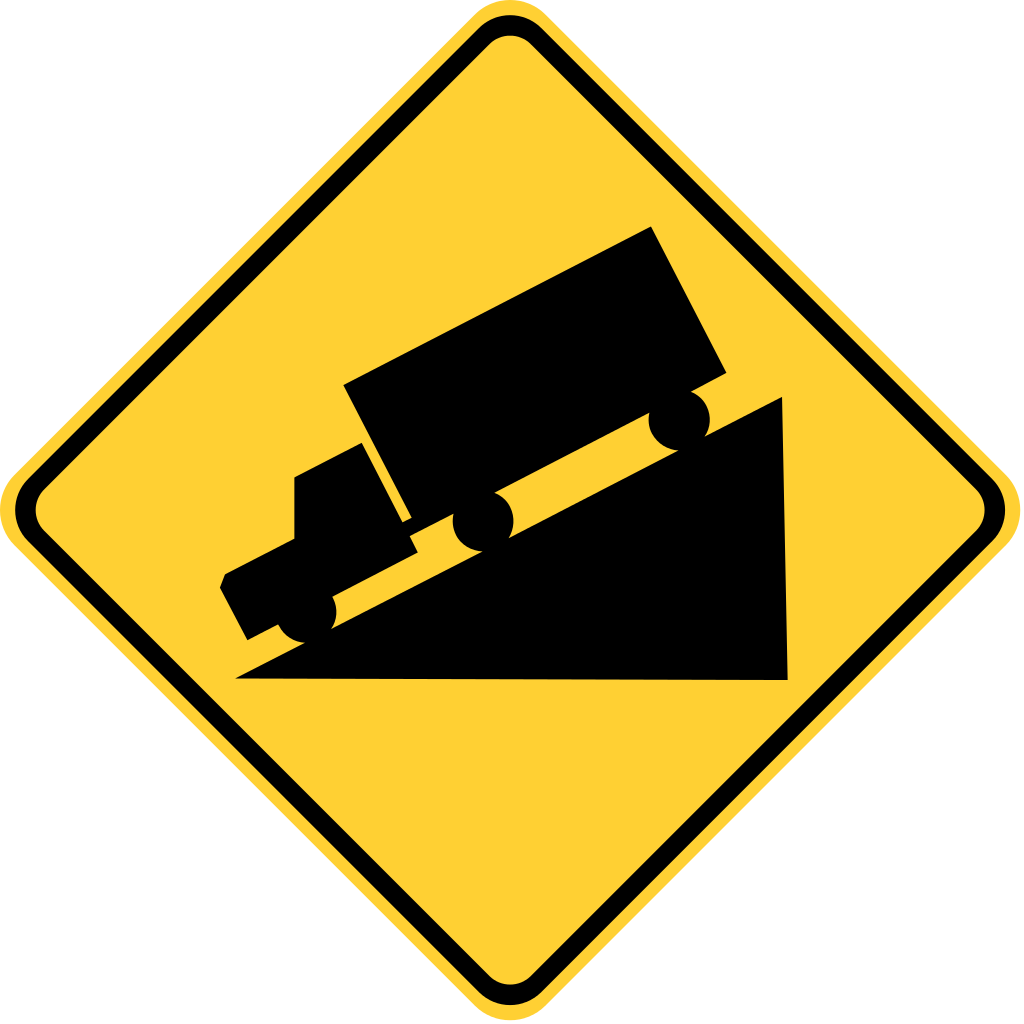 This traffic sign warns you about:
A
merging traffic.
B
a hill or a downgrade up ahead on the road.
C
an intersection ahead.
D
a winding road.
No explanation available.
Question 11
Drivers must yield for emergency vehicles:
A
Never.
B
only when other vehicles yield.
C
when they see a flashing red or blue light or hear a siren.
D
None of the above.
No explanation available.
Question 12
Drowsy drivers:
A
are typically older drivers.
B
are at risk of being involved in a crash.
C
should drink coffee to stay awake.
D
can stay awake by opening a window.
No explanation available.
Question 13
When changing lanes on an interstate, drivers should:
A
use cruise control to increase traction whenever possible.
B
signal and check mirrors and blind spots.
C
change lanes often.
D
stop in the breakdown lane if they are tired.
No explanation available.
Question 14
Lanes of traffic moving in the same direction are divided by ____ lines.
A
orange
B
yellow
C
black
D
white
No explanation available.
Question 15
What is the first thing to do when you make a three-point turn?
A
Signal with your left turn signal, then check carefully for traffic coming toward you.
B
Signal with your right turn signal, then pull over to the right and stop.
C
Turn left, go across the road so you come to a stop while you face the edge of the road.
No explanation available.
Question 16
BAC is:
A
the acronym for Beer ACcumulation.
B
the number of ounces of alcohol in your blood.
C
the percentage of alcohol in your blood.
No explanation available.
Question 17
This road sign means:
A
Merging traffic
B
Steep grade ahead
C
Intersection ahead
No explanation available.
Question 18
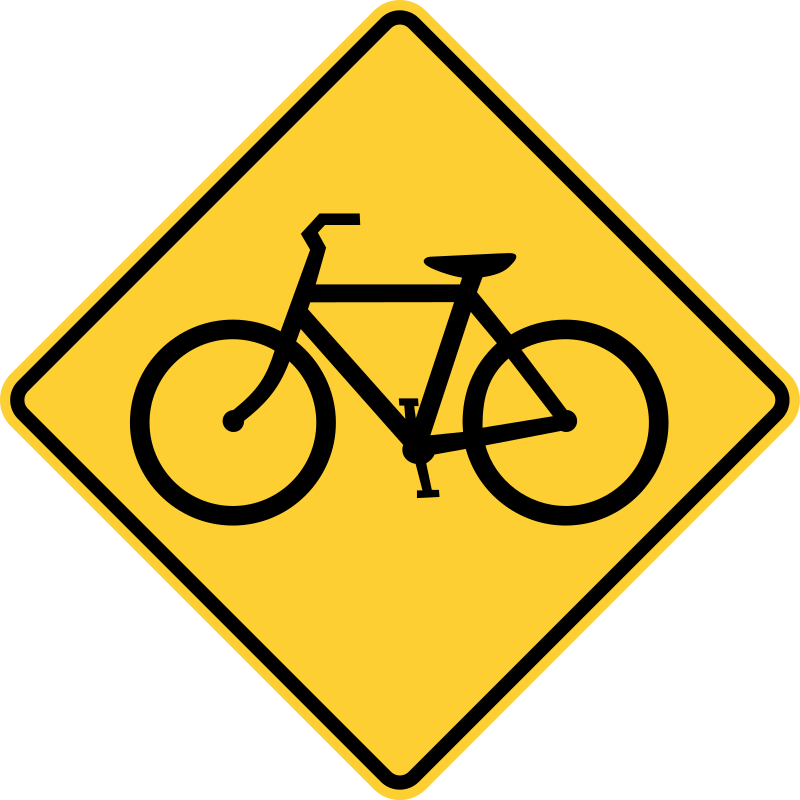 This road sign means:
A
Yield right-of-way to bicycles
B
Bicycles cross or ride beside traffic
C
Yield to motorcyles, but not to bicycles
D
Bicycles have the same rights as other vehicles
No explanation available.
Question 19
When they see this sign, drivers should:
A
be ready to brake sharply and stop.
B
be ready to shift to lower gear.
C
yield to trucks coming from the hill on the right.
No explanation available.
Question 20
Where must a pedestrian walk when there are no sidewalks?
A
On the side of the road, in the same direction of traffic.
B
In the middle of the road, facing oncoming traffic.
C
On the side of the road, facing the traffic.
No explanation available.