 drivequiz.com
 Question 1
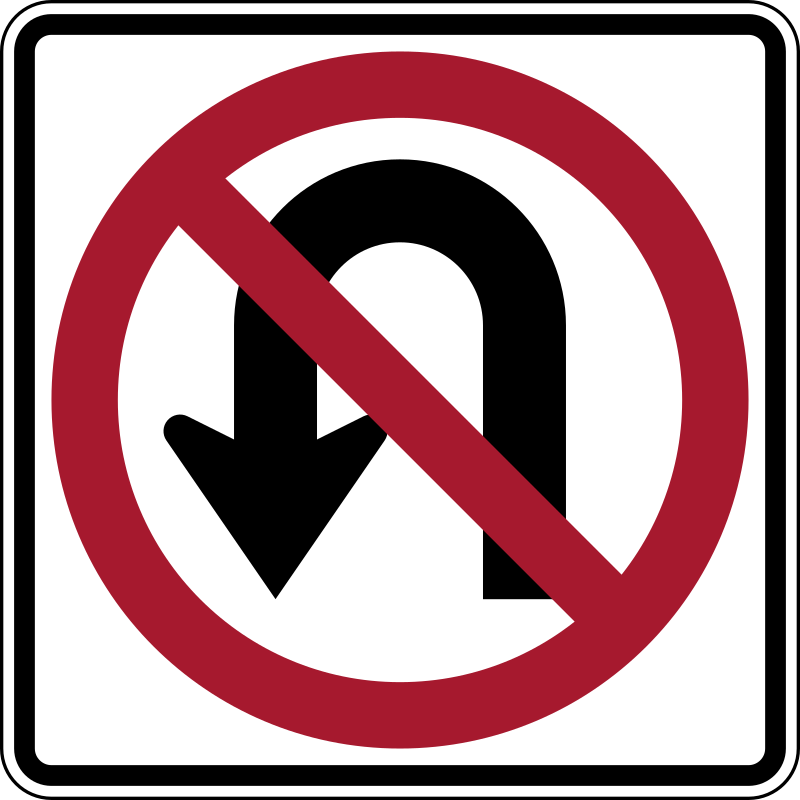 This road sign means:
A
Left turns are not allowed where this sign is displayed.
B
Drivers cannot make a complete turn to go in the opposite direction.
C
Vehicles turning left must make a U-turn.
No explanation available.
Question 2
When driving in travel lanes on the roadway:
A
you may make a U-turn if you get on the wrong entrance ramp of the freeway.
B
you may stop to let out passengers.
C
do not stop for any reason, keep moving until you can safely pull off the road.
D
you may make back up quickly if there are no vehicles behind.
No explanation available.
Question 3
Drivers should use the horn:
A
if a driver is moving slowly, and you want them to drive faster.
B
only when necessary, to avoid collisions.
C
when feeling angry or upset.
D
to alert other drivers that they made a mistake.
No explanation available.
Question 4
If your brakes are wet, you can dry them by:
A
riding the pedal lightly.
B
pull over to the right and wait until it stops raining.
C
having them checked by a mechanic.
No explanation available.
Question 5
Which signs have black letters on a white background?
A
Warning signs (diamond)
B
Regulatory signs (vertical rectangle)
C
Guide signs (horizontal rectangle)
No explanation available.
Question 6
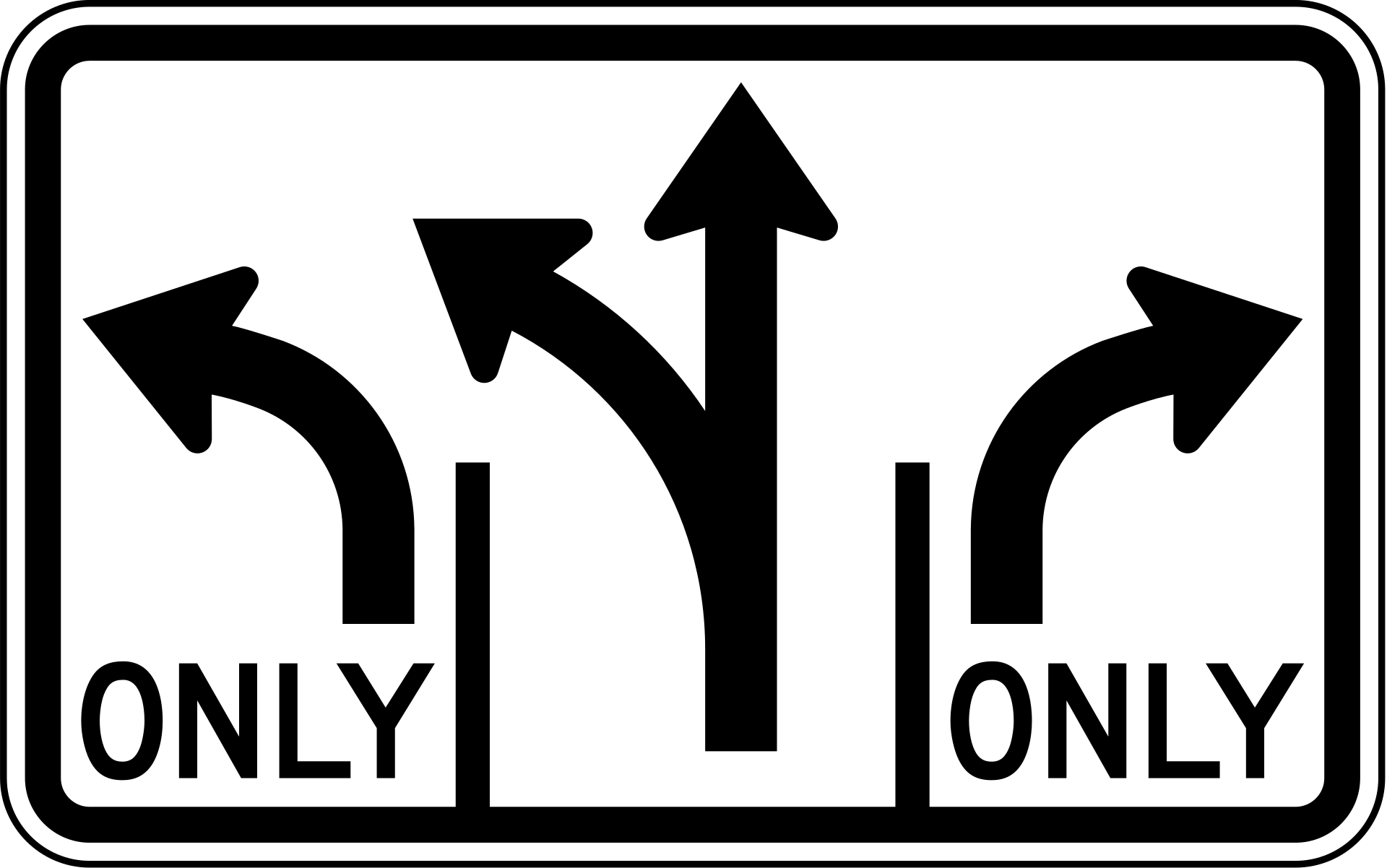 This regulatory sign tells drivers that:
A
traffic in the left lane must turn left at the intersection ahead.
B
all vehicles must turn left immediately.
C
traffic in the right lane must go straight.
No explanation available.
Question 7
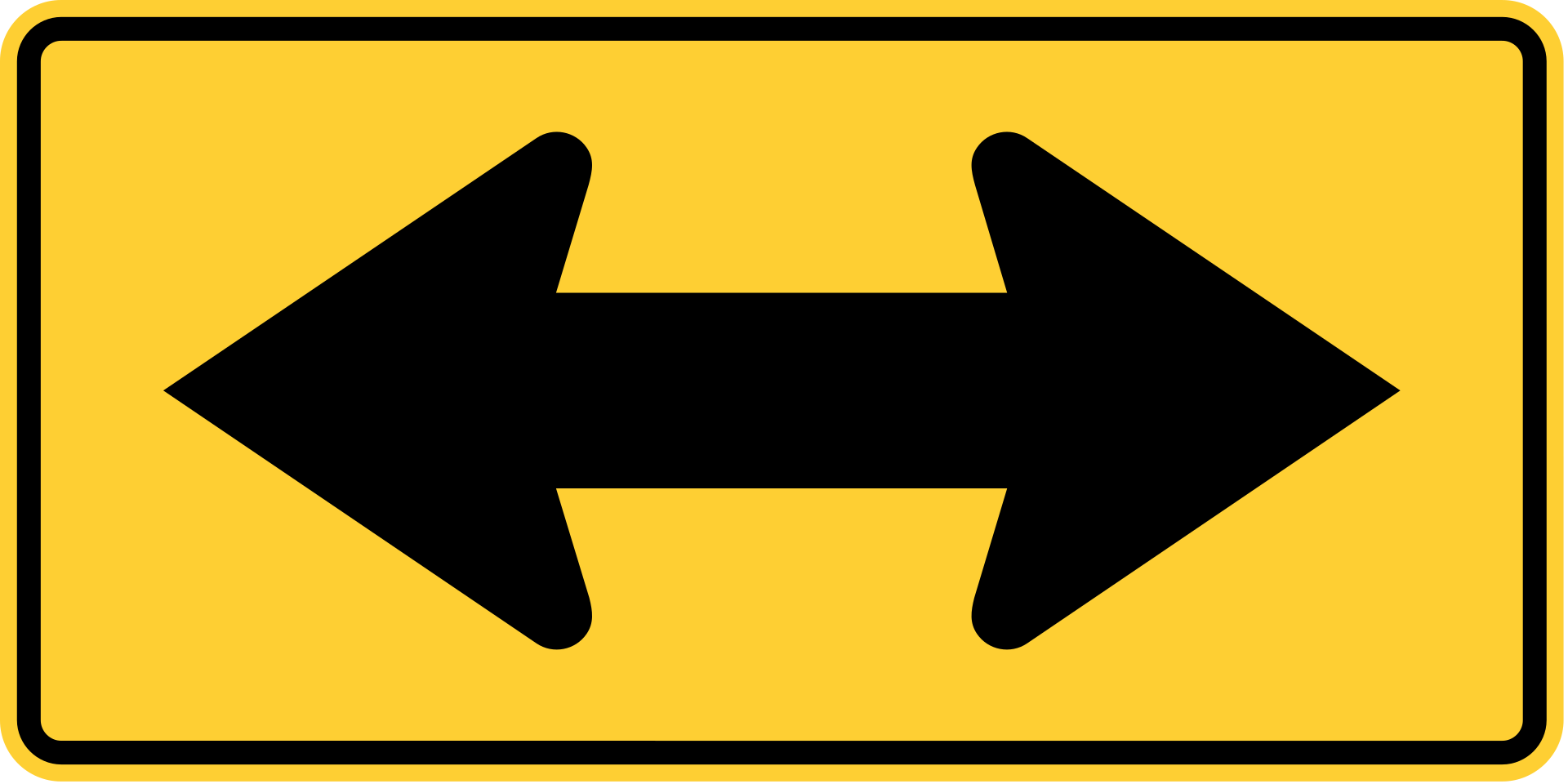 This road sign tells drivers that:
A
they must change lane immediately.
B
they must turn either to the right or left.
C
the one-way street or roadway ahead ends.
D
None of the above.
No explanation available.
Question 8
 This sign means:
A
Railroad crossing
B
No Passing Zone
C
The road ends ahead
No explanation available.
Question 9
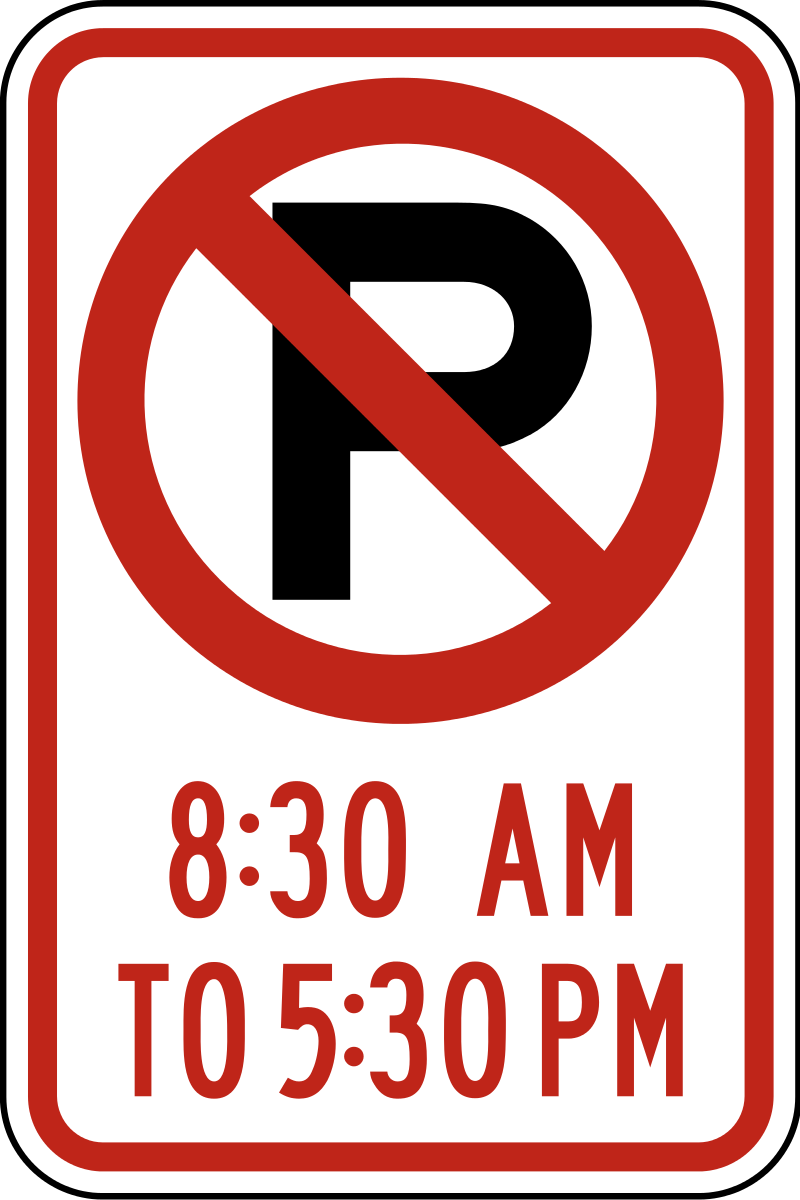 It's 10 AM. This sign tells you that:
A
you are allowed to park until 5:30 PM.
B
you must display a special permit in order to park here.
C
you are not allowed to park here.
No explanation available.
Question 10
Examples of proper glass maintenance include:
A
Replacing worn wiper blades.
B
Keeping your windows clean and clear.
C
All of the above.
No explanation available.
Question 11
Following another vehicle too closely is known as:
A
speedgating.
B
closetailing.
C
tailgating.
No explanation available.
Question 12
When driving behind a motorcycle:
A
allow a following distance of at least 4 motorcycle lengths.
B
allow a following distance of at least 2 car lengths.
C
allow at least 2 seconds of following distance.
D
allow at least 4 seconds of following distance.
No explanation available.
Question 13
Bicyclists must:
A
ride in a bicycle lane, if available.
B
remain to the right when they prepare for a left turn.
C
remain near the left edge of the road.
No explanation available.
Question 14
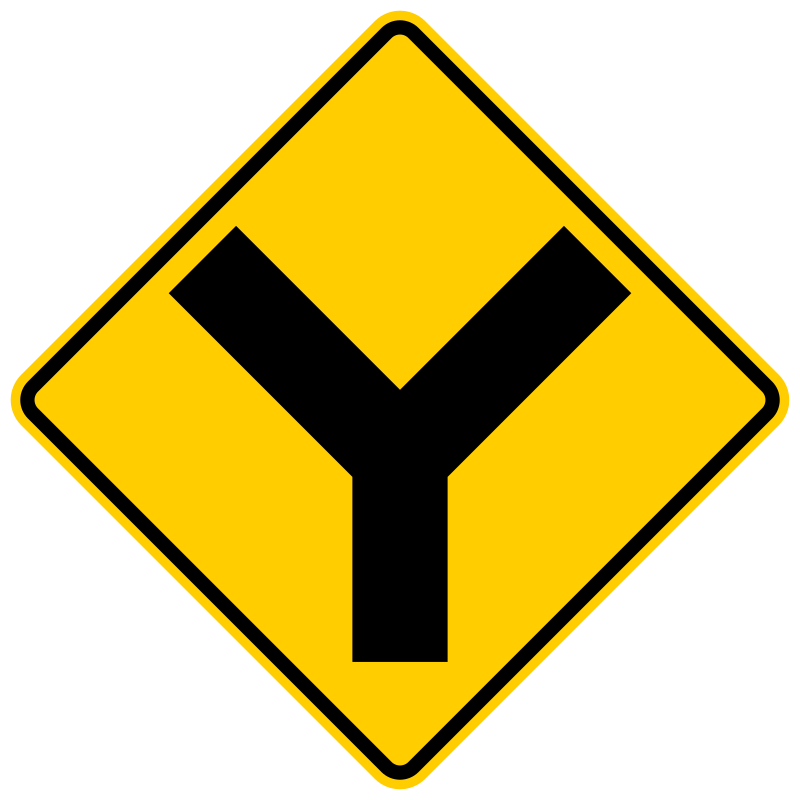 This road sign means:
A
The road ends ahead
B
A four-way intersection is ahead
C
“Y” intersection ahead
D
A road joins from the right
No explanation available.
Question 15
You are stopped at a stop sign and you are going to go straight through the intersection. A car on the cross road has stopped at a stop sign on your right and is going to go straight. Who has the right-of-way?
A
Whoever enters the intersection first.
B
You.
C
The car on your right.
No explanation available.
Question 16
A driver on an interstate highway must make a safe lane change when approaching a stopped vehicle with flashing ______ lights.
A
amber
B
blue
C
red
D
All of the above.
No explanation available.
Question 17
Blind spots are:
A
Dangerous intersection where the maximum speed limit is 15 MPH or less.
B
At night, the darkest areas of a road, where emergency flashers should be used.
C
Areas to the side or rear of a vehicle that the driver cannot see with use of mirrors.
No explanation available.
Question 18
A driver who approaches an intersection:
A
must yield the right-of-way to traffic already in the intersection.
B
must drive straight through the intersection, even if another vehicle is already in the intersection.
C
has the right-of-way over traffic already in the intersection.
No explanation available.
Question 19
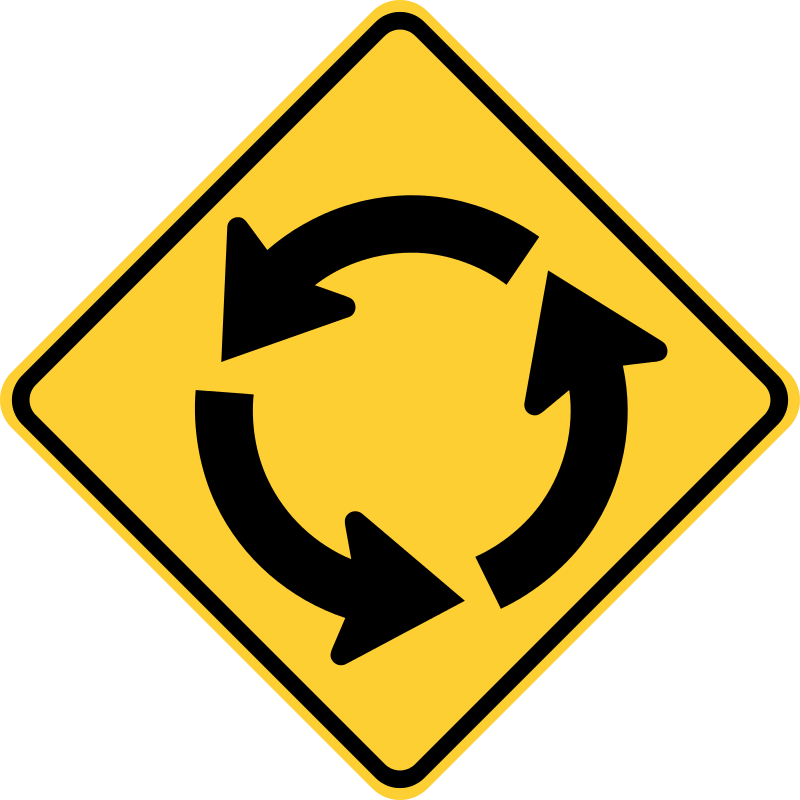 This road sign:
A
warns drivers of a sharp turn left. Drivers should slow their speed and keep to the left.
B
provides an advance notice of a roundabout.
C
warns drivers that U-turns are not permitted.
D
is a no-right-turns sign.
No explanation available.
Question 20
You must pull over to the edge of the road and allow an emergency vehicle to pass:
A
only if the emergency vehicle is following you.
B
regardless of your direction.
C
only if the emergency vehicle is approaching.
D
None of the above.
No explanation available.