 drivequiz.com
 Question 1
Speed limit signs are:
A
service signs
B
regulation signs (regulatory signs)
C
warning signs
No explanation available.
Question 2
When driving at night, drivers should:
A
always use their high beams.
B
increase their following distance.
C
look directly into the oncoming headlights of approaching vehicles.
No explanation available.
Question 3
 This sign warns drivers of:
A
low clearance.
B
a narrow bridge ahead.
C
a low place in the road.
No explanation available.
Question 4
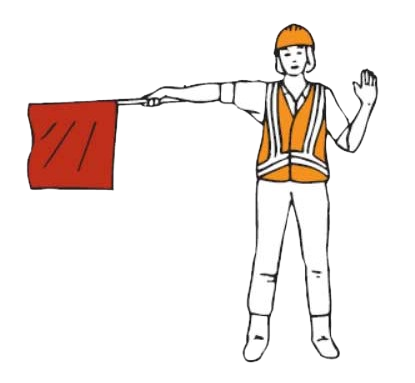 This signal means:
A
Stop
B
Move to the left
C
Slow down
D
Proceed
No explanation available.
Question 5
Which statement about tires is true?
A
Tires with low air pressure have better traction, particularly when driving on wet pavement.
B
High speed reduces stress and strain on tires.
C
The tires on your vehicle must have good treads and otherwise be in safe condition.
No explanation available.
Question 6
In heavy rain, tires can begin to ride on the water that is on top of the road pavement. This is called:
A
rideplaning.
B
hydroplaning.
C
pavement-planing.
D
waterplaning.
No explanation available.
Question 7
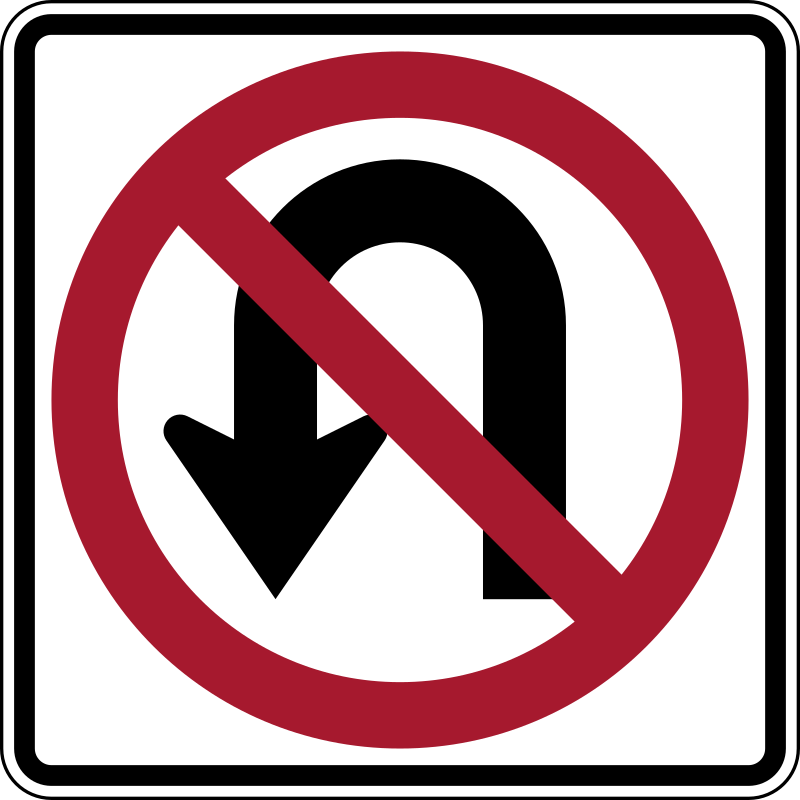 The picture shows a _________ sign.
A
no U-turn
B
no left turn
C
sharp turn
No explanation available.
Question 8
 The yield sign means:
A
Drive with caution in wet weather.
B
You must come to a complete stop.
C
Slow down and give vehicles crossing your path the right-of-way.
No explanation available.
Question 9
Driving at excessive speed:
A
improves your reaction time.
B
often leads to high-risk decision-making.
C
does not increase the chance of a crash.
No explanation available.
Question 10
What is the first thing to do when you make a three-point turn?
A
Signal with your left turn signal, then check carefully for traffic coming toward you.
B
Signal with your right turn signal, then pull over to the right and stop.
C
Turn left, go across the road so you come to a stop while you face the edge of the road.
No explanation available.
Question 11
__________ are blue with white letters and symbols.
A
Warning signs
B
Service signs
C
Destination signs (guide signs)
No explanation available.
Question 12
Taking a prescription drug while drinking alcohol:
A
has no effect one way or the other.
B
can make you unfit to drive.
C
will improve your alertness.
No explanation available.
Question 13
A driver who approaches an intersection:
A
must yield the right-of-way to traffic already in the intersection.
B
must drive straight through the intersection, even if another vehicle is already in the intersection.
C
has the right-of-way over traffic already in the intersection.
No explanation available.
Question 14
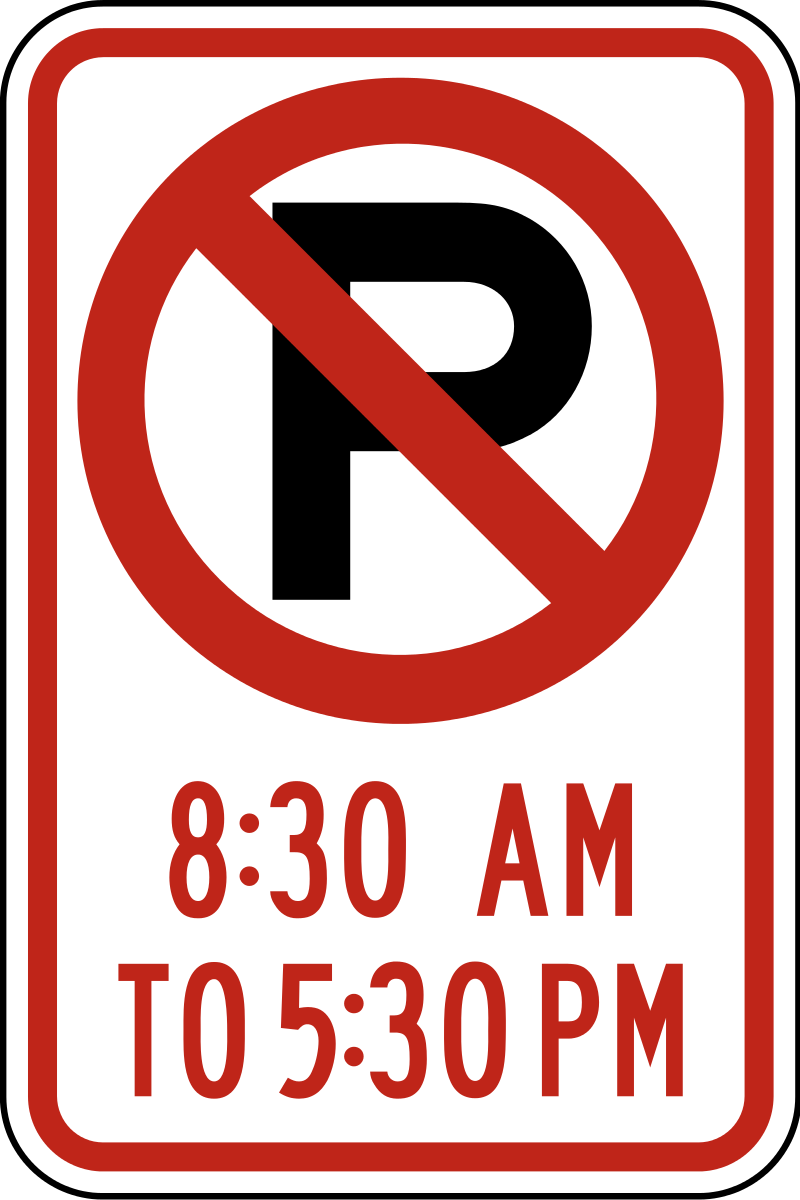 It's 10 AM. This sign tells you that:
A
you are allowed to park until 5:30 PM.
B
you must display a special permit in order to park here.
C
you are not allowed to park here.
No explanation available.
Question 15
 What does the flashing signal in the picture indicate?
A
The same thing as a stop sign.
B
Pedestrians should finish crossing the street if started.
C
Pedestrians should start crossing the street.
No explanation available.
Question 16
What should you do when an aggressive driver confronts you?
A
Avoid eye contact with the aggressive driver.
B
Make eye contact.
C
Challenge the aggressive driver with increased speed.
No explanation available.
Question 17
What should you do as you prepare to turn right at an intersection?
A
Honk your horn.
B
Yield to bicyclists coming from the opposite direction.
C
Signal your turn, check for bicyclists, and do not turn directly in front of a bicyclist.
No explanation available.
Question 18
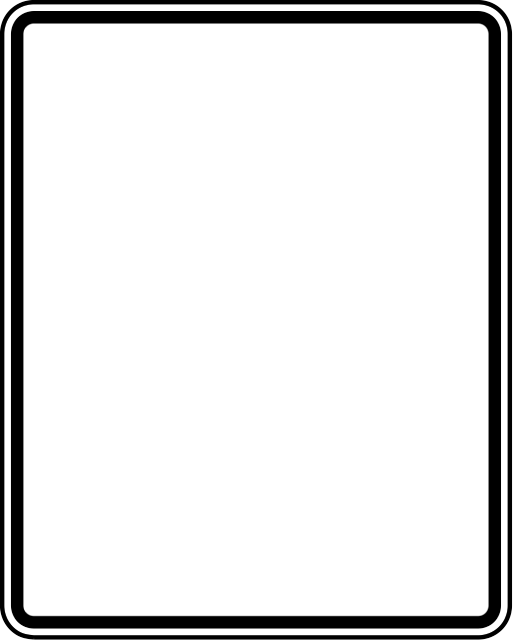 Vertical rectangles tell drivers:
A
the law.
B
what is not allowed.
C
the direction they should travel.
No explanation available.
Question 19
Where must you position your vehicle when you prepare to make a left turn from a two-way roadway into a one-way roadway?
A
As far to the right as possible.
B
On the right curb.
C
As close as possible to the center line.
No explanation available.
Question 20
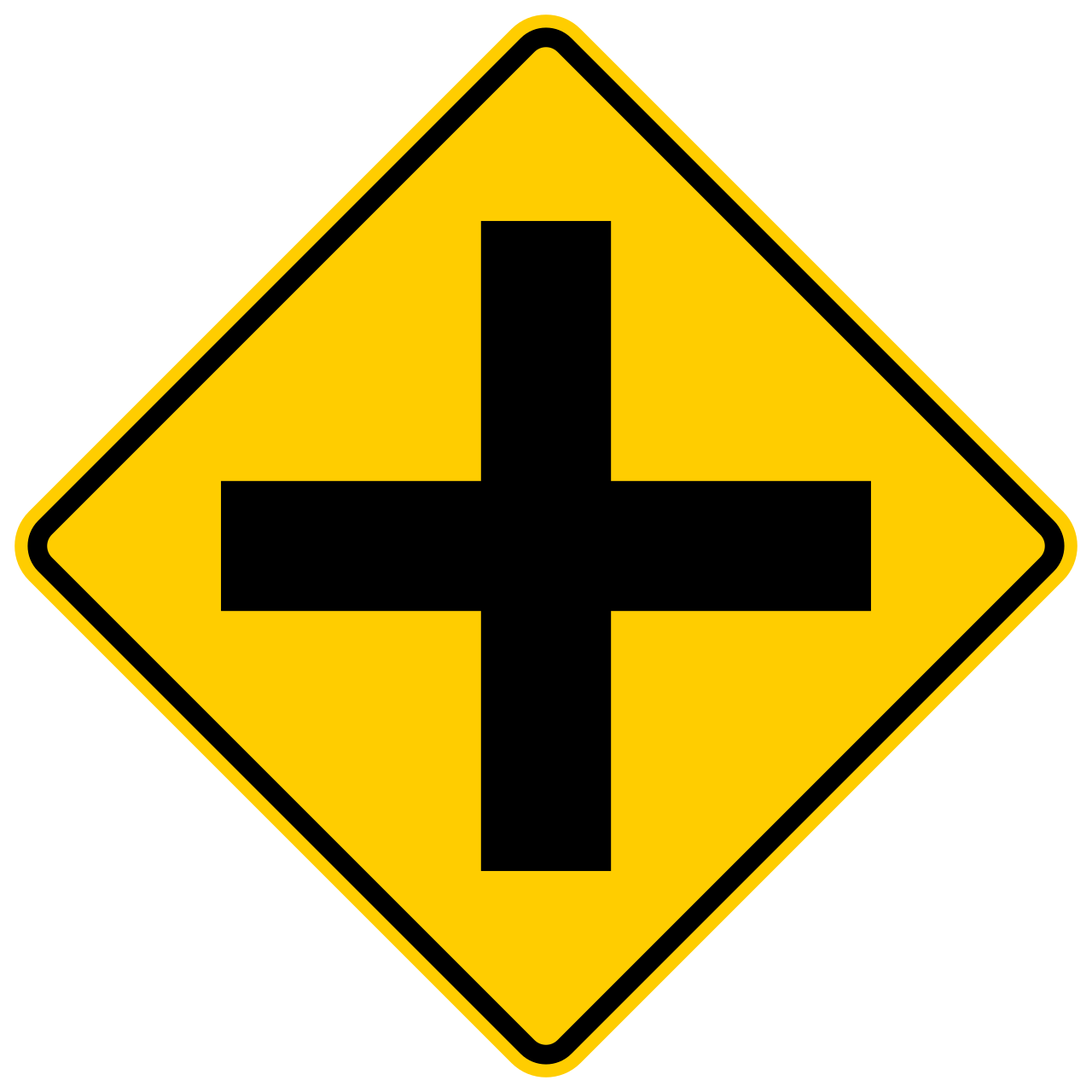 This sign indicates:
A
a side road.
B
a cross road.
C
a church zone ahead.
No explanation available.
Question 21
As the percentage of alcohol in your blood (BAC) increases, you become:
A
more reactive.
B
more intoxicated.
C
more sober.
No explanation available.
Question 22
Parking is not allowed:
A
in an intersection, unless permitted by signs.
B
within 300 feet of a pedestrian safety area.
C
on public roads
No explanation available.
Question 23
Which of these statements about railroad crossings is true?
A
You must stop at a railroad crossing when directed by a “flagman” or stop sign.
B
It is against the law to go around lowered gates at a crossing.
C
All of the above.
No explanation available.
Question 24
Left turns on a red light are allowed:
A
from a one-way street into a one-way street.
B
Never.
C
at intersections, after stopping, if the way is clear.
No explanation available.
Question 25
Which of the following is true about the Anti-Locking Brake System?
A
It prevents skidding.
B
It allows drivers to steer during an emergency braking situation.
C
All of the above.
No explanation available.
Question 26
To drive defensively, you must:
A
avoid scanning the road ahead.
B
keep one hand on the steering wheel.
C
keep your eyes moving.
No explanation available.
Question 27
Who is most at risk?
A
Drivers who are fatigued.
B
Drivers who are driving on long, boring roads.
C
All of the above.
No explanation available.
Question 28
When sharing the road with cyclists, you should:
A
be careful.
B
treat the cyclist as any other vehicle.
C
All of the above.
No explanation available.
Question 29
Where there is no bicycle lane, where on the road must a bicyclist ride?
A
on the left shoulder of the road.
B
near the right curb or edge of the road.
C
near the left edge of the road.
No explanation available.
Question 30
If you've had a few beers, the effects of alcohol will be reduced only by:
A
waiting several hours.
B
taking a cold shower.
C
getting a cup of coffee.
No explanation available.