 drivequiz.com
 Question 1
Arrows on the roadway:
A
show which lanes you must use.
B
indicate reserved lanes.
C
indicate HOV lanes.
No explanation available.
Question 2
The first sign drivers see when approaching a highway-rail intersection is usually:
A
a crossbuck sign.
B
an advance warning sign.
C
a speed limit sign.
No explanation available.
Question 3
Road signs that point out scenic areas and parks are:
A
brown and white.
B
black and orange.
C
green and white.
No explanation available.
Question 4
When changing lanes, you should never:
A
look over your shoulder to check blind spots.
B
check to see if other drivers are moving into the same lane.
C
change lanes abruptly.
No explanation available.
Question 5
What should you do if your brakes fail?
A
Hook your shoe under the pedal and see if you can free it.
B
Turn on your cruise control.
C
Try pumping the brake pedal to increase pressure.
No explanation available.
Question 6
When approaching a railroad crossing that has no warning signals (such as electric flashing lights or gates) a driver should look, listen and slow down.
A
False
B
True
No explanation available.
Question 7
 This road sign means:
A
A road joins from the right
B
All traffic must go straight ahead
C
All traffic must turn right
No explanation available.
Question 8
The driver of an emergency vehicle that uses lights and a siren can legally:
A
pass red lights.
B
exceed the speed limit
C
All of the above.
No explanation available.
Question 9
Two motorcyclists are allowed to:
A
ride side-by-side in a single lane.
B
share the lane with another vehicle.
C
race on empty roads.
No explanation available.
Question 10
If a traffic officer signals you to drive through a red light:
A
you must do it.
B
you must wait for the red light to turn green.
C
you must not obey the officer. Signs and signals take precedence over directions given by traffic officers.
No explanation available.
Question 11
When you prepare to make a left turn from a one-way road into a two-way road, you must:
A
enter the two-way road to the left of its center line.
B
approach the turn in the right lane or from the right side of a single lane.
C
approach the turn in the left lane or from the left side of a single lane.
No explanation available.
Question 12
 A four-way stop sign means:
A
traffic from all four directions must stop.
B
if two vehicles reach the intersection at the same time, the driver on the left yields to the driver on the right.
C
All of the above.
No explanation available.
Question 13
 This sign means:
A
Hairpin corner ahead.
B
Warning: U-turn ahead.
C
Sharp right turn ahead.
No explanation available.
Question 14
The following symptoms are associated with drowsy driving:
A
You continue to yawn.
B
You don’t remember driving the last few miles.
C
All of the above.
No explanation available.
Question 15
If you plan to turn at an intersection, you should signal 50 feet before you turn.
A
True
B
False
No explanation available.
Question 16
Alcohol causes:
A
poor judgment.
B
loss of concentration.
C
reduced perception.
D
All of the above.
No explanation available.
Question 17
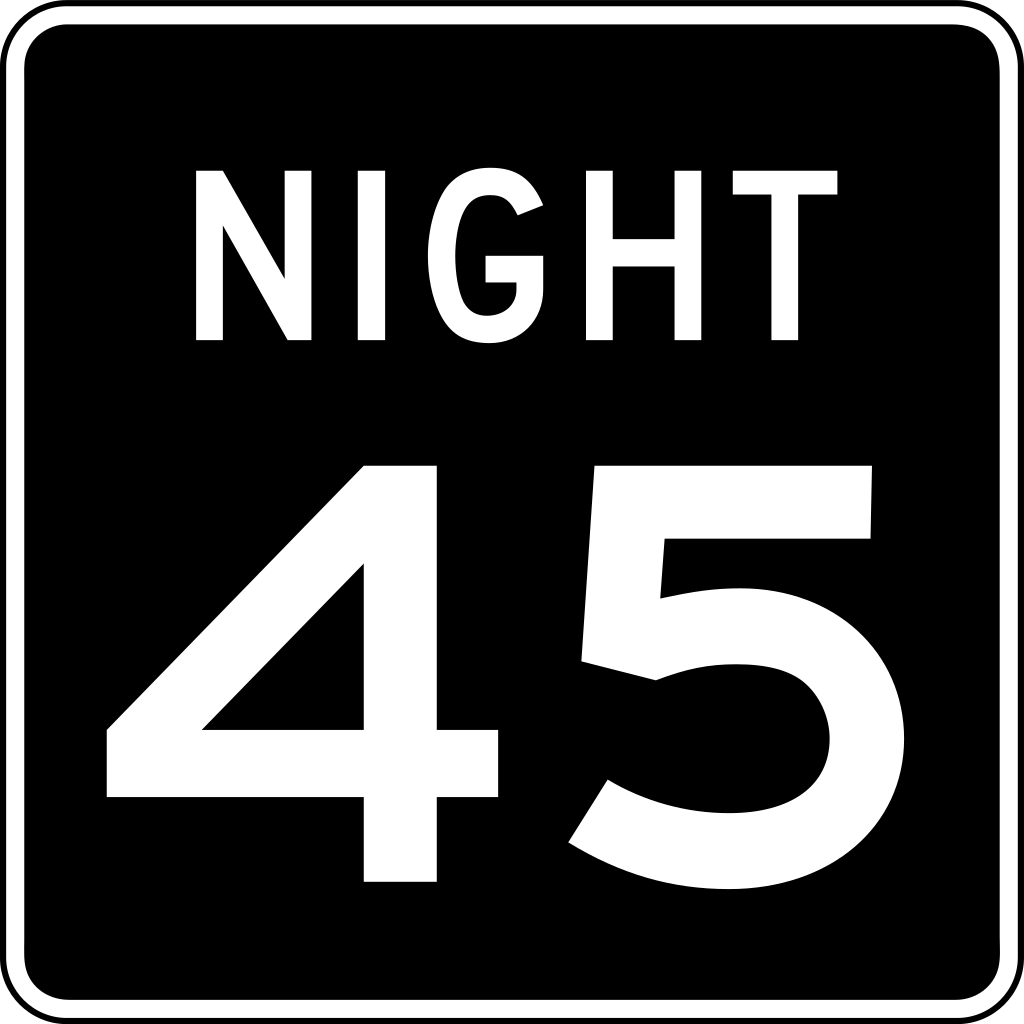 This sign means:
A
Take route 45 if you are driving at night.
B
The night-time speed limit is 45 MPH.
C
The minimum speed limit is 45 MPH.
No explanation available.
Question 18
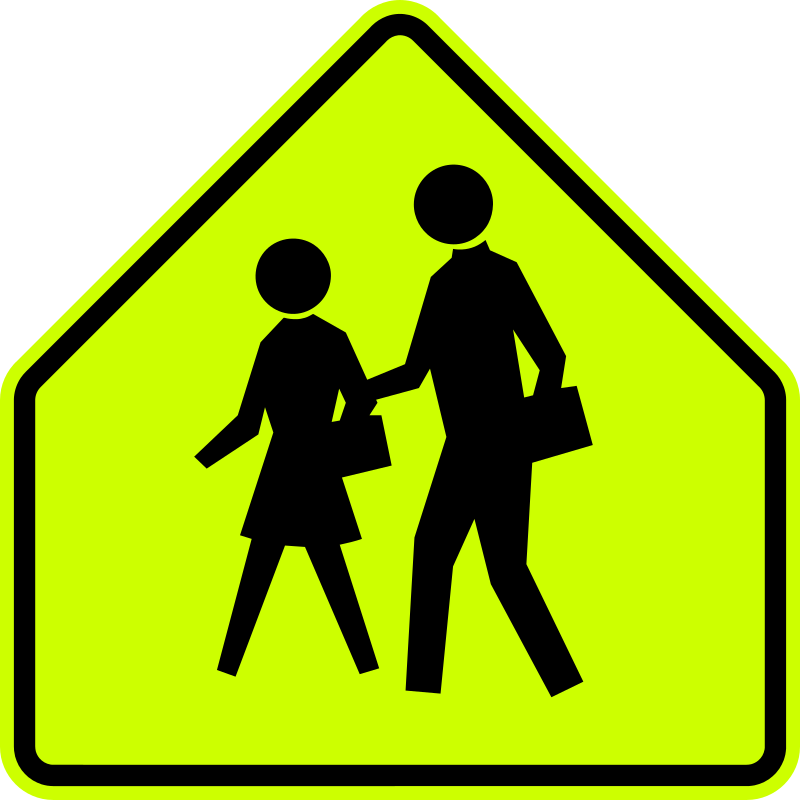 This sign means:
A
Business area nearby. Watch for business people.
B
There is a work zone ahead. Watch for workers.
C
The driver is near a school and should watch for children.
No explanation available.
Question 19
 This sign means:
A
A road crosses the main highway ahead.
B
The divided highway on which drivers are traveling ends ahead.
C
Drivers are coming to a point where another traffic lane joins the one they are on.
No explanation available.
Question 20
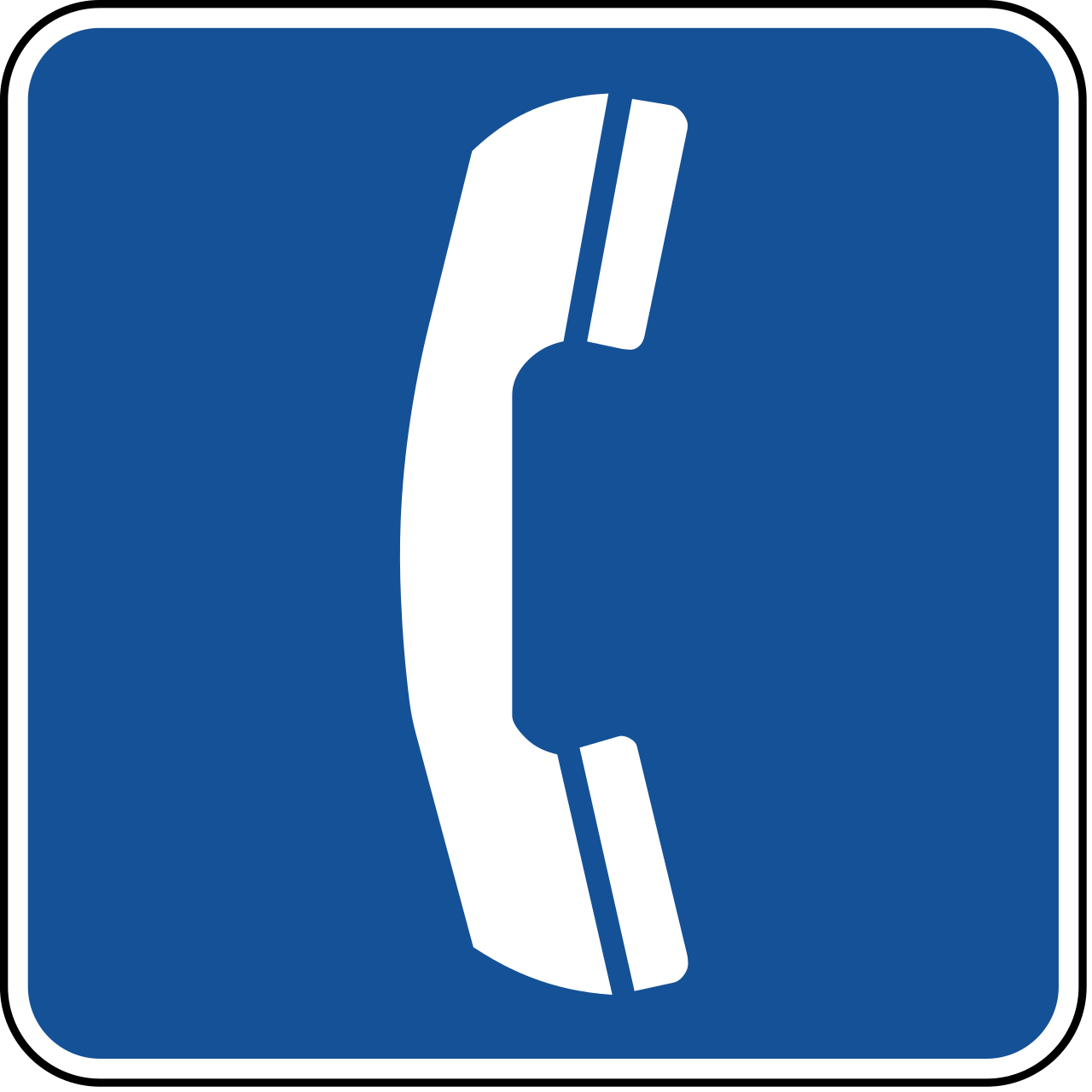 This sign indicates:
A
Phone service ahead
B
Emergency line available
C
Cell phone shop ahead
No explanation available.
Question 21
Before a school bus stops to load passengers, the driver will usually flash:
A
yellow warning lights.
B
red warning lights.
C
red lights.
No explanation available.
Question 22
Traffic lights are normally ____________ from the top to bottom or left to right.
A
red, green and yellow
B
green, yellow and red
C
red, yellow and green
No explanation available.
Question 23
When you see a sign indicating that you are approaching your exit, you should:
A
signal and move into the exit lane as soon as you reach it.
B
reduce your speed to the posted exit speed.
C
All of the above.
No explanation available.
Question 24
You should never park a vehicle:
A
within 20 feet of a crosswalk.
B
on a sidewalk.
C
All of the above.
No explanation available.
Question 25
 When you see this sign you should:
A
increase your speed and try to pass other vehicles.
B
slow your speed and be prepared to stop.
C
slow your speed and do not pass other vehicles.
No explanation available.
Question 26
What does it mean If an oncoming driver flashes headlights at you during a period of low visibility?
A
Your headlights are too bright. You should turn them off.
B
Your vehicle was difficult to see. You should turn on your headlights.
C
Your headlights are too bright. You should use parking lights instead.
No explanation available.
Question 27
You must come to a full stop at a yield sign:
A
Always.
B
Never.
C
If traffic conditions require it.
No explanation available.
Question 28
You go with a group of friends to a social event, and you plan to have a few drinks. You should:
A
make alcohol the focus of the event.
B
avoid alternating between drinks with alcohol and drinks without any alcohol.
C
arrange to ride home with a friend who does not drink.
No explanation available.
Question 29
What do warning signs mean?
A
Danger ahead.
B
Drivers are approaching a location where there is a special rule.
C
All of the above.
No explanation available.
Question 30
If you hear a thumping sound while driving, you should:
A
hook your shoe under the gas pedal and see if you can free it.
B
get off the road and check your tires.
C
try your emergency lights.
No explanation available.