 drivequiz.com
 Question 1
Just like alcohol and other drugs, drowsiness can:
A
help you to be a better driver.
B
make you feel better.
C
impair your judgment.
No explanation available.
Question 2
When there is a _______ at an intersection, you should come to a complete stop, yield to cross traffic/pedestrians, and then proceed when clear.
A
a solid green light
B
a solid red light
C
a flashing red light
D
a flashing yellow light
No explanation available.
Question 3
Before entering a traffic circle, drivers must slow down and yield to ___________ in the traffic circle.
A
pedestrians
B
vehicles
C
bicyclists
D
All of the above.
No explanation available.
Question 4
When entering a crowded freeway, to merge into traffic you should:
A
yield to vehicles already on the freeway.
B
use the acceleration lane to adjust your speed to the same speed as freeway traffic.
C
check your blind spots.
D
All of the above.
No explanation available.
Question 5
While driving you come upon a sign which says, “reduced speed 35 MPH”. You as a driver should know:
A
that the new 35 MPH speed zone begins at the next “speed limit” sign.
B
that the sign is put there to harass “good” drivers.
C
that the new 35 MPH speed zone begins at this sign.
D
that you have plenty of time to slow down before the speed zone.
No explanation available.
Question 6
What should you do if your rear wheels start to skid?
A
Steer left if your rear wheels slide right.
B
If the vehicle has ABS, pump the pedal carefully.
C
Turn the steering wheel in the direction the vehicle is trying to go.
No explanation available.
Question 7
When you need to change lanes, it is important to:
A
make sure the lane you are about to enter is clear.
B
signal your intentions ahead of time.
C
check your blind spots.
D
All of the above.
No explanation available.
Question 8
What is the main reason night driving is more difficult than daytime driving?
A
The use of headlight is required by law.
B
Reduced visibility.
C
Driving within the range.
No explanation available.
Question 9
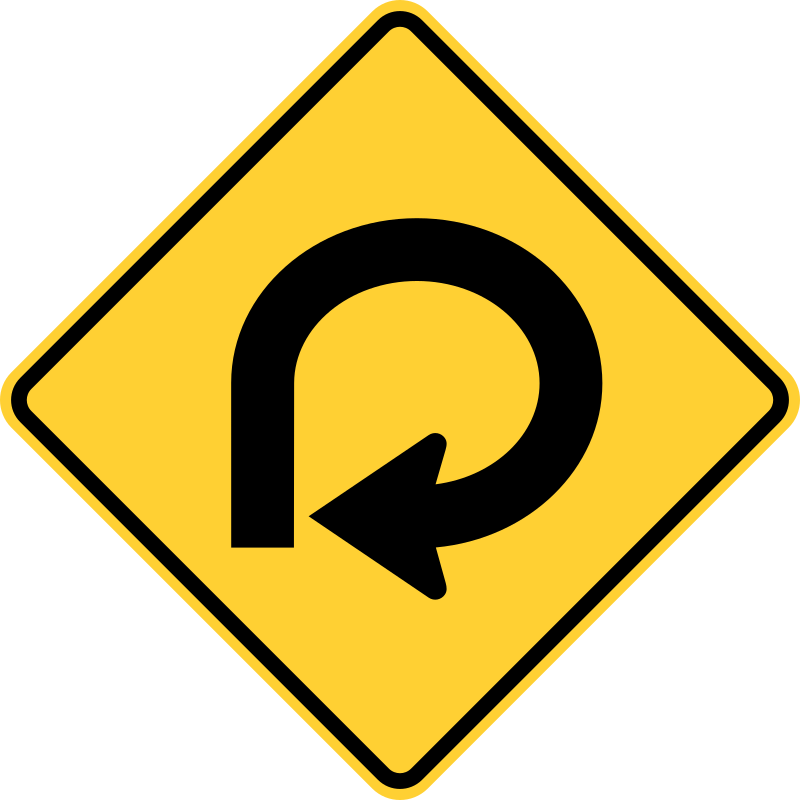 This sign means:
A
Roundabout ahead.
B
270 degree turn ahead.
C
Wrong way; Turn around immediately.
No explanation available.
Question 10
To avoid becoming an aggressive driver, you should:
A
drive above the posted speed limit.
B
tailgate the driver in front of you.
C
relax and concentrate on driving.
No explanation available.
Question 11
The shape and color of a route number sign indicate the type of roadway.
A
False
B
True
No explanation available.
Question 12
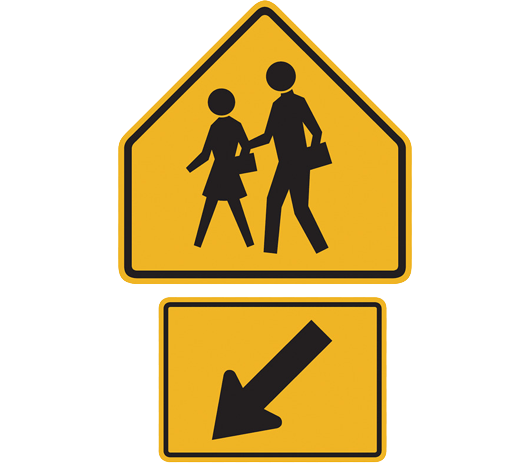 When they approach this sign, drivers must:
A
slow down and watch for children crossing the road.
B
obey signals from crossing guards.
C
stop if necessary.
D
All of the above.
No explanation available.
Question 13
What is the first thing to do when you make a three-point turn?
A
Signal with your left turn signal, then check carefully for traffic coming toward you.
B
Signal with your right turn signal, then pull over to the right and stop.
C
Turn left, go across the road so you come to a stop while you face the edge of the road.
No explanation available.
Question 14
Lanes of traffic moving in the same direction are divided by ____ lines.
A
orange
B
yellow
C
black
D
white
No explanation available.
Question 15
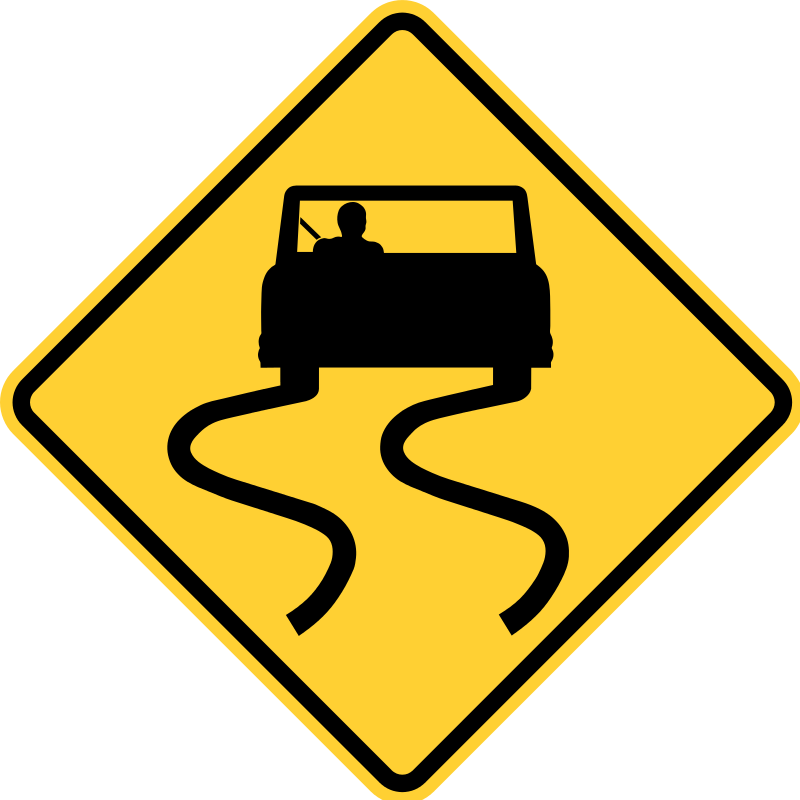 This road sign means:
A
Winding road
B
Side road ahead
C
Slippery when wet
No explanation available.
Question 16
 This road sign means:
A
Winding Road Ahead
B
Persons with Disabilities Parking
C
Merge
No explanation available.
Question 17
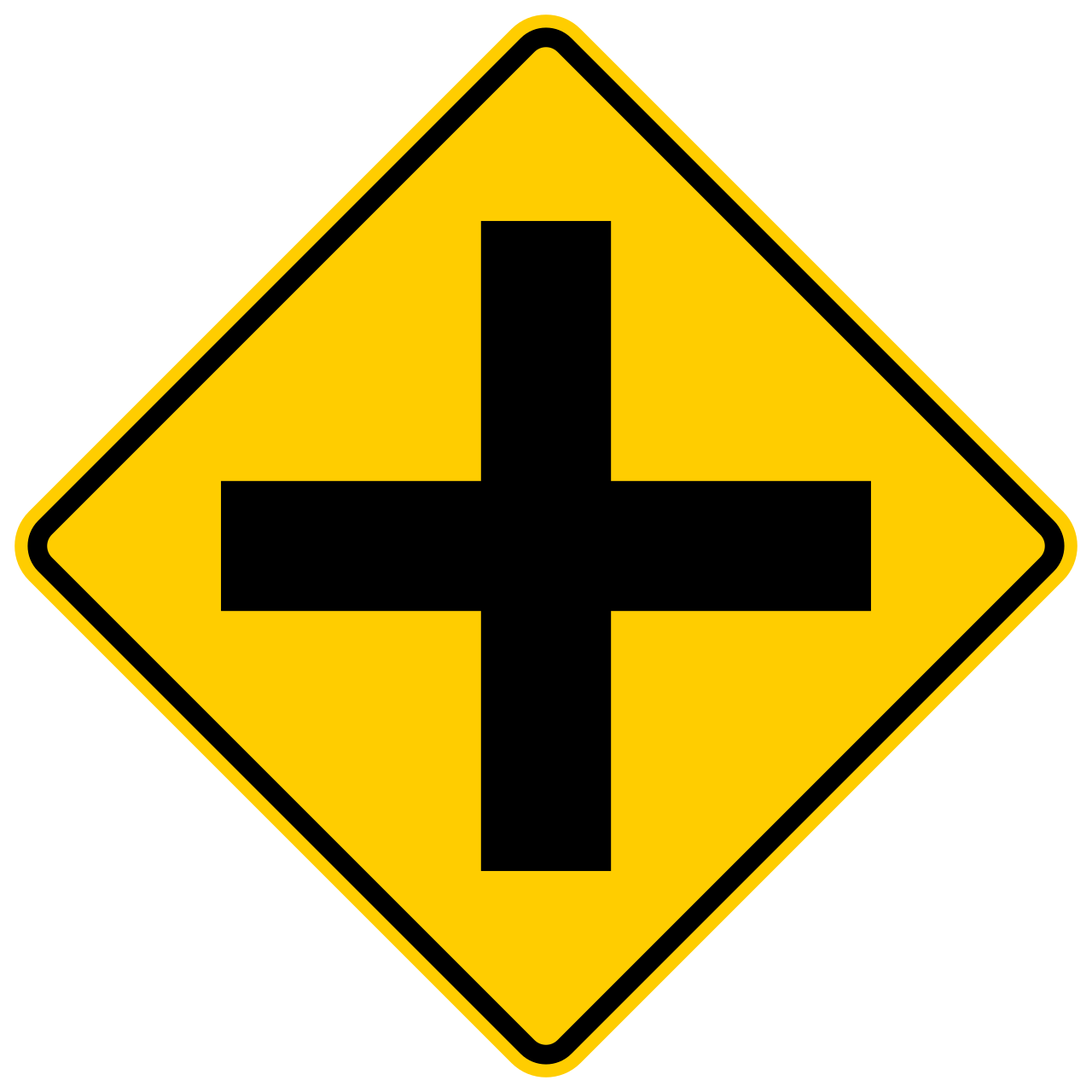 This road sign means:
A
You must turn right
B
Railroad crossing
C
Crossroad ahead
D
4-way stop
No explanation available.
Question 18
Your blind spot is the area of the road:
A
you see in your rearview mirror.
B
directly behind your vehicle.
C
you cannot see without moving your head.
D
you see in your side mirror.
No explanation available.
Question 19
When you come to an intersection with a flashing red light, you must:
A
stop at the intersection, then proceed when safe and observe the right-of-way rules.
B
slow down and drive carefully through the intersection.
C
stop at the intersection and wait for a flashing green light.
D
stop only if cars are approaching the intersection.
No explanation available.
Question 20
Before passing a vehicle or changing lanes, remember to:
A
only pass or change lanes if the change can be completed without speeding.
B
signal your return to the left lane.
C
sound your horn as you pass.
No explanation available.
Question 21
Do not pass:
A
on hills or curves.
B
when approaching intersections.
C
when school bus lights are flashing.
D
All of the above.
No explanation available.
Question 22
 This sign warns ____________ ahead.
A
of two-way traffic
B
of a reduction of lanes
C
that a divided highway ends
No explanation available.
Question 23
Keeping a space cushion between you and the other vehicles around you is important because it:
A
gives you time to react to situations.
B
prevents distractions from other vehicles.
C
keeps other drivers alert.
D
keeps traffic flowing at a safe pace.
No explanation available.
Question 24
Doing all you can to prevent crashes is called:
A
Anti-Collision Driving
B
Crash-Prevention Driving
C
Defensive Driving
D
ABS Driving
No explanation available.
Question 25
When pedestrians are in a crosswalk, drivers should:
A
pull over to the right and stop.
B
go ahead because drivers have the right-of-way.
C
wait for them to cross.
No explanation available.